









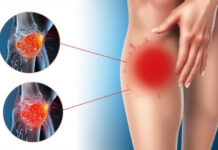









Cancer, is a disease which triggers abnormal cell growth in the body and consists the potential to spread to the other parts of the body as well. Although there is no permanent cure for cancer, it can only be countered through controlling the abnormal cell growth in the body. Although cancer is considered as a life-threatening disease, few types of cancer can be cured and does not spread to the other parts of the body.
According to the various studies, tobacco has been found as the main cause of cancer with causes around 22 percent of cancer deaths. Other factors include the consumption of alcohol, smoking, obesity, lack of physical activity as well as poor eating habits. Around 20 percent cancer deaths occurs due to infections like hepatitis B, C and HPV (Human Papillomavirus).
The symptoms of cancer includes lump, abnormal bleeding, change in bowel movements as well as sudden unexplained weight loss. Cancer is also a genetic health disorder and is inherent from genetic defects of the person’s parents.
Main available cure for cancer is radioactive therapy, surgery, targeted therapy as well as chemotherapy. This disease can be controlled and survival rate can be increased through early detection as well as proper treatment, healthy eating habits, regular exercise, quitting smoking and controlling alcohol consumption.
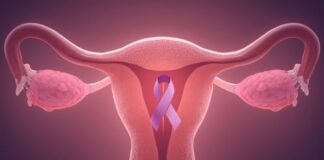
Endometrial Cancer vs PCOS: Overlapping Signs and How to Tell Them...
PCOS and endometrial cancer are closely linked because both involve hormonal imbalance and abnormal changes in the uterine lining. Many people wonder, can PCOS...

Breast Cancer Stages Explained: From Stage 0 to Stage 4
Making educated health decisions requires a grasp of the course of breast cancer, one of the most commonly diagnosed malignancies globally.
In this article, we...

Why Do Some People Feel Fine Even With Advanced Cancer?
Some people feel completely well with advanced cancer because symptoms depend on where the tumor is, what it is doing to surrounding tissue, and...

Kidney Stones vs Kidney Cancer: How to Tell the Difference
When people search for "kidney stones vs kidney cancer," they are mostly scared. Because kidney stones or kidney cancer symptoms sometimes look the same:...
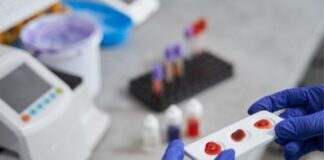
Can a Routine Blood Test Detect Cancer Early? What the Science...
Many people believe one simple blood test can “catch everything early.” It sounds logical; blood goes everywhere in the body, so cancer should show...

Breast Cancer Treatment Options: Surgery, Radiation, and Beyond
For many women, a breast cancer diagnosis feels overwhelming, not just because of the disease but because of how complex the treatment process appears...

Is Shoulder Blade Pain a Sign of Lung Cancer? When to...
Shoulder blade pain is one of the most common complaints in general practice, and in most cases, it has nothing to do with cancer....

5 Foods That May Help Lower Your Risk of Colorectal Cancer...
When we talk about foods that lower colorectal cancer risk, people usually expect a simple list. But this topic is not that simple. Colorectal cancer...
Lymphoma vs. Leukemia: How the Origin of Your Cancer Shapes Diagnosis,...
The Short Version:
Origin: Leukemia starts in the bone marrow and blood; lymphoma begins in the lymph nodes.
Symptoms: Leukemia causes bruising, bleeding, and...

Is Unusual Bleeding a Sign of Cancer? What It Could Mean...
The Short Version
Most unusual bleeding is not a sign of cancer. But new or persistent bleeding should be evaluated.
Sometimes, bleeding can be...
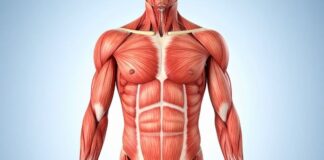
Wait-and-Watch: Building a Psychological Toolkit for Living with Indolent (Slow-Growing) Lymphoma
The Short Version:
Watch-and-wait is active monitoring, not neglecting treatment.
Indolent lymphoma often stays stable for many years
Meditation, CBT, and support help manage...

Think You’re Too Young for Cancer? 75% of Patients Thought So...
The Short Version:
Cancer is more common in young adults than most people realize. Roughly 85,000 Americans ages 15 to 39 are diagnosed every year.
Because...

No More Needles: How Liquid Biopsies Are Transforming Advanced Cancer Monitoring
For decades, cancer monitoring relied on a familiar but demanding routine. Imaging scans spaced months apart. Needle biopsies when tumors appeared to change. Long...
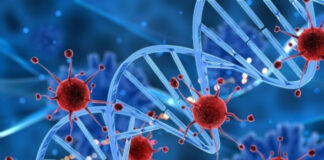
Triple-Negative Breast Cancer: Why Your “Baseline” ctDNA Level May Be the...
Triple-negative breast cancer (TNBC) is often discussed in terms of aggressive biology, fewer targeted therapies, and higher recurrence risk than other breast cancer types....

Why You Shouldn’t Ignore Chronic Fatigue: Could Iron Deficiency Anemia Be...
Even though many people say they are tired because they are busy, persistent fatigue could be more than that. Iron deficiency anemia (IDA) is...
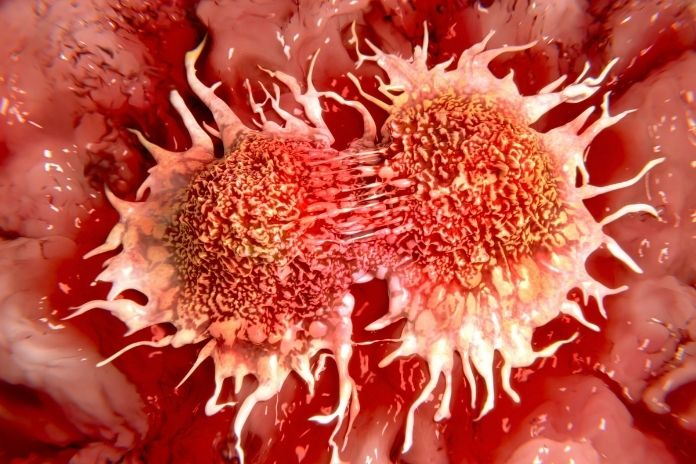
Do Food Preservatives Increase Cancer Risk? What Research Really Shows
You have probably seen the headlines: Food preservatives cause cancer. You cannot help but wonder what hides in the everyday foods you will consume....
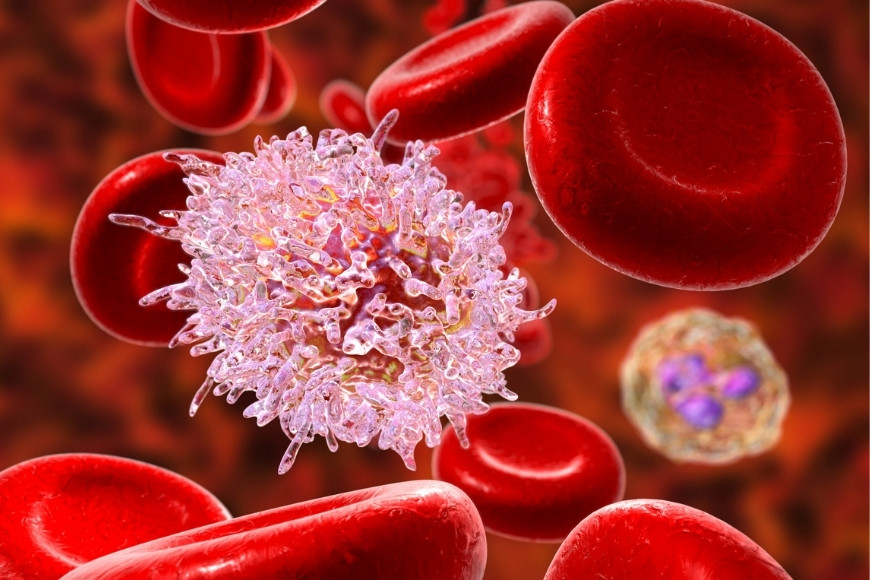
Hairy Cell Leukemia Treatment Options: What to Expect From Start to...
Picture this. You’ve just been told you have hairy cell leukemia. The name alone sounds frightening. A quick search floods you with medical jargon,...
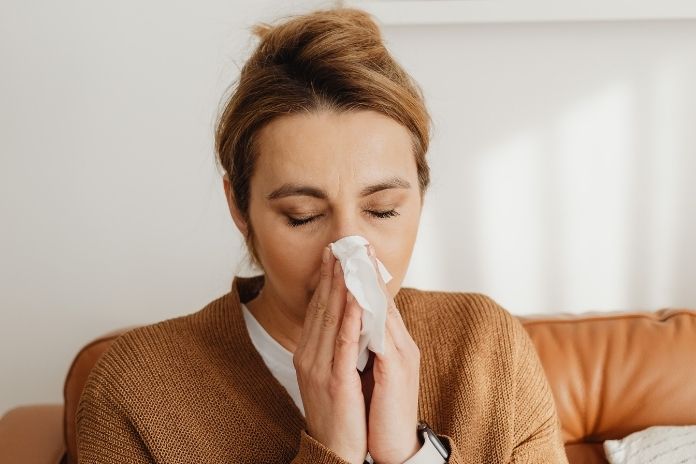
Is It Cancer or Just a Cold? The 5-Point ‘Feel Test’...
After a cold, flu, or sore throat, it's very typical to feel a tiny lump or swollen gland in your neck. Many people think...
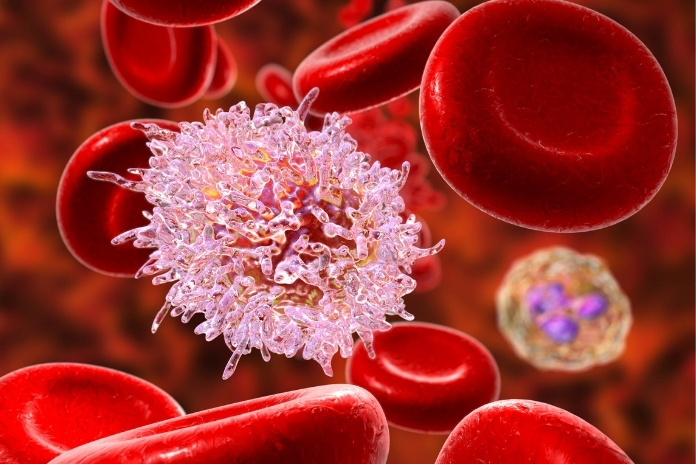
Who Gets Hairy Cell Leukemia? Risk Factors & Demographics
A rare, slowly progressive leukemia that begins in B cells (also known as B lymphocytes) is called hairy cell leukemia (HCL). B cells are...

Are Chills a Sign of Cancer? Causes, When to Worry, and...
You’re sitting comfortably, maybe reading, working, or watching TV, and suddenly a wave of chills runs through your body. Your teeth chatter slightly, your...

Signs and Symptoms of Leukemia in Children: Early Warning Signs Parents...
Most childhood illnesses are ordinary. Fever, cough, tiredness, poor appetite, parents see these almost every month. And most of the time, they resolve on...
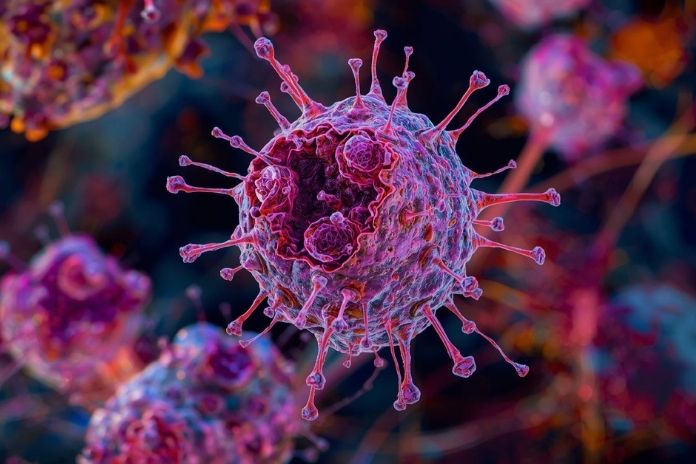
What Is Hairy Cell Leukemia? Symptoms, Causes & How It’s Diagnosed
Hairy Cell Leukemia (HCL) is a rare type of slow-growing blood cancer that affects the body’s B-cells, which are a kind of white blood...

Does Cryotherapy (Ice Chips) Help Chemo Mouth Sores? Evidence Explained
If you’ve ever watched someone go through chemotherapy, or are going through it yourself, you know how brutal chemo mouth sores can be. Eating...

The Best Mouthwashes for Chemo Mouth Sores (What Oncologists Recommend)
Radiation therapy to the head and neck might harm digestive system cells, causing mucositis and painful mouth sores. It makes it very hard to...