













As we age, maintaining our health and vitality becomes increasingly important. The years after 50 should be a time of wisdom, experience, and joy—not decline. Taking care of your body can help you stay active, manage health conditions, improve memory, strengthen your immune system, and boost your energy levels, regardless of your age or health history.
“Cleansing your face twice a day with a mild cleanser (not soap) will keep your pores clean and help wash away dirt and impurities,” says Patrick Keehan, D.O., a dermatologist at Keehan Dermatology. “Daily sunscreen or sunblock will not only help prevent cancer but can also reduce wrinkles as we age.”
This article provides practical knowledge and lifestyle choices to help you live a vibrant, fulfilling life in your golden years.
Read More: 8 Common “Healthy” Habits That Could Be Aging You Faster
1. Embrace a Positive Mindset

Your mindset directly impacts your overall health and well-being. The mind-body connection is powerful, and cultivating a positive outlook should be as much a priority as healthy eating and regular exercise.
Positive aging means making the best of getting older while maintaining an optimistic, growth-oriented attitude regardless of the challenges you face. Approaching loss or change with optimism makes difficult periods easier to navigate and life more fulfilling overall.
Research shows that positive aging encompasses financial stability, self-fulfillment, independence, health, personal safety, and quality living conditions.
Developing a positive mindset about aging requires intentional effort and practice. Here’s how to cultivate it:
- Accept yourself as you are: Honor your life journey and the wisdom you’ve gained through experience. Practice self-compassion and accept your aging body. View aging as an opportunity for growth and be grateful for the possibilities it brings.
- Nurture social relationships: Build meaningful connections with people of all ages. Join clubs, support groups, and community events. Seek intergenerational interactions to foster a sense of belonging and purpose.
- Practice constructive self-talk: Counter negative thoughts about aging with positive affirmations. Reframe aging as a privilege and an opportunity for personal growth. Remind yourself of your accomplishments and strengths.
A 2008 study of 2,873 healthy men and women found that a positive outlook was associated with lower levels of the stress hormone cortisol, even after accounting for factors like age, occupation, income, ethnicity, obesity, smoking, and depression.
2. Eat For Longevity

What you eat significantly impacts your longevity, health, and well-being. Both macro and micronutrients are essential for maintaining good health, and nutrition interventions can promote healthy aging and reduce the risk of chronic diseases.
As we age, our bodies and nutritional needs change. Focus on these key principles:
- Eat whole foods: Choose natural, minimally processed foods that retain their nutrients – lean proteins, legumes, nuts, seeds, and whole grains.
- Load up on antioxidants: Foods like berries, nuts, seeds, and leafy greens fight oxidative stress, a major contributor to aging and chronic disease.
- Stay hydrated: Drink plenty of water throughout the day. Proper hydration is essential for skin health, joint function, and overall cellular health.
- Control portions: As you age, you need fewer calories. Practice moderation, filling most of your plate with vegetables, followed by whole grains and protein.
- Eat mindfully: Slow down and savor your food’s flavors, textures, and aromas. Avoid distractions like TV or devices so you can focus entirely on your meal. This practice improves digestion and makes meals more enjoyable.
Research confirms that a comprehensive dietary approach is essential for healthy aging. Understanding nutrition’s role in disease prevention helps you harness its power to promote longevity.
Read More: Extreme Heat and Aging: Why Doctors Compare It to Smoking or Heavy Drinking
3. Stay Physically Active
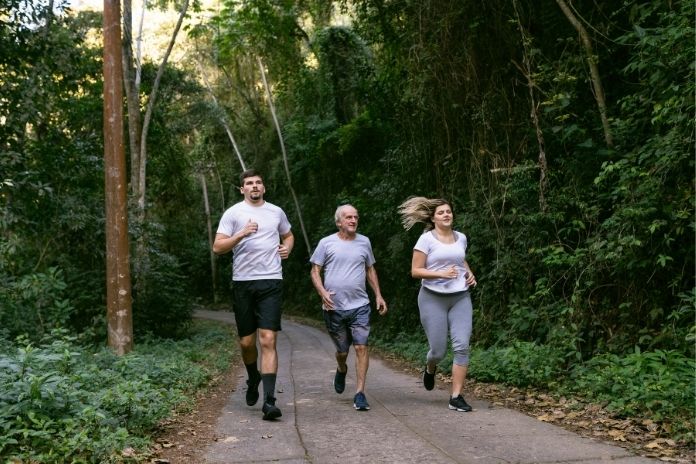
Regular physical activity is one of the most important things you can do for your health as an older adult. It prevents or delays many age-related health issues, strengthens your muscles, and helps you maintain independence in daily activities.
Loss of mobility in older adults reduces quality of life and increases the risk of illness, disability, hospitalization, and death. Even a little exercise is better than none—and the more you do, the greater the benefits.
Exercise goals: Aim for 150 minutes per week of moderate-intensity physical activity. This can include swimming, cycling, walking, and spending time each day on strength, flexibility, and balance exercises.
Before starting any exercise program, consult a healthcare professional to ensure you’re healthy enough to exercise and to determine which activities are appropriate for your fitness level.
Best exercises for seniors:
- Water aerobics: The buoyancy of water relieves joint stress, making it ideal for people with arthritis or joint pain. Water aerobics has become increasingly popular among older adults in recent years.
- Chair yoga: This low-impact activity improves muscle strength, mobility, balance, and flexibility—all vital for seniors. Chair yoga is more accessible and less taxing on bones, joints, and muscles than traditional yoga.
- Walking: One of the simplest and least stressful forms of exercise. Walking distances and step goals vary by individual, as some seniors find walking more challenging than others.
Regular physical activity enhances mental well-being, helps manage weight, lowers disease risk, strengthens bones and muscles, and makes daily tasks easier.
4. Care For Your Mental Fitness and Cognitive Health
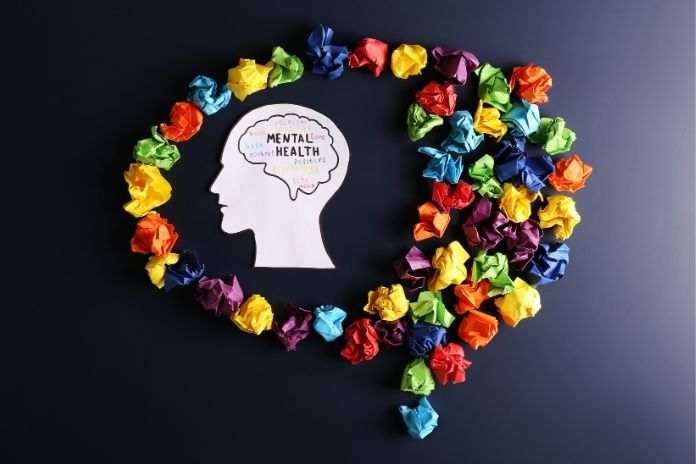
Maintaining cognitive health is crucial for aging gracefully. Just as exercise benefits your body, cognitive workouts and mental stimulation support brain function, create new neural connections, and maintain existing ones.
More severe cognitive impairments associated with abnormal aging can include rapid memory loss, difficulty navigating, problem-solving challenges, trouble finding words in conversation, or socially inappropriate behavior.
Boost your brain health: Add more intellectually stimulating activities to your routine, increase the challenge level, or participate in group activities. Social interaction and physical activity also benefit brain health.
Regular mental exercise improves your cognitive reserve, your brain’s ability to tolerate negative changes before showing symptoms. This gives you a better chance of overcoming age-related mental decline.
Brain-boosting activities:
- Board games and puzzles
- Reading
- Learning a new language
- Word games like Wordle and crosswords
- Logic games like Sudoku
These activities activate multiple brain regions, improving memory, cognitive flexibility, and problem-solving abilities.
The social connection: Seniors without adequate social support are more likely to experience mental and physical health issues, leading to increased use of medical services. Research shows that socially active older adults are less likely to develop dementia, heart disease, stroke, and certain cancers.
Studies reveal a correlation between longer life expectancy and happiness, life satisfaction, and a sense of purpose. Engaging in enjoyable activities fosters these positive emotions.
Active older adults who engage in meaningful activities like community volunteering or regular physical activity report feeling happier and healthier. They’re also more resilient—better able to overcome adversity and move forward.
5. Get Preventive Healthcare and Regular Checkups
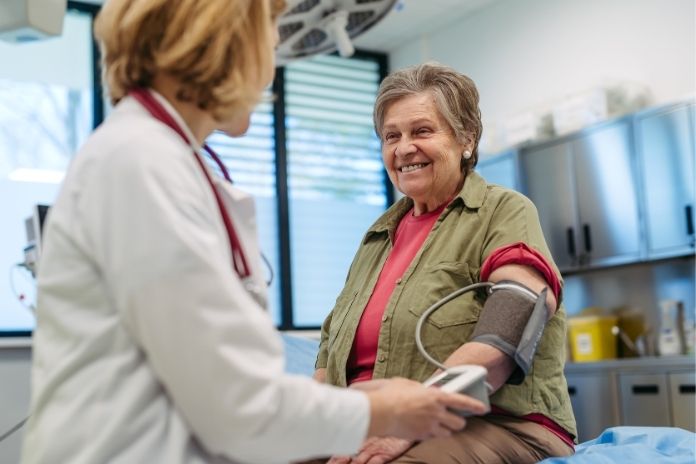
Maintaining a healthy, active lifestyle as you age offers numerous benefits: enhanced wellness, faster recovery from illness, lower risk of chronic disease, and reduced fall risk. While checkups and preventive screenings are valuable at any age, their importance increases as you get older.
Aging increases your likelihood of health problems. You face a higher risk for conditions like diabetes, heart disease, cancer, chronic obstructive pulmonary disease (COPD), and arthritis.
Early detection matters: Many illnesses don’t show symptoms until they’ve progressed. Your doctor can detect them during an annual exam, when they’re easier to treat and sometimes even fully curable.
Prevention is key: During a checkup, your doctor can identify issues that may increase your future disease risk. Reviewing your family’s medical history reveals inherited condition concerns. Your doctor will also ask about stress management, sleep patterns, exercise habits, and diet, providing guidance on improvement areas. They can also offer advice on quitting smoking or reducing alcohol consumption.
Expert care: Doctors are trained to interpret symptoms and can recommend treatments, refer you to specialists, or order appropriate tests.
J. Taylor Hays, M.D., with the Mayo Clinic, notes: “Smoking can speed up the normal aging process of your skin, contributing to wrinkles. Aside from age, smoking is the strongest predictor of facial wrinkling in men and women.”
Read More: Spermidine – The Anti-Aging Compound That’s Creating Buzz in Wellness Circles
Conclusion
The golden years offer an opportunity to cultivate health, vitality, and a meaningful life. We encourage you to adopt the behaviors and advice covered in this article. Simple steps—learning new things, incorporating physical activity into daily routines, or choosing healthier foods—can lead to a more vibrant and fulfilling life.
Healthy aging is a comprehensive journey, not a single destination. It’s about meeting physical needs, stimulating the mind, and cultivating meaningful relationships. By taking a holistic approach, you can face aging challenges with grace, resilience, and a spirit of continuous improvement.
References
- https://drgenevaspeaks.com/the-ultimate-guide-to-a-vibrant-life-over-50/
- https://www.ageconcern.org.nz/Public/Public/Info/LifeStyle/Positive_Ageing.aspx
- https://www.frontierdistrict.k-state.edu/family/keys-to-embracing-aging/fact_sheets/Positive%20Attitude.pdf
- https://www.coachingagingadults.com/how-to-cultivate-a-positive-attitude-towards-aging/
- https://www.health.harvard.edu/heart-health/optimism-and-your-health
- https://www.nutritionsociety.org/blog/healthy-ageing-what-role-can-nutrition-play
- https://www.seniorlifestyle.com/resources/blog/7-best-exercises-for-seniors-and-a-few-to-avoid/
- https://www.aarp.org/health/brain-health/global-council-on-brain-health/cognitively-stimulating-activities/
- https://www.nia.nih.gov/health/cognitive-health-and-older-adults
- https://www.inspirahealthnetwork.org/news/maintain-your-brain-keeping-your-mind-sharp-you-age
- https://www.nia.nih.gov/health/participating-activities-you-enjoy-you-age
- https://www.webmd.com/healthy-aging/annual-checkups-seniors-importance
- https://bendderm.com/4-tips-to-keep-your-aging-skin-healthy/
- https://www.texashealth.org/areyouawellbeing/Health-and-Well-Being/The-Top-AntiAging-Tips-for-Women-from-a-Dermatologist
- https://www.care.texashealth.org/Providers/Affiliated/Keehan-Dermatology/Dermatology/patrick-j-keehan-do
In this Article