












Foods that may cause cancer are more accurately described as foods associated with increased cancer risk, and the evidence behind that risk varies widely. According to the World Cancer Research Fund, diet contributes to roughly 30–35% of cancer risk, making it one of the most significant modifiable factors.
But not all foods carry the same weight of evidence. Some, like processed meat and alcohol, have strong, well-established links backed by the IARC classification system. Others are supported only by limited or emerging data. This article covers both, so you know what the science actually shows.
- The strongest evidence linking foods to cancer risk points to processed meat (bacon, sausages, hot dogs, and deli meats), classified by IARC as a Group 1 carcinogen with a well-established link to colorectal cancer.
- Alcohol is also a Group 1 carcinogen, associated with at least six cancer types.
- Red meat and very hot beverages fall into Group 2A (probably carcinogenic).
- Large prospective studies increasingly link ultra-processed foods to higher overall cancer risk.
- No single food directly “causes” cancer. Long-term dietary patterns drive risk more than any one item.
Read More: Just 10 Minutes of Hard Exercise Can Trigger Powerful Anti-Cancer Effects
The Strongest Evidence — Foods With Well-Established Cancer Links
Processed Meat

Of all foods commonly eaten today, processed meat carries the strongest evidence linking it to cancer risk.
In 2015, the International Agency for Research on Cancer classified it as a Group 1 carcinogen, meaning the scientific evidence of a causal link to cancer in humans is sufficient. This category covers bacon, sausages, hot dogs, ham, salami, pepperoni, and deli meats. The strongest association is with colorectal cancer.
The Group 1 label is worth clarifying here. It does not mean processed meat is as dangerous as tobacco smoking in terms of overall risk level. It means the evidence of a causal connection is equally strong.
Several mechanisms drive this risk. Nitrates and nitrites used in preservation convert to nitrosamines (also called N-nitroso compounds) in the gut, which can damage DNA. High-temperature cooking methods like grilling and pan-frying also produce heterocyclic amines (HCAs) and polycyclic aromatic hydrocarbons (PAHs), both of which interfere with normal cell function.
The WHO reports that eating 50 grams of processed meat daily, roughly two strips of bacon or one hot dog, raises colorectal cancer risk by about 18%. That figure comes from an analysis of data across 10 studies.
Alcohol

Alcohol is also classified by IARC as a Group 1 carcinogen. The evidence links alcohol consumption to at least seven cancer types: mouth, throat, larynx, esophagus, liver, colorectum, and breast. The alcohol cancer risk is one of the most consistently established in dietary research, yet it remains widely underappreciated.
The risk grows with the amount consumed, but even light drinking carries measurable risk. According to the National Cancer Institute, alcohol was responsible for roughly 100,000 cancer cases in the United States in 2019 alone, about 5% of all new diagnoses that year. Women who have just one drink per day face a higher breast cancer risk than those who drink less than once a week.
The body breaks alcohol down into acetaldehyde, a toxic compound that damages DNA and disrupts normal DNA repair. Alcohol also raises oxidative stress and drives chronic inflammation, both of which can accelerate cancer development.
The World Health Organization states there is no safe level of alcohol consumption for cancer risk – a position reinforced in January 2025 when the US Surgeon General called for updating alcohol warning labels to specifically include cancer risk. That guidance applies to wine, beer, and spirits equally.
Aflatoxins in Mouldy Foods
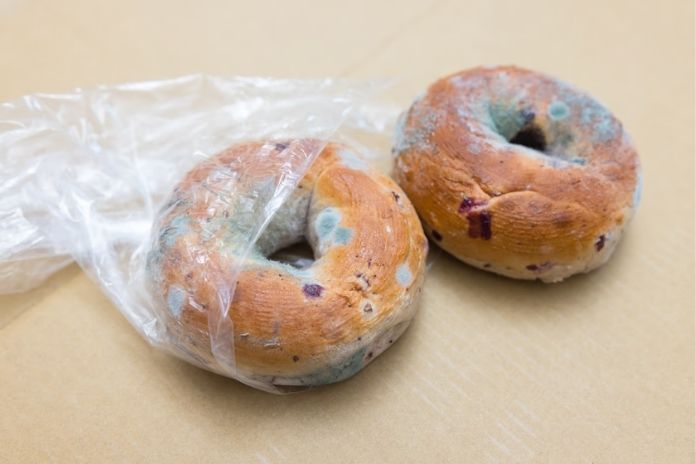
Aflatoxins are toxic compounds produced by Aspergillus molds that grow on grains, peanuts, corn, tree nuts, and rice when stored in warm, humid conditions. IARC classifies aflatoxins as Group 1 carcinogens, meaning there is sufficient evidence they cause liver cancer in humans. The FDA monitors US food supplies for aflatoxin contamination and sets action levels for crops like corn and peanuts.
Exposure is far more common in regions with limited food storage infrastructure, but the practical takeaway applies anywhere: discard visibly moldy food entirely. Cutting off the moldy portion is not enough. Toxins from dangerous molds often penetrate deep into the food and can be present well beyond the visible growth.
Probable Cancer Risk — Foods in the Group 2A Category
Red Meat
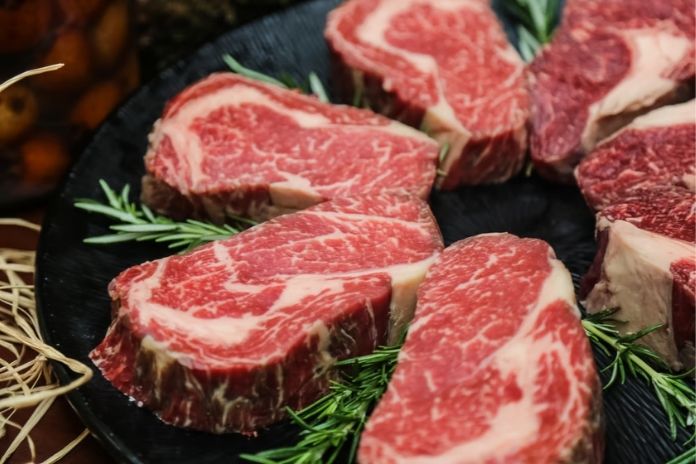
IARC classifies red meat as a Group 2A carcinogen, meaning it is “probably carcinogenic to humans.” In IARC’s framework, Group 2A reflects limited evidence in humans but sufficient evidence in experimental animals. Red meat includes beef, pork, lamb, and veal.
The strongest association is with colorectal cancer, though some studies also point to links with pancreatic and prostate cancer.
Heme iron, the compound that gives red meat its color, can trigger the formation of harmful N-nitroso compounds in the gut, which may damage the cells lining the colon.
On top of that, high-heat cooking methods like grilling, barbecuing, and pan-frying generate heterocyclic amines (HCAs) and polycyclic aromatic hydrocarbons (PAHs), both of which can cause DNA mutations. Cooking methods matter: lower-temperature approaches like steaming, boiling, or baking produce significantly fewer of these compounds.
The World Cancer Research Fund recommends limiting red meat to no more than three portions a week, or around 350–500 grams of cooked weight, roughly equivalent to a medium steak plus a few slices of roast beef.
Very Hot Beverages
IARC classifies very hot beverages consumed above 65°C (149°F) as Group 2A carcinogens because repeated exposure to extreme heat directly damages the cells lining the esophagus, raising the risk of esophageal squamous cell carcinoma over time.
This classification applies to temperature alone, not to coffee or tea themselves. At typical American drinking temperatures, coffee and tea do not fall into this category. Most people in the US and Western Europe consume hot beverages well below the 65°C threshold.
The risk is most relevant in regions where tea or maté is traditionally consumed at around 70°C or higher, including parts of South America, Iran, and East Africa.
The practical takeaway is simple: let your drink cool for a few minutes before sipping. Drinks that feel comfortably warm rather than scalding are well below the threshold that concerns researchers.
Read More: Think You’re Too Young for Cancer? 75% of Patients Thought So Too
Ultra-Processed Foods and Cancer—The Emerging Evidence
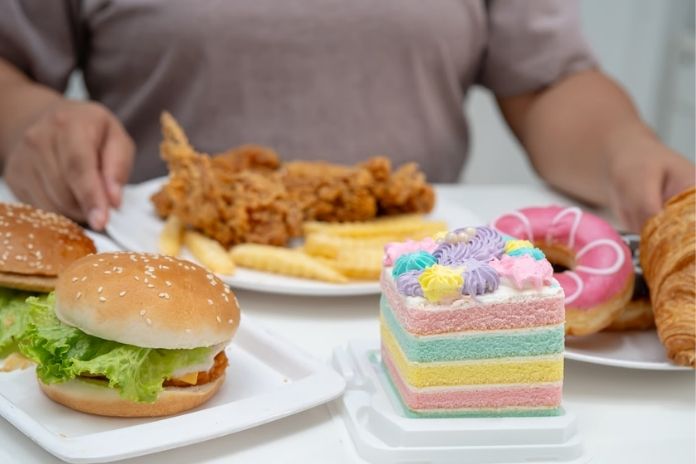
Research into ultra-processed foods and cancer risk has expanded significantly in recent years. Large observational studies consistently point to a meaningful association, though a direct causal relationship has not yet been proven.
A landmark 2018 BMJ study following more than 104,000 adults in the NutriNet-Santé cohort found that a 10% increase in ultra-processed food consumption was associated with a 12% higher overall cancer risk and an 11% higher breast cancer risk. A 2022 BMJ study of three large US cohorts confirmed a separate association between ultra-processed food intake and colorectal cancer risk, particularly in men.
Under the NOVA food classification system, ultra-processed foods are products made with extensive industrial processing and additives not typically used in home cooking — including emulsifiers, artificial flavors, colorings, and preservatives. Common examples include packaged snack foods, sugary cereals, instant meals, processed desserts, and soft drinks.
Several mechanisms likely drive the link. Ultra-processed foods tend to displace fiber-rich whole foods and push overall diet quality down. They also strongly promote weight gain — and obesity itself is independently linked to at least 13 cancer types, including colorectal, endometrial, liver, pancreatic, and postmenopausal breast cancer. Some additives and processing byproducts may also have direct effects on the gut microbiome and inflammatory pathways.
The evidence here is still observational. But the findings are consistent, large in scale, and coming from well-designed prospective cohorts.
Foods Where the Cancer Risk Is Often Overstated
Artificial Sweeteners
Online headlines regularly frame artificial sweeteners as cancer-causing, but the evidence is far more limited than those claims suggest.
In 2023, IARC classified aspartame as a Group 2B carcinogen, meaning “possibly carcinogenic to humans,” based on limited evidence for hepatocellular carcinoma, a type of liver cancer. That same day, the WHO and FAO’s Joint Expert Committee on Food Additives (JECFA) reaffirmed that aspartame is safe to consume within the established acceptable daily intake.
A person weighing 154 pounds would need to drink more than 9–14 cans of diet soda daily to reach that limit.
It helps to understand the distinction here. IARC’s classification reflects the strength of evidence that something can cause cancer, not the actual risk at the amounts people normally consume. JECFA’s assessment addresses that second question. On aspartame, those two conclusions pointed in opposite directions.
The FDA also disagrees with the IARC finding and continues to consider aspartame safe under good manufacturing practices.
The current evidence does not support the claim that artificial sweeteners as a category cause cancer. The concern is specific to aspartame, limited in its evidence base, and does not apply at normal consumption levels.
White Flour and Refined Carbohydrates
No major cancer authority classifies white flour or refined carbohydrates as carcinogens. Their connection to cancer is indirect. Diets high in refined carbohydrates can contribute to weight gain, obesity, and insulin resistance, all of which independently raise cancer risk.
That said, there is a legitimate and separate concern about starchy foods and high-heat cooking. Acrylamide, a compound that forms naturally when starchy foods like bread, crackers, chips, and french fries are cooked above about 250°F (120°C), is classified by IARC as a Group 2A probable carcinogen, based mainly on animal studies.
The important caveat: large epidemiological studies in humans have not found consistent evidence linking dietary acrylamide to cancer risk. The FDA recommends reducing acrylamide intake where possible as a precaution, but this is not the same as saying starchy foods cause cancer.
Acidifying the Body
Claims that soda or processed foods “acidify the body” and directly cause cancer are not scientifically accurate. The body maintains blood pH within a very narrow range (7.35–7.45) through the lungs and kidneys. Foods cannot meaningfully alter blood acidity in the way these claims suggest.
What diet can change is the pH of urine. But urine pH is simply the body clearing excess acids, not evidence that blood or tissues have become acidic. No credible cancer research organization supports the alkaline diet as a cancer prevention strategy.
Read More: No More Needles: How Liquid Biopsies Are Transforming Advanced Cancer Monitoring
What the Evidence Supports in Practice
Current cancer prevention guidance centers on overall dietary patterns, not the elimination of individual foods.
The World Cancer Research Fund’s Cancer Prevention Recommendations are the strongest evidence-based reference point for dietary cancer prevention. Their key guidance includes:
Maintaining a healthy body weight is one of the most important steps. Obesity is independently linked to at least 13 cancer types.
Building meals around vegetables, fruit, whole grains, and legumes raises fiber intake and supports a diet quality that large studies consistently associate with lower cancer risk.
Limiting red meat to 350–500 grams of cooked weight per week and eating as little processed meat as possible directly addresses the two strongest dietary cancer risk factors.
Limiting alcohol and avoiding visibly moldy foods address the other Group 1 carcinogens covered in this article.
One recommendation that often surprises people: the WCRF advises not using dietary supplements for cancer prevention. The evidence shows that nutrients from whole foods do not translate into equivalent protection from pills, and some high-dose supplements, particularly beta-carotene in smokers, can actually raise cancer risk. Meeting nutritional needs through food is the recommendation.
Cancer risk responds to consistent daily choices made over years, not to avoiding one ingredient or food. The cumulative weight of a well-constructed dietary pattern, not fear about individual items, is what the evidence actually supports.
Conclusion
Overall eating patterns drive dietary cancer risk far more than any single food does. The strongest evidence points to the same consistent actions: limiting processed meat, reducing alcohol, maintaining a healthy body weight, and building meals around fiber-rich plant foods.
No single item among the foods that may cause cancer will determine your outcome on its own, and no single food can guarantee protection either. What shapes long-term cancer risk is the cumulative weight of daily habits, repeated over years.
FAQs
Q. Does coffee cause or prevent cancer?
Current evidence does not support coffee as a cause of cancer at normal intake levels. In 2016, IARC reclassified coffee from Group 2B (possibly carcinogenic) to Group 3 (not classifiable as to carcinogenicity) after reviewing more than 1,000 studies, meaning the evidence doesn’t establish a link. Some studies suggest coffee may actually lower the risk of liver and endometrial cancers. The concern about coffee and cancer applies specifically to very hot beverages above 65°C (149°F), not to coffee itself at normal drinking temperatures.
Q. Is alcohol really linked to cancer?
Yes. Alcohol is one of the most consistently established dietary cancer risks. IARC classifies alcohol as a Group 1 carcinogen linked to at least seven cancer types: mouth, throat, larynx, esophagus, liver, colorectum, and breast. Risk increases in proportion to the amount consumed, and the World Health Organization states there is no safe level of alcohol for cancer risk. This applies equally to wine, beer, and spirits.
Q. Should I cut out red meat completely to reduce cancer risk?
Major cancer organizations do not recommend eliminating red meat. The World Cancer Research Fund advises limiting intake to no more than three portions a week, roughly 350–500 grams of cooked weight. Processed meat carries stronger evidence than unprocessed red meat itself. Cooking method also matters: high-heat grilling and barbecuing produce HCAs and PAHs, while lower-temperature methods like steaming, boiling, or baking generate significantly fewer of these compounds.
References
- WHO Q&A on Red and Processed Meat and Cancer World Health Organization. (n.d.). Cancer: Carcinogenicity of the consumption of red meat and processed meat. World Health Organization.
- WHO Aspartame Hazard and Risk Assessment Results World Health Organization. (2023, July 14). Aspartame hazard and risk assessment results released. World Health Organization.
- WCRF – Limit Red and Processed Meat World Cancer Research Fund International. (n.d.). Limit consumption of red and processed meat. World Cancer Research Fund International.
- WCRF – Cancer Prevention Recommendations World Cancer Research Fund International. (n.d.). Our Cancer Prevention Recommendations. World Cancer Research Fund International.
- WCRF – Do Not Use Supplements for Cancer Prevention World Cancer Research Fund International. (n.d.). Do not use supplements for cancer prevention. World Cancer Research Fund International.
- Fiolet et al. — Ultra-Processed Food and Cancer Risk (NutriNet-Santé Cohort) Fiolet, T., Srour, B., Sellem, L., Kesse-Guyot, E., Allès, B., Méjean, C., … Touvier, M. (2018). Consumption of ultra-processed foods and cancer risk: results from NutriNet-Santé prospective cohort. BMJ, 360, k322.
- Wang et al. — Ultra-Processed Foods and Colorectal Cancer Risk Wang, L., Du, M., Wang, K., Khandpur, N., Rossato, S. L., Drouin-Chartier, J.-P., … Zhang, F. F. (2022). Association of ultra-processed food consumption with colorectal cancer risk among men and women: results from three prospective US cohort studies. BMJ, 378, e068921.
- NCI – Alcohol and Cancer Risk Fact Sheet National Cancer Institute. (n.d.). Alcohol and cancer risk. U.S. National Institutes of Health.
- NCI – Acrylamide and Cancer Risk Fact Sheet National Cancer Institute. (n.d.). Acrylamide and cancer risk. U.S. National Institutes of Health.
- NCI – Obesity and Cancer Fact Sheet National Cancer Institute. (n.d.). Obesity and cancer. U.S. National Institutes of Health.
- FDA – Natural Toxins in Food (Mycotoxins and Aflatoxins) U.S. Food and Drug Administration. (n.d.). Mycotoxins.U.S. Food and Drug Administration.
- IARC Monographs Volume 116 – Coffee, Maté, and Very Hot Beverages International Agency for Research on Cancer. (2016, June 15). IARC Monographs evaluate drinking coffee, maté, and very hot beverages [Press release No. 244]. World Health Organization.
In this Article