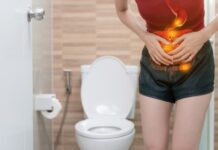


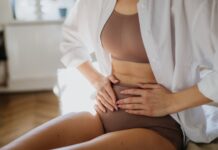
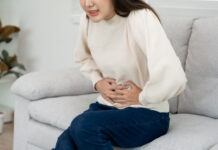














You zip up your jeans on a Monday with no problem. By Thursday, the same pair feels like a mild form of punishment. Nothing about your diet changed, and you didn’t overeat, but your stomach is distended and tender to the touch, and somehow your whole midsection looks a size larger. If that experience tracks, you’ve met period bloating.
Menstrual bloating is one of the most commonly reported premenstrual symptoms, affecting a substantial portion of people who menstruate. For most, it’s a temporary and predictable part of the cycle driven by normal hormonal shifts.
But for others, the bloating is severe enough to interfere with how they feel, move, and function, and occasionally it signals something beyond routine premenstrual syndrome. This article explains what causes period bloating, when it typically starts, how long it lasts, and what evidence-backed strategies can actually help reduce the discomfort.
- Rising estrogen causes water retention, while progesterone slows digestion, leading to fullness, gas, and abdominal swelling.
- Bloating usually begins 5–10 days before a period, peaks just before menstruation, and improves once bleeding starts.
- Drinking enough water, reducing sodium, staying active, and eating potassium- and magnesium-rich foods may ease symptoms.
- Persistent or extreme bloating may indicate conditions such as endometriosis, PCOS, or IBS and should be medically evaluated.
What Is Period Bloating?
Period bloating is the swelling, fullness, and abdominal distension that many people experience before or during their menstrual period. It is not fat gain or permanent weight change but a temporary response to hormonal fluctuations that affect fluid balance, digestion, and water retention.
Symptoms often include a feeling of pressure or fullness in the abdomen, a visibly swollen lower belly, waist tightness, tenderness, and temporary water-weight fluctuations. While some people notice only mild discomfort, others may find the bloating disruptive to daily activities.
Bloating typically begins during the luteal phase, about 5–10 days before a period starts, and often peaks in the day or two before bleeding begins. For most people, symptoms improve once menstruation starts, though mild bloating can continue during the first few days of the period.
Read More: 10 Ways Prevent To Stomach Bloating- Causes and Remedies
Why Does Period Bloating Happen?
Hormonal fluctuations after ovulation are the primary reason period bloating occurs. Rising estrogen and progesterone help prepare the body for a potential pregnancy, but they also affect fluid balance and digestive function.
Higher estrogen levels encourage the body to retain sodium and water, leading to temporary fluid buildup in tissues. Progesterone can slow gastrointestinal motility, allowing food and gas to move more slowly through the intestines and increasing feelings of bloating, fullness, and constipation.
Dr. Catherine Caponero, DO, notes that hormonal fluctuations during the menstrual cycle extend beyond the reproductive system and significantly affect digestive function. Changes in estrogen and progesterone can alter how food moves through the gastrointestinal tract, making bloating and other digestive symptoms more common in the days leading up to menstruation.
Water retention is one of the biggest contributors to menstrual bloating. Elevated estrogen prompts the kidneys to retain more sodium, which draws additional water into body tissues. This can cause temporary swelling in the abdomen, hands, feet, and face, along with short-term weight fluctuations.
Fortunately, this process is temporary. As hormone levels drop once menstruation begins, the body gradually releases the excess fluid, and bloating improves. Progesterone relaxes smooth muscle throughout the body, including the digestive tract. As digestion slows during the luteal phase, food and gas remain in the intestines longer, contributing to abdominal distension and discomfort.
A study examining colonic transit time across the menstrual cycle found that women in the luteal phase had significantly slower colonic transit than those in the follicular phase, suggesting that elevated progesterone levels may contribute to constipation, bloating, and delayed bowel movement before menstruation. Researchers noted that female sex hormones can influence colonic motility, with progesterone appearing to play a role in prolonging transit time.
Sensitivity to hormonal changes varies widely. Conditions such as IBS, endometriosis, and PCOS can make bloating more severe, while factors like diet, hydration, stress, gut health, and inflammation also influence symptom intensity from one cycle to the next.
Read More: Why Do I Feel Nauseous During My Period? Causes and Relief Tips
When Does Period Bloating Start and How Long Does It Last?
For most people, bloating begins during the luteal phase, typically 5–10 days before menstruation. As estrogen and progesterone rise, fluid retention and digestive changes become more noticeable, with symptoms often peaking in the final days before a period starts.
Bloating usually starts to improve once menstruation begins and hormone levels drop. However, prostaglandins released during this time can trigger cramping and digestive symptoms, causing some discomfort to persist during the first few days of bleeding.
Period bloating is generally considered normal when it appears before menstruation, peaks just before bleeding, and resolves within a few days of the period starting. Severe bloating, symptoms that persist throughout the cycle, or bloating accompanied by significant pain or bowel changes should be evaluated by a healthcare professional.
How to Reduce Period Bloating Fast
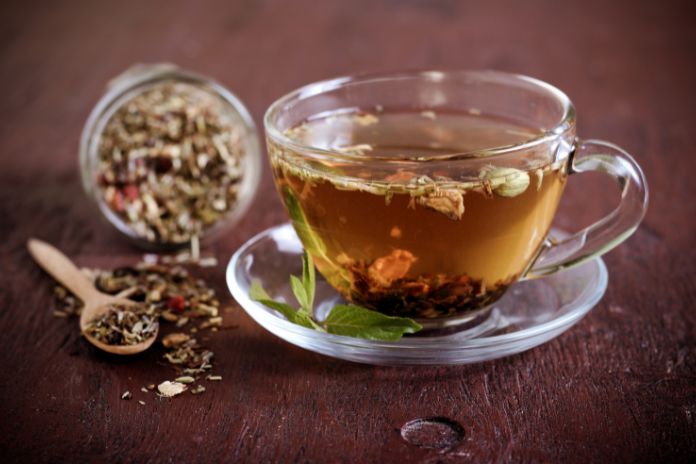
Drinking enough water can actually help reduce fluid retention. When the body senses dehydration, it tends to hold onto more water. Consistent hydration throughout the day encourages the kidneys to release excess fluid, while herbal teas such as peppermint or ginger may provide additional digestive comfort.
Sodium promotes water retention, making bloating more noticeable. Limiting processed foods, fast food, and other high-sodium options in the days before your period can help reduce fluid buildup without requiring major dietary restrictions.
Light to moderate exercise can ease bloating by improving circulation, supporting digestion, and reducing water retention. Activities such as walking, yoga, swimming, and cycling are particularly well tolerated during the premenstrual phase.
A systematic review published in the Journal of Education and Health Promotion found that regular exercise was associated with significant improvements in a range of PMS symptoms, including physical complaints such as bloating, breast tenderness, and cramps. The review concluded that consistent physical activity may be an effective non-pharmacological strategy for reducing premenstrual symptom severity.
Foods that are easy to digest and naturally hydrating, such as fruits and vegetables, may help reduce bloating. Eating balanced meals and temporarily limiting common gas-producing foods, including carbonated drinks, large amounts of cruciferous vegetables, beans, and certain artificial sweeteners, can also improve comfort.
Excess alcohol, carbonated beverages, and heavily processed foods can worsen bloating by increasing water retention, introducing excess gas into the digestive tract, or disrupting normal digestion. Limiting these triggers during the days leading up to your period may help reduce symptom severity.
Read More: Why Do I Feel Worse Before My Period This Month Than Usual?
Can Certain Foods Help With Period Bloating?
Potassium counteracts the water-retaining effect of sodium by encouraging the kidneys to excrete more sodium and, with it, excess fluid. Foods naturally high in potassium include bananas, sweet potatoes, avocados, leafy greens, and white beans. Increasing potassium-rich foods during the premenstrual phase is one of the more practical dietary strategies for managing hormonal bloating.
Magnesium has been studied for its role in reducing premenstrual symptoms, including bloating and cramping. It supports smooth muscle relaxation and may help regulate fluid balance. Dietary sources include nuts, seeds, dark leafy greens, legumes, and whole grains.
A randomized, placebo-controlled trial published in the Journal of Women’s Health found that magnesium supplementation significantly reduced premenstrual fluid-retention symptoms, including abdominal bloating, swelling, and breast tenderness. While the study used supplemental magnesium, magnesium-rich foods may offer a practical food-first approach for supporting overall menstrual health.
Dr. Ann F. Walker, PhD, a nutrition researcher and lead author of a randomized, placebo-controlled trial on magnesium supplementation for premenstrual symptoms, reported that magnesium supplementation significantly alleviated symptoms of fluid retention associated with PMS, supporting the role of magnesium in managing hormonally driven water retention.
A nutrient-dense, minimally processed diet that emphasizes vegetables, lean proteins, whole grains, and healthy fats provides the micronutrient foundation that supports hormonal regulation over time. No single food eliminates menstrual bloating, and dietary changes work best as part of a consistent pattern rather than a last-minute fix. Expectations should be realistic: food choices can reduce the severity of bloating but won’t eliminate it for most people.
Over-the-Counter and Medical Options for Period Bloating
NSAIDs such as ibuprofen and naproxen reduce prostaglandin production, helping relieve menstrual cramps and some digestive symptoms associated with menstruation. They tend to work best when taken at the first sign of symptoms and should always be used as directed.
Hormonal contraceptives can affect bloating differently depending on the formulation and individual response. Combined oral contraceptives may reduce hormone fluctuations and ease bloating for some people, while others may experience worsening symptoms. Any changes to hormonal contraception should be discussed with a healthcare provider.
For severe PMS or PMDD, prescription treatments may be appropriate. Options can include SSRIs, diuretics such as spironolactone for fluid retention, or GnRH agonists in more severe cases. Treatment should be guided by a healthcare professional based on individual symptoms and medical history.
Read More: 9 Best PMS Supplements That May Help with Mood Swings and Bloating
Common Mistakes That Can Make Period Bloating Worse
Skipping meals during the premenstrual phase often backfires. Irregular eating patterns can increase cortisol, disrupt blood sugar regulation, and lead to overeating later, all of which worsen digestive symptoms and bloating. Regular, balanced meals are more effective than restriction at keeping digestive function stable during this phase.
The days leading up to a period are exactly when cravings for salty, high-carbohydrate foods tend to spike. Giving in repeatedly to high-sodium processed foods amplifies the fluid retention that’s already being driven by estrogen. Being aware of this pattern allows for more deliberate choices without requiring complete deprivation.
Fatigue and discomfort during the premenstrual phase often reduce the motivation to exercise. But inactivity worsens fluid retention, reduces gastrointestinal motility, and can amplify the mood symptoms that accompany PMS. Even low-intensity movement like walking is more beneficial than rest for most people experiencing menstrual bloating.
There is no clinical evidence that detox teas, juice cleanses, or other marketed “cleansing” products reduce menstrual bloating. Many such products contain laxatives or diuretics that may cause short-term fluid loss but don’t address the hormonal mechanisms driving bloating and can cause gastrointestinal disruption. They carry potential risks without demonstrated benefits.
Read More: Breast Pain Before Period: What’s Normal and What’s Not
When Period Bloating May Signal Something More Than PMS
Endometriosis occurs when tissue similar to the uterine lining grows outside the uterus. A common symptom is “endo belly,” which refers to severe bloating, abdominal distension, and pain that often goes beyond typical PMS-related swelling.
People who experience significant bloating alongside severe menstrual cramps, pelvic pain, pain during sex, or cyclical bowel symptoms should consider evaluation for endometriosis, as the condition is often mistaken for severe PMS and can take years to diagnose.
Polycystic Ovary Syndrome (PCOS)
PCOS is a hormonal disorder involving elevated androgens and often insulin resistance, both of which can contribute to bloating and digestive discomfort. Because PCOS frequently causes irregular menstrual cycles, bloating may not follow the typical premenstrual pattern. If bloating is frequent or unpredictable and occurs alongside irregular periods, acne, or unexplained weight changes, a medical evaluation is recommended.
Irritable Bowel Syndrome (IBS)
IBS affects roughly twice as many women as men, and there is substantial overlap between IBS symptoms and premenstrual digestive complaints. Bloating, gas, diarrhea, constipation, and abdominal cramping are features of both. The key difference is that true menstrual bloating follows a cyclical pattern tied to the hormonal changes of the luteal phase, while IBS-related bloating can occur at any point in the cycle and often has identifiable food or stress triggers.
A review published in Frontiers in Endocrinology highlighted the bidirectional interaction between sex hormones and gut function, noting that estrogen and progesterone influence intestinal motility, gut permeability, and visceral sensitivity through the gut-brain axis. These hormonal fluctuations may help explain why many people with IBS experience symptom exacerbation during the perimenstrual phase.
Dr. Emeran Mayer, MD, PhD, Distinguished Research Professor of Medicine, Physiology, and Psychiatry at UCLA, has written that “recent studies suggest that in close interactions with its resident microbes, the gut can influence our basic emotions, our pain sensitivity, and our social interactions,” emphasizing the bidirectional communication between the gut and the brain that underlies disorders such as irritable bowel syndrome.
Ovarian and Pelvic Conditions
Persistent or worsening bloating that is not clearly tied to the menstrual cycle, particularly if accompanied by pelvic pressure, urinary frequency, or a sensation of abdominal fullness that doesn’t resolve with bowel movements, should be evaluated to rule out ovarian cysts or other pelvic pathology. These presentations are distinct from cyclical premenstrual bloating and require a different diagnostic approach.
Read More: Why Your Period Won’t Stop: 12 Common Causes and Solutions
When to See a Healthcare Professional
If period bloating is severe enough to interfere with work, physical activity, social functioning, or sleep, that degree of symptom burden warrants clinical evaluation. Significant premenstrual symptoms that affect quality of life are not something to simply endure; they are treatable, and a provider can help identify both the cause and the appropriate management.
Bloating that doesn’t follow the predictable pattern of the luteal phase, that is present throughout the cycle without significant resolution, or that is worsening over time should be evaluated. This pattern is less likely to be purely hormonal and may reflect an underlying gastrointestinal or gynecologic condition.
Unexplained weight loss, significant and persistent pelvic pain, changes in bowel habits that don’t resolve after menstruation, abnormal bleeding, or bloating that feels dramatically different from prior cycles all warrant prompt medical evaluation. These symptoms, especially in combination, fall outside the expected presentation of premenstrual bloating.
Key Takeaway
Period bloating affects a large proportion of people who menstruate, and for most, it represents a predictable, temporary consequence of the hormonal fluctuations that govern the menstrual cycle. Estrogen-driven fluid retention, progesterone-related changes in gastrointestinal motility, and prostaglandin activity combine to produce the swelling and discomfort that characterize the days before and during menstruation.
Practical strategies, including staying well hydrated, reducing sodium intake, maintaining physical activity, and favoring potassium and magnesium-rich foods, can meaningfully reduce the severity of menstrual bloating without requiring medication or drastic lifestyle changes.
For those whose bloating is severe, affects daily functioning, or doesn’t follow the expected cyclical pattern, medical evaluation is the right next step, because effective treatments exist and significant symptoms deserve attention. Period bloating is common. It is not, however, something everyone has to simply push through without support.
References
- Walker, A. F., De Souza, M. C., Vickers, M. F., Abeyasekera, S., Collins, M. L., & Trinca, L. A. (1998). Magnesium supplementation alleviates premenstrual symptoms of fluid retention. Journal of Women’s Health, 7(9), 1157–1165.
- Khalid, S., Singh, H., Sherif, A., & Jalali, R. (2024). The impact of exercise on premenstrual symptoms: A systematic review. Journal of Education and Health Promotion, 13, 91.
- Jung, H. K., Kim, D. Y., Moon, I. H., Lee, M. S., Shim, C. S., & Kim, E. J. (2003). Effects of gender and menstrual cycle on colonic transit time in healthy subjects. The Korean Journal of Internal Medicine, 18(3), 181–186.
- Caponero, C. (2023). Navigating digestive issues during menopause [Podcast episode]. Cleveland Clinic.
- Mayer, E. A. (2011). Gut feelings: The emerging biology of gut-brain communication. Nature Reviews Neuroscience, 12(8), 453–466.
- Rosenfeld, C. S. (2021). Gut dysbiosis in animals due to environmental chemical exposures. Frontiers in Endocrinology, 12, 684096.
- Mayo Clinic Staff. (n.d.). Water retention: Relieve this premenstrual symptom. Mayo Clinic.
- Walker, A. F., De Souza, M. C., Vickers, M. F., Abeyasekera, S., Collins, M. L., & Trinca, L. A. (1998). Magnesium supplementation alleviates premenstrual symptoms of fluid retention. Journal of Women’s Health, 7(9), 1157–1165.
In this Article