

















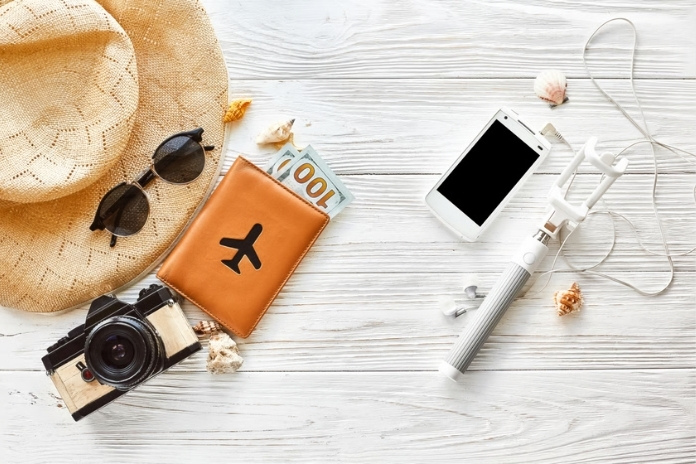
Travel can disrupt routines, meal schedules, sleep patterns, and physical activity levels, all of which can affect blood sugar management. Whether you’re taking a weekend road trip, a long-haul flight, or an international vacation, planning can help reduce stress and support safer diabetes management. With the right preparation, most people with diabetes can travel confidently and enjoy their trip.
In this article, we’ll cover how to prepare for travel with diabetes, manage blood sugar during flights and road trips, handle time zone changes, and stay prepared for emergencies. We’ll also share practical packing tips, meal planning strategies, and guidance for safer international travel.
- Traveling with diabetes is safe for most people when they plan and pack essential supplies.
- Changes in meals, sleep, activity, and time zones can affect blood sugar, so regular monitoring is important.
- Keeping medications, emergency snacks, and medical information easily accessible helps manage unexpected situations while traveling.
Read More: Can Intermittent Fasting Reverse Prediabetes? What the Evidence Shows in 2026
Can People With Diabetes Travel Safely?
Why Travel Requires Extra Planning
Travel often involves changes to daily routines that can influence blood sugar levels. Meals may occur at different times, physical activity may increase or decrease, and sleep schedules can shift significantly. Long travel days can also make it more difficult to follow usual medication and monitoring routines.
The Good News: Diabetes Doesn’t Have to Limit Travel
Having diabetes does not mean giving up travel opportunities. Planning allows travelers to maintain access to medications, monitoring supplies, and emergency treatments.
What to Do Before You Leave
Schedule a Pre-Travel Health Review if Necessary
A pre-travel health review may be helpful for individuals planning an extended trip or traveling internationally. This review can provide an opportunity to discuss medications, blood sugar targets, and any anticipated travel challenges.
Make Sure Prescriptions Are Up to Date
Before departure, check that all prescriptions have sufficient refills. Running out of medication while away from home can create unnecessary stress and potential health risks. Carrying copies of prescriptions may also be useful, particularly during longer trips or international travel.
Research Your Destination
Understanding your destination can help you prepare more effectively. Consider factors such as food availability, access to pharmacies, and the location of nearby medical facilities. Climate is another important consideration. Very hot or very cold conditions may affect medication storage and overall diabetes management.
Consider Travel Insurance
Travel insurance may provide added protection for some travelers, especially during international trips. Before purchasing a policy, review coverage details carefully. Understanding what is covered can help avoid surprises if medical care becomes necessary during travel.
The Ultimate Diabetes Travel Packing Checklist
Essential Medications
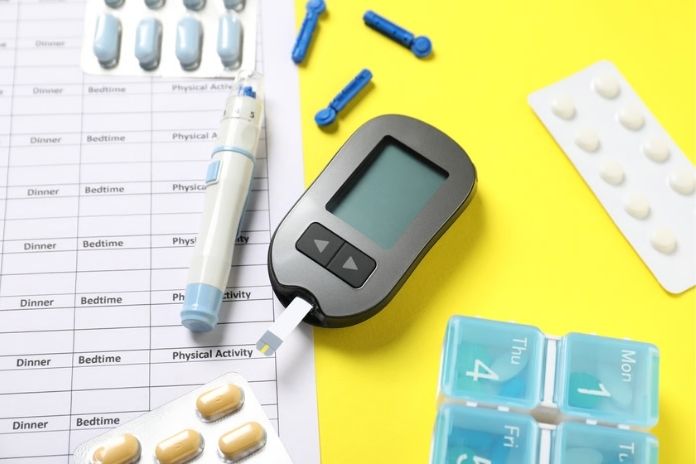
Pack all prescribed diabetes medications, including insulin, oral medications, and any other treatments recommended by your healthcare provider. It is generally wise to keep medications organized and easily accessible throughout the trip.
Blood Sugar Monitoring Supplies
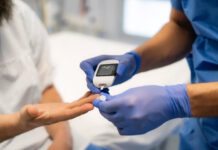
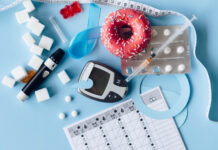
Bring all necessary monitoring equipment, including:
- Blood glucose meter
- Test strips
- Lancets
- Continuous glucose monitor (CGM) supplies, if used
Travel can affect blood sugar in unpredictable ways, making regular monitoring particularly important.
Emergency Hypoglycemia Supplies
Always carry supplies that can help treat low blood sugar quickly. Examples include fast-acting carbohydrates and glucagon if it has been prescribed by your healthcare provider.
Medical Documentation and Identification
Important items may include:
- Medical identification bracelet or card
- Current medication list
- Emergency contact information
Having this information readily available can be valuable during an emergency.
Why Packing Extra Supplies Matters
Travel delays, lost luggage, and unexpected schedule changes can occur even with careful planning. Packing extra medication and monitoring supplies can help ensure that you remain prepared if your trip does not go exactly as expected.
Read More: Diabetes and Pregnancy: Managing Type 1 and Type 2 Before and During Pregnancy
How to Manage Diabetes During Air Travel
Keep Diabetes Supplies in Your Carry-On Bag
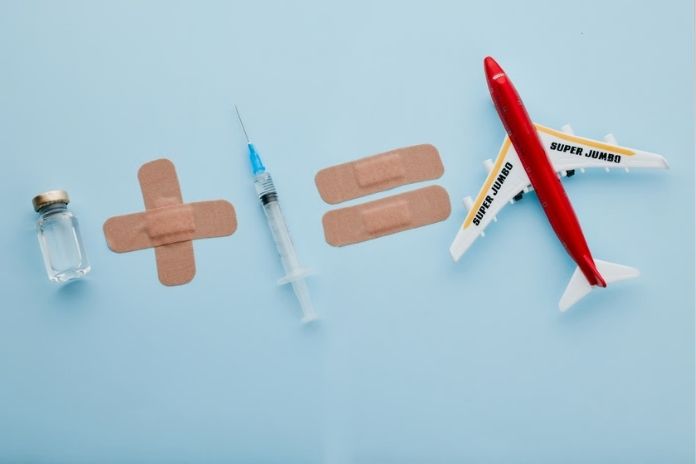
Essential diabetes supplies should remain with you during air travel. Checked luggage can be delayed, lost, or exposed to conditions that may not be suitable for medications. Keeping supplies in a carry-on bag helps maintain access throughout the journey.
Understanding Airport Security With Diabetes Devices
Many travelers use insulin pumps, CGMs, or other diabetes-related devices. Airport security procedures may involve screening these devices and medications.
Staying Hydrated During Flights
Air travel can contribute to dehydration, particularly during longer flights. Maintaining adequate hydration supports overall health and may help with blood sugar management during travel.
Monitoring Blood Sugar More Frequently
Travel days often involve unusual schedules, altered meal timing, and increased stress. Checking blood sugar more frequently can help identify changes early and support timely management decisions.
Managing Blood Sugar During Long Road Trips
Avoid Sitting for Too Long
Long periods of sitting may affect circulation and reduce physical activity. Taking regular movement breaks during road trips can support overall health and may help with blood sugar management.
Plan Meal and Snack Stops
Skipping meals can increase the risk of blood sugar fluctuations. Planning meal and snack stops ahead of time may help maintain more consistent eating patterns throughout the trip.
Store Medications Safely in the Car
Vehicles can become extremely hot or cold, depending on weather conditions. Diabetes medications should be stored according to instructions and protected from temperature extremes whenever possible.
Be Prepared for Delays
Traffic, weather conditions, and unexpected detours can alter travel schedules. Keeping snacks, water, medications, and monitoring supplies readily available can help reduce the impact of unexpected delays.
How Time Zone Changes Can Affect Diabetes Management

Why Crossing Time Zones Matters
Crossing time zones can affect medication schedules, meal timing, and sleep patterns. These changes may influence blood sugar levels and require additional attention during the adjustment period.
Considerations for People Using Insulin
Time zone changes may be particularly important for people who use insulin. Because insulin schedules can vary significantly between individuals, personalized guidance from a healthcare professional may be especially valuable before major international travel.
Monitoring During Adjustment Periods
Frequent blood sugar monitoring can help identify patterns and changes as your body adjusts to a new schedule. Careful tracking may support safer diabetes management during travel transitions.
Eating Well While Traveling With Diabetes
Plan Without Overly Restricting Yourself
Travel is often associated with new foods and experiences. Planning can help support blood sugar management while still allowing flexibility and enjoyment during the trip.
Smart Snack Options for Travel
Smart snack choices can help prevent long periods without food. Many travelers find it helpful to carry diabetes-friendly snacks that are easy to access during flights, road trips, and sightseeing activities.
Navigating Restaurant Meals
Restaurant dining can present challenges when portion sizes and ingredients are unfamiliar.
Paying attention to portions and understanding which foods contain carbohydrates may help support informed meal choices.
Staying Consistent When Possible
While travel often requires flexibility, maintaining some consistency in meal timing can help support blood sugar management. Even small efforts to preserve routine may make travel easier to manage.
Managing Low Blood Sugar While Traveling
Signs of Hypoglycemia to Watch For
Common symptoms of hypoglycemia may include shakiness, sweating, dizziness, confusion, and sudden hunger. Travel-related factors such as delayed meals, increased activity, or schedule disruptions may increase the risk of low blood sugar for some individuals.
Always Carry Fast-Acting Carbohydrates
Fast-acting carbohydrates should remain easily accessible throughout the trip. Being prepared allows prompt treatment if symptoms of low blood sugar occur.
What Travel Companions Should Know
Travel companions can play an important role in emergencies. They should understand how to recognize signs of low blood sugar and know when medical assistance may be necessary.
Preventing High Blood Sugar During Trips
Common Travel Triggers
Several travel-related factors may contribute to elevated blood sugar levels, including:
- Stress
- Illness
- Irregular eating patterns
- Reduced physical activity
Recognizing these potential triggers can support better preparation.
Monitoring and Responding to Elevated Readings
Regular monitoring can help identify high blood sugar levels early. If elevated readings occur, follow your personalized diabetes management plan and any instructions provided by your healthcare professional.
The Importance of Hydration
Adequate hydration supports overall health during travel. Maintaining fluid intake may also be helpful when managing elevated blood sugar levels.
Special Considerations for International Travel
Carry Important Medical Information
Important medical information should remain accessible throughout the trip. This may include medication names, treatment details, and emergency contact information.
Understand Local Healthcare Access
Before traveling internationally, identify nearby pharmacies and medical facilities at your destination. Knowing where to seek help can provide additional peace of mind.
Prepare for Language Barriers
Language differences can complicate medical communication. Translation tools and key medical phrases may be useful when seeking assistance abroad.
Food and Water Safety Considerations
Travel-related illness can complicate diabetes management. Paying attention to food and water safety practices may help reduce the risk of gastrointestinal illness during international travel.
When to Seek Medical Help While Traveling
Severe Hypoglycemia
Severe hypoglycemia requires prompt attention. Seek urgent medical care if symptoms become severe or if an individual is unable to safely manage the situation.
Persistent High Blood Sugar
Persistently elevated blood sugar readings may require medical evaluation, particularly if they do not improve with usual management strategies.
Illness, Vomiting, or Dehydration
Illness can make diabetes management more challenging. Medical attention may be necessary if vomiting, dehydration, or an inability to keep fluids down occurs.
Symptoms of Diabetic Ketoacidosis (DKA)
Symptoms of DKA may include nausea, vomiting, abdominal pain, excessive thirst, frequent urination, and difficulty breathing. Prompt medical evaluation is important if these warning signs develop.
Frequently Asked Questions About Traveling With Diabetes
Q. Can I Fly With Insulin and Diabetes Supplies?
A. Yes. People with diabetes can travel by air with insulin, monitoring equipment, and other necessary supplies.
Q. How Much Extra Medication Should I Bring?
A. Bringing extra medication and supplies can help prepare for delays, lost luggage, or unexpected changes in travel plans.
Q. Do Time Zone Changes Affect Blood Sugar?
A. Yes. Changes in time zones can affect medication schedules, eating patterns, and sleep, all of which may influence blood sugar management.
Q. What Snacks Are Good for Travel?
A. Portable, diabetes-friendly snacks that are easy to carry and access during travel are often helpful for maintaining routine and preparing for delays.
Q. How Should Insulin Be Stored During a Trip?
A. Insulin should be stored according to manufacturer recommendations and protected from extreme temperatures during travel.
Q. Is Travel Insurance Important for People With Diabetes?
A. Travel insurance may be beneficial for some travelers, particularly during international trips where access to healthcare could be more complicated.
Read More: Diabetes in the Elderly: Unique Challenges, Medication Risks, and Care Goals
The Takeaway: Preparation Makes Diabetes-Friendly Travel Easier
Most people with diabetes can travel safely with thoughtful planning and appropriate supplies. Maintaining access to medications, monitoring blood sugar regularly, and preparing for delays can help reduce travel-related challenges.
Long trips may require adjustments to routines, but flexibility and preparation can make those changes easier to manage. Understanding how to recognize and respond to high or low blood sugar can help travelers feel more confident wherever their journey takes them.
References
- American Diabetes Association. (n.d.). What can I bring with me on a plane?
- Endocrine Society. (n.d.). Severe hypoglycemia. Endocrine Library.
- Healing Hands for Diabetes. (n.d.). Managing diabetes during the holidays: A healthy, happy survival guide.
- King, B. R., Goss, P. W., Paterson, M. A., Crock, P. A., & Anderson, D. G. (2009). Have insulin, will fly: Diabetes management during air travel and time zone adjustment strategies. Diabetes Care, 32(7), e88.
- Prasad-Reddy, L., & Isaacs, D. (2021). Role of newer therapies in hypoglycemia prevention and management. Clinical Diabetes, 39(1), 62–72.
In this Article