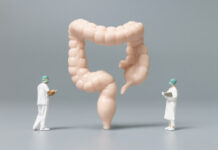

















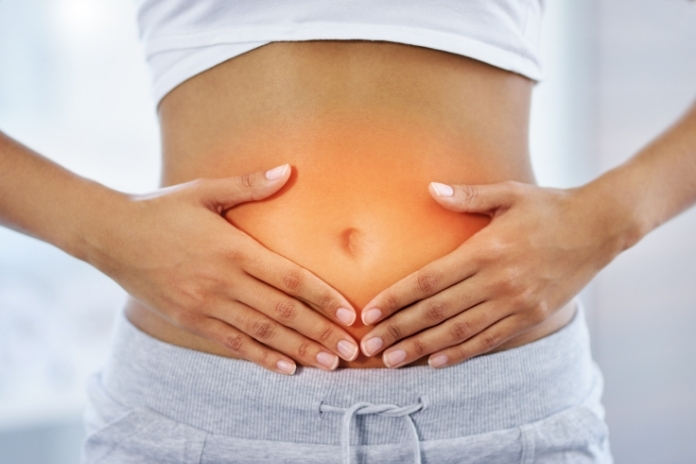
Gut health is one of the most talked-about topics in wellness right now, but a lot of what you find online oversimplifies it or misses the point. Many people search for the perfect gut health diet, expecting a quick fix, but digestion doesn’t work that way.
Your gut is shaped by what you eat, how well you sleep, how much stress you carry, the medications you take, and the balance of your gut microbiome. No single food or supplement will transform your digestive system overnight. What moves the needle is a consistent pattern of eating that supports your gut bacteria over time.
- Eat more fiber-rich, plant-based foods to support gut bacteria.
- Limit processed foods, artificial sweeteners, and excess fried items.
- Prioritize sleep, manage stress, and stay active for better digestion.
Read More: Gut Health for Night Shift Workers: How to Protect Digestion When Your Schedule Is Reversed
What Does “Gut Health” Actually Mean?
Your gut refers to your entire gastrointestinal (GI) tract, from your mouth to your intestines. It does far more than process food. Your digestive system absorbs nutrients, supports immune function, produces hormones, and communicates directly with your brain. Inside it lives a vast community of trillions of bacteria, fungi, and other microorganisms, collectively known as the gut microbiome.
These microbes break down dietary fiber, produce vitamins, train your immune system, and protect against harmful bacteria. Research increasingly links gut microbiome imbalances (a state called dysbiosis) to digestive disorders, metabolic disease, and mood disturbances.
The microbiome responds to your habits. What you eat, how active you are, your stress levels, sleep quality, and even the medications you take all shape it. Common signs it may be struggling include persistent bloating, irregular bowel habits, frequent gas, and abdominal discomfort after eating.
Foods That Support a Healthier Gut
A gut health diet doesn’t require exotic ingredients. The following foods are the best-studied, most accessible ways to feed your gut bacteria and support your digestive system.
Fiber-Rich Fruits, Vegetables, and Legumes
Fruits and vegetables are the foundation of any gut-friendly eating pattern. They provide soluble fiber, which dissolves in water and slows digestion, and insoluble fiber, which adds bulk to stool and keeps things moving. Variety matters: different plant fibers feed different bacteria, so a wider range of produce means a more diverse gut microbiome.
Apples are rich in pectin, a soluble fiber that feeds beneficial bacteria. Leafy greens like spinach and kale deliver fiber and magnesium to support digestive muscle contractions. Bananas are gentle, easy to digest, and soothing when your stomach is off.
Beans, lentils, and chickpeas are among the most gut-friendly foods available. High in both fiber and resistant starch, they fuel gut bacteria and support microbial diversity. They’re also a solid plant-based protein alternative to high-fat animal proteins that can be harder on digestion.
Whole Grains and Resistant Starches
Whole grains like oats, brown rice, and whole wheat bread bulk up stool, feed gut bacteria, and help prevent constipation. They also contain resistant starch, a carbohydrate that passes through the small intestine undigested and becomes fuel for colon microbes, stimulating the production of short-chain fatty acids that protect intestinal health.
Look for labels that say “100% whole grain” rather than “multigrain” or “enriched.”
Fermented Foods That Contain Beneficial Bacteria
Research has shown that naturally fermented foods support gut health by introducing live beneficial bacteria into your digestive system. Kimchi, sauerkraut, miso, pickles, yogurt, and kefir all qualify. Look for “naturally fermented” or “live and active cultures” on the label.
Kefir typically contains more diverse bacterial strains than yogurt, making it one of the more potent probiotic food sources available. Kombucha is another option, but watch the sugar content on commercial versions.
Healthy Fats
Healthy fats support intestinal health, too. Extra virgin olive oil contains polyphenols that act as anti-inflammatory foods for the gut, feeding beneficial bacteria and reducing inflammation markers. Nuts and seeds, including walnuts, almonds, chia seeds, and flaxseeds, add fiber and plant compounds that contribute to microbial diversity.
These foods together form what researchers consider the gold standard gut microbiome diet: a Mediterranean-style pattern built around plants, whole grains, legumes, and healthy oils.
What Are Prebiotics and Probiotics?
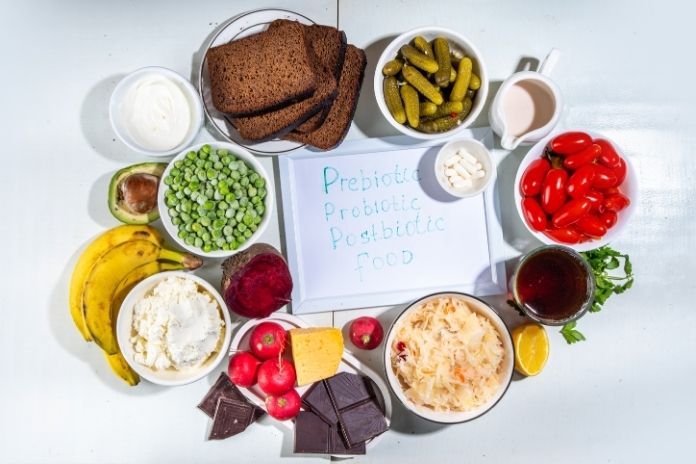
Prebiotics are forms of dietary fiber your stomach can’t break down. They reach the colon intact, where gut bacteria ferment them and produce short-chain fatty acids that nourish intestinal cells and regulate inflammation. Think of them as fertilizer for your microbiome. Good prebiotic sources include artichokes, asparagus, garlic, onions, leeks, bananas, chia seeds, beans, chickpeas, and whole grains.
Probiotics are the live bacteria themselves, found in fermented foods and supplements. Their benefits vary by strain, dose, and individual. For healthy people with no specific digestive issues, supplements are unlikely to produce measurable results.
Research does support their use after antibiotics, for some IBS symptoms, and for certain gut infections. For most people, getting probiotics through fermented foods is preferable to supplements, which don’t replace a gut-friendly diet.
Read More: Beyond Yogurt: 5 Fermented Foods That Support Gut Health on a Dairy-Free Diet
Foods and Habits That May Disrupt Gut Health
Certain foods can throw off your gut microbiome, increase intestinal inflammation, and compromise the gut lining, sometimes called “leaky gut.”
Processed foods like packaged snacks, frozen meals, and fast food are low in fiber and high in preservatives and emulsifiers that disrupt beneficial bacteria over time. Chronic or heavy alcohol consumption increases intestinal permeability and reduces microbial diversity. Sugary beverages feed less beneficial bacterial strains and promote bloating.
Sweeteners like sucralose and saccharin may reduce microbial diversity and worsen gas and bloating in sensitive individuals. Fried foods slow digestion and can promote harmful bacterial overgrowth. Processed meats are low in fiber, high in saturated fat, and linked to reduced gut microbiome diversity when eaten regularly.
Dairy isn’t a problem for everyone, but lactose-intolerant individuals often experience gas, cramping, and bloating. How you eat also matters: large irregular meals and skipping then overeating disrupts the digestive rhythm and affects bacterial composition. And despite their popularity, extreme “gut cleanse” protocols often reduce microbial diversity by eliminating the food variety your gut bacteria need to thrive.
How Lifestyle Habits Affect Digestion

Your diet sets the foundation, but lifestyle shapes the outcome.
Stress and the Gut-Brain Connection
Your gut and brain communicate constantly through a two-way network of nerves and hormones. When stress triggers the fight-or-flight response, cortisol slows digestion, alters gut motility, and disrupts bacterial balance.
Chronic stress is linked to IBS, increased intestinal permeability, and reduced microbiome diversity. Deep breathing, meditation, regular exercise, and consistent meal timing all help calm the nervous system and support better digestion.
Sleep and Physical Activity
Sleep deprivation disrupts the gut microbiome, reduces microbial diversity, and elevates cortisol, which further impairs digestion overnight. Aim for seven to nine hours. Regular exercise also matters: physical activity enhances GI motility, increases short-chain fatty acid production, and consistently produces greater microbiome diversity in active individuals compared to sedentary ones.
A 30-minute walk after dinner is enough to support digestion and bowel regularity.
Antibiotics and Medications
Antibiotics are one of the most significant gut microbiome disruptors. Even a short course can reduce microbial diversity for weeks to months. Other medications, including proton pump inhibitors and NSAIDs, can also alter the microbiome. After antibiotics, focusing on fiber-rich and fermented foods supports recovery.
Read More: 6 Fermented Drinks You Should Drink for Gut Health (Backed by Evidence)
Can Diet Help With Common Digestive Symptoms?
Bloating and gas are often triggered by specific foods: beans, carbonated drinks, cruciferous vegetables, dairy in lactose-intolerant individuals, and artificial sweeteners. A simple food diary helps identify personal triggers without cutting out nutritious foods unnecessarily.
Constipation typically responds well to gradually increasing dietary fiber, drinking more water, and staying active. For frequent loose stools, a structured elimination and reintroduction diet, guided by a dietitian, is the most reliable way to identify trigger foods.
Keep in mind that gut symptoms rarely have a single explanation. IBS affects an estimated 10-15% of American adults and involves complex interactions between gut sensitivity, microbiome composition, and the gut-brain axis. Persistent or worsening symptoms warrant medical evaluation, not just dietary adjustments.
Popular Gut Health Trends — What’s Supported by Evidence?
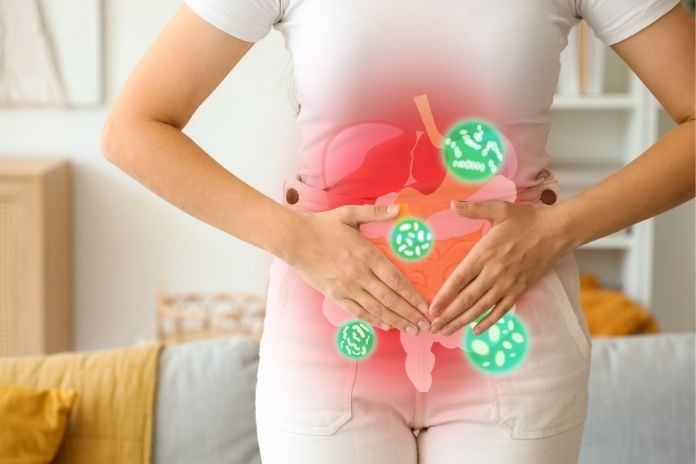
Most gut health fads don’t hold up to scrutiny. Detox products and juice cleanses have no peer-reviewed support and can disrupt the microbiome or cause dehydration when overused. Apple cider vinegar has limited clinical evidence for meaningful gut benefits. Bone broth and collagen supplements are marketed as gut-healing, but the evidence remains inconclusive. Probiotic supplements offer little benefit to healthy people without a specific reason to use them.
What science consistently supports is simpler: a diverse, fiber-rich diet built around plant foods, with fermented foods included regularly and processed foods limited. Some gut health fads cycle back every year, but sustainable eating habits outperform every trend. Variety is the strategy and microbial diversity is the goal.
How to Improve Gut Health Without Overcomplicating It
The most effective approach to improving gut health naturally is consistent, gradual change. Increase fiber slowly rather than all at once, to give your gut bacteria time to adjust without triggering bloating. Aim to eat 30 or more different plant foods per week, including herbs, spices, nuts, and seeds, since greater variety directly translates to greater microbiome diversity. Stay consistently hydrated, since fiber needs water to do its job. And avoid all-or-nothing thinking. A gut health diet that’s sustainable over years beats any strict protocol you abandon after three weeks.
When Digestive Symptoms Need Medical Attention
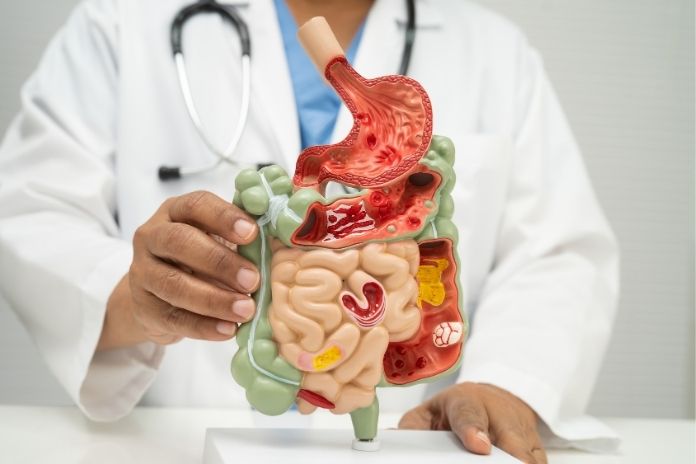
Diet changes can do a lot, but they can’t address everything. Seek medical advice if you experience any of the following:
- Chronic abdominal pain or discomfort
- Blood in your stool
- Unexplained weight loss
- Symptoms that persist or worsen despite dietary adjustments
- New or sudden changes in bowel habits, especially after age 50
These can be signs of conditions such as inflammatory bowel disease, celiac disease, or colorectal cancer, all of which require professional assessment and treatment, not dietary workarounds.
Read More: Best Probiotics for Gut Health: Strains That Actually Work and How to Choose
Gut Health Is About Long-Term Eating Patterns, Not Quick Fixes
Maintaining a healthy gut comes down to consistency, not perfection. A well-designed gut health diet built around plant foods, dietary fiber, fermented foods, and gut-friendly fats supports long-term intestinal health in ways no supplement can replicate.
Equally important is what you limit: processed foods, excess alcohol, artificial sweeteners, and all-or-nothing dieting cycles that stress the gut rather than support it. Real improvement happens when you shift your habits gradually and commit to routines you can sustain.
When persistent symptoms arise, that’s when it’s time to go beyond diet and get proper medical guidance.
References
- Teresa Saenz. (June 3, 2025). Gut health explained: What’s worth following and what’s just hype?
- Prof. Maria Marco PhD. (July 18, 2023). What does “gut health” mean?
- Amy Quinton. (February 18, 2026). What is Gut Health?
- Mayo Clinic. (April 25, 2025). Nutrition and healthy eating.
- Digestive Institute AZ. (2025, July 11). Worst foods for gut health: What to eat instead?
- Northeast Digestive. (2026, January 15). How diet and lifestyle affect digestive health.
- GI Partners of Illinois. (July 4). The role of diet in preventing digestive health issues.
- de Vos WM, et al. Gut microbiome and health: mechanistic insights. Gut. 2022;71(5):1020-1032.
- NIH Office of Dietary Supplements. Probiotics: Health Professional Fact Sheet.
- Dahl WJ, et al. Effects of Dietary Fibers on Short-Chain Fatty Acids and Gut Microbiota Composition in Healthy Adults. Nutrients. 2022;14(13):2559.
- Zheng P, et al. Sleep Deprivation and Gut Microbiota Dysbiosis: Current Understandings and Implications. Int J Mol Sci. 2023;24(11):9603.
- Cullen JMA, et al. A systematic review on the effects of exercise on gut microbial diversity. Front Physiol. 2023;14:1292673.
- Kanna M, et al. Antibiotic-induced changes in the human gut microbiota. BMJ Open. 2020;10(9):e035677.
- Zhu Z, et al. Alcohol, the gut microbiome, and liver disease. Hepatology. 2024.
- Barber C, et al. Synthetic vs. non-synthetic sweeteners: their differential effects on gut microbiome diversity. Front Microbiol. 2025.
- Llorente C, et al. Exploring the Impact of Olive-Derived Bioactive Components on Gut Microbiota. Foods. 2025;14(14):2413.
- Foster JA, et al. Stress, depression, diet, and the gut microbiota. Curr Opin Behav Sci. 2020;28:105-112.
In this Article