




















It’s very common for people working night or rotational shifts to experience bloating, constipation, heartburn, and food intolerances; it’s not a personal shortcoming.
The human body functions according to a circadian rhythm, where your digestive system works during the day. When you eat, sleep, and remain active at odd times, it is bound to disrupt the functioning of your gut. The imbalance may also result in changes in your gut microbiota and inflammatory reactions that further aggravate digestive troubles.
Maintaining a healthy gut for night shift workers requires adherence to simple yet effective measures like eating light and easily digestible foods when working night shifts. Avoiding rich, fatty, and spicy foods will help minimize acidity. Additionally, you need to eat at regular intervals instead of snacking all the time.
Make sure that you drink sufficient water, but avoid drinking coffee towards the latter part of your shift because it might cause digestive trouble. It is better to have your major meals during the daytime and develop a proper sleep pattern.
- Night shift schedules disrupt your body’s natural rhythm, leading to common digestive issues such as bloating, reflux, and irregular bowel movements. These are expected, not personal failings.
- Smart eating habits matter most: choose light meals during shifts, avoid heavy or greasy foods at night, space meals properly, and maintain consistent meal timing to support digestion.
- Consistency in routine, sleep, hydration, movement, and eating patterns (even on days off) is key to improving gut health and reducing long-term digestive problems.
Why Night Shift Work Disrupts Gut Health

Night shift work challenges your body’s natural timing, often leading to digestive discomfort. Understanding how circadian rhythm disruption affects gut health during night shift can help prevent long-term digestive problems.
The gut’s internal clock and circadian rhythm
Your gut follows a natural circadian rhythm that controls digestion, enzyme activity, and gut bacteria balance. When you work at night, this internal clock becomes misaligned. This disruption affects gut health during the night shift by altering how your digestive system functions.
Over time, this imbalance can trigger inflammation and increase the risk of ongoing digestive problems, especially on the night shift, as your body struggles to maintain a stable routine.
Associate Professor Jessica Biesiekierski, University of Melbourne, said that human biology is tuned to a day–night cycle. Overnight, our digestion naturally slows; hormones and gut motility – the muscular contractions that move food through the body – follow a circadian rhythm.
Mismatch between eating time and digestive readiness
Your body is designed to digest food efficiently during the day, not at night. Eating during night shifts creates a mismatch between your circadian rhythm and your digestive readiness. This can lead to poor digestion, bloating, and discomfort.
Regularly eating at the “wrong” time is a major contributor to digestive problems on the night shift and may also increase the likelihood of conditions like irritable bowel syndrome over time.
Impact on gut motility, enzyme release, and microbiome balance
Circadian rhythm disruption affects how food moves through your gut and how digestive enzymes are released. This can slow down digestion or cause irregularity.
It also impacts gut bacteria, which are essential for gut health during the night shift. When this balance is disturbed, it can result in constipation, diarrhea, and abdominal pain—common digestive problems night shift workers experience.
Read More: The Night Shift Survival Guide: A Chrononutrition Blueprint for Healthcare & Security Workers
Common Gut Problems Reported by Night Shift Employees

Night shift work disrupts your circadian rhythm, affecting digestion and leading to frequent gastrointestinal symptoms. Poor meal timing and irregular routines often worsen gut health during the night shift and contribute to ongoing digestive problems.
Bloating and gas
Irregular meal timing can slow digestion, especially when meals are eaten at times your body is not prepared for. Food may not break down properly, leading to gas buildup and bloating. These gastrointestinal symptoms are commonly reported by those struggling with gut health on the night shift.
Constipation or irregular stools
Your bowel movements follow a natural circadian rhythm, which gets disrupted during night shifts. Poor meal timing and sleep patterns can make stools irregular, causing constipation or unpredictable bowel habits. These night-shift digestive problems are often persistent if routines remain inconsistent.
Acid reflux and indigestion
Eating late at night, particularly heavy or spicy foods, increases the risk of acid reflux. Since digestion slows down at night, food stays longer in the stomach, causing discomfort. These gastrointestinal symptoms are more frequent in those with poor meal timing and disrupted gut health and night shift patterns.
Appetite loss or late-night cravings
Circadian rhythm disruption affects hunger hormones, leading to reduced appetite during shifts or intense cravings at night. Irregular meal timing can further disturb gut health on night shifts and worsen digestive problems.
Food intolerance that wasn’t present before
Changes in digestion and gut bacteria may lead to new food sensitivities. Over time, disrupted meal timing and recurring gastrointestinal symptoms can make your body react differently to certain foods, highlighting deeper gut health night shift concerns.
Read More: Does Eating After 8 PM Cause Weight Gain? What Science Really Says About Late-Night Eating
How Meal Timing Affects Digestion on the Night Shift
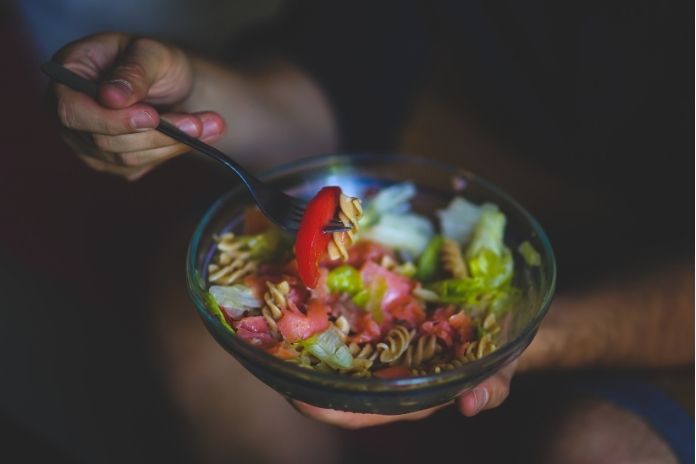
Meal timing plays a major role in digestion, especially when your body’s natural internal clock is disrupted. Poor night shift eating habits can worsen gut health, trigger night shift gut issues, and even contribute to conditions like shift work disorder.
Why eating large meals at night is harder to digest
Your body is naturally designed to digest food during the day and rest at night. Eating large meals during night shifts goes against this natural pattern, making digestion slower and less efficient. This is why night shift gut issues like bloating and heaviness are common.
Poor night shift eating habits, such as consuming heavy or high-fat meals at odd hours, can further strain digestion and worsen gut health over time.
Insulin sensitivity changes overnight
Insulin sensitivity follows a daily pattern and is lower at night. This means your body finds it harder to manage blood sugar when you eat during night shifts.
As a result, food is processed less efficiently, increasing the risk of metabolic imbalance, night-shift gut issues, and digestive problems. These effects are often seen in individuals experiencing shift work disorder, where disrupted body timing affects multiple systems.
How irregular eating worsens gut symptoms
Irregular night shift eating habits can confuse your digestive system. When meal timing constantly changes, your gut struggles to maintain a stable routine for digestion and bowel movements.
This disruption can lead to persistent night shift gut issues such as bloating, irregular stools, and discomfort. Over time, inconsistent routines may also worsen shift work disorder and negatively impact overall gut health on the night shift.
Read More: Does Eating Late at Night Cause Weight Gain? Myth vs Reality
Best Eating Pattern for Gut Health During Night Shifts

Maintaining the right eating pattern is key to reducing digestive discomfort during night shifts. Irregular routines and poor meal timing can disrupt the gut microbiome and negatively affect gut health for night shift workers, leading to long-term digestive issues.
Light meals during the shift vs heavy meals before/after
Eating a heavy meal during your shift can be hard to digest because your body is less efficient at processing food at night. It’s better to have your main, balanced meal before starting your shift, when digestion works more effectively.
During the shift, choose light, easy-to-digest foods like fruits, yogurt, soups, or whole-grain snacks. This helps protect the gut microbiome and supports better gut health for night shift workers by reducing bloating and discomfort.
Spacing meals to reduce digestive strain
Instead of large meals, space out smaller portions throughout your shift. This reduces pressure on your digestive system and helps maintain steady energy levels.
Balanced, timed eating also supports the gut microbiome by creating a more stable environment for healthy bacteria, improving gut health for night shift workers.
Importance of consistency even on off days
Keeping your meal timing consistent, even on days that are off, helps your body adjust better. Sudden changes can disrupt digestion and the gut microbiome, leading to discomfort.
A regular routine supports long-term gut health for night shift workers and helps your digestive system function more smoothly.
Words of an Expert
According to Dr. Saurabh Sethi, a Harvard-trained gut and liver specialist based in the San Francisco Bay Area, the gut plays a central role in regulating immunity, inflammation, and energy. Citing research, the report notes that the gut controls nearly 70 percent of the body’s metabolism and significantly affects serotonin production and immune responses.
When the gut is imbalanced, symptoms may show up across the body through fatigue, mood shifts, abdominal fat, reflux, and irregular bowel movements. Strengthening gut function, he stresses, results in measurable improvement in mood, energy, and metabolic performance.
Read More: 10 Effects Of Night Shift On Health – Know The Impacts Of Shift Work Disorder
Foods That Are Easier on the Gut During Night Shifts

Making wise food choices is one strategy that will aid in digestive processes during the night shifts. A light, well-balanced meal is crucial in maintaining the digestive system’s health while minimizing disruption to the gut microbiota.
Proteins That Digest Well at Night
Low-fat protein sources and fermented milk products
Egg whites, poached chicken, lentils, and yogurt are examples of protein sources with low levels of fat that are easy to digest at night. The consumption of curds is recommended because it has a positive impact on the gut microbiome.
Eliminating fatty meat sources and their derivatives
It is best to avoid fried meat and oily foods since they take more time to digest. In addition, such foods can lead to discomfort during the night, thus hindering the process of falling asleep.
Carbohydrates That Support Gut and Energy
Choose easily digestible carbohydrates over sugar sources
Instead of sugary foods, go for whole grain products, fresh fruit, and raw veggies, which will not only provide you with stable energy but also help keep your gut microbiota healthy.
Fiber is crucial, but don’t overdo it at night
Although fiber helps keep the digestive system in order, eating too much at night could cause you some serious trouble, such as gas. Eating a smaller amount of fiber-containing food, like oats or veggies, will be enough.
Fats and Condiments to Be Careful With
What makes fatty food bad for night shifts?
The consumption of high-fat meals slows down the process of digestion, which results in heartburn and heaviness. To avoid those problems, keep your fat intake at bay at night.
Spices and condiments that affect the lining of your stomach
Consumption of spicy and flavorful condiments affects the lining of the stomach, causing irritation, which leads to heartburn.
Read More: Why Your Desk Is Giving You a Headache: The 3-Day Posture Reset to Stop Neck-Based Tension
Caffeine, Energy Drinks, and Gut Health

Caffeine and energy drinks are commonly used during night shifts to stay alert, but they can affect digestion. Managing food intake carefully can help reduce gut health issues associated with night shifts and prevent worsening of digestive problems.
How caffeine affects gut motility and reflux
Caffeine stimulates the digestive tract, which can increase gut motility, sometimes leading to loose stools or urgency. At the same time, it can relax the lower esophageal sphincter, allowing stomach acid to move upward and cause reflux or heartburn.
Studies on shift workers also suggest that higher caffeine intake may be linked to increased gastrointestinal symptoms, although results can vary.
Timing caffeine to reduce GI symptoms
When you consume caffeine matters just as much as how much you consume.Taking caffeine early in your shift may help reduce its impact on sleep and digestion later.
Consuming it closer to your sleep time can worsen acid reflux and disturb rest, which in turn can aggravate digestive problems on the night shift. Spacing intake and avoiding continuous consumption can help your body handle it better.
Hydration strategies without overuse
Staying hydrated supports digestion and helps maintain smoother bowel movements. However, relying too much on caffeinated drinks instead of water can worsen gut health during the night shift.
Aim to drink water regularly throughout your shift and balance caffeine intake with proper hydration. This supports overall digestion and reduces the risk of gastrointestinal discomfort.
Read More: How to Overcome the Midday Slump: Science-Backed Ways to Beat Afternoon Fatigue
Night Shift, Sleep Loss, and the Gut–Brain Connection

Night shift work doesn’t just affect sleep; it also impacts the connection between your brain and gut. Sleep disruption, stress, and irregular routines can weaken this link, leading to frequent digestive discomfort and long-term gut issues.
How poor sleep alters gut bacteria
Sleep plays an important role in maintaining a healthy gut microbiome. When sleep disruption occurs, the balance of good and bad bacteria in your gut can change.
Studies show that night shift work combined with poor sleep may reduce beneficial bacteria and affect overall gut function. These changes can also influence insulin sensitivity, increasing the risk of metabolic and digestive issues over time.
Stress hormones and digestive discomfort
Night shifts often increase stress levels, which affects the gut–brain connection. Higher stress hormones like cortisol can slow digestion, increase gut sensitivity, and trigger symptoms like cramps or discomfort. Sleep disruption further worsens this response, making digestive issues more frequent and intense.
Why do gut symptoms worsen after consecutive night shifts
Working multiple night shifts in a row can intensify both sleep disruption and gut imbalance. Ongoing lack of rest can negatively impact insulin sensitivity and increase inflammation.
This is why symptoms like bloating, pain, and irregular digestion often worsen after several consecutive shifts, then improve once your body has time to recover.
Read More: Can Long Working Hours and Excessive Screen Time Affect Fertility?
Can Probiotics or Fermented Foods Help Night Shift Workers?

Probiotics and fermented foods are often suggested for consumption to improve digestion, but their effects on gut health for night shift workers can vary depending on individual habits, sleep disruption, and overall diet.
What evidence suggests (and what it doesn’t)
Research shows that probiotics may help support the gut microbiome and improve digestion, especially when routines are disrupted. They can reduce inflammation and support better gut–brain communication.
However, evidence is still mixed; probiotics are not a complete solution for night shift-related gut issues. Factors like sleep disruption, stress, and irregular eating patterns still play a bigger role in overall gut health for night shift workers.
When fermented foods may help vs worsen symptoms
Foods like yogurt, kefir, and fermented vegetables can introduce beneficial bacteria and support digestion. For some people, they help reduce bloating and improve regularity.
However, in others, especially those already experiencing digestive discomfort, these foods may cause gas or irritation. The impact depends on individual tolerance and existing gut sensitivity.
Why food-first strategies usually work better
Instead of relying only on supplements, focusing on balanced, regular meals is more effective.
Consistent eating patterns, light meals during shifts, and proper hydration support the gut microbiome naturally. For most people, these food-first strategies provide more stable, long-term benefits than probiotics alone.
Read More: Why Am I Always Feeling Lethargic? 10 Common Reasons & What to Do About It
Practical Gut-Support Habits During Night Shifts

Small daily habits can make a big difference in reducing digestive discomfort during night shifts. Since irregular schedules can affect gut function and increase gastrointestinal symptoms, simple lifestyle adjustments can help support digestion and overall gut balance.
Gentle movement to stimulate digestion
Light physical activity, such as short walks or stretching during breaks, can help stimulate digestion and improve gut motility.
Sitting for long hours may slow down digestion, leading to bloating or discomfort. Gentle movement supports better blood flow and helps your digestive system function more smoothly during night shifts.
Managing bathroom timing and routines
Irregular work hours can disrupt natural bowel patterns, leading to constipation or unpredictable urges.
Try to create a consistent routine by allowing time for bathroom breaks, ideally after meals when digestion is more active. Avoid delaying the urge to go, as this can worsen gastrointestinal symptoms over time and make digestion more irregular.
Minimizing late-shift overeating
Eating large meals toward the end of your shift can strain digestion and lead to discomfort, especially when your body is preparing for rest. Instead, opt for lighter meals and avoid constant snacking.
Managing portion sizes and timing helps reduce bloating, indigestion, and other gastrointestinal symptoms while supporting better gut health during night shifts.
Read More: Daily Mobility Routine for People Who Sit Too Much
Gut Health on Days Off: What to Do (and What to Avoid)
Rest days play a vital role in recovery. However, any abrupt changes in one’s daily routine can contribute to digestive issues.
Avoiding extreme schedule flips
Going from sleeping at night and eating throughout the day to the exact opposite overnight may appear beneficial, but it can cause more harm than good.
An unexpected alteration in sleep and diet can negatively affect digestion and contribute to gastrointestinal complaints such as bloating or erratic bowel movements. It is better to adopt a gradual adjustment strategy rather than a shock method.
Resetting digestion without shocking the system
It would be best not to reset the digestive tract completely but to aid it in maintaining its natural rhythm. Healthy, nutritious food consumption and balanced nutrition can help normalize digestive function while minimizing potential adverse effects on the body. It can also improve one’s insulin sensitivity.
Maintaining partial consistency
Consistency in sleep schedules and meal times, even on rest days, can positively affect one’s well-being. There is no need for rigid adherence to a daily routine, but it is advisable to avoid making substantial alterations.
Read More: 6 Fermented Drinks You Should Drink for Gut Health
Final Takeaway

In addition, night shifts negatively impact gut functions due to stomach discomfort and problems with bowel movement, as well as changes in the intestinal flora composition. The reason why night shifts have such an effect is associated with physiological activity and food consumption at abnormal hours, which impacts the whole digestive process and may result in increased stress levels and poor-quality sleep.
Nevertheless, it should be acknowledged that certain changes in your lifestyle, which are consistently maintained in time, may positively affect your gut health despite the difficulty of having to work night shifts. For example, you may avoid consuming heavy foods during shifts and opt for more water, as well as maintain regular meal intake and sleep time.
You do not have to develop a perfect routine, but only be regular and consistent with it. It would be sufficient to start making some small changes in your daily routines and slowly move to bigger steps until your digestive health improves.
References
- Module 9. Coping with the Night and Evening Shifts, Diet Suggestions for Night-Shift Nurses | NIOSH | CDC. (n.d.).
- Saviano, A., Candelli, M., Brigida, M., Petruzziello, C., Tilli, P., Franceschi, F., & Ojetti, V. (2025). How shift work affects our gut microbiota: Impact on gastrointestinal diseases. Medicina, 61(6), 995.
- MyShyft. (n.d.). The midnight shift problem: Science-based solutions for night workers.
- Night shift work, circadian disruption, and the gut microbiome: Implications for human health. PubMed.
- News-Medical. (2025, October 22). Night shift work may raise risk of irritable bowel syndrome.
- Rogers, A. E., Hu, Y., Yue, Y., Wissel, E. F., Petit, R. A., III, Jarrett, S., Christie, J., & Read, T. D. (2021). Shiftwork, functional bowel symptoms, and the microbiome. PeerJ, 9, e11406.
- University of Melbourne. (2026, January 7). What night-shift work does to your gut.
- Module 3. Diseases and Shift Work (Continuted), Gastrointestinal Disorders | NIOSH | CDC. (n.d.).
- Rahimimoghadam, S., Khanjani, N., Naderi, M., & Rasekh, R. (2020). Comparing the Prevalence of Gastrointestinal Disorders between Day Workers and Shift Workers at Kerman University of Medical Sciences. waocp.com.
- Grant, C. L., Dorrian, J., Coates, A. M., Pajcin, M., Kennaway, D. J., Wittert, G. A., Heilbronn, L. K., Della Vedova, C., Gupta, C. C., & Banks, S. (2017). The impact of meal timing on performance, sleepiness, gastric upset, and hunger during simulated night shift. Industrial Health, 55(5), 423–436.
- Phoi, Y. Y., Dorrian, J., Rogers, M., Leung, G. K. W., Davis, R., Clark, A. B., Davis, C., Bonham, M. P., & Coates, A. M. (2025). Temporal patterns of eating and diet composition of night shift workers are influenced more by shift type than by chronotype. Nutrients, 17(22), 3561.
- Booker, L. A., Magee, M., Rajaratnam, S. M. W., Sletten, T. L., & Howard, M. E. (2022). Individual vulnerability to insomnia, excessive sleepiness and shift work disorder amongst healthcare shift workers. Sleep Medicine, 91, 124–130.
- 4 Health tips for night shift workers | Hartford Hospital | Hartford, CT. (n.d.).
- EatLove.Is. (n.d.). Healthy eating for night shift workers. EatLove.
- Mozafaripour, S. (2024, October 28). How to work the night shift and stay healthy: 12 essential tips. University of St. Augustine for Health Sciences.
- Module 9. Coping with the Night and Evening Shifts, Diet Suggestions for Night-Shift Nurses | NIOSH | CDC. (n.d.-b).
- How to stay healthy when working night shifts: Best foods & fat burn tips. (2025, October 31). Luke Coutinho.
- Quick, healthy meals for night shift nurses. (n.d.). Healthy Nurse, Healthy Nation.
- 9 health tips for night shift workers. (n.d.). Igennus Healthcare Nutrition.
- Saviano, A., Candelli, M., Brigida, M., Petruzziello, C., Tilli, P., Franceschi, F., & Ojetti, V. (2025b). How shift work affects our gut microbiota: Impact on gastrointestinal diseases. Medicina, 61(6), 995.
- gut-brain connection, gut-brain axis, how does stress affect the digestive system. (n.d.). Society of Behavioral Medicine (SBM).
- Yao, T., Chao, Y., Huang, C., Lee, H., Liu, C., Li, K., Hsu, A., Tung, Y., & Wu, C. W. (2025). Impacts of night shift on medical professionals: a pilot study of brain connectivity and gut microbiota. Frontiers in Neuroscience, 19, 1503176.
In this Article