

















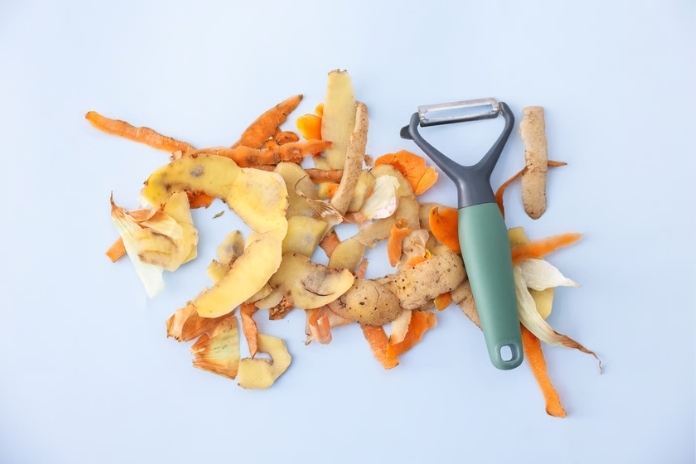
Most people remove peels, thinking they are dirty or useless. In many cases, the peel, often a significant portion of a fruit or vegetable, contains more nutrients than the inner flesh. When possible, organic produce may be preferable, since pesticide residues are more likely to remain on the outer skin.
Almost one-third of the edible parts of fruits and vegetables are discarded in the kitchen as peel waste. Peeling is often just a habit, passed down from generations, reinforced by recipes, or driven by a preference for a smoother texture. Not because the peel has less nutrition.
Research is now showing the opposite in many foods. The outer layer of fruits and vegetables usually protects the plant from insects, sunlight, fungus, and damage. As a result, many protective compounds remain in the skin itself.
Means many people cut off the most nutrient-dense part before eating. This article covers eight fruits and vegetable peels you should eat, what nutrients they contain, and the easiest ways to include them without complicating your food habits.
Before the list, one simple thing is important. Wash properly. Dr. Siddhant Bhargava, celebrity nutritionist, suggests washing the fruits on the outside with mild soap to make sure they are clean. Whether produce is organic or conventional, scrubbing under running water with a produce brush removes dirt, surface bacteria, and a good amount of surface pesticide residue. For most peels, preparation matters more than complicated food rules.
- Many fruit and vegetable peels contain more fiber, flavonoids, antioxidants, and vitamins than the flesh inside.
- Apple peel, potato skin, kiwi skin, citrus zest, mango peel, and watermelon rind all provide useful nutrients.
- Proper washing matters most. Organic produce is especially better for apples and citrus, where the skin is directly eaten. Small kitchen changes can increase nutrition without changing the budget or diet.
Apple Peel
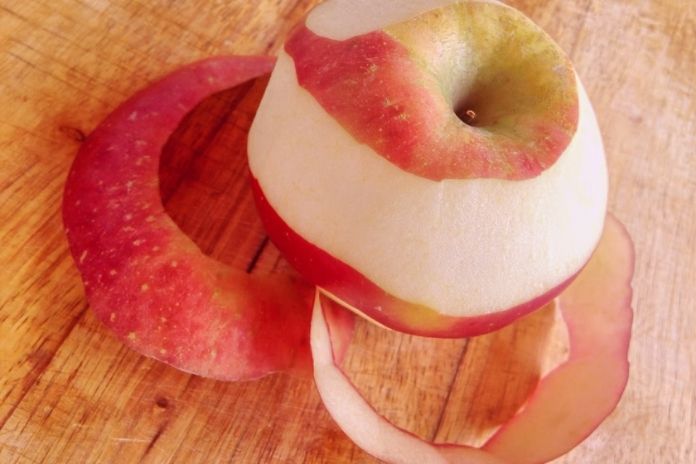
If you wonder, should you eat fruit peels? The answer is apple peels may be one of the biggest nutritional losses people make daily, unknowingly. Most of the fiber in an apple sits in the peel. “I always encourage people to slowly increase fiber intake versus doing it all at once,” Amy Bragagnini, a board-certified oncology nutrition specialist, says. The skin also contains quercetin, a flavonoid antioxidant studied for its anti-inflammatory and heart-protective effects. There are also compounds called triterpenoids and ursolic acid in apple peel. Researchers are studying these for insulin sensitivity, metabolic health, and possible anti-cancer effects, too.
The fiber difference alone is big. A medium apple with peel has around 4.4 grams of fiber. Peel it, and the fiber drops to roughly 2.1 grams. So removing the peel cuts the fiber almost in half. That matters because most people already eat less fiber than recommended.
Another thing people miss is that the peel changes how quickly the apple digests. Fiber in the skin slows digestion slightly, which affects blood sugar response and post-meal fullness. So the peel is not just “extra roughage.” It changes how the food behaves inside the body.
The practical side is simple. If you already eat apples raw, just stop peeling them. Sliced apples, oats, smoothies, and salads all work fine with the peel left on. Organic apples are better if possible because apples consistently appear on the Environmental Working Group’s “Dirty Dozen” list for pesticide residue concentration.
Potato Skin

Potato skin may be the most unnecessarily discarded food layer in normal cooking. Many people think potato skin is just a rough outer covering. Actually, skin contains a major share of potatoes’ fiber, potassium, iron, and B vitamins.
A medium potato with skin contains around 4 grams of fiber. Without skin, it falls near 2 grams. The peel also contains chlorogenic acid, a polyphenol associated with blood sugar regulation and cardiovascular benefits in research. Potato flesh alone does not provide the same concentration.
An interesting thing is how much nutrition gets lost in common cooking methods. Thick peeling removes not only skin but also the nutrient-rich layer directly below it. So aggressive peeling removes more than people realize.
Potato skin also changes satiety. This is partly because fiber slows down the digestive system. A baked potato with the skin on can be a very filling meal.
The easiest approach is simply keeping the skin on while roasting, boiling, or baking. Scrub thoroughly before cooking. The important warning is about green potatoes. Green patches contain solanine, a glycoalkaloid compound that can become mildly toxic in large amounts. If a potato has major green areas, discard it, whether peeled or not.
Cucumber Skin
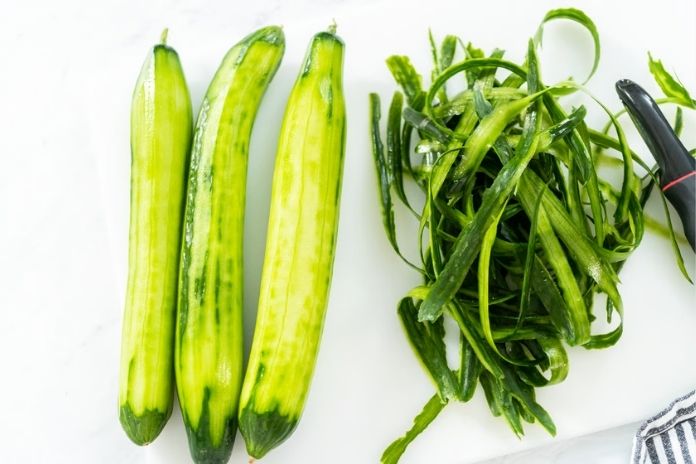
Cucumber flesh is mostly water. The skin contains maximum nutritional density. Cucumber peel contains most of the fiber, potassium, vitamin K, and antioxidant compounds found in the vegetable. The green pigment in the peel also provides beta-carotene.
This outer-layer concentration is common in plants. The peel acts like the fruit or vegetable’s defense system against sunlight, insects, oxidation, and environmental stress. Because of that, plants often store protective compounds in the outer layer rather than deep inside. So the peel becomes a chemically active part. Humans then remove that part first.
Many people peel a cucumber only because of habit. Not because peel tastes bad. In salads and sandwiches, the peel is usually hardly noticeable.
No difficult preparation needed. Wash properly and keep the peel on. If the cucumber has very thick waxed skin, lightly scrubbing helps. Nutritionally, it is one of the lowest-effort improvements possible because nothing else changes in the meal.
Kiwi Skin
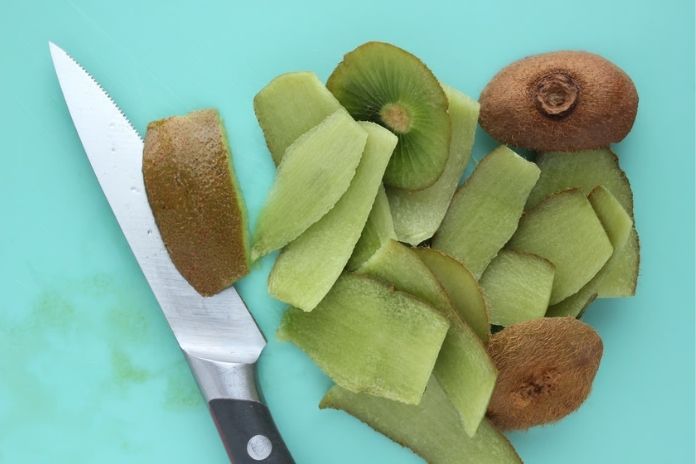
Kiwi skin surprises many people because most assume it is not edible. It actually is. Slightly fuzzy texture, a little tart taste, but safe for most people. And nutritionally very useful too. Kiwi skin has higher vitamin C, vitamin E, folate, and fiber concentrations compared to flesh alone.
Eating kiwi with the skin increases fiber by around 50 percent. That is a major increase from one small change. The skin also contains insoluble fiber that supports digestion differently from the softer fiber inside the fruit.
There is another practical advantage people rarely mention. Whole kiwis with skin create less juice leakage and slower oxidation once sliced. The fruit structure stays more intact. So even storage improves slightly.
Texture is the main barrier. Some don’t like the fuzzy feeling while chewing. Usually, ripe kiwi tastes much better because the skin becomes softer.
One practical method is smoothies. Blend the whole kiwi, including peel. Texture fully disappears, but nutrition stays the same. Some people also rub kiwi lightly with a cloth before eating to reduce surface fuzz.
Honestly, kiwi peel sounds strange the first time. But after a few times, it feels normal.
Carrot Peel
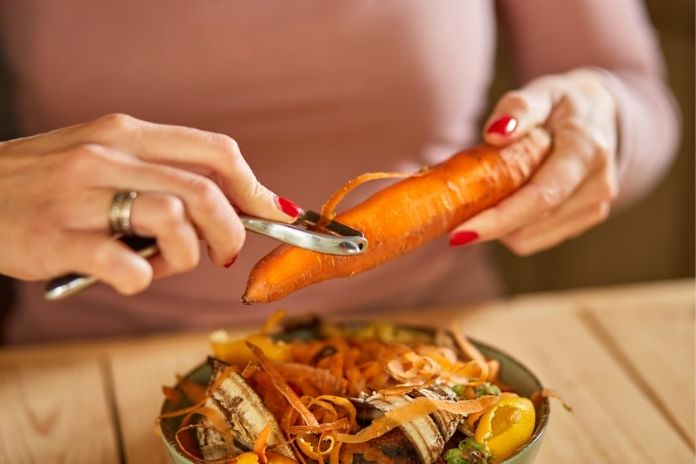
Carrot peel is one of the easiest peels to stop removing because nutritionally, there is little benefit to peeling it at all. The skin contains beta-carotene, fiber, and polyphenols similar to those in the flesh beneath it. Unlike potato or apple, where the peel is dramatically more concentrated, carrot skin is more about avoiding unnecessary nutrient loss.
Peeling carrots also creates waste surprisingly fast because carrots are thin vegetables. A peeler removes a meaningful percentage of the total food. Over time, that waste becomes a lot.
Another overlooked thing is flavor. Carrot skin contributes a slightly earthy taste when roasted, which actually improves depth in soups and roasted vegetable dishes. Many people associate peeled carrots with “cleaner” flavor only because that is what they grew up eating.
Scrubbed carrots look almost the same once cooked. So the easiest thing is just washing properly with a brush instead of peeling every time. Most peeling here is cosmetic more than culinary.
Citrus Peel (Zested)
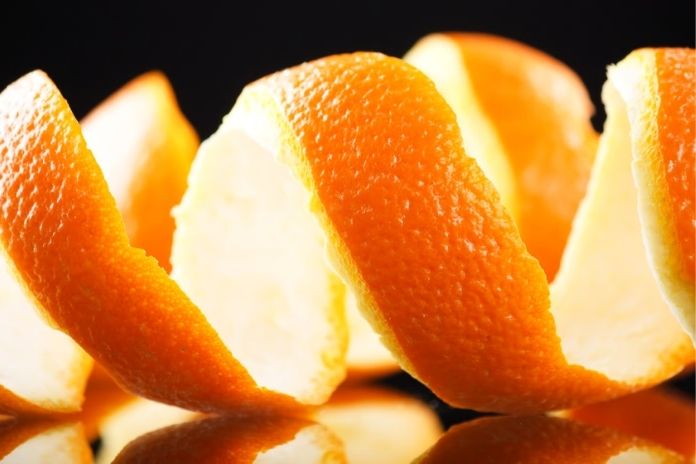
Citrus peel may be one of the most chemically rich food layers people throw away daily. Oranges, lemons, limes, and grapefruits all concentrate important compounds in the peel rather than the juice.
The white pith under the colorful outer layer contains pectin, a soluble fiber linked with cholesterol reduction and gut microbiome support. The colored zest contains d-limonene along with flavonoids such as hesperidin and nobiletin. These compounds are either absent or much lower in the juice itself.
A 2024 study found that citrus pectin can help regulate intestinal microbes and support lower blood cholesterol. Another study associated regular citrus peel intake with possible protective effects against skin cancer. What matters here is not one miracle compound but the overall density of plant chemicals packed into the peel.
An interesting thing about citrus is that modern eating habits have separated flavor from nutrition. The strongest smell of citrus comes from the peel because that is where the volatile compounds are concentrated.
You do not need to eat whole peels. Zesting is enough. A microplane works best. Add zest to oats, yogurt, salad dressing, soups, tea cakes, marinades, or even rice dishes. A small amount changes the flavor strongly.
Organic matters most here because non-organic citrus fruits are often treated post-harvest with fungicides directly on the skin. If you plan to zest regularly, organic citrus is the safer, practical choice.
Mango Skin
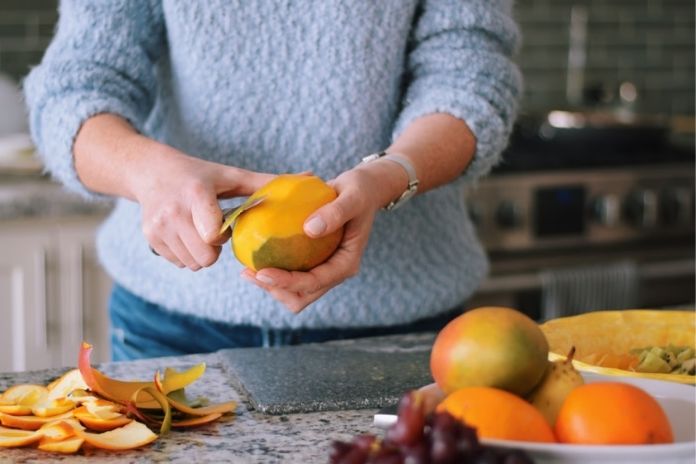
Mango skin contains high amounts of mangiferin, quercetin, resveratrol, and fiber compared to mango flesh alone. A 2024 study in Frontiers in Sustainable Food Systems also confirmed strong antioxidants in mango peel.
The skin basically works like a fruit’s defense layer while the mango grows in heat, sunlight, and insects outside. So many protective compounds collect there naturally.
But mango skin also has an honest caveat. It contains urushiol, the same compound present in poison ivy. People sensitive to urushiol may develop itching or contact dermatitis from touching or eating mango skin. For most people, it is safe, but individuals with known sensitivity should avoid it completely.
Texture is another issue. Slightly waxy and thick. A better way is blending mango with peel into smoothies. In sauces or cooked recipes, the texture also becomes easier.
Some slightly underripe mango peels taste more bitter because of stronger polyphenol compounds. So sweeter, ripe mangoes are an easier starting point if trying to peel for the first time.
Read More: Fruit Juice Or Whole Fruits? Difference and Advantages!
Watermelon Rind
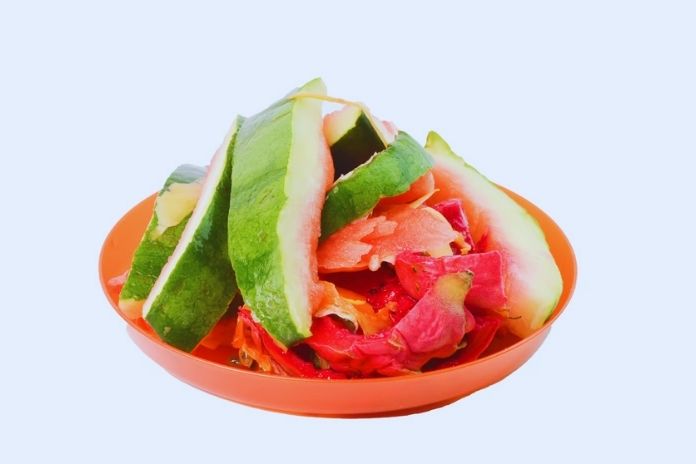
Watermelon rind means the white section between the red flesh and the green outer skin. Most people throw this part away directly. But it is edible. It has fiber, vitamin C, and L-citrulline, an amino acid linked with blood flow and muscle recovery.
Research from 2024 also found watermelon rind contains beneficial phytochemicals, protein, fiber, and other nutrients usually ignored because people focus only on the sweet red part.
The rind behaves more like a vegetable than a fruit during cooking. Taste itself is very mild, but it absorbs spices and flavors easily.
Raw rind is tough and bland, so not ideal for direct eating. But cooked versions work surprisingly well. Pickled watermelon rind is a traditional food in some regions. It also works in stir fry, curries, and chutneys.
In curries, the texture becomes similar to bottle gourd-type vegetables. So instead of throwing directly, a small amount can easily become part of a meal.
Read More: Are Hybrid Fruits Healthier? What You Need to Know About Crossbred Produce
Conclusion
Eating peels is probably one of the easiest nutrition improvements because no extra money or fancy diet is needed. Nutrients are already present in the food that people are buying every week. Many times, the peel is actually more nutrient-dense than the inside flesh.
Small changes like scrubbing potatoes instead of peeling, blending whole fruits into smoothies, or adding citrus zest into meals can increase fiber and antioxidant intake without changing the whole lifestyle.
Read More: Fruits That May Help You Live Longer and Healthier, According to Science
- The peel is often the most chemically active part of the fruit or vegetable because plants concentrate protective compounds in the outer layer.
- Apple peel quercetin, potato skin nutrients, cucumber peel antioxidants, and citrus peel flavonoids are present in much higher levels than in the flesh alone.
- Peeling removes more than fiber. It can also change the digestion speed, satiety, and blood sugar response to the food.
- Organic produce is more useful for apples, mangoes, and citrus, where the skin is often eaten directly.
- One research gap still exists. Many studies measure antioxidant levels in peels, but fewer long-term human studies exist showing exactly how regular peel consumption affects disease outcomes over the years.
FAQs
1. Is it safe to eat fruit and vegetable peels?
Yes, fruit and vegetable peels are generally safe to eat when washed thoroughly under running water. Safety concerns include pesticide residues, green potato skin containing solanine, and mango peel, which may trigger allergic skin reactions in sensitive individuals.
2. Do vegetable peels have more nutrients than the flesh?
Yes, vegetable peels often contain higher nutrient concentrations than the flesh. These fruits and vegetable peels you can eat are rich in fiber, flavonoids, vitamins, and minerals, making them a more nutrient-dense portion compared to the inner edible sections in many cases. So, don’t peel these vegetables.
3. Should produce be organic before eating the peel?
Organic produce is preferable when eating peels, but not always necessary. High-residue items like apples and citrus benefit more from organic choices, while thorough washing and scrubbing of conventional produce is usually sufficient for lower-residue fruits and vegetables.
References
- Hakim, I. A., Harris, R. B., & Ritenbaugh, C. (2000). Citrus Peel Use Is Associated With Reduced Risk of Squamous Cell Carcinoma of the Skin. Nutrition and Cancer, 37(2), 161–168.
- Hu, H., Zhang, P., Liu, F., & Pan, S. (2024). Regulations of Citrus Pectin Oligosaccharide on Cholesterol Metabolism: Insights from Integrative Analysis of Gut Microbiota and Metabolites. Nutrients, 16(13), 2002–2002.
- Koirala, P., Chunhavacharatorn, P., Suttisansanee, U., Benjakul, S., Katewongsa, K., Al-Asmari, F., & Nirmal, N. (2024). Antioxidant and antimicrobial activities of mango peel and radish peel-a comparative investigation. Frontiers in Sustainable Food Systems, 8.
- Popiolek-Kalisz, J., & Glibowski, P. (2023). Apple Peel Supplementation Potential in Metabolic Syndrome Prevention. Life, 13(3), 753.
- Romdhane, M. B., Bouallegue, A., Bourhia, M., Bougatef, A., Salamatullah, A. M., Ellouz-Chaabouni, S., & Haddar, A. (2024). Watermelon Rind Dietary Fibers as Natural Source to Enhance Texture of Wheat Bread. Foods, 13(18), 2909–2909.
In this Article