



















Although the hormone replacement therapy (HRT) is frequently discussed as a single treatment, it actually encompasses a variety of hormone therapy options designed to meet various needs. Every strategy, including combination HRT, estrogen therapy, and even testosterone therapy for women, has a distinct function.
This article will discuss the types of hormone replacement therapy, how they function, who can use them, and the risks and benefits of HRT. We will also go over bioidentical hormones, explain how doctors customize menopause hormone therapy for each patient, and break down important distinctions such as systemic vs local estrogen therapy.
- Hormone replacement therapy (HRT) comes in multiple forms, including estrogen-only, combined, local, and testosterone therapy, each suited to different needs.
- Benefits include relief from menopausal symptoms and improved bone health, but risks vary based on age, timing, and medical history.
- Doctors personalize HRT by evaluating symptoms, risks, and lifestyle, ensuring the safest and most effective treatment plan.
Read More: HRT and the “Young” Period: Can Menstrual Cycles Really Slow Down Aging?
What Is Hormone Replacement Therapy (HRT)?
The era of a woman’s life when her menstruation ends is called menopause. It is a typical aspect of growing older. Female hormone levels might fluctuate in the years leading up to and during menopause. Hot flashes, nocturnal sweats, vaginal dryness, and pain during sex are some of the symptoms that may result from this.
Some women experience mild symptoms that resolve on their own. Menopausal hormone therapy, also known as hormone replacement therapy (HRT), is used by other women to treat these symptoms. HRT may also protect against osteoporosis.
HRT comes in various forms. Some have only one hormone, while others have two. Most of them are pills that you take every day, but there are also skin patches, vaginal cream, gels, and rings.
Taking HRT has some risks. For some women, the hormone therapy may increase the chances of getting blood clots, heart attacks, strokes, breast cancer, and gallbladder disease. Certain types of HRT have a higher risk, and each woman’s own risks may vary, depending upon her medical history and lifestyle.
You and your health care provider need to discuss the risks and benefits of the treatment for you. If you do decide to take the HRT, it should be the lowest form of dose that helps and for the shortest time needed. Every 3 to 6 months, you should assess whether you still require HRT.
Not everyone is a good fit for HRT.
Do not use HRT if you:
- Imagine that you are expecting a child
- Experience vaginal bleeding issues
- Have experienced specific types of cancer
- Have you experienced a heart attack or stroke?
- Have experienced blood clots
- Have a liver condition
Type 1: Estrogen-Only Therapy

Estrogen therapy uses only estrogen and comes in forms such as pills, skin patches, sprays, gels, and vaginal rings. Doctors typically prescribe it to women who have had a hysterectomy (removal of the uterus). If doctors add progesterone-only therapy, they can also prescribe it to women who still have a uterus.
Among the advantages of estrogen therapy are:
- Significant alleviation of vasomotor symptoms, such as hot flashes
- Increased density of bone
- Improved mood and sleep quality
However, time and personal health considerations determine the risks and benefits of HRT
Type 2: Combined Estrogen-Progesterone Therapy

Progesterone and estrogen are examples of hormones that function similarly to instruments in an orchestra. For the body to operate at its best, its parts must cooperate harmoniously. The female body cannot sustain good health until hormones are properly balanced, just as you wouldn’t enjoy listening to an orchestra if the brass section overpowers all other instruments.
This treatment, administered to women with uteruses, combines progesterone or progestin (hormones that function similarly to progesterone). The most popular forms of combination therapy are skin patches or tablets.
Combining estrogen and progesterone replacement therapy not only protects the uterine lining but also provides more thorough relief for a variety of menopausal and perimenopausal symptoms and supports the general health of the heart, brain, and bones.
Naturally, scheduling a customized consultation and lab tests with a hormone specialist is the best way to find your ideal treatment plan.
Read More: Why Red Wine and Cheese Can Trigger Menopause Heart Flutters (and What to Do About It)
Type 3: Local (Vaginal) Estrogen Therapy

It entails applying estrogen directly to the vagina, where it acts locally to improve the skin’s condition by regulating its acidity and thickening and lubricating it. Using far smaller amounts of hormone to achieve positive effects in the vagina while reducing effects on other organs like the breast or uterus is an advantage of local therapy over systemic therapy (i.e., hormone tablets, patches, etc.).
There are various kinds of vaginal estrogen, including ring pessaries, creams, gels, and tablets. Vaginal estrogen preparations have a limited effect on the vaginal surface and absorb very little, if any, estrogen into the blood. They function similarly to face or hand creams.
Local estrogen therapy may be an option if you have breast cancer and have ongoing, bothersome symptoms that don’t go away with vaginal moisturizers and lubricants. Your oncologist and urogynecologist will coordinate the use of vaginal estrogen.
Studies have not yet linked vaginal estrogen use to an increased risk of cancer recurrence in women receiving treatment for breast cancer or in those with a history of the disease.
Type 4: Testosterone Therapy in Women
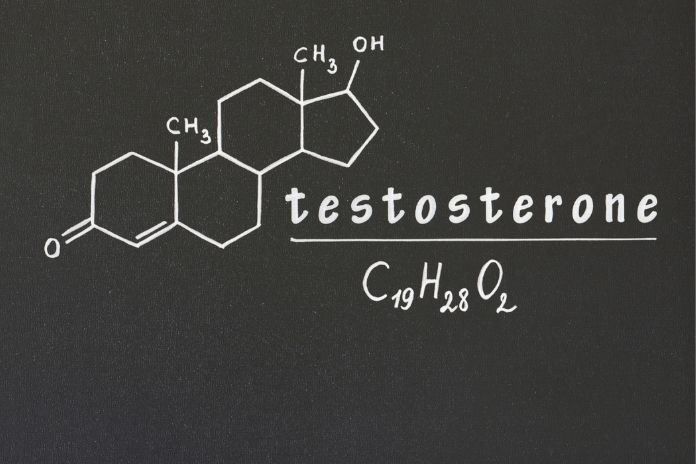
After menopause, the hormone testosterone may increase a woman’s desire for sex. However, few studies have examined its long-term effectiveness and safety. It may potentially have adverse effects.
As one ages, menopause naturally occurs. Additionally, it may occur early due to medical conditions such as ovarian surgery. Testosterone therapy may be helpful for a reduced sex drive that has no apparent cause if you have had either form of menopause. To determine whether this medication is safe and effective before menopause, more research is required.
Doctors typically try testosterone after other treatments. These include sex therapy, a form of counseling, and small dosages of the hormone estrogen. Certain depressive medications may increase sex drive.
Testosterone therapy is not appropriate for women with heart, blood vessel, or liver problems due to a lack of studies on long-term safety. Additionally, people who have had uterine or breast cancer should not use it. Discuss the dangers of taking testosterone with a member of your healthcare team if you have a high risk of any of these disorders.
“Testosterone is not just a male hormone,” said Sharon Winer, MD, MPH, a reproductive endocrinologist at Cedars-Sinai. She adds, “Women make it, too. And when testosterone levels begin to drop with age, testosterone therapy may help boost libido in women with low sexual desire.”
Bioidentical Hormones vs Traditional HRT: What’s the Difference?
Bioidentical Hormones: Bioidentical hormones, like progesterone and estrogen, are substances that are biologically identical to the hormones your body naturally generates. Doctors often tailor them to your unique hormone levels and derive them from plant sources.
Because bioidentical hormones feel “natural” and customized, many women prefer them. They come in various forms, such as pills, patches, gels, and creams.
Traditional HRT: Conventional hormone replacement therapy usually substitutes progesterone and estrogen with FDA-approved synthetic or animal-derived hormones. These types of drugs are available as pills, patches, or vaginal rings in standardized dosages.
Doctors have used traditional hormone replacement therapy (HRT) for many years to treat menopausal symptoms and safeguard bone health.
Key Differences
Customization: Unlike typical HRT, which has set dosages, bioidentical hormone therapy is frequently customized to your body’s unique requirements.
Regulation: The FDA has approved and standardized the safety and effectiveness of traditional HRT medicines. Because some compounded bioidentical hormones are not subject to FDA regulation, their quality may differ.
Effectiveness: Menopausal symptoms such as hot flashes, nocturnal sweats, mood swings, and vaginal dryness can be effectively relieved by both bioidentical and conventional HRT.
Safety: Depending on your age, risk factors, and medical history, all hormone therapies may have advantages and disadvantages. It’s crucial to check in with your provider regularly and follow up.
Availability: While typical HRT is readily available at pharmacies, some bioidentical hormones require compounding by a pharmacist.
Read More: How to Lower Cholesterol During Menopause: Effective Strategies for Cardio Health
How Doctors Decide Which Type of HRT May Fit Best

Menopause is a shift that usually lasts for several years rather than a single event. You may experience hot flashes, difficulty sleeping, mood swings, and a dry vagina as your hormone levels alter. One of the best treatments for these symptoms is hormone replacement therapy (HRT).
It helps you feel more balanced by replenishing the hormones your body is producing less of.
HRT is available in a variety of forms, such as vaginal rings, patches, lotions, and pills. The ideal option will rely on your health, symptoms, and personal preferences. Knowing your options is therefore beneficial.
When selecting between HRT types, doctors take into account several factors:
- Age with menopause or perimenopause stage
- Medical history, both personal and familial
- Cancer and cardiovascular hazards
- Menopausal symptoms’ intensity
The following conditions may restrict the use of hormone replacement therapy:
- Breast cancer history
- Stroke or blood clots
- Liver illness
- Unexplained vaginal bleeding occurs
Common Questions About Hormone Therapy
How Long Can You Stay on HRT?
A universal duration does not exist. The choice is based on weighing the risks and benefits of HRT against symptom relief.
Is HRT Safe After Age 60?
Timing is key to safety. Doctors should carefully evaluate menopause hormone therapy because starting it later in life may increase risks.
Can Lifestyle Changes Replace HRT?
Healthy practices like stress reduction, regular exercise, and following a balanced diet can support menopausal treatment. However, severe vasomotor symptoms could not be completely relieved by lifestyle modifications alone.
Signs It May Be Time to Revisit Your HRT Plan
You may need to modify your existing hormone therapy options if hot flashes, sleep problems, or other symptoms persist. Be mindful of:
- Headaches
- Unusual bleeding
- Blood pressure fluctuates
As your body changes, your types of hormone replacement therapy may need to evolve as well.
Read More: Sleep Problems After Menopause: Why They Happen and How to Fix Them
Conclusion
Hormone replacement therapy is a customized method meant to meet each person’s specific needs rather than a one-size-fits-all treatment. The best solution depends on the patient’s symptoms, medical history, and overall health goals, ranging from estrogen-only and combination therapy to local treatments and specialist choices.
Knowing the various strategies enables people to properly manage menopausal changes by making well-informed decisions. Benefits can be substantial, but safe use requires constant monitoring and thorough risk assessment.
In the end, careful collaboration with a trained medical professional guarantees that menopause hormone therapy is customized, modified over time, and in line with long-term health.
References
- Women’s Care. Hormone therapy.
- MedlinePlus. (2026, January 9). Hormone replacement therapy.
- U.S. Food and Drug Administration. (13 February, 2026). Hormone replacement therapies can help women with bothersome menopausal symptoms.
- Your Pelvic Floor. Low-dose vaginal estrogen therapy
- Amy Bieber, MS, MPH. (April 9, 2026). Testosterone Therapy for Women.
- Mayo Clinic. (April 22, 2023). Testosterone therapy in women: Does it boost sex drive?
- Gynecology Associates of Gwinnett. (2017, October 4). How to find the right hormone therapy for you.
- Menopause Solutions. (July 30, 2025). Bioidentical hormones vs. traditional HRT: What’s right for you?
In this Article