















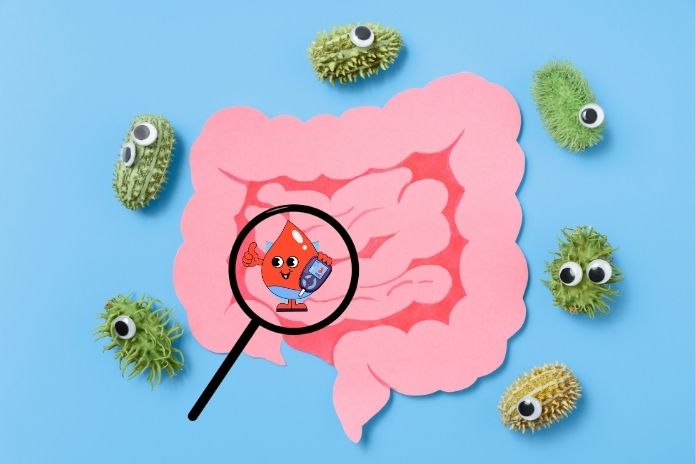
The digestive system does far more than break down lunch. Specialized cells lining the intestines release a steady stream of chemical messengers that help regulate insulin, hunger, stress responses, and even mood. The relationship between gut hormones and blood sugar has reshaped how endocrinologists think about diabetes, while research on serotonin in the gut has opened new conversations about mental health.
Most of this happens quietly in the background. After a meal, the gut signals the pancreas to release insulin. When stress hits, the gut tightens or loosens in response. When the microbiome shifts, mood and metabolism can drift with it. Scientists describe this two-way traffic as the gut-brain axis, and it sits at the intersection of nutrition, psychiatry, and metabolic medicine.
What used to look like three separate stories, digestion, blood sugar regulation, and emotional health, is increasingly understood as one interconnected system. Hormones produced in the gut tie them together. The same meal that triggers an insulin response also nudges serotonin signaling, satiety hormones, and the vagus nerve. The same stress that tightens the stomach can ripple into glucose control and food cravings hours later.
This article walks through what gut hormones are, how the gut-brain axis works, which hormones influence blood sugar and appetite, what role the microbiome plays in mood, the everyday habits that support healthy signaling, and when symptoms warrant medical attention. By the end, the picture should feel less mysterious and more practical.
- Gut hormones and blood sugar are tightly linked, with intestinal cells releasing GLP-1 and GIP that signal insulin release after meals.
- Roughly 90 to 95 percent of the body’s serotonin is produced in the gut, which is why the gut’s effects on mood are a growing focus of research.
- The gut, brain, and pancreas communicate through nerves, hormones, and microbial signals collectively known as the gut-brain axis.
- Fiber, fermented foods, sleep, and movement all influence gut hormone activity and may support metabolic and emotional balance.
What Are Gut Hormones?
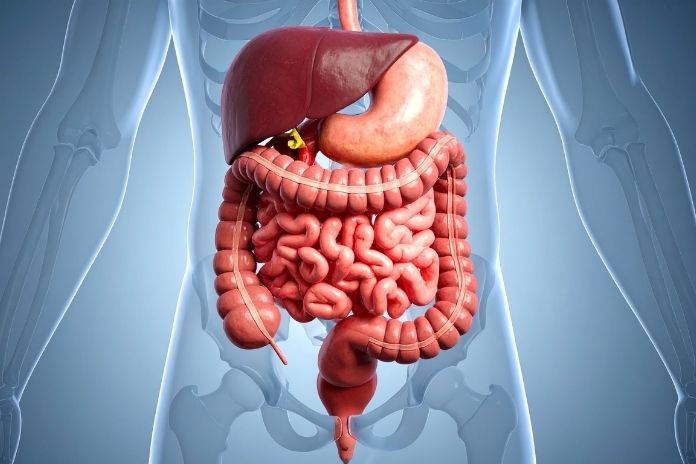
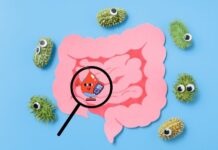
The digestive tract contains specialized enteroendocrine cells that release hormones in response to food, stretch, microbial activity, and neural input. These cells make up less than 1% of the gut lining but produce more than 20 distinct signaling molecules that travel to the pancreas, brain, liver, and adipose tissue.
Dr. Emeran Mayer, gastroenterologist at the David Geffen School of Medicine at UCLA, explained in an interview with Brain World that the gut “contains specialized cells that can produce hormones, 40 different hormones and peptides that are being released when we eat.” That breadth makes the gut, by some measures, the largest endocrine organ in the body.
Gut hormones influence blood sugar by signaling the pancreas to release insulin. They control appetite and fullness by communicating with the hypothalamus. They regulate the speed of digestion by slowing or speeding gastric emptying. And they shape mood and stress responses by interacting with neural pathways that connect the gut to the brain.
This communication uses three channels: nerves, hormones, and immune signals. The vagus nerve carries messages from the gut to the brainstem within seconds. Hormones travel through the bloodstream for minutes. Immune signals and microbial metabolites add slower, longer-lasting effects. Together, they form what researchers call the gut-brain-pancreas connection.
The Gut-Brain Axis Explained
The gut-brain axis is a two-way communication system between the gastrointestinal tract and the central nervous system. Signals run in both directions: the brain influences digestion, motility, and gut secretions, while the gut influences mood, hunger, and stress reactivity.
The vagus nerve is the main highway. It carries roughly 80 percent of its fibers from the gut up to the brain, meaning most of the conversation flows from below the neck upward. The enteric nervous system, sometimes called the second brain, contains around 500 million neurons embedded in the gut wall and can operate semi-independently.
Anyone who has felt nauseous before a job interview or lost appetite during a hard week has experienced the gut-brain axis firsthand. Stress hormones alter gut motility, the microbiome, and intestinal permeability. In the other direction, digestive inflammation can amplify anxiety signals reaching the brain.
Read More: Your Gut Is a Second Brain: What It Actually Means
Key Gut Hormones That Influence Blood Sugar
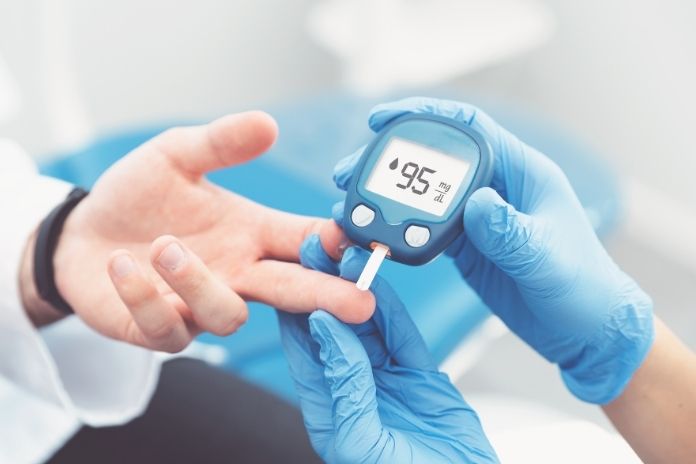
Glucagon-like peptide-1, or GLP-1, is released by L-cells in the small intestine within minutes of eating. It triggers insulin secretion, slows gastric emptying, and signals fullness to the brain. A comprehensive review published in the Journal of Clinical Investigation traces how GLP-1 research has moved from basic discovery to the diabetes and obesity medications that are now reshaping clinical practice.
Dr. Daniel Drucker, the University of Toronto endocrinologist whose lab defined GLP-1 biology, told the Journal of Clinical Investigation that his early work explored “the biosynthesis, secretion, and action of glucagon” and the related glucagon-like peptides. His research provided the foundation for the largest class of drugs now used to treat both gut disorders and type 2 diabetes.
GIP, or glucose-dependent insulinotropic polypeptide, was actually the first incretin hormone discovered. It is released by K-cells in the upper small intestine and works alongside GLP-1 to amplify insulin release after meals. Together, GIP and GLP-1 account for up to 60 percent of insulin secretion in healthy people after eating.
PYY and CCK are two additional gut hormones that signal satiety. Ghrelin, the so-called hunger hormone, is produced primarily in the stomach and rises before meals, then drops after eating. The interplay between hunger-promoting and satiety-promoting gut hormones helps explain why appetite is not simply a matter of willpower.
Blood sugar is governed by a network. The pancreas releases insulin and glucagon. The gut releases incretins. The liver stores and releases glucose. Fat and muscle tissue respond to insulin signaling. When any node falters, blood sugar control suffers.
Read More: Insulin Sensitivity vs. Insulin Resistance
How the Gut Influences Mood and Emotional Health
Roughly 90 to 95 percent of the body’s serotonin is synthesized by enterochromaffin cells in the gut lining. A PubMed review on gut-derived serotonin describes how this peripheral serotonin influences gut motility, immune function, metabolism, and signaling along the gut-brain axis. The serotonin produced in the gut does not cross the blood-brain barrier, but it does shape how the gut communicates with the brain.
Dr. Uma Naidoo, director of nutritional and lifestyle psychiatry at Massachusetts General Hospital and a Harvard Medical School faculty member, told the Institute for Functional Medicine podcast that dietary changes can “impact the gut microbiome and improve mental health outcomes.” Her clinical work has helped move the food-mood conversation from the margins into mainstream psychiatric practice.
Gut bacteria produce neurotransmitter precursors, short-chain fatty acids, and immune-modulating compounds that reach the brain through nerves, blood, and immune pathways. Some strains influence GABA production. Others affect tryptophan availability, which is the precursor to serotonin. The mechanisms are real, though the clinical implications are still being mapped.
Chronic low-grade inflammation, often originating in the gut, has been linked to depression and anxiety in observational studies over the past decade. When the gut barrier becomes more permeable, bacterial fragments can leak into circulation and trigger immune activation. That immune activation, in turn, sends signals that influence brain chemistry and mood regulation through cytokines that cross or signal across the blood-brain barrier.
Causation remains tricky. Does an unhealthy microbiome cause depression, or does depression alter the microbiome, or both? Most current evidence is correlational. The field is rich with promising findings but thin on definitive treatment protocols for mood conditions through gut interventions alone.
The Role of the Gut Microbiome in Hormone Regulation
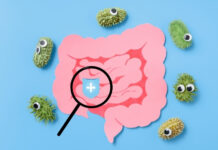
The gut microbiome is the community of trillions of bacteria, fungi, viruses, and other microbes living mostly in the large intestine. A healthy adult carries roughly 1,000 different bacterial species, and the collective genetic material in this ecosystem dwarfs the human genome.
Microbes ferment dietary fiber into short-chain fatty acids like butyrate, acetate, and propionate. These compounds nourish the gut lining, influence insulin sensitivity, and signal to enteroendocrine cells that release GLP-1 and PYY. The microbiome essentially acts as an upstream regulator of gut hormone output.
Professor John Cryan, neuroscientist at University College Cork and a pioneer in microbiome-gut-brain research, told the European Science-Media Hub that gut signals are central to interoception, the process by which “our internal systems communicate with our brain to sense how we are doing.” That sensing shapes everything from satiety to mood. Diet patterns heavy in ultra-processed foods reduce microbial diversity.
Antibiotic use can wipe out beneficial strains for months, sometimes longer. Chronic stress shifts the microbial community in ways that can persist well after the stressor has passed. Poor sleep disrupts circadian rhythms that normally coordinate microbial activity with feeding cycles, and emerging research suggests that even modest sleep loss can reduce gut bacterial diversity within days.
Read More: Best Probiotics for Gut Health: Strains That Actually Work
Signs the Gut-Blood Sugar-Mood Connection May Be Affected

Symptoms can show up in several places at once. Blood sugar swings and afternoon energy crashes may point to impaired insulin signaling. Digestive symptoms that flare with stress suggest a sensitive gut-brain axis. Stronger cravings or changes in appetite may reflect altered hormone signaling. Mood shifts tied to poor sleep or recent dietary changes can hint at microbiome disruption.
None of these symptoms is diagnostic on its own. Many other conditions cause similar patterns, and self-diagnosis can miss important issues. A clinician can help separate everyday fluctuations from problems that need attention.
Habits That May Support Healthy Gut Hormone Function
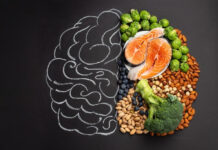
Dietary fiber is fermented by gut bacteria into the short-chain fatty acids that stimulate GLP-1 release and feed the gut lining. Practical sources include vegetables, legumes, whole grains, and fruits. Variety matters more than total grams. Aiming for 30 or more different plant foods each week gives the microbiome more substrates to work with.
A randomized study published in Cell found that a 10-week diet rich in fermented foods such as yogurt, kefir, kimchi, and kombucha increased microbiota diversity and reduced inflammatory markers in healthy adults. The effects were stronger than those seen in the high-fiber arm over the same period.
Sleep and stress directly influence gut hormone signaling. Chronic sleep restriction reduces leptin, increases ghrelin, and worsens insulin sensitivity. Persistent stress alters cortisol patterns, gut motility, and microbial composition. Consistent sleep schedules, daily light exposure, and stress-reducing practices like walking, breathwork, or social connection all support balance.
Movement improves insulin sensitivity within hours and increases microbial diversity over weeks. Both aerobic exercise and resistance training help, and together they produce the strongest metabolic effects. Even short walks of 10 to 15 minutes after meals blunt blood sugar spikes by improving glucose uptake into muscle tissue, easing demand on insulin and incretin systems. The bar is lower than many people assume. Consistency matters far more than intensity.
Read More: Beyond Yogurt: 5 Fermented Foods That Support Gut Health
Can Gut Health Affect Conditions Like Diabetes or Depression?
The GLP-1 receptor agonists now used to treat type 2 diabetes and obesity work by mimicking a gut hormone. That single fact reframes diabetes as partly a disease of impaired gut signaling. Diet, microbiome composition, and gut hormone responsiveness are increasingly seen as targets, not just consequences, in metabolic disease.
A 2024 systematic review of randomized clinical trials published in PubMed examined psychobiotics, which are probiotics studied for their mental health effects via the gut-brain axis. Across 51 trials and over 3,300 patients, the review found notable effects on depressive symptoms, though variability in strains, doses, and durations limits firm conclusions.
Dietary changes, probiotics, and lifestyle shifts can support but not substitute for evidence-based treatment of diabetes, depression, anxiety, or any other diagnosed condition. Medications and therapies remain first-line for clinical disease. Gut-focused strategies work best as part of broader care, not as standalone cures.
When to Seek Medical Advice
Persistent digestive symptoms like ongoing bloating, chronic diarrhea or constipation, or abdominal pain that lasts more than a few weeks deserve evaluation. These can stem from conditions ranging from irritable bowel syndrome to inflammatory bowel disease to celiac disease, all of which benefit from accurate diagnosis.
Signs of blood sugar imbalance, including excessive thirst, frequent urination, unexplained fatigue after meals, or unintended weight changes, should prompt a visit to a primary care clinician. Simple tests can rule in or out prediabetes, diabetes, and thyroid issues.
Mood symptoms that persist for more than two weeks, interfere with daily life, or include thoughts of self-harm should not be self-managed. A primary care doctor, psychiatrist, or therapist can help. Gut health strategies may complement treatment, but professional support is the foundation.
Key Takeaway
The gut plays an active, often underappreciated role in shaping blood sugar, appetite, and mood through a network of hormones, nerves, and microbes. Gut hormones and blood sugar are linked at every meal, and emerging research on how the gut affects mood continues to refine the picture.
The science is real, but the field is also young. Most current findings point to gut health as one important factor among many, not a master switch. Habits like eating fiber-rich and fermented foods, sleeping well, moving regularly, and managing stress give the gut what it needs to do its signaling work.
For anyone navigating persistent digestive issues, blood sugar concerns, or mood symptoms, medical guidance remains essential. The gut is a powerful organ, but it works best in concert with the rest of the body, the right diagnosis, and the right care plan.
FAQs
Can improving gut health really lower blood sugar?
Gut health influences insulin signaling through hormones like GLP-1 and through microbial production of short-chain fatty acids. Improvements in diet, fiber intake, and microbial diversity can support better blood sugar regulation, especially in early metabolic dysfunction. They are a supportive strategy, not a replacement for medical care in diagnosed diabetes.
How long does it take to see changes in gut hormones from diet changes?
Some shifts happen quickly. Fiber and meal composition change GLP-1 and insulin responses within a single meal. Microbial shifts begin within days of consistent dietary changes and become more stable over weeks. Lasting effects on metabolic and mood outcomes generally take one to three months of consistent habits.
Is serotonin made in the gut the same as serotonin in the brain?
Chemically, yes, but functionally, they operate in different pools. Serotonin made by gut cells does not cross the blood-brain barrier. It influences gut motility, immune signaling, and the gut-brain axis, while brain serotonin is made locally by neurons. The two systems communicate indirectly through nerves and circulating signals.
Do probiotics help with mood or anxiety?
Some studies suggest specific probiotic strains, sometimes called psychobiotics, may modestly reduce symptoms of depression and anxiety. Effects vary by strain, dose, and individual. Probiotics are not a substitute for therapy or medication when symptoms are clinically significant.
What is the single best food for gut health?
There is no single best food. Diversity matters more than any one item. A varied intake of vegetables, legumes, whole grains, fruits, nuts, seeds, and fermented foods supports a more diverse microbiome than focusing on one superfood.
References
- Banskota, S., Ghia, J.-E., & Khan, W. I. (2022). Gut-derived serotonin and its emerging roles in immune function, inflammation, metabolism and the gut-brain axis. Current Opinion in Endocrinology, Diabetes and Obesity.
- Cryan, J. F. (2023). Interview with Dr John F. Cryan: The guts to change neuroscience. European Science-Media Hub.
- Drucker, D. J. (2024). The GLP-1 journey: From discovery science to therapeutic impact. Journal of Clinical Investigation, 134(2), e175634.
- Mayer, E. A. (2019). The brain-gut connection: A Q&A with Dr. Emeran Mayer. Brain World Magazine.
- Morales-Torres, R., Carrasco-Gubernatis, C., Grasso-Cladera, A., et al. (2024). Effectiveness of psychobiotics in the treatment of psychiatric and cognitive disorders: A systematic review of randomized clinical trials. Nutrients, 16(9), 1352.
- Naidoo, U. (2022). Food and mood: Nutritional psychiatry, the microbiome, and mental health. Institute for Functional Medicine Podcast.
- Wastyk, H. C., Fragiadakis, G. K., Perelman, D., et al. (2021). Gut-microbiota-targeted diets modulate human immune status. Cell, 184(16), 4137-4153.
- Biotech Academy. (n.d.). Blood sugar regulation.
- COGR. (n.d.). Hormones that reduce blood sugar: Key players in glucose regulation.
- Harvard Medical School. (2024). Gut hormone insights.
- Holst, J. J. (2007). The physiology of glucagon-like peptide 1. Physiological Reviews, 87(4), 1409–1439.
- Levels. (n.d.). The 7 factors that significantly impact your blood sugar.
- Lundbeck Foundation. (n.d.). She studies a central gut hormone.
- Röder, M. E., Porte, D., Schwartz, R. S., & Kahn, S. E. (1996). Disproportionately elevated proinsulin levels reflect the degree of impaired B cell secretory capacity in patients with noninsulin-dependent diabetes mellitus. The Journal of Clinical Endocrinology & Metabolism, 81(2), 604–608.
- ScienceDirect. (2025). Gut hormones and metabolic regulation.
- UCSF Diabetes Teaching Center. (n.d.). Blood glucose regulation in the body.
In this Article