











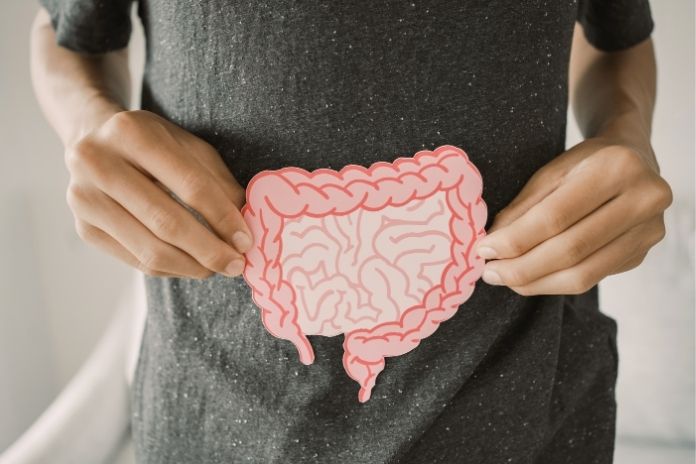
- Dairy-free fermented foods like kimchi, sauerkraut, tempeh, miso, and kombucha deliver beneficial bacteria and gut health support without any dairy.
- Each food works differently in the body. Variety matters, and pairing fermented foods with fiber-rich whole foods amplifies the benefits.
- Look for “raw,” “live,” or “unpasteurized” on labels, start with small portions, and check with your doctor if you have specific health conditions.
When most people think about probiotics and gut health, yogurt is the first thing that comes to mind. But what if you don’t eat dairy? More and more people are looking for effective dairy-free fermented foods that can support digestion and overall health, whether because of lactose intolerance, allergies, or a vegan lifestyle.
The good news is that you can nourish your gut without dairy. Thanks to natural processes like lactic acid fermentation, a wide range of fermented foods for gut health appear in traditional cuisines all over the world, supplying an abundance of beneficial bacteria.
This article covers the benefits of fermentation for the gut microbiome, whether you can get probiotics without dairy, and five potent vegan probiotic foods that are easy to work into your daily meals.
Read More: The Benefits of Adding Fermented Foods to Your Daily Meals
Why Fermented Foods Matter for Gut Health
How Fermentation Supports the Gut Microbiome
Research on the importance of a healthy gut microbiome continues to expand, and eating more fermented foods remains one of the simplest ways to improve it. Adding fermented foods increases the good bacteria, known as probiotics, in your digestive tract.
During fermentation, microorganisms like bacteria and yeast convert carbohydrates into alcohol, lactic acid, carbon dioxide, and other compounds. The International Scientific Association of Probiotics and Prebiotics (ISAPP) describes fermented foods as “foods made through desired microbial growth and the enzymatic conversion of food components.”
The live microbes in fermented foods may also help reduce cholesterol absorption in the gut, which can lower your risk of atherosclerosis — a buildup of cholesterol in the arteries that can lead to blockages. Research also links fermented food consumption to a lower risk of high blood pressure and certain metabolic disorders.
Different fermented foods carry different strains of beneficial bacteria. For example, kimchi and sauerkraut are rich in Lactobacillus plantarum; tempeh relies on Rhizopus molds; kombucha is driven by Acetobacter bacteria and various yeasts; and miso owes much of its probiotic character to Aspergillus oryzae.
This microbial diversity is part of why eating a variety of fermented foods, rather than just one, tends to offer broader gut microbiome support.
“Greek yogurt, kimchi, sauerkraut, apple cider vinegar, miso, kombucha, kefir, and sourdough bread are just a few examples of beneficial fermented foods,” says Katie Rankell, director of the UCI Health Weight Management Program.
She adds, “All can be found in most grocery stores, making them a simple addition to your everyday meal plans.”
Do You Need Dairy to Get Probiotics?
Not at all. Many traditional diets put a strong emphasis on plant-based fermented foods instead of dairy. Options include fermented vegetables, fermented soy products, and fermented drinks and teas. All of these vegan probiotic foods can deliver a variety of microbial strains without any milk-based products.
Important Note About Probiotic Content
Even though many foods go through fermentation, they don’t always contain live probiotics by the time you eat them. Keep these points in mind:
- Heat and pasteurization can destroy live microorganisms.
- Shelf-stable products may not contain active cultures.
- Look for labels that say “raw,” “live,” or “unpasteurized.”
Read More: Fermented vs. Pickled Foods: Which Is Better for Your Gut Health?
1. Kimchi: A Spicy Fermented Vegetable With Diverse Microbes
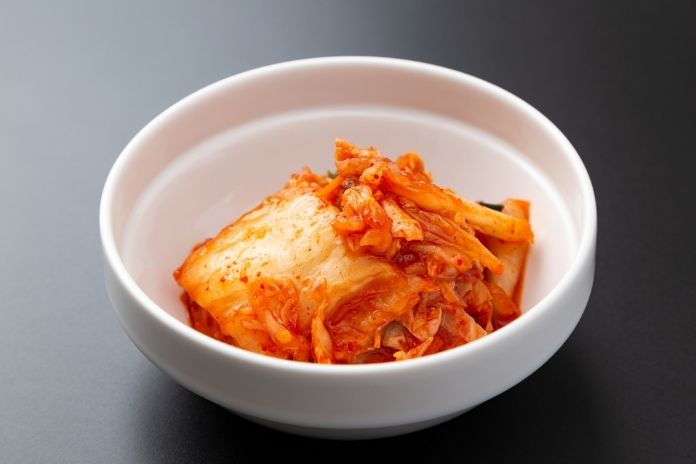
What Kimchi Is
Kimchi is a Korean side dish made from salted, fermented vegetables. You can make kimchi with many different vegetables, and even some fruits, but the most well-known variety is baechu kimchi, made with cabbage. It typically includes radishes, scallions, carrots, garlic, ginger, and chili flakes alongside the cabbage.
Potential Gut Health Benefits
Kimchi is one of the most powerful dairy-free gut health foods around. It naturally contains probiotic bacteria, as well as fiber, vitamins, and minerals.
Research published in Food and Nutrition Research found that daily kimchi consumption over 12 weeks helped alleviate IBS symptoms, reduced inflammatory markers in the blood, and shifted the gut microbiome in favorable ways, effects attributed largely to strains like Lactobacillus plantarum, which are abundant in well-fermented kimchi.
Studies have also linked kimchi to lower cholesterol levels, though further research is needed before scientists can draw firm conclusions.
Easy Ways to Add Kimchi to Meals
- Serve as a side dish.
- Stir into noodles or rice bowls.
- Add to stir-fries or soups.
Kimchi is a tasty addition to any fermented foods list for probiotics.
2. Sauerkraut: A Simple Fermented Cabbage Staple
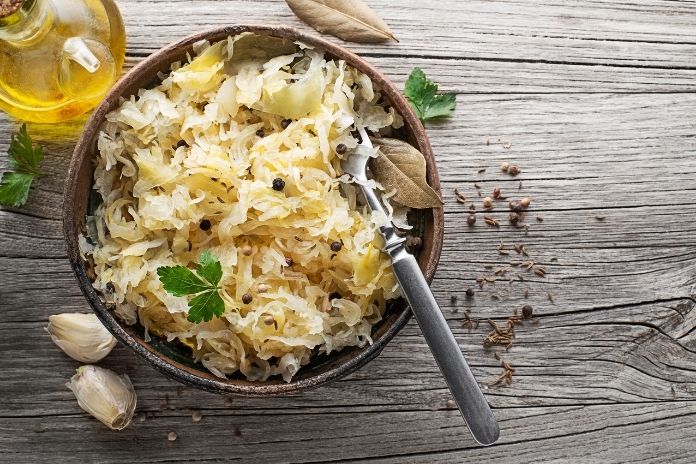
How Sauerkraut Is Made
Sauerkraut is a type of cabbage fermented with salt through lactic acid fermentation. People mostly use it as a condiment, but it works well in main dishes too. When eaten raw rather than cooked, sauerkraut is a very good source of dietary fiber, vitamin C, and beneficial bacteria.
Nutritional Highlights
Fermentation changes the nutritional profile of cabbage and raises the levels of beneficial metabolites. Sauerkraut is low in calories and high in lactic acid, vitamins A, B, C, and K, and minerals. These nutrients become more bioavailable after fermentation, meaning your body can absorb them more easily than it would from raw cabbage.
What to Look for When Buying Sauerkraut
A few things really matter when you pick out sauerkraut.
First, check the ingredients. Go for raw, organic sauerkraut with no unusual preservatives or additives.
Next, think about how it’s made. The best sauerkraut is wild-fermented, which means it keeps those live cultures intact. Skip anything labeled “pasteurized” and look for “raw” or “fermented” instead. If you see starter cultures listed, that’s usually a sign to move along.
Also, pay attention to packaging. Glass jars beat plastic every time; they keep sauerkraut fresh and prevent any chemical migration.
Finally, feel free to explore flavors. The classic cabbage variety is always a solid choice, but options with chili, garlic, or kimchi-style spices can crank up both the taste and the health perks.
3. Tempeh: Fermented Soy With Protein and Gut-Friendly Compounds
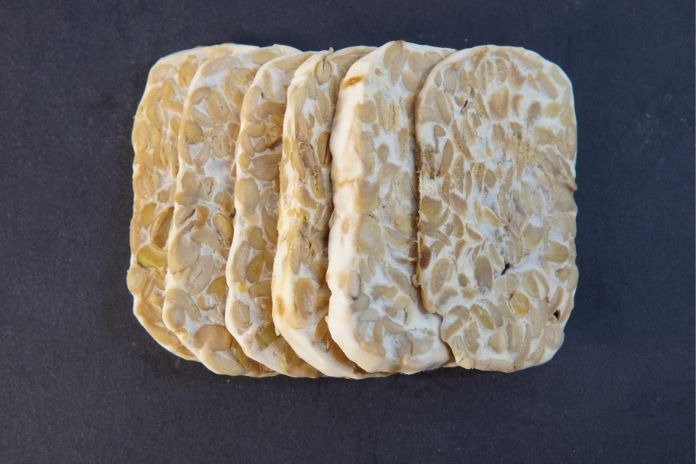
What Makes Tempeh Unique
Tempeh has been a staple in Indonesia for generations. It’s made by cooking and fermenting soybeans with Rhizopus molds until they bind the beans into a firm, nutty-flavored cake.
Unlike many plant proteins, tempeh is considered a complete protein, meaning it contains all essential amino acids. Research published in the International Medical Research Foundation journal notes that fermentation improves the bioavailability of tempeh’s minerals, proteins, fiber, vitamins, and isoflavones, making it an especially valuable source of nutrition for those on plant-based diets.
Why Fermentation Improves Digestibility
Fermentation makes tempeh much easier on your digestive health. Specifically, it:
- Breaks down anti-nutrients like phytates and trypsin inhibitors, which normally block mineral absorption.
- Boosts protein bioavailability.Research shows fermentation can increase protein bioavailability in soy-based tempeh by a meaningful margin.
- Generates bioactive peptides that support digestive health.
One great example of a plant-based fermented food that pairs gut-friendly compounds with high-quality protein is tempeh.
Cooking Ideas for Tempeh
- Pan-sear slices until golden brown.
- Cube and stir-fry with vegetables.
- Use crumbled in grain bowls or tacos.
It’s a versatile fermented soy food and an easy addition to a dairy-free probiotics routine.
Read More: 6 Fermented Drinks You Should Drink for Gut Health (Backed by Evidence)
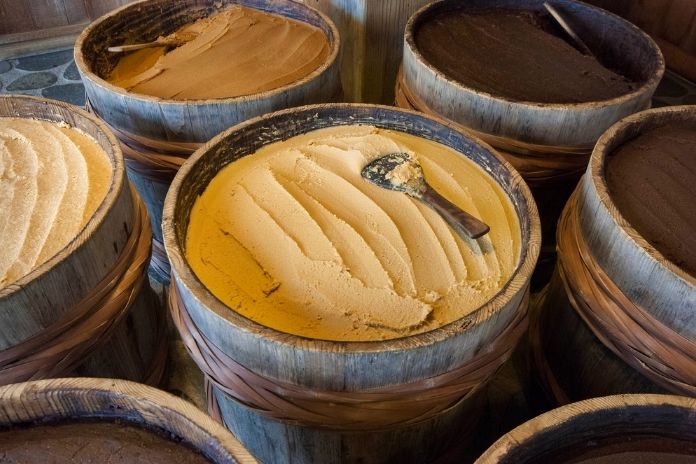
4. Miso: A Fermented Paste Used in Traditional Japanese Cuisine
How Miso Is Produced
Miso is made using a double fermentation process. The first step involves cultivating koji, which is a grain, such as rice or barley, inoculated with Aspergillus oryzae mold. In the second step, the cooked soybeans and koji are combined with salt and left to ferment, anywhere from a few weeks to several years, depending on the variety.
Nutritional and Fermentation Benefits
Miso contains a broad range of vitamins and minerals. Just one ounce provides 12% of the recommended daily intake (RDI) of manganese, 10% of the RDI of vitamin K, 6% of the RDI of copper, and 5% of the RDI of zinc. The fermentation process makes these nutrients easier for your body to absorb.
Miso is notably high in sodium, with a typical tablespoon providing several hundred milligrams. If you’re monitoring salt intake, keep portions small and choose low-sodium varieties where available.
That said, multiple studies, including a cross-sectional study in Japan involving more than 500 adults, found that habitual miso consumption was not associated with higher blood pressure, possibly because miso’s compounds may counteract some of the blood-pressure effects of its sodium. Still, if you have hypertension, it’s worth checking with your doctor.
Common Ways to Use Miso
- Miso soup.
- Salad dressings.
- Sauces and marinades.
To keep miso’s status as a probiotic-rich food and protect its live bacteria, stir it in after cooking, once the heat is off.
5. Kombucha: Fermented Tea With Organic Acids and Microbes

What Kombucha Is
Kombucha is a fermented beverage made from tea, sugar, and a bacterial culture called a SCOBY (symbiotic colony of bacteria and yeast). Fermentation typically takes seven to fourteen days. Both black and green teas work, though homebrewers often prefer black tea because it ferments more quickly.
Potential Benefits
Possible advantages of kombucha include:
- Support for your gut flora through organic acids and beneficial bacteria.
- Antioxidants and polyphenols from the tea base.
- Vitamins and minerals produced during fermentation.
- A flavorful, lower-sugar alternative to soda and sweetened drinks.
It’s worth knowing that kombucha naturally contains a small amount of alcohol as a byproduct of fermentation. Commercial kombucha sold in the U.S. must stay below 0.5% ABV to be classified as non-alcoholic, but homemade versions can vary.
Pregnant women, children, and those avoiding alcohol for health or religious reasons should keep this in mind. Additionally, sugar content varies widely between brands, and some bottles can contain 10 grams or more per serving, so reading labels is important.
Choosing Kombucha Wisely
- Check the sugar content on the nutrition label.
- Avoid overly processed versions.
- Select products labeled “raw.”
These steps help ensure you’re getting effective dairy-free probiotics.
Read More: Jun Tea vs. Kombucha: Which Fermented Drink Is Better for a Sensitive Gut?
Other Dairy-Free Fermented Foods Worth Trying
If you want to expand your fermented foods list for probiotics, consider these options.
Water Kefir
Water kefir is made using water kefir grains, which are a symbiotic combination of yeast and bacteria. You can culture sugar water, fruit juice, or coconut water with them. Despite the name, the grains contain no actual grain like wheat or rye — they’re named for their appearance.
Naturally Fermented Vegetables
Fermented vegetables are made through lactic acid fermentation, an anaerobic process in which lactic acid bacteria convert the natural sugars in vegetables into lactic acid. Good options include brine-pickled cucumbers (not vinegar pickles), fermented carrots, and beets.
A tablespoon or two of these vegetables alongside a meal is a practical way to start adding fermented vegetable benefits to your routine without overwhelming your digestive system. They’re also a good source of naturally occurring antioxidants and polyphenols from the vegetables themselves.
Why Variety Matters for the Gut Microbiome
Diversity is essential for a thriving gut microbiome. Different plant-based probiotics introduce different bacterial strains, which collectively may:
- Aid with digestion
- Improve nutrient absorption
- Support immune system function
A landmark study from Stanford, published in Cell, found that a 10-week diet high in fermented foods significantly increased microbiome diversity and reduced markers of inflammation in healthy adults, with stronger effects seen when larger servings were consumed.
Rotating through different types of dairy-free fermented foods is one practical way to capture this diversity.
Tips for Adding Fermented Foods to a Dairy-Free Diet
Start With Small Portions
Fermented foods are potent. Start with a tablespoon or two of sauerkraut or kimchi, or 4 ounces of kombucha, and build up gradually. This gives your digestive system time to adjust. Some people experience temporary bloating at first. That’s normal and typically fades within a week or two.
Combine With Fiber-Rich Foods
Fiber acts as a prebiotic, meaning it feeds the beneficial bacteria that fermented foods introduce.
Research consistently shows that combining probiotic-rich fermented foods with fiber-rich foods like whole grains, fruits, and vegetables produces a synergistic effect that supports the gut microbiome more effectively than either approach alone. Think of fiber as the fuel that keeps your probiotics alive and thriving.
Good prebiotic pairing ideas include adding kimchi to a grain bowl with brown rice and vegetables, stirring miso into a soup loaded with leafy greens, or enjoying kombucha alongside a fiber-rich snack like apple slices or roasted chickpeas.
Pay Attention to Individual Tolerance
Not everyone responds to fermented foods the same way. People with histamine intolerance may react to highly fermented foods like aged sauerkraut or kombucha.
Those managing conditions like SIBO (small intestinal bacterial overgrowth) or who take immunosuppressant medications should talk to their doctor before significantly increasing fermented food intake. When in doubt, go slow and pay attention to how your body responds.
Read More: The Benefits of Eating Fermented Rice (A Forgotten Superfood)
Conclusion
Adding dairy-free fermented foods to your daily meals is a simple, effective way to support your gut health.
Options like fermented vegetables, soy-based products, and fermented beverages give you plenty of beneficial bacteria without any dairy. Eat them consistently and pair them with fiber-rich foods, and you’ll likely notice better digestion, a more diverse gut microbiome, and improved overall well-being.
So don’t think yogurt is your only option for taking care of your gut. There are all kinds of plant-based fermented foods out there to explore, which makes supporting your digestive health much more interesting and sustainable in the long run.
References
- Gut Microbiota for Health. Fermented foods and gut health: What science is uncovering:
- Paul Jones. (November 10, 2025). What is kimchi, and is it healthy?:
- Colorado State University Extension. Understanding and making sauerkraut:
- Tiffany Dobbyn. (April 14, 2025). The Gut Health Benefits of Sauerkraut:
- South River Miso Company. Making miso:
- Holland & Barrett. Kombucha benefits:
In this Article