










Over the past decade, gut health has moved from niche wellness blogs into everyday conversation—and for good reason. Your gut is more than just for digestion. It affects your immune system, skin health, mood, metabolism, and even how well you sleep. All of this is powered by your gut microbiome—a vast colony of trillions of bacteria, yeasts, and fungi that live in your digestive system.
Maintaining a healthy gut microbiome takes the proper foods, most importantly, those that feed or restore good bacteria.
Why Are Fermented and Pickled Foods in the Spotlight?
Enter pickled and fermented foods. These aren’t trends per se—they’ve been part of international culinary tradition for centuries. But now, they’re being hailed for something other than their sour taste. Foods such as kimchi, kefir, and pickles are being heralded as gut-friendly, functional foods that can potentially aid digestion and overall well-being.
There are shelves full of “probiotic-rich” food at the grocery store, and fermented condiments are hawked by health influencers as necessary staples. But even with their popularity, here’s one thing: folks tend to mix up fermented foods with pickled foods. They’re not the same, and it matters if you’re seeking to heal or support your gut.
Read More: Think Yogurt Has the Most Probiotics? Try These 8 Equally Good Sources
Clarifying Confusion – They’re Not the Same Thing
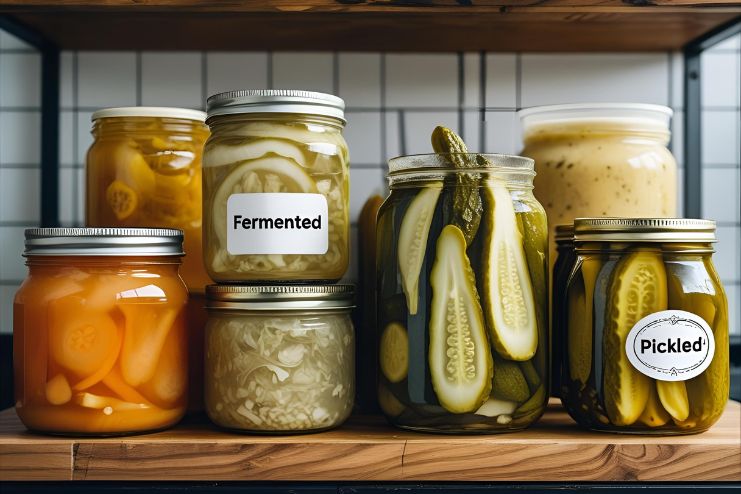
Although both methods preserve food and create similar sour flavors, fermentation and pickling are fundamentally different processes. Fermentation uses live microorganisms to transform food, while pickling relies on acidic solutions—typically vinegar—to preserve it.
As you’ll learn in this article, one method supercharges your microbiome, while the other might offer little to no probiotic benefit. So if your goal is gut health, it’s worth knowing the difference.
What Are Fermented Foods?
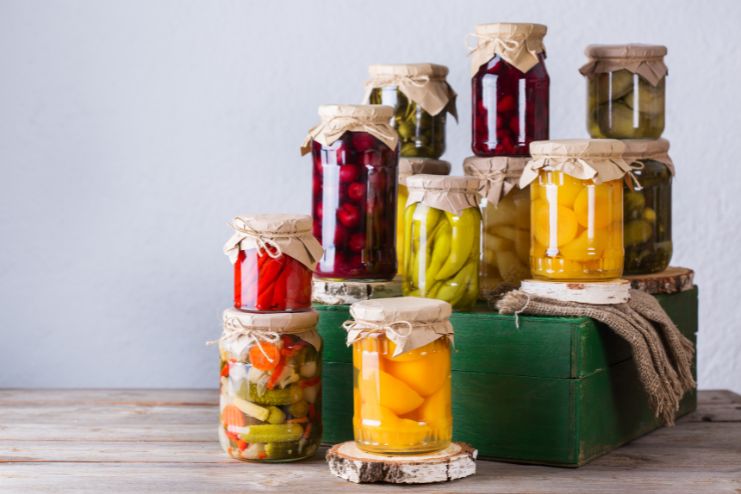
Fermentation is an ancient process that changes food by the action of helpful microorganisms, usually bacteria or yeast. During food fermentation, microbes split sugars and starches into acids, gases, or alcohol. Apart from preserving food, it makes food more flavorful, textured, and nutritious as well.
The most common type of fermentation for digestive health is lacto-fermentation, in which Lactobacillus bacteria ferment sugars to lactic acid. That acid is a natural preservative and gives it that tangy flavor.
Unlike pickling, fermentation does not use vinegar. Instead, it uses salt (or the food’s juices) to provide an anaerobic condition in which helpful bacteria can grow and pathogenic ones are inhibited.
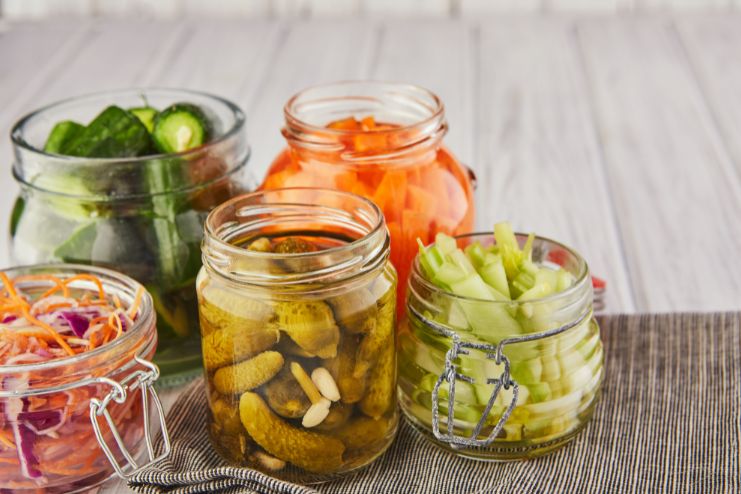
Fermented foods are common in cuisines around the world. Among some of the most common are:
- Sauerkraut – shredded, salted cabbage fermented in its own juices
- Kimchi – spicy Korean vegetables, typically cabbage and radish, fermented along with garlic, ginger, and chili
- Yogurt – milk fermented using bacterial cultures like Lactobacillus bulgaricus and Streptococcus thermophilus
- Kefir – a tangy, liquid cultured milk that is full of varied strains of probiotics
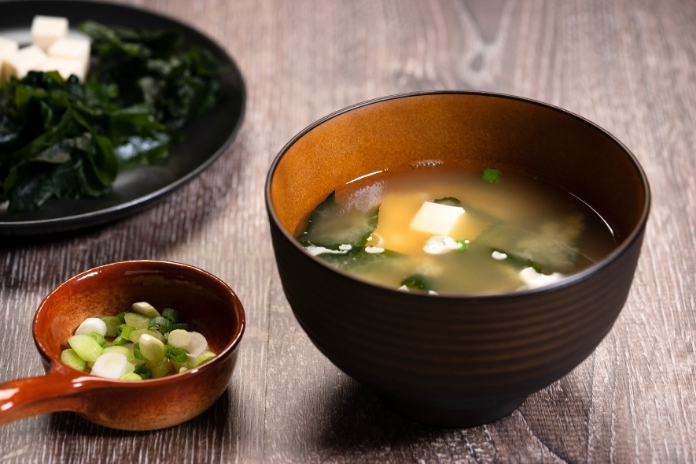
- Miso – Japanese paste derived from fermented soybeans and mold of koji
- Kombucha – fermented tea with yeast and bacteria, creating a fizzy, sweet-sour beverage
These foods are not only delicious—they’re functional, working actively to support a healthy gut microbiome.
Rich in Natural Probiotics:
What makes fermented foods unique is their natural probiotic load. If unpasteurized, they’re filled with live cultures that colonize your gut with healthy microbes. Those probiotics can:
- Restore microbial balance after antibiotics
- Enhance digestion and minimize symptoms such as gas and bloating
- Support immunity through the gut barrier
- Synthesize important nutrients such as B vitamins and vitamin K
In short, fermented foods not only nourish you, they nourish your microbes.
How Fermentation Supports the Gut Microbiome:
The gut microbiome loves diversity at the microbial level, and fermented foods contain a broad spectrum of helpful strains. Daily consumption can:
- Reduce inflammation
- Promote the strength of the intestinal lining
- Regulate bowel habits
- Support mental health by affecting neurotransmitters such as serotonin through the gut-brain axis
A 2021 Stanford study discovered that consumption of fermented foods had enhanced microbiome diversity and reduced markers of inflammation, a fact which ancient cultures had known for centuries: that these foods are potent digestive health tools.
Read More: Why Probiotics Might Not Work Without Prebiotics: How to Maximize Gut Health
What Are Pickled Foods?
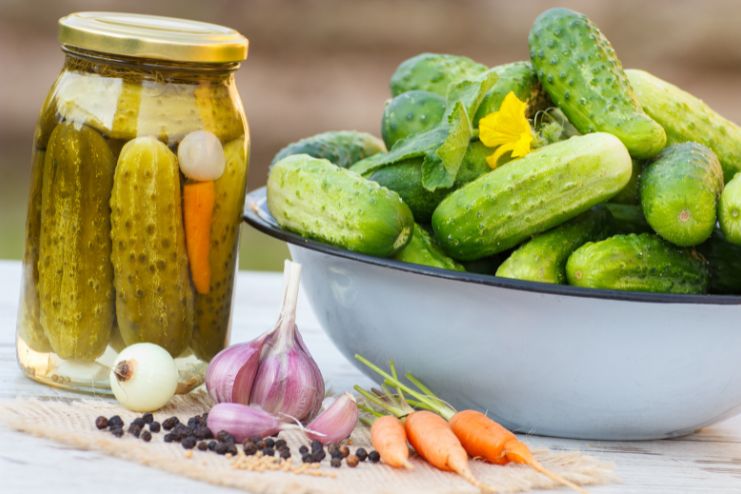
Pickling refers to food preservation by immersing the food in a brine (saltwater) or vinegar solution. The environment is too acidic to allow spoilage, as it kills or inhibits pathogenic bacteria. Pickling makes foods shelf-stable for long durations without the need for refrigeration.
Pickling occurs in two ways:
- Vinegar pickling – Fast and shelf-stable but does not usually contain probiotics
- Salt brining (natural fermentation) – A slower process where lactic acid accumulates naturally as a result of microbial activity
- Only the latter yields probiotic benefits, but not all brined food is subject to genuine fermentation.
Typical pickled foods include:
- Pickled cucumbers (also called pickles)
- Pickled onions, carrots, and beets
- Pickled garlic or green beans
- Jalapeños and other hot peppers
These foods tend to be bright, zesty, and crunchy—good for flavor but not necessarily for the gut.
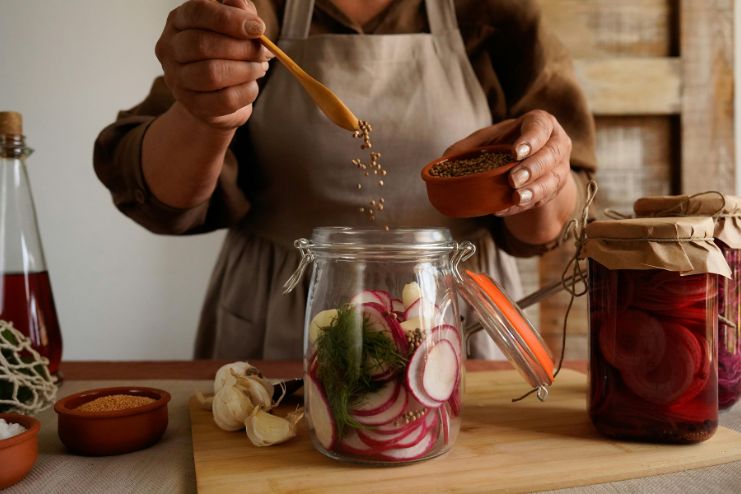
Here’s the important part: most pickled foods don’t have live cultures in them. Commercial pickles are most likely vinegar- and heat-processed (pasteurized), killing off any healthy bacteria.
To get maximum probiotic benefit from pickled foods, search for:
- Naturally fermented pickles (prepared with salt, not vinegar)
- Packages that state “raw,” “unpasteurized,” or “contains live cultures”
- Products found in the refrigerated case
If it’s on a shelf and doesn’t need to be refrigerated, it probably isn’t providing any probiotic benefit.
Flavor vs Function – Not Always Probiotic
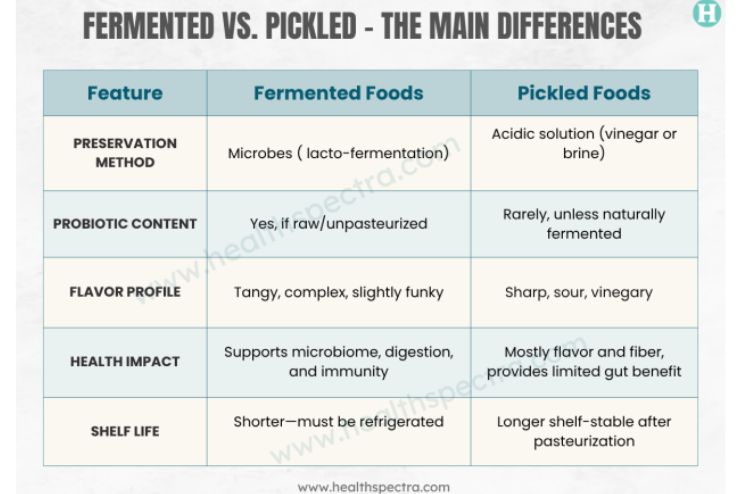 Pickled foods are still healthy in your diet. They’re full of fiber, usually made from brightly colored, antioxidant-bearing vegetables, and can stimulate digestion by virtue of their acidity. But in gut health terms, they’re flavor rather than function—unless they’re fermented.
Which One Is Better for Gut Health?
Why Fermented Foods Typically Win:
Fermented foods are the obvious winner when it comes to gut support. Their live bacteria:
- Replenish your microbiome
- Improve gut lining strength
- Help in digestion
- Boost mood and mental clarity
- May lower the risk of chronic inflammation and metabolic disorders
They’re basically digestive superfoods, and consuming at least one variety every day is one of the healthiest long-term things you can do.
When Pickled Foods Still Matter
All that being said, pickled foods do still serve a function. Even without probiotics, they provide:
- High fiber and plant-based nutrients
- Antioxidants from colorful vegetables
- An easy way to enjoy vegetables more and have them feature more prominently in your diet
- Digestive stimulation through acetic acid (particularly beneficial for low stomach acid)
If you like pickled foods, don’t deprive yourself, just don’t hope they’ll do for your microbiome what fermented foods can.
Read More: Gut Health and Diet: Foods that Promote a Healthy Digestive System
How to Choose Gut-Healthy Fermented Foods

Not everything labeled “fermented” on the grocery shelf is going to be good for your gut. Here’s how to select the best ones:
- Check for “live and active cultures” on the packaging
- Opt for raw, unpasteurized versions
- Verify ingredients: Vegetables, water, and salt are a great indication
- Stay away from added sugars, artificial preservatives, and high sodium
- Refrigeration = enhanced likelihood it has live probiotics
Homemade versions are fantastic as well. Preparing your own yogurt, sauerkraut, or kimchi guarantees that you receive all of the probiotic benefits—plus, it’s budget-friendly.
Tips to Add More Fermented Foods to Your Diet Safely
- Start slowly. Start with a few spoonfuls a day to prevent digestive distress.
- Switch types. Different fermented foods contain varying strains. Do kefir, miso, kimchi, and kombucha throughout the week.
- Combine with fiber. Consuming fermented foods with prebiotic fibers(such as beans, oats, or bananas) supports good bacteria.
- Counteract the salt. Fermented foods tend to be salty. Drink plenty of water and add foods high in potassium to counteract sodium consumption.
- Be mindful of sensitivities. Some people with IBS or histamine intolerance may need to limit fermented foods.
Final Takeaway – Fermented Wins, But Balance Is Key

Fermented foods are the gut health superheroes—loaded with probiotics that help restore balance, improve digestion, and boost immunity. If you’re looking to support your gut microbiome, they should be a staple in your diet.
Pickled foods may not necessarily be probiotic, but they can still provide taste, fiber, and plant nutrients that are beneficial for health overall. And if they’re naturally fermented, all the better.
The bottom line:
- For live probiotics: go fermented
- For flavor and fiber: pickled foods are useful
- For overall gut health: eat fermented foods with prebiotics and variety
The point isn’t to select one at the cost of the other, but to create an overall balanced, microbiome-friendly plate that gets your gut (and you) thriving!
References
- https://www.health.harvard.edu/blog/how-and-why-to-fit-more-fiber-and-fermented-food-into-your-meals-202404263036
- https://www.health.harvard.edu/blog/fermented-foods-for-better-gut-health-201805161607
- https://www.health.harvard.edu/blog/fermented-foods-for-better-gut-health-201805161607
- https://www.webstaurantstore.com/blog/3658/pickling-vs-fermenting.html
- https://growingspaces.com/blog/preserving-the-harvest-pickling-and-fermentation/
- https://www.webstaurantstore.com/blog/3658/pickling-vs-fermenting.html
In this Article