












- Seasonal Triggers Matter: Spring pollen, summer heat, fall ragweed, and winter cold worsen asthma
- Spot Warning Signs Early: Coughing, chest tightness, and fatigue signal an asthma flare-up.
- Stay Prepared: Track triggers, follow your action plan, and adjust medications as needed.
Asthma isn’t always the same; some days, it feels manageable, and other times, it flares up out of nowhere. A lot of people notice their symptoms get worse during certain seasons, but they don’t always know what’s behind it. Turns out, seasonal asthma triggers play a huge role.
Spring brings pollen, summer has humidity and smog, autumn’s all about mold, and winter often means more colds and flu. Each season brings unique challenges that can influence asthma flare-ups.
So, we’re diving into what triggers asthma by season, how symptoms shift throughout the year, and what you can do to spot and stop flare-ups before they get bad. We’ll go over practical ways to prevent asthma attacks, how to catch warning signs early, and even put together an asthma calendar to help you stay ahead of things.
Read More: 7 Best Products for Managing Asthma Symptoms
Why Asthma Symptoms Change with the Seasons
How Environmental Factors Affect the Airways
Asthma, a chronic illness, is characterized by airway inflammation. Seasonal and lifestyle variables cause asthma symptoms to fluctuate throughout the year. Asthma flare-ups often occur most frequently in the fall and winter. It is partly due to an increase in respiratory illnesses like the flu and the common cold, which spread more easily at large holiday gatherings.
Allergens, pollutants, and temperature fluctuations are examples of airway inflammation triggers that can irritate the airways and cause them to narrow, swell, and produce mucus. These alterations exacerbate breathing difficulties and are typical of an asthma flare-up.
The Role of Allergens, Infections, and Weather Shifts
Weather shifts can take a toll on our health. Allergies and asthma flare up, and suddenly, millions of people are struggling to breathe.
Pollen and Seasonal Allergies: Climate change means warmer weather, which stretches out pollen seasons. Not only do they last longer, but the pollen hits harder, too.
Indoor Allergens: When it gets humid, indoor allergens like mold and dust mites thrive, making things even tougher for people with sensitivities.
Temperature Extremes: Severe heat or cold can aggravate asthma symptoms by irritating the airways.
Weather-Related Respiratory Irritants: High winds can blow dust and pollen around, which makes it easier for people to breathe in allergens. Thunderstorms can also make asthma worse because they rapidly change air pressure and ozone levels.
These factors come together to produce varying seasonal asthma triggers. For instance, pollen triggers spring asthma symptoms, while asthma and flu season increase winter risks.
Why Individual Triggers Can Vary
Everybody responds differently to the same stimuli. While some people have trouble with pollution or chilly air, others are more sensitive to pollen. Your unique collection of asthma triggers by season is influenced by genetics, lifestyle, and environmental exposure.
Spring: Pollen Surges and Rising Allergy Triggers
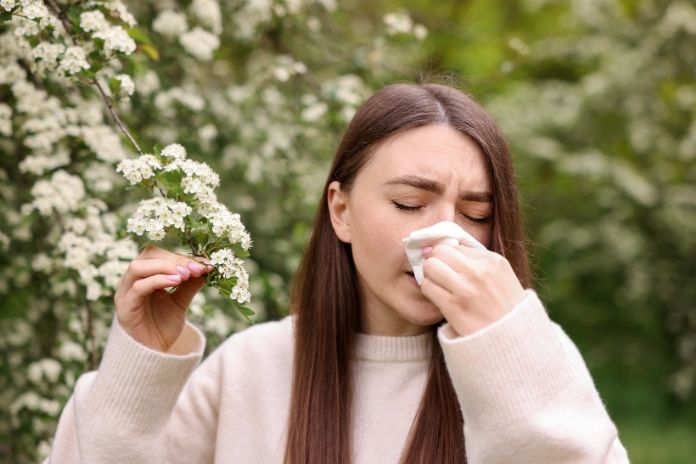
Tree and Grass Pollen are Major Triggers
Spring really throws a curveball when it comes to pollen counts and air quality. Trees and grasses kick up a ton of pollen, which are major seasonal asthma triggers. These allergens can quickly inflame your airways, leading to more coughing and wheezing and making it harder to breathe. It’s no wonder spring feels rough for anyone dealing with asthma.
Early Signs of Seasonal Flare-Ups
You can observe indicators like the following:
- Increased eye irritation or sneezing.
- Little tightness in the chest.
- Coughing a lot, especially outside.
These symptoms often signal the beginning of pollen-induced asthma and trigger spring reactions.
Preventive Steps during High Pollen Days
To lower exposure:
- Check pollen counts and air quality daily.
- Close the windows when pollen is at its highest.
- After being outside, take a shower.
- As part of inhaler use and prevention, use the prescribed inhalers.
These steps help you manage seasonal asthma triggers effectively.
Read More: How to Make Your Home Asthma-Friendly: Room-by-Room Tips for Every Space
Summer: Heat, Humidity, and Thunderstorm Asthma
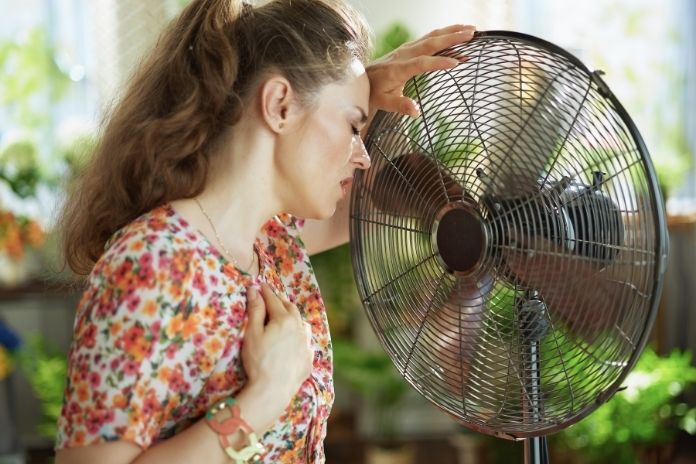
How Hot, Humid Air Can Worsen Symptoms
People living with Asthma may be more susceptible to the effects of scorching summer heat than others for several reasons. It’s critical to understand how to handle hot, humid air because it can exacerbate asthma symptoms.
Because humid air feels denser and heavier, it is more difficult to breathe in. Additionally, it can excite sensory nerves in the airways, which may restrict airflow and induce coughing.
Additionally, dust mites, mold, and pollen, all frequent triggers for individuals with allergies and allergic asthma, thrive in hot, humid weather. The primary cause of air pollution, ozone, can also be increased by heat and humidity.
What is Thunderstorm Asthma, and Why Does it Happen?
The phrase refers to an asthma episode that begins or worsens after a rainstorm. Although anyone with asthma can experience it, seasonal allergic rhinitis, also known as hay fever or simply “allergies”, is the most common cause.
Seasonal allergies typically worsen in the spring, summer, or early fall and are characterized by a runny nose, sneezing, and itchy eyes.
Many people report that wet weather tends to lessen allergy-related asthma symptoms, and rain tends to lower pollen counts by purifying the air. However, a special series of events during thunderstorms can exacerbate asthma:
- Cold downdrafts concentrate mold and pollen.
- High humidity carries these air particles up into clouds.
- Lightning, wind, and humidity break particles in clouds to sizes that allow them to enter the lungs, sinuses, and nose.
Outdoor Exposure Risks and Air Pollution
Additionally, summer brings:
- Higher levels of pollutants
- Exposure to ozone
- Smoke and dust
Staying Active Safely in Warm Weather
Exercise is vital, but safety measures are crucial:
- Work out in the morning or at night
- Drink plenty of water
- Steer clear of days with heavy pollution
- Observe your asthma action plan
Fall: Mold, Ragweed, and Back-to-School Illnesses

Ragweed Pollen and Late-Season Allergies
Ragweed is a weed across the United States, particularly in the Eastern and Midwestern regions. Every plant has a single season. However, up to one billion pollen grains can be produced by that single plant.
Your immune system responds to allergens if you are allergic. You may have allergy symptoms if you are allergic to ragweed pollen and inhale it. Additionally, ragweed is a member of a broader family of plants that may disperse pollen via wind.
Mold Growth from Damp Leaves and Environments
Mold thrives in wet conditions, especially in areas with fallen leaves. Mold spores increase asthma flare-ups by acting as potent triggers of airway inflammation.
Increased Exposure to Respiratory Infections
When schools reopen, the risk of contracting viruses increases. Respiratory infections and asthma are closely linked because infections can worsen airway inflammation and trigger asthma. It is why it’s important to keep an eye on your asthma symptoms and adjust your asthma action plan.
Adjusting Asthma Management Routines
In the fall:
- Improve your hygiene.
- Keep a close eye on the symptoms.
- If flare-ups get worse, see a doctor.
- Stay consistent with inhaler use and prevention.
Read More: Prevent Asthma Flare-Ups with These 10 Simple Indoor Air Quality Solutions
Winter: Cold Air and Flu Season Risks
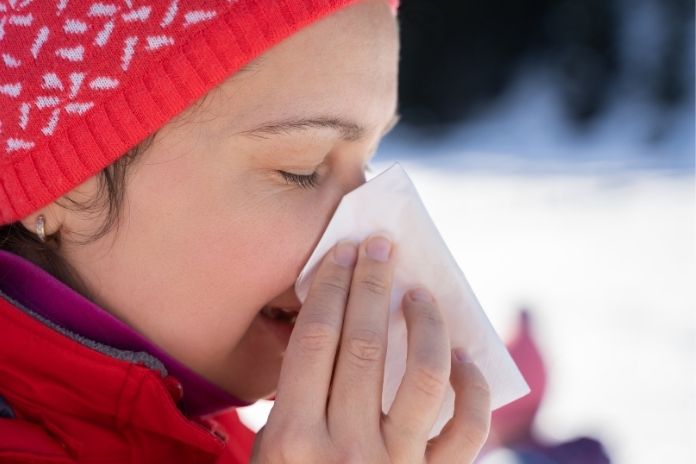
Cold Air as a Trigger for Bronchospasm
Inhaling cold, dry air can cause asthmatic muscles to spasm as they try to keep airways open. This increased irritation of the airway lining brings on coughing, wheezing, and dyspnea. Cold air bronchospasm, a sudden tightening of the airway muscles, can be brought on by cold, dry air irritating the airways.
Asthma symptoms and flare-ups can be triggered by cold, dry air. The dryness of chilly air can cause breathing issues for many asthmatics. Windy circumstances and cold air might also trigger symptoms. In general, you are more likely to be affected by cold air if your asthma is more severe.
Viral Infections (Cold and Flu) and Asthma Flare-Ups
It is the peak season for asthma and influenza, and during this time, infections significantly increase the risk of asthma flare-ups.
Indoor Allergens (Dust Mites, Pet Dander)
Increased time spent indoors is associated with increased exposure to:
- There are dust mites.
- Pet dander.
- Indoor contaminants are a problem.
A significant number of seasonal asthma triggers that contribute to the aggravation of symptoms are listed below.
Protecting your Lungs in Colder Months
Some helpful strategies are as follows:
- It involves covering your lips and nose with a scarf
- Utilizing humidifiers in the process
- Getting vaccinated against the flu
- Keep to the asthma action plan you created
Recognizing Early Warning Signs of an Asthma Flare

The intensity and duration of asthma flare-ups might vary. They can occasionally occur suddenly, resulting in wheezing, shortness of breath, and coughing.
However, there are typically early warning indicators that can help someone determine whether a flare-up is imminent. These symptoms may vary from person to person and even across flare-ups in the same individual. You can monitor these early symptoms with an asthma diary. In this manner, flare-ups can be promptly identified and addressed.
Early warning indicators may consist of:
- Slight coughing
- Clearing of the throat
- Rapid or erratic breathing
- Feeling exhausted
- Difficulty carrying out daily tasks
- Uneasy slumber
- Headache or stomachache
- Mood swings
Symptoms of a flare-up include:
- Increasing cough, particularly when you’re active or at night
- Breathing difficulties
- Tightness in the chest
- Wheezing, or making a whistling sound while exhaling
Read More: Asthma Attack Survival Guide: When to Act, What to Pack, and Who to Call
How to Build a Personalized Asthma Calendar
Tracking Symptoms and Triggers Throughout the Year
Finding asthma trigger trends by season is made easier with a customized calendar. Note:
- Symptoms
- Weather circumstances.
- Allergen exposure.
Using Weather, Pollen, and Air Quality Forecasts
You can predict seasonal asthma triggers and adjust your routine by monitoring pollen counts and air quality.
Identifying Patterns Over Time
Over time, you’ll notice trends such as worsening symptoms during pollen asthma triggers, spring or winter asthma symptoms, and cold weather periods. This insight helps you plan better and reduce the causes of asthma flare-ups.
Preventing Seasonal Asthma Attacks
You can still take steps to control your allergies and asthma even when the weather changes:
Preventive Measures: Check the weather and pollen counts to stay safe. During the morning hours when pollen levels are highest and on days when the wind is strong, stay inside with the windows closed.
Medication and Treatment: Take your allergy and asthma medications exactly as prescribed by your doctor. Antihistamines can help with allergy symptoms, and inhaled corticosteroids can help keep airway inflammation under control.
Changes to the Home Environment: Air purifiers and dehumidifiers help keep dust mites and mold from circulating in the indoor air. Regularly wash your sheets and vacuum your carpets.
Importance of an Updated Asthma Action Plan: An updated asthma action plan makes sure you know exactly what to do when your symptoms get worse. It’s one of the most effective tools for preventing asthma attacks.
When to See a Doctor for Seasonal Worsening
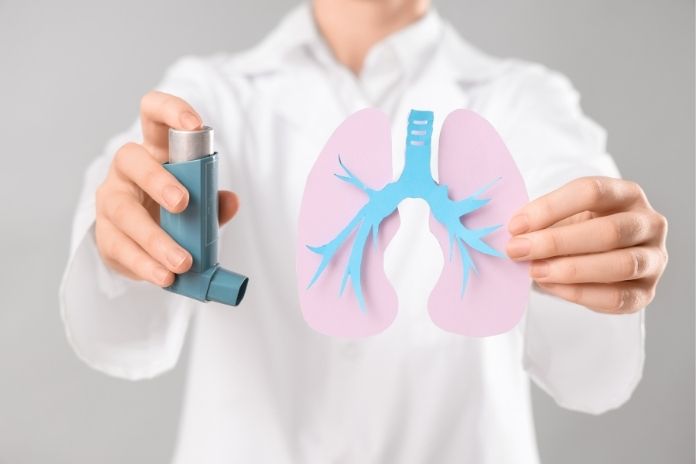
It is crucial to know when to seek professional help, even if you can handle many allergy and asthma symptoms at home. Speak with your physician if you encounter:
- Breathing problems, chest tightness, or wheezing that don’t go away with medicine
- Breathing quickly or having trouble breathing while at rest
- Your lips or fingernails may go bluish
- Breathing difficulties make it difficult to speak in complete sentences
- Severe allergic symptoms, including swelling of the lips, tongue, or face
Read More: All About Asthma – Key Symptoms, Causes, and Effective Treatments
Conclusion
Managing asthma year-round means knowing how each season affects your symptoms. In spring, pollen can set you off. Summer brings heat and thunderstorms, making breathing tough. Fall isn’t easy either, with ragweed and mold spikes. Winter brings cold air and more viruses.
It helps to spot your warning signs early, keep an eye on patterns, and follow a personal asthma action plan. Stay informed and prepared, and you can keep your breathing under control. Seasonal changes don’t have to hold you back.
References
- Asthma and Allergy Foundation of America. (2024, April). Weather triggers and asthma
- Asthma.com. Weather changes and asthma.
- Amgen. (2022, February 18). How the different seasons can affect your asthma
- University of Alabama at Birmingham Medicine. Breathe better: Tips for managing seasonal asthma
- Asthma and Allergy Foundation of America. Asthma prevention.
- National Jewish Health. Asthma symptoms
- Nemours KidsHealth. (2023, September). How to handle asthma flare-ups
- University of Utah Health. (2022, September 1). Tips for managing asthma in heat and humidity.
- Asthma and Allergy Foundation of America. (2023, August). Ragweed pollen allergy.
- Allergy & Asthma Network. (2025, May 27). Cold air and asthma = winter asthma.
In this Article