












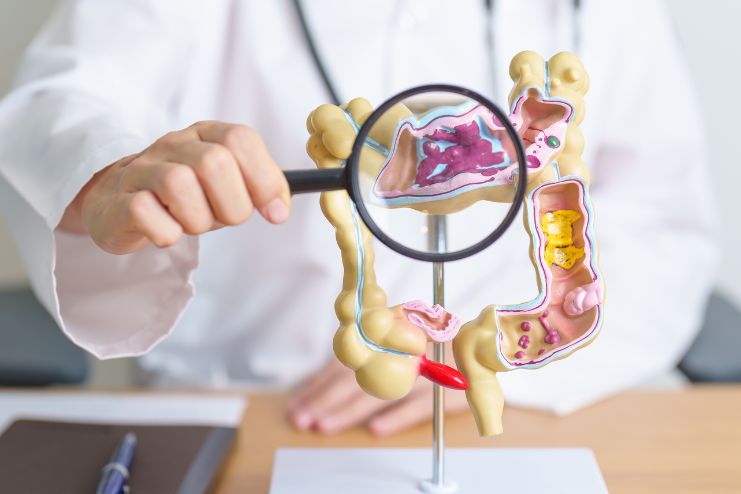
Ever feel like your digestive system is always running behind schedule? That sluggish, frustrating feeling of bloating, infrequent bathroom visits, and abdominal discomfort might not be just a passing inconvenience; it could be a sign of what’s commonly referred to as a lazy colon.
While “lazy colon” isn’t a formal medical diagnosis, the term accurately describes a condition that affects many people, often without them realizing the underlying cause. In medical terms, this is known as slow transit constipation (STC), a type of chronic constipation where the colon (large intestine) moves waste at an abnormally slow pace.
Over time, this slow transit disrupts regular bowel movements, causes bloating, leads to hard or dry stools, and can significantly impact daily comfort and well-being. A lazy colon doesn’t just delay your digestive process; it can lead to a frustrating cycle of discomfort, overuse of laxatives, and dietary confusion. And because symptoms can mimic other gastrointestinal issues, many people suffer in silence or treat it incorrectly for years.
In this article, we’ll unpack everything you need to know about a lazy colon:
- What exactly causes the colon to slow down?
- How to differentiate it from occasional constipation?
- The key symptoms to watch for.
- Natural and medical approaches to fix it.
- And most importantly, how to get your gut back on track.
Whether you’re dealing with daily digestive sluggishness or just want to understand what’s going on in your gut, this comprehensive guide will help you identify the issue and explore realistic and effective ways to manage it.
What is a Lazy Colon?
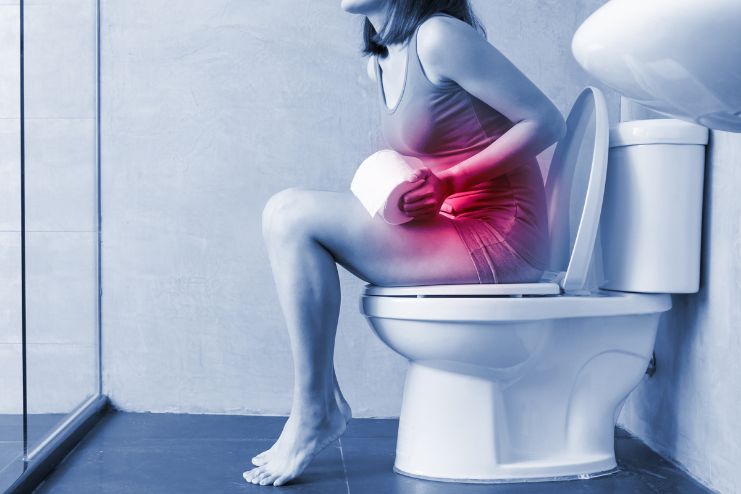
A lazy colon, also known as slow transit colon or slow transit constipation (STC), refers to a condition where the motility (or movement) of the large intestine is abnormally slow. In simpler terms, your colon isn’t doing its job efficiently; it moves waste through your digestive tract at a sluggish pace, resulting in chronic constipation and a general sense of digestive discomfort.
A lazy colon is a long-term, often chronic issue. It may stem from muscular dysfunction, nerve signaling problems, or underlying conditions that affect how the bowel muscles contract and push stool forward.
Dr. William D. Chey, a renowned gastroenterologist at the University of Michigan, has extensively discussed the physiological aspects of chronic constipation, particularly slow transit constipation.
In his presentation titled “Management of Patients with Chronic Constipation,” Dr. Chey notes that the main causes of constipation include slow colon transit and/or disordered defecation. He emphasizes that constipation is a multi symptom condition and that a multidisciplinary approach is optimal for severely affected patients.
Nearly everyone experiences occasional constipation from time to time, whether due to travel, dietary changes, dehydration, stress, or even medication. But a lazy colon is different:
 A lazy colon may also be part of a functional gastrointestinal disorder, like irritable bowel syndrome with constipation (IBS-C), or be linked to neurological conditions, pelvic floor dysfunction, or post-surgical changes in the GI tract.
What Happens Inside the Colon?
Normally, your colon contracts in a rhythm, these are known as peristaltic waves, to push stool forward. In a lazy colon, this process is delayed or weakened, which means stool sits in the colon for too long. As a result, the colon continues to absorb water from it, leading to hard, dry stools that are difficult (and often painful) to pass.
Over time, this can cause a cascade of issues: bloating, gas, abdominal discomfort, and even the need for regular laxative use, which ironically can worsen the problem in the long run.
Common Causes of a Lazy Colon

Understanding what causes a lazy colon is the first step in managing and treating it effectively. Several lifestyle, physiological, and medical factors can contribute to slow colonic transit and digestive sluggishness.
1. Poor Dietary Habits
A diet low in fiber and high in processed foods can drastically slow down bowel movements. Fiber adds bulk and softness to stool, helping stimulate colon contractions and making elimination easier. Without it, the colon struggles to move stool efficiently. Dehydration compounds the issue by pulling even more water out of the stool, making it dry and difficult to pass.
“Fiber creates bulk, but not all fibers are the same,” says Dr. William D. Chey, a gastroenterologist at the University of Michigan. “Insoluble fiber works for constipation by increasing biomass in the stool, and it may even create mechanical stimulation in the bowel, triggering motility.”
2. Lack of Physical Activity
Movement stimulates intestinal muscles, promoting regular peristalsis (the wave-like contractions that move food through the colon). A sedentary lifestyle, especially one involving prolonged sitting, can reduce this natural stimulation. Research shows that even light exercise, such as walking or yoga, improves bowel motility.
A 2019 systematic review and meta-analysis, titled “Exercise therapy in patients with constipation: a systematic review and meta-analysis of randomized controlled trials,” analyzed nine randomized controlled trials involving 680 participants. The findings indicated that exercise significantly improved constipation symptoms, with aerobic exercises like walking and Qigong showing notable benefits.
3. Pelvic Floor Dysfunction
The pelvic floor muscles play a crucial role during defecation. If these muscles don’t coordinate properly, due to straining, childbirth injuries, or neuromuscular dysfunction, it can lead to difficulty passing stool. This condition often overlaps with lazy colon and is a frequently overlooked contributor to chronic constipation.
Pelvic floor dysfunction may also cause a paradoxical contraction (tightening instead of relaxing during bowel movements), which contributes to incomplete evacuation and worsens motility over time.
4. Nerve or Muscle Issues
Chronic conditions that affect the nervous system, such as Parkinson’s disease, multiple sclerosis, or diabetes, can damage the nerves responsible for triggering colon contractions. Similarly, issues with the smooth muscles in the colon can impair their ability to contract rhythmically.
A comprehensive review titled “Idiopathic Slow Transit Constipation: Pathophysiology, Diagnosis, and Management,” published in Medicina (2024), highlights that neurological disorders such as Parkinson’s disease, multiple sclerosis, stroke, spinal cord injury, and diabetic enteric neuropathy are significant contributors to slow-transit constipation. These conditions can impair colonic motility by affecting the enteric nervous system, leading to delayed transit times.
5. Overuse of Laxatives
Stimulant laxatives may offer temporary relief, but over time, chronic use can weaken the colon’s natural reflexes. The bowel becomes dependent on external stimulation, and this can reduce intrinsic motility, contributing to lazy colon over the long term.
Dr. Satish Rao, Director of Neurogastroenterology at Augusta University, has extensively studied and discussed the consequences of laxative overuse, particularly in relation to conditions like dyssynergic defecation. This condition, affecting up to half of chronic constipation patients, involves impaired coordination between the brain and the colon, often exacerbated by improper use of laxatives.
6. Hormonal Shifts
Hormonal fluctuations during pregnancy, hypothyroidism, and perimenopause can slow digestion and disrupt bowel regularity. For example, elevated progesterone levels during pregnancy relax smooth muscle tissues, including those in the colon, slowing down transit time.
Additionally, low thyroid hormone levels in hypothyroidism reduce metabolic activity, which can decrease gut motility.
Symptoms of a Lazy Colon

A lazy colon isn’t just an inconvenience; it’s a condition that can seriously affect your comfort, digestion, and daily life. If your bowel habits feel “off” more often than not, your body may be trying to tell you something.
Here are the most common symptoms of a sluggish or lazy colon, and what they might mean:
Infrequent Bowel Movements
If you’re having fewer than three bowel movements per week, it’s considered constipation. But with a lazy colon, this becomes a chronic pattern, not just a once-in-a-while occurrence. You might go days without a proper bowel movement, and even when you do go, the experience may not be complete or satisfying.
Hard, Dry, or Painful Stools
When stool sits too long in the colon, the body reabsorbs water from it, resulting in dry, hard lumps that are difficult and painful to pass. You may find yourself straining during bowel movements, which can also lead to other issues like hemorrhoids or anal fissures.
Chronic straining is not normal and is a key indicator that something deeper, like poor motility, is at play.
Bloating and Gas Buildup
A slow-moving colon often traps gas and partially digested food, causing that familiar bloated or gassy feeling. You may experience a distended abdomen, gurgling sounds, and pressure that increases throughout the day, especially after eating.
Feeling of Incomplete Evacuation
Even after going to the bathroom, people with a lazy colon often describe a frustrating sensation of not being “fully empty.” This can lead to frequent trips back to the toilet or constant discomfort that lingers throughout the day. This symptom is especially common in people with pelvic floor dysfunction or motility disorders.
Abdominal Discomfort or Digestive Sluggishness
That nagging heaviness, dull cramping, or aching in the lower belly is a classic symptom of poor digestive movement. Many people describe it as feeling like their gut is “stuck” or “behind schedule.” This discomfort often comes and goes in waves and can be mistaken for bloating, menstrual cramps, or even IBS.
When Symptoms Start Affecting Your Life
These symptoms aren’t just physically uncomfortable; they can take a toll emotionally, too. Feeling bloated, sluggish, or backed up can interfere with your appetite, energy levels, mood, and even social confidence.
Important: If these symptoms persist for more than two to three weeks, especially if accompanied by blood in stool, unintentional weight loss, or severe pain, you should speak to a healthcare professional. Chronic constipation is not something to ignore.
How It’s Diagnosed

Diagnosing a lazy colon, or slow transit constipation, isn’t always straightforward. Its symptoms often overlap with other gastrointestinal issues like irritable bowel syndrome (IBS) or obstructive disorders. However, a combination of symptom history, physical evaluation, and specialized testing allows doctors to make an accurate diagnosis.
1. Medical History and Symptom Assessment
The first step is a thorough review of your bowel habits and overall digestive health. Doctors typically ask about:
- Frequency of bowel movements
- Stool consistency (often referenced using the Bristol Stool Chart)
- Straining or pain during defecation
- Dietary habits, hydration, and physical activity levels
- History of laxative use, medications, or hormonal changes
- Additional symptoms like bloating, abdominal discomfort, or a sensation of incomplete evacuation
This initial assessment helps differentiate occasional constipation from more complex motility issues.
2. Transit and Imaging Tests
- Colonic Transit Study (Sitz Marker Test): You swallow a capsule with markers; X-rays track how long it takes to move through the colon. If markers remain after 5 days, it suggests a lazy colon.
- Abdominal X-ray or CT scan: Can detect stool buildup or blockage.
- Defecography: Evaluates pelvic muscle coordination during bowel movements.
3. Rule Out Other Conditions
Doctors use:
- Colonoscopy to check for polyps, tumors, or IBD
- Blood tests to identify thyroid issues or deficiencies
4. Advanced Tools in Complex Cases
For patients with persistent or unexplained symptoms, additional tools may be used:
- SmartPill (wireless motility capsule): This capsule measures pH, pressure, and temperature throughout the digestive tract to assess transit time across the stomach, small intestine, and colon.
- Colonic Manometry: A specialized test that evaluates pressure and muscle activity in the colon. It helps determine whether the colonic nerves and muscles are functioning properly.
How to Fix a Lazy Colon: Natural and Medical Approaches

The good news? A lazy colon isn’t a life sentence. With the right mix of dietary habits, movement, therapy, and, if needed, medical support, your digestive system can regain its rhythm. Whether your symptoms are mild or persistent, there are multiple ways to encourage healthy bowel movement. This section breaks down natural and clinical methods to help restore normal colon function.
Dietary Changes
What you eat directly affects how your colon functions. A fiber-rich, hydrated diet can work wonders for gut motility. Gradually adding gut-friendly foods helps prevent discomfort while building regularity.
- Increase both soluble fiber (oats, apples, lentils) and insoluble fiber (whole grains, vegetables)
- Introduce fiber slowly to avoid bloating and gas
- Drink at least 2 liters of water daily to soften stool
- Add gut-friendly foods: prunes, chia seeds, leafy greens, yogurt, and kimchi
- Limit processed foods and refined sugars
Movement and Lifestyle
Physical movement isn’t just good for your heart; it’s essential for your gut.
Activity helps stimulate intestinal contractions and keeps things flowing.
- Walk or exercise 20–30 minutes daily to boost colon activity
- Try yoga poses like wind-relieving pose and twists
- Use abdominal massage techniques to stimulate the colon
- Maintain a consistent bathroom schedule (try after meals or mornings)
- Avoid ignoring the urge to go; this can worsen lazy colon symptoms
Behavioral and Pelvic Floor Therapy
If pelvic floor dysfunction is involved, retraining these muscles can improve elimination.
Behavioral habits like chronic straining or delaying bowel movements also need attention.
- Consider biofeedback therapy with a pelvic floor specialist.
- Practice diaphragmatic breathing and relaxed defecation postures.
- Avoid frequent straining or using digital aids to pass stool.
- Address psychological triggers like anxiety or shame around bathroom use.
Targeted Supplements
Some supplements support regular bowel movements by improving stool consistency or drawing in moisture. Always consult a healthcare provider before starting supplements, especially long-term.
- Magnesium citrate: draws water into the intestines for easier passage.
- Psyllium husk: bulk-forming fiber (must be taken with water).
- Aloe vera, senna, or cascara: occasional use only; avoid long-term dependency.
- Probiotics: may help rebalance gut flora, especially after antibiotics.
Medical Treatments
When lifestyle changes aren’t enough, medical therapies can help restore motility. These are often used for chronic or severe cases, under professional supervision.
- Osmotic laxatives (e.g., polyethylene glycol) draw water into the colon.
- Stimulant laxatives (e.g., bisacodyl, senna) for short-term use.
- Prescription medications:
- Lubiprostone to increase fluid secretion
- Linaclotide to improve gut motility
- Surgery (colectomy) in rare, severe motility disorder cases only.
When to See a Doctor
It’s important to consult a healthcare provider if constipation persists beyond 2 to 3 weeks or if you experience alarming symptoms such as rectal bleeding, unexplained weight loss, or severe bloating. Additionally, if over-the-counter remedies fail or symptoms worsen, a medical evaluation is necessary to rule out serious conditions and tailor an appropriate treatment.
Final Thoughts
A lazy colon may sound harmless, but when left unaddressed, it can lead to persistent constipation, bloating, and even long-term digestive issues. It’s not just about irregular bathroom visits; it’s about how your body absorbs nutrients, eliminates waste, and maintains balance. Recognizing the symptoms early is the first step toward real, lasting relief.
The good news is that most cases can be managed naturally. A fiber-rich diet, proper hydration, daily movement, and gut-friendly habits can work wonders. For those with deeper underlying causes, like pelvic floor dysfunction or nerve-related motility issues, medical therapies, biofeedback, and prescription support are available and effective.
Your gut health plays a crucial role in your overall well-being.
References
- https://www.osmosis.org/answers/lazy-bowel-syndrome
- https://www.medicalnewstoday.com/articles/327136
- https://www.enterogermina.com/en-ae/gut-disorders/bowel-disorders-in-adults/lazy-gut
- https://my.clevelandclinic.org/health/diseases/4059-constipation
- https://www.enterogermina.com/en-ae/gut-disorders/bowel-disorders-in-adults/lazy-gut
- https://www.health.harvard.edu/diseases-and-conditions/common-causes-of-constipation
- https://www.hopkinsmedicine.org/health/conditions-and-diseases/constipation
- https://medlineplus.gov/ency/article/003971.htm
- https://familydoctor.org/deciding-see-doctor/
- https://www.mayoclinic.org/symptoms/dizziness/basics/when-to-see-doctor/sym-20050886
- https://www.msdmanuals.com/home/fundamentals/making-the-most-of-health-care/when-to-see-a-doctor
In this Article