












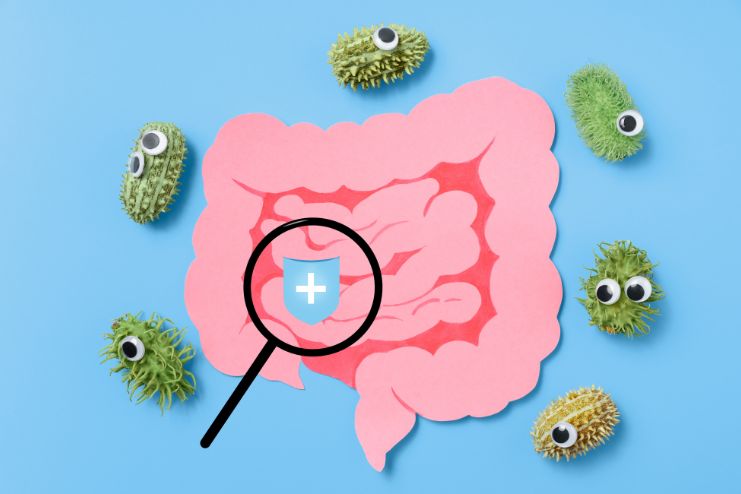
When we think of gut health, prebiotics and probiotics often come to mind. However, they aren’t the only ones that provide immunity benefits. Postbiotics are equally essential compounds that support digestion and overall health.
Welcome to the world of postbiotics, the next big thing in gut health.
Postbiotics give you the benefits of probiotics without needing to support live bacteria in your gut. Imagine having all the benefits of gut health without dealing with refrigeration, survival rates, or knowing whether your probiotic supplement is actually working. That’s why postbiotics provide a more stable and reliable means to maintain digestion and immunity.
Unlike probiotics (live bacteria) and prebiotics (the fibers that the bacteria eat), postbiotics are beneficial bioactive molecules generated during fermentation by gut flora. They provide an exciting avenue for maintaining gut health without the pitfalls of live bacterial supplementation.
As research highlights the benefits of postbiotics, they are becoming increasingly popular in the wellness world. But what exactly are they, and why do they matter? Let’s break it down.
Read More: Why Probiotics Might Not Work Without Prebiotics: How to Maximize Gut Health
Understanding the Gut Microbiome

The gut microbiome is a complex community of microorganisms—bacteria, viruses, and fungi—that work together to support digestion, immunity, and mood. A healthy microbiome is necessary for overall health, as an imbalance can lead to dysbiosis, causing digestive and inflammatory disorders.
Probiotics vs. Prebiotics vs. Postbiotics
To better understand postbiotics, we must compare them with their well-known counterparts, prebiotics and probiotics:
- Probiotics: Probiotics are the live beneficial bacteria found in fermented foods (like yogurt and kefir) and supplements that help maintain a healthy gut microbiota.
- Prebiotics: Prebiotics help probiotics (good bacteria) survive and grow in the gut. Prebiotics are non-digestible fibers that serve as food for probiotics, helping them thrive to maintain a healthy gut.
- Postbiotics: Postbiotics are the bioactive compounds produced when probiotics ferment prebiotics, including short-chain fatty acids (SCFAs), vitamins, and antimicrobial peptides.
Read More: Digestive Enzymes vs. Probiotics: What’s the Difference and Which One Do You Need?
What Exactly Are Postbiotics?
Postbiotics are the positive by-products of probiotic action. They are not live microbes like probiotics but are the enzymes, metabolites, and compounds produced by bacteria.
The key postbiotic compounds are:
- Short-chain Fatty Acids (SCFAs) (e.g., butyrate): These provide energy for gut cells while tightening up the intestinal lining and calming inflammation.
- Enzymes and Peptides: These promote digestion and help boost the immune system.
- Vitamins (B vitamins, Vitamin K2): Produced by gut bacteria to support metabolic activities.
- Cell Wall Fragments of Beneficial Bacteria: These may regulate immune functions and decrease inflammatory responses in the gut.
Health Benefits of Postbiotics
Here are a few significant ways postbiotics help maintain gut health and overall well-being:
1. Gut Health and Digestion:
Short-chain fatty acids (SCFAs), particularly butyrate, are a primary energy source for colon cells, strengthening the gut lining and enhancing barrier function. An improved gut lining minimizes intestinal permeability, thus preventing undesirable substances from entering the blood supply.
SCFAs also support normal bowel function by stimulating colonic motility while reducing inflammation. Postbiotics, such as SCFAs, may help reduce irritable bowel syndrome (IBS) symptoms by supporting gut barrier function and modulating the immune system.
Postbiotics also help reduce bloating and abdominal discomfort and improve bowel habits in patients with IBS.
Read More: SIBO vs. IBS: Understanding the Differences and How to Manage Them
2. Immune System Support:
Postbiotics, or the non-viable microbial products of probiotics, have been shown to modulate the immune system, improving the body’s infection-fighting ability and inflammation reduction. Both innate and adaptive immune responses are triggered by postbiotics, supporting the barrier function of the intestinal mucosa and generating antimicrobial substances that inhibit pathogens.
Postbiotics may also improve anti-inflammatory cytokines and suppress pro-inflammatory signals, promoting a balanced immune response.
By regulating gut microbiota composition and function, postbiotics help prevent gastrointestinal infections and strengthen the immune system. Due to their immunomodulatory activity, they represent a valuable therapeutic intervention to enhance host immunity and to avoid infection.
3. Metabolic Benefits:
Postbiotics, more specifically, short-chain fatty acids (SCFAs) such as butyrate and propionate, are essential for metabolic regulation and weight control. These compounds, which are generated by intestinal bacteria from fiber fermentation, affect fat storage, energy utilization, and insulin sensitivity.
Studies indicate that SCFAs regulate blood glucose by activating glucagon-like peptide-1 (GLP-1), a hormone that promotes insulin release and inhibits the rise of blood glucose. In addition, they can regulate fat metabolism genes to support fat burning while preventing fat accumulation.
Higher levels of SCFAs are associated with better metabolic conditions and lower risks of obesity-related diseases. As studies continue, postbiotics might prove to be useful in the creation of dietary interventions and supplements for managing weight and metabolic health.
Read More: 10 Mistakes to Avoid When Trying to Improve Your Gut Health
4. Skin Health and Anti-Aging:
Current studies show that postbiotics can profoundly improve skin health by strengthening the skin barrier, enhancing moisture levels, and reducing inflammation. These bioactive compounds reinforce the skin microbiome, existing as a physical barrier that sustains barrier integrity and protects against outside aggressors such as pollution and UV light.
By strengthening the skin’s natural barriers, postbiotics prevent moisture loss, resulting in better skin hydration and elasticity.
Also, their anti-inflammatory action can reduce conditions like acne, eczema, and rosacea, resulting in a healthier and clearer complexion. Using postbiotics in skincare provides a promising way to maintain skin health and enhance its resilience.
5. Mental Health and The Gut-Brain Connection:
The gut secretes neurotransmitters such as serotonin and GABA, which affect mood and cognition.
Postbiotics provide a stable and specific method of regulating immune responses and reducing neuroinflammation, both of which are commonly associated with mental health conditions. By affecting neurotransmitter production, postbiotics have the potential to improve communication across the gut-brain axis and thereby reduce depression and anxiety symptoms.
Read More: 12 Ways to Improve Gut Bacteria – Treat Your Gut With Care!
Best Sources of Postbiotics

You can get postbiotics naturally through diet or supplements. Here’s how:
1. Gut-Friendly Fermented Foods:
Include yogurt, kefir, sauerkraut, miso, tempeh, and kimchi in your diet, which are all packed with postbiotics.
You can also add aged cheese and fermented soy foods rich in postbiotic compounds to your diet.
2. Postbiotic Supplements:
Unlike probiotic supplements that contain live bacteria, postbiotic supplements provide stable bioactive compounds without the concern of bacterial survival.
They may benefit individuals who cannot tolerate live probiotics or have sensitive digestive systems.
We find postbiotic supplements everywhere. And these are some of our top picks:
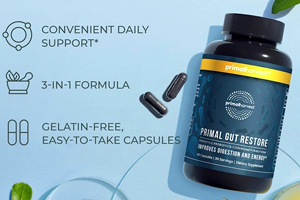
1. Primal Harvest Restore for Gut Health
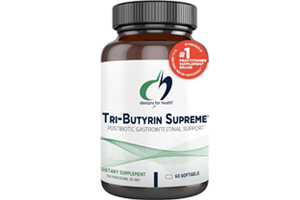
2. Designs for Health Tri-Butyrin Supreme – 3-in-1 Butyric Acid (Butyrate) Postbiotics
3. Naturally Occurring Postbiotics in the Body:
A high-fiber diet stimulates probiotic bacteria to yield postbiotics naturally.
Fruits, whole grains, seeds, nuts, and legumes facilitate the fermentation process essential for postbiotic formation.
Should You Take Postbiotics?
Postbiotics are becoming popular due to their stability and general health benefits, but are they appropriate for everyone? Adding postbiotics to your lifestyle can offer several benefits through diet or supplementation, particularly for individuals with gastrointestinal or immunological issues.
Who can benefit from Postbiotics?
- People with digestive disorders or inflammatory gut conditions.
- Individuals who have immune dysfunction issues or experience frequent infections.
- Individuals who are unable to tolerate postbiotics but still want a healthy gut.
Read More: 10 Natural Remedies to Boost Digestive Health from the Comfort of Your Home
Are Postbiotic Supplements Necessary?
Postbiotic supplements are common but not necessary if you follow a healthy lifestyle. You must specifically have a balanced diet rich in fiber and fermented foods that can naturally support postbiotic production.
However, supplements may provide a more consistent dose for those needing targeted support when the diet does not work.
Conclusion
Postbiotics are becoming a potent weapon for immune and gut health, providing more advantages over conventional probiotics and prebiotics. Their stability and diverse health benefits make them a promising area of research and application in the wellness industry.
Adding postbiotic-rich foods or supplements to your diet may be an easy and effective solution to aid digestion, immunity, and overall health. As science learns more about their potential, postbiotics might become a mainstay in preventive medicine soon.
Would you add more postbiotics to your diet? Share your thoughts!
References
- https://pmc.ncbi.nlm.nih.gov/articles/PMC10625129/
- https://www.biosocialhealthjournal.com/PDF/bshj-1-170.pdf
- https://pmc.ncbi.nlm.nih.gov/articles/PMC10301930/
- https://pmc.ncbi.nlm.nih.gov/articles/PMC9503758/
- https://pmc.ncbi.nlm.nih.gov/articles/PMC10625129/
- https://www.frontiersin.org/journals/endocrinology/articles/10.3389/fendo.2020.00025/full
- https://pmc.ncbi.nlm.nih.gov/articles/PMC6801921/
In this Article