












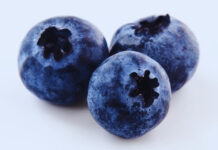


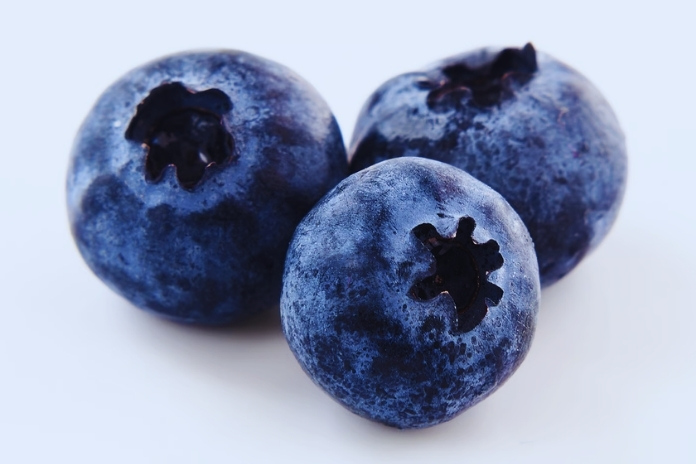
Whenever people hear antioxidants, the first food that comes to mind is mostly blueberries. Health blogs, smoothie ads, and cereal boxes have promoted blueberries for years. Some of it is also true. They have strong research supporting brain health, blood pressure, and inflammation. Over time, though, people started thinking blueberries were the only serious antioxidant food.
Research now shows that variety matters more than relying on a single superfood. Actually, many foods perform as well as or better than others in antioxidant measurements. Some are cheaper. Some are easier to eat in larger quantities. Some are already sitting in the kitchen, but nobody ever thinks of them as real antioxidant foods. This list of high-antioxidant foods covers nine foods besides blueberries.
One small thing is important before starting. Most antioxidant comparisons use the ORAC value, which measures antioxidant activity in lab conditions, basically a test-tube setting. USDA later removed the public ORAC database because human body results are more complicated than lab numbers alone.
But ORAC still helps a lot when comparing foods. It tells us which fruits and vegetables are highest in antioxidants. It should not be treated like a magic health score. For comparison, fresh cultivated blueberries have an ORAC value of around 4,669 per 100g.
- Blueberries are not the only high-antioxidant food.
- Cocoa, elderberries, pecans, kidney beans, artichokes, turmeric, spinach, and cranberries all provide strong antioxidant activity through compounds.
- ORAC values help compare foods.
Read More: Health Benefits of Longan Fruit: Nutrition, Antioxidants, and How to Eat It
Dark Chocolate and Raw Cocoa
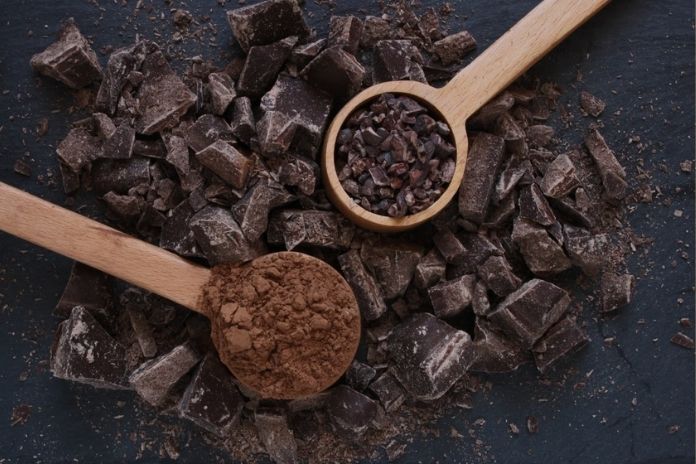
Raw cocoa powder is honestly one of the most antioxidant-rich foods by the numbers. ORAC value around 55,653 per 100g. That is almost 12 times as many oxidants as blueberries by weight. Even dark chocolate with 70% cocoa still easily beats many fruits.
Main antioxidant compounds here are flavanols, especially epicatechin and catechin. Scientists are studying these compounds for their effects on blood circulation, heart health, blood vessel flexibility, and inflammation reduction.
But there is one practical reality many articles ignore. Nobody is really going to have 100g of raw cocoa powder. It tastes extremely bitter. Almost like eating dry dirt mixed with coffee. Most health studies use small portions of dark chocolate, usually around 20–40g.
Means benefits coming from moderate intake, not eating a whole chocolate bar while saying “antioxidants.” Milk chocolate is also much weaker because sugar and milk heavily dilute the cocoa content.
One interesting thing about cocoa: processing significantly affects its antioxidant levels. Dutch-processed cocoa is usually lower in flavonoids compared to more natural cocoa powders.
Elderberries
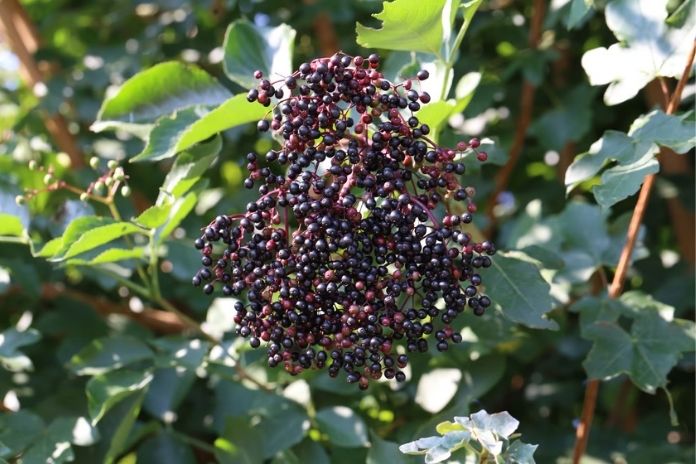
Elderberries have an ORAC value of around 14,697 per 100 g. More than three times blueberries. They are rich in anthocyanins, the same polyphenols that give blueberries their dark color, but at much higher concentrations. Integrative medicine specialist Dr. Naoki Umeda states, “They’re a low-calorie source of antioxidants.”
Elderberries became popular mainly because of research on immune support. One 2016 study found that elderberry extract reduced the duration and severity of cold symptoms in travelers. That gave elderberry a stronger clinical relevance than many trendy superfoods.
But elderberries are different from normal berries. People usually do not eat them fresh by the bowl. Raw elderberries can upset the stomach and need to be cooked properly. So most people consume them through syrups, gummies, teas, or supplements.
One problem, though: many elderberry syrups are full of sugar. So label reading matters. Some products contain little actual elderberry and lots of sweetener.
Taste is also very different from blueberries. More sharp, earthy, and a little medicinal, almost. But in warm drinks and syrups, it works well.
Artichokes
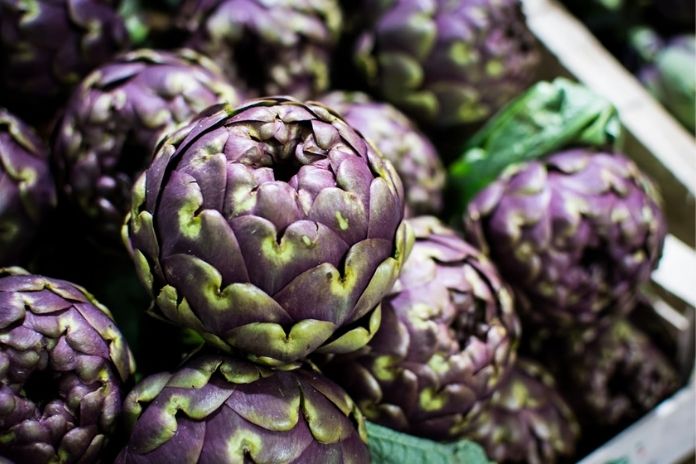
Artichokes may be one of the most underrated antioxidant vegetables. ORAC value around 9,416 per 100 g, nearly double that of blueberries. But because they are vegetables rather than berries, people don’t associate them with antioxidants.
Main compounds here are cynarin and silymarin. Both studied for liver protection and cholesterol support. That is why artichoke extract now appears in many liver supplements.
Interestingly, canned artichoke hearts still retain most of their antioxidant activity. Frozen ones are also good. Means people don’t always need fancy, fresh, imported artichokes.
Another good point, artichokes fit real meals easily. Pasta, salads, pizza toppings, grain bowls, roasted vegetables. Much easier for many people compared to expensive berries eaten occasionally.
Research around liver enzymes makes artichokes especially interesting for people with fatty liver concerns or regular alcohol intake. Obviously, not a miracle cure. But one of the few vegetables with decent evidence in that area.
Honestly, the antioxidant discussion was often too focused on fruits. Vegetables like artichokes quietly outperform them.
Cranberries
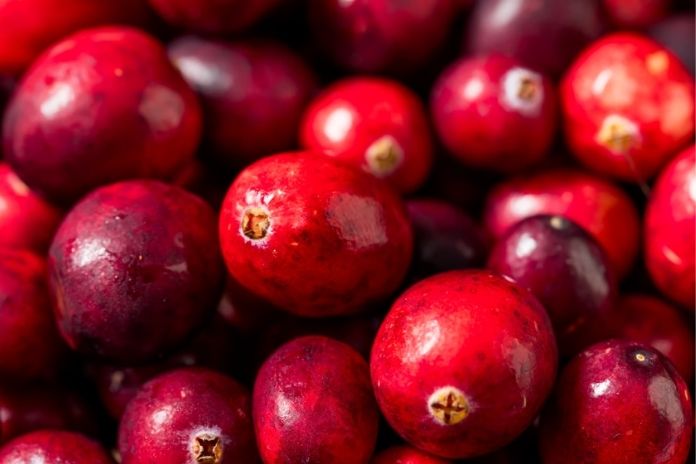
Raw cranberries have an ORAC value of around 9,090 per 100g. Almost double blueberries. Their major antioxidant compounds are proanthocyanidins and quercetin.
Most people know cranberries mainly for urinary tract health. That connection arose because proanthocyanidins may reduce bacterial adherence to urinary tract walls. Dr. Larissa Grigoryan, assistant professor of Family and Community Medicine, says, “We know they are packed with antioxidants and proanthocyanidins—the active ingredient that prevents bacteria from sticking to bladder cells. All of the studies that have been done to learn more about the preventative properties of cranberries have used different cranberry products and very different study populations, and have come back inconclusive.”
Most cranberry juices and dried cranberries are loaded with sugar. Sometimes, so much sugar that the antioxidant advantage gets partly canceled nutritionally.
Unsweetened frozen cranberries are probably the best option. Easy to blend into smoothies or cook into oats. Fresh cranberries also work in yogurt or homemade sauces.
Pecans
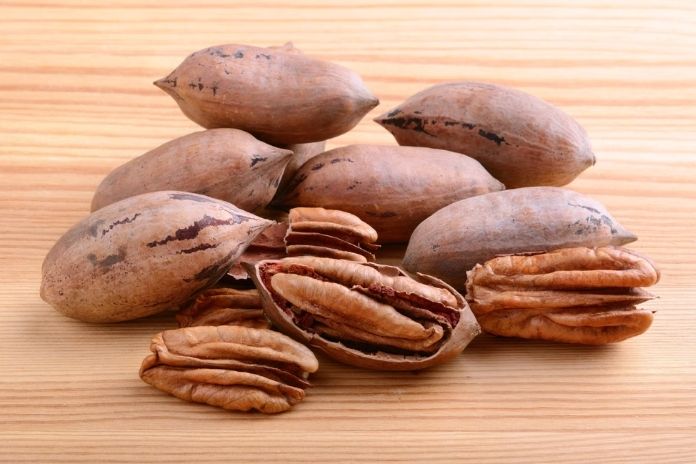
Pecans have an ORAC value of around 17,940 per 100 g. Nearly four times blueberries. Among nuts, pecans rank very high for antioxidants, much higher than cashews and almonds.
The main antioxidant compounds are gamma-tocopherol, a form of vitamin E, ellagic acid, and polyphenols.
Nuts are usually marketed for healthy fats only. But pecans also deserve attention for their antioxidant activity. A 2024 review linked regular nut intake with lower inflammation and cardiovascular disease risk.
But portion size matters here. Pecans are calorie-dense. Very easy overeating. Most studies use around one handful, not an entire container, while watching TV.
Interesting thing about nuts: antioxidant compounds are mostly concentrated in the thin skin layer. Similar to fruits, actually.
Pecans work well in oatmeal, salads, snack mixes, or just a few pieces after meals.
Kidney Beans
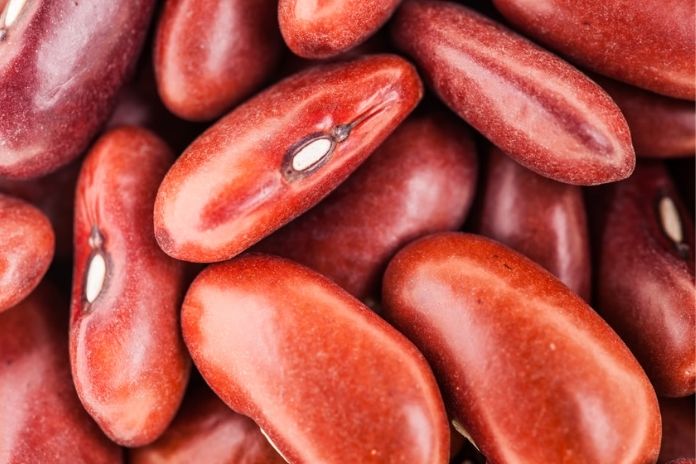
Kidney beans have an ORAC value of around 8,459 per 100 g cooked. Nearly twice as many blueberries. But almost no one talks about beans when discussing antioxidants.
Most antioxidant compounds remain in the beans’ dark outer skin. Flavonoids and proanthocyanidins give kidney beans a surprisingly strong antioxidant profile for such cheap food.
One huge advantage is that beans provide both fiber and plant protein. So they are not just antioxidant foods. They also improve fullness and blood sugar control better than many fruits.
Canned kidney beans still retain good antioxidant activity. Means convenience versions are fine too.
Honestly, this is where nutrition marketing becomes funny. Expensive imported berry powders become famous while ordinary beans quietly provide strong nutrition for a very low cost.
Beans are also easier to eat regularly because they fit naturally into everyday meals: soups, curries, chili, wraps, salads, and rice bowls. That’s much easier to sustain than remembering a daily superfood smoothie.
Pomegranate
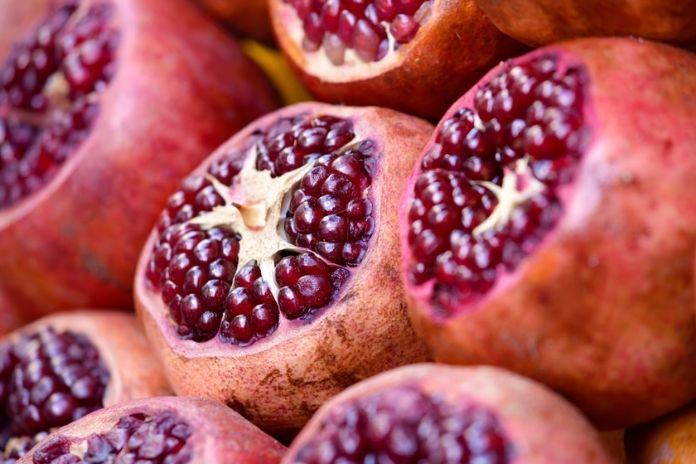
Pomegranate has an ORAC value of around 4,479 per 100g, very close to blueberries. But pomegranate juice becomes much more concentrated in antioxidants.
Main compounds are punicalagins and punicalins. These are unique to pomegranate and have been studied heavily for cardiovascular health.
A study found pomegranate intake reduced systolic blood pressure in several clinical studies. That made pomegranate one of the more-researched antioxidant fruits, beyond berries.
But juice has one issue. Sugar concentration becomes high very fast. One large glass gives a lot of natural sugar without much fiber.
Pomegranate seeds themselves are better for regular eating. Added into salads, yogurt, oats, or even savory rice dishes.
Another interesting thing: pomegranate antioxidants remain fairly stable during storage compared to those of delicate berries, which spoil quickly.
The only annoying part, honestly, is removing seeds. Healthy food sometimes feels like a part-time job.
Read More: Best Foods to Eat with Omega-3 Supplements: How to Boost Absorption and Maximize Benefits
Turmeric
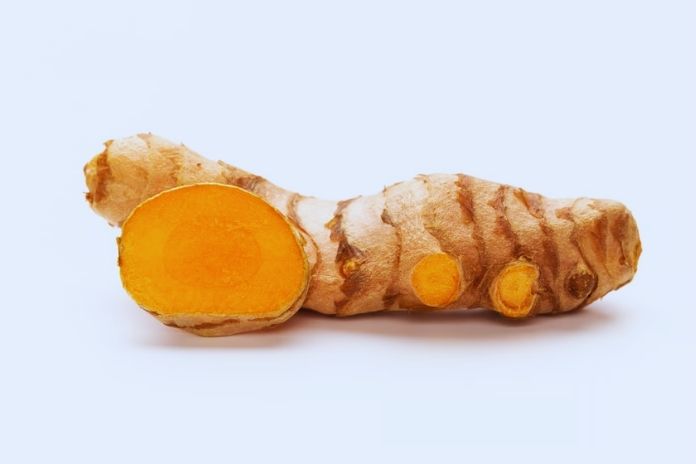
Turmeric has an ORAC value of around 159,277 per 100g. Very massive number. One of the highest among whole foods. The main antioxidant compound is curcumin.
But there is one very important practical problem. Nobody consumes 100g of turmeric powder. Usually, one or two teaspoons in cooking. So, the actual serving contribution is smaller than the ORAC headline makes it sound.
Another issue is curcumin absorption. The body absorbs plain turmeric badly. Black pepper changes that because piperine in pepper massively increases curcumin bioavailability, sometimes reported at around 2,000%.
That is why the turmeric-plus-black pepper combination matters so much in practice. Otherwise, much of the curcumin simply passes through the body unused.
Research is strongest in the areas of inflammation and joint health. But many studies use concentrated extracts rather than kitchen turmeric alone.
Still, regular turmeric in curries, soups, lentils, and rice dishes probably contributes to meaningful antioxidant intake slowly over time.
One good thing with spices: a small amount daily adds up quietly.
Spinach
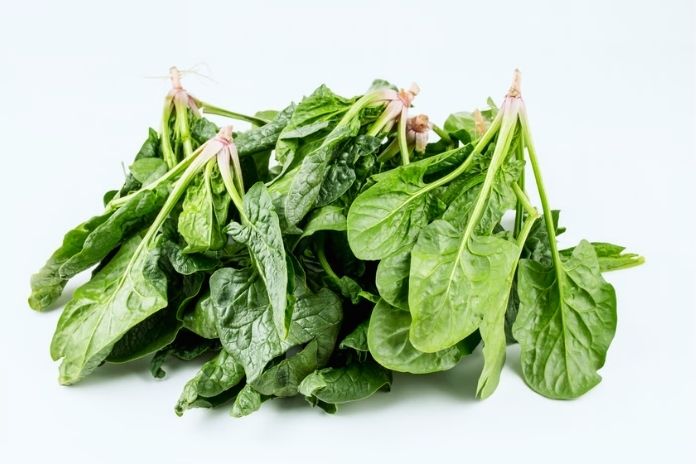
Spinach has an ORAC value of around 1,515 per 100 g of raw spinach, lower than that of blueberries. But still one of the very few vegetables reaching antioxidant levels close to berries, according to research.
More important than the ORAC number, one study found that large servings of spinach produced a very strong rise in blood antioxidant levels.
Spinach contains lutein, zeaxanthin, beta-carotene, quercetin, and other antioxidant compounds, especially linked to eye health.
Cooking spinach changes nutrients differently. Some antioxidants get reduced, while some carotenoids become more easily absorbed after cooking. So, cooked spinach is not automatically worse than raw.
Another practical advantage is volume. People can realistically eat a large bowl of spinach. Salads, curries, omelets, smoothies, and soups. That changes total antioxidant intake more than tiny portions of high-ORAC powders.
Spinach also provides magnesium, folate, potassium, and vitamin K.
Read More: 10 Top Beta-Carotene Foods to Add to Your Diet (and Why They Matter)
Conclusion
The best antioxidant strategy is not chasing the highest-scoring superfood every day. Research strongly supports variety. Berries, beans, spices, nuts, cocoa, vegetables, and leafy greens all provide different antioxidants other than blueberries. Blueberries are genuinely healthy, no question. But so are pecans, kidney beans, spinach, cranberries, and artichokes.
- ORAC values don’t directly predict exact health effects inside the body.
- Cocoa, turmeric, pecans, and elderberries score much higher than blueberries by weight for antioxidant activity.
- Beans and vegetables are also strong antioxidant foods, not only berries and fruits.
- Different antioxidant compounds work differently. Anthocyanins, flavonoids, curcumin, and polyphenols all have separate effects.
- One research gap remains regarding absorption. Some foods show huge ORAC values in the lab but weaker effects after digestion inside the body.
References
- Gillessen, A., & Schmidt, H. H.-J. . (2020). Silymarin as Supportive Treatment in Liver Diseases: A Narrative Review. Advances in Therapy, 37(4), 1279–1301.
- Ko, S.-H., Park, J.-H., Kim, S.-Y., Lee, S. W., Chun, S.-S., & Park, E. (2014). Antioxidant Effects of Spinach (Spinacia oleracea L.) Supplementation in Hyperlipidemic Rats. Preventive Nutrition and Food Science, 19(1), 19–26.
- Shin, H. R., Kim, J., & Song, S. (2024). Association between nut consumption and mortality risk: a 20-year cohort study in Korea with a stratified analysis by health-related variables. Nutrition Journal, 23(1).
- Stowe, C. B. (2011). The effects of pomegranate juice consumption on blood pressure and cardiovascular health. Complementary Therapies in Clinical Practice, 17(2), 113–115.
- Tiralongo, E., Wee, S., & Lea, R. (2016). Elderberry Supplementation Reduces Cold Duration and Symptoms in Air-Travellers: A Randomized, Double-Blind Placebo-Controlled Clinical Trial. Nutrients, 8(4), 182.
In this Article