



















Most people think of fiber as something that keeps you regular. But the relationship between fiber and gut microbiome health goes far deeper than bowel movements. Trillions of bacteria live in your digestive tract, and many of them depend on specific types of fiber as their primary fuel.
How you feed those microbes shapes your digestion, your immune system, your metabolism, and, according to emerging research, much more. This article breaks down how fiber affects gut health, which foods do the best job, and what practical steps you can take to improve your gut microbiome naturally.
- Fiber feeds beneficial gut bacteria, improving digestion and immunity.
- Eating a variety of plant-based foods increases microbiome diversity and resilience.
- Gradually increasing your fiber intake alongside plenty of water supports gut health without discomfort.
Read More: How Much Fiber Do You Actually Need? The Numbers Most People Miss
What Is the Gut Microbiome?
Your gut is home to a vast, living ecosystem. The human gut microbiome consists of trillions of microorganisms, including bacteria, viruses, fungi, archaea, and protozoa, all working together inside your digestive tract.
The Trillions of Microbes Living in the Digestive Tract
Four bacterial groups make up the majority of the gut microbiome:
- Bacteroidetes
- Firmicutes
- Actinobacteria
- Proteobacteria
The colon (large intestine) contains far more microorganisms than the stomach or small intestine, and the community shifts significantly from one part of the digestive tract to another.
Why Gut Bacteria Are Important for Health
Digestion. Gut bacteria break down complex carbohydrates, including fiber and starch, that your own digestive enzymes cannot handle. During fermentation of indigestible fibers, they produce short-chain fatty acids (SCFAs) like butyrate, propionate, and acetate. Your body uses these compounds for energy, and butyrate in particular helps maintain the integrity of your intestinal lining.
Nutrient production. Certain gut microorganisms synthesize vitamins B and K, including biotin, thiamine, cobalamin, riboflavin, and pantothenic acid.
Immune system support. The lining of the digestive tract acts as a barrier against harmful pathogens. A balanced microbial community competes with dangerous bacteria and produces compounds that suppress the growth of harmful organisms.
Research published in Frontiers in Microbiology confirms that gut dysbiosis is linked to a wide range of diseases, from inflammatory bowel disease to cardiovascular conditions.
What Affects Microbiome Diversity
Diet is the most powerful lever you can pull, but it is not the only one. Several other factors shape microbiome diversity:
- Medications, especially antibiotics, can wipe out broad categories of gut bacteria. Even a single course can reduce diversity for weeks or months.
- Sleep and stress matter more than most people realize. Chronic stress and poor sleep are associated with reduced microbial diversity and increased gut permeability.
- Early antibiotic exposure during infancy is linked to lasting changes in microbiome composition, which is why doctors weigh that risk carefully in young children.
What Exactly Is Fiber?
Fiber works constantly behind the scenes to keep your digestive tract healthy. It does far more than the label on your oat bran suggests. Fiber supports intestinal health, helps manage cholesterol, stabilizes blood sugar, and fuels the beneficial bacteria that protect you from disease. If your meals consistently lack fiber, your gut health pays a price.
Why Fiber Is Different From Other Carbohydrates
Fiber is an indigestible carbohydrate. Unlike sugars and most starches, it passes through your small intestine largely intact. That is exactly the point: it arrives in your colon, where your gut bacteria can ferment it for fuel.
Soluble vs. Insoluble Fiber
Two main types of fiber are found in plant-based foods, and both matter for digestive health.
Soluble fiber dissolves in water to form a gel-like substance that slows digestion, lowers cholesterol, and helps moderate blood sugar. Good sources include oats, beans, apples, and flaxseed.
Insoluble fiber does not dissolve. It adds bulk to stool and speeds its passage through the digestive tract, reducing the risk of constipation. Whole grains and most vegetables are rich in insoluble fiber.
Together, these two types work across your digestive system to support everything from regular bowel movements to nutrient absorption.
What Are Prebiotic Fibers?
Not all fiber qualifies as a prebiotic, but prebiotic fiber is a specific type that selectively feeds beneficial gut bacteria.
Common examples include inulin (found in garlic, onions, and chicory root), fructooligosaccharides (FOS), and galacto-oligosaccharides (GOS). When your gut bacteria ferment prebiotic fiber, they produce SCFAs and other compounds that support colon health and a balanced microbiome.
Think of prebiotics as fertilizer for the good bacteria already living in your gut.
How Fiber Feeds the Gut Microbiome
A gut microbiome without enough fiber is one in trouble. When fiber intake drops too low, microbial diversity suffers, the intestinal barrier weakens, and the risk of chronic illness climbs. Diets chronically low in fiber are linked to higher rates of heart disease, type 2 diabetes, and obesity.
Fiber functions as a prebiotic by nourishing gut bacteria and promoting microbiota diversity. But different microbes prefer different types of fiber, which is why variety matters more than any single “superfood.”
What Happens When Fiber Reaches the Colon
When fiber reaches the colon, gut bacteria begin fermentation. This process breaks down indigestible carbohydrates and releases short-chain fatty acids as byproducts. These SCFAs lower the pH of the colon, which limits the growth of harmful bacteria while creating a favorable environment for beneficial strains.
The Production of Short-Chain Fatty Acids
Butyrate is the most studied SCFA and serves as the primary fuel source for the cells lining your colon. Research published in Frontiers in Nutrition shows that butyrate plays a key role in reducing inflammation, improving insulin sensitivity, and supporting healthy body weight. Propionate travels to the liver and influences glucose metabolism. Acetate circulates in the bloodstream and affects appetite-regulating hormones.
Why Different Fibers Feed Different Microbes
No single fiber feeds all beneficial bacteria equally. A systematic review in Nutrients (2022) confirmed that different dietary fibers produce different SCFA profiles and stimulate distinct microbial species. Consuming a variety of plant-based foods is the most effective strategy for maintaining a diverse, resilient microbiome.
Resistant starch deserves special mention here. Resistant starch is a type of carbohydrate that resists digestion in the small intestine and reaches the colon where gut bacteria ferment it, much like dietary fiber.
Sources include green bananas, cooked-and-cooled potatoes or rice, oats, and legumes. Research confirms that resistant starch functions as a prebiotic, boosting populations of butyrate-producing bacteria like Ruminococcus bromii and Bifidobacterium. It is one of the best-studied substrates for SCFA production.
What Happens When Fiber Intake Is Too Low
Low fiber intake can lead to:
- A higher risk of heart disease
- Difficulty managing weight
- Poor blood sugar control
- Reduced microbiota diversity, which allows potentially harmful bacteria to gain a foothold
- Weakened intestinal barrier function, which increases the risk of systemic inflammation
Read More: The Fiber Paradox: Why High-Fiber Foods Can Sometimes Cause Constipation
Health Benefits Linked to a Fiber-Friendly Microbiome
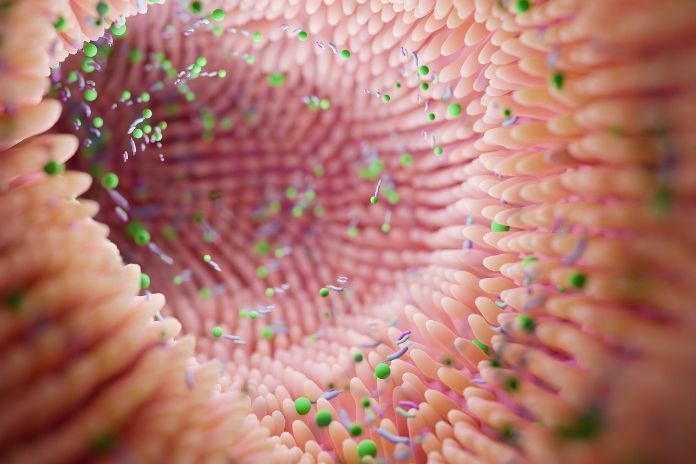
When you eat a wide variety of fiber-rich foods, your gut bacteria ferment them for fuel and release SCFAs and other beneficial compounds. Research shows that higher dietary fiber intake is consistently associated with improvements in blood sugar control, insulin sensitivity, and cardiovascular risk factors. A high-fiber diet also supports a more diverse and robust gut microbiota. A landmark study published in Cell found that people who ate a wide variety of plant-based foods had a more resilient and varied gut microbial community than those who ate a low-fiber, highly processed diet.
Here is a look at the long-term health benefits:
Better Digestive Regularity
Soluble fiber softens stool by absorbing water, while insoluble fiber adds bulk and accelerates transit time. Together, they reduce constipation and support bowel regularity, which is one of the most well-established benefits of dietary fiber.
Support for Metabolic Health
Heart health. A meta-analysis of 181 randomized controlled trials found that soluble fiber supplementation significantly reduced LDL cholesterol, total cholesterol, and triglycerides. Foods like oats, avocados, and beans are reliable sources of this cholesterol-lowering fiber.
Diabetes prevention. A systematic review and meta-analysis published in PLOS Medicine found that higher fiber intake is associated with reduced all-cause mortality and better glycemic control in people with diabetes. Large prospective studies show that adults who consistently eat more than 25 to 38 grams of fiber daily may reduce their risk of developing type 2 diabetes by 20 to 30%.
Gut Health and Immune Function
A healthy, fiber-rich microbiome also plays a role in immune regulation. SCFAs produced during fiber fermentation can enhance insulin sensitivity, reduce systemic inflammation, and suppress the growth of pathogenic bacteria. The intestinal lining functions as a first line of defense, and fiber helps maintain its structural integrity.
Cancer Risk Reduction
A 2023 umbrella review published in Nutrients found that higher fiber intake is associated with a reduced risk of several cancers, including colorectal, esophageal, gastric, breast, and endometrial cancers. For colorectal cancer specifically, every 10 grams of additional daily fiber is associated with roughly a 10% reduction in risk.
The Possible Connection Between Gut Bacteria and Mental Health
An increasingly active area of research is the gut-brain axis, the two-way communication network connecting your digestive tract and your central nervous system.
A 2025 review found that gut dysbiosis, including reduced SCFA production and altered microbial diversity, is associated with higher rates of anxiety, depression, and other mood-related conditions. Gut microbes influence the brain through microbial metabolites, the vagus nerve, and the production of neurotransmitter precursors like serotonin.
That said, the evidence is still developing. Most studies are observational, and researchers are still working out the specific mechanisms. What the science does support is that a fiber-rich diet, by promoting a diverse and balanced microbiome, may contribute to better mental well-being over time, though this should not replace professional mental health care.
Best Foods to Feed Healthy Gut Bacteria
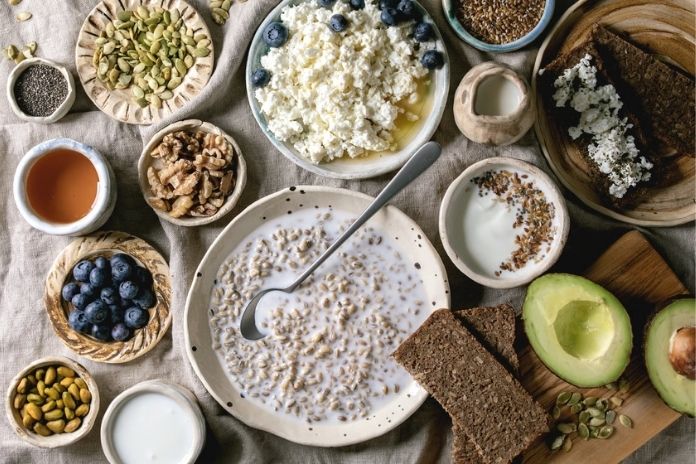
Certain foods consistently support a healthy, balanced microbiome by providing the fiber, nutrients, and compounds your gut bacteria need. Here is what to focus on:
Fruits and Vegetables
Vegetables contain fiber that your own body cannot digest, but your gut bacteria can. Leeks, onions, asparagus, broccoli, spinach, and artichokes are particularly good choices because they are rich in prebiotic fiber. Most fruits also deliver a useful combination of soluble fiber and polyphenols that support gut health.
A quick note on sugar: simple, fast-digesting sugars are broken down before they ever reach your colon, so your gut bacteria never benefit from them. Eating too many simple sugars too often can effectively starve your microbiome. Shift toward complex carbohydrates from whole foods like apples, berries, bananas, and oats.
Beans, Lentils, and Legumes
Beans and lentils are among the most microbiome-friendly foods you can eat. They are dense in soluble fiber, resistant starch, and protein, making them powerful prebiotics. A cup of cooked black beans delivers around 15 grams of fiber.
Lentils and chickpeas also contain slow-digesting resistant starch that supports butyrate production and lowers the glycemic response of a meal. If legumes cause gas initially, that is a sign your gut bacteria are actively fermenting them. The discomfort typically eases as your microbiome adjusts.
Whole Grains and Resistant Starches
Whole grains like oats, barley, brown rice, and whole wheat provide both insoluble fiber and resistant starch, two powerful substrates for gut bacteria. Oats specifically contain beta-glucan, a soluble fiber with strong cholesterol-lowering and blood sugar-stabilizing properties.
Cooked-and-cooled rice or potatoes contain more resistant starch than their freshly cooked counterparts, making leftovers a surprisingly useful tool for microbiome support.
Nuts and Seeds
Almonds, walnuts, chia seeds, flaxseeds, and sunflower seeds all contribute fiber, healthy fats, and polyphenols that support gut bacteria. Chia seeds and flaxseeds are particularly rich in soluble fiber and omega-3 fatty acids, which also have anti-inflammatory effects on the gut. A small handful of nuts makes an easy daily addition to support intestinal health.
Fermented Foods vs. Fiber-Rich Foods
Fermented foods like yogurt (with live cultures), kefir, sauerkraut, kimchi, miso, and kombucha contain beneficial bacteria called probiotics, which help populate the gut with good microorganisms and can reduce gut inflammation.
It is worth knowing that fermented foods and fiber-rich foods are related but not the same thing. Probiotics (from fermented foods) introduce live beneficial bacteria into your gut. Prebiotics (from fiber-rich foods) feed the bacteria already living there. Both are valuable, and a 2021 Stanford study published in Cell found that combining them may offer more benefit than either alone. The practical takeaway: do not swap your vegetables for kombucha. Pair them.
Anti-Inflammatory Additions
Omega-3 fatty acids from fatty fish (salmon, mackerel, sardines), chia seeds, flaxseeds, and walnuts can help reduce gut inflammation and support overall digestive health.
Olive oil and berries (raspberries, blueberries, strawberries) also provide anti-inflammatory compounds that aid gut healing. Bitter greens like Swiss chard, arugula, and dandelion greens stimulate digestive juices and improve nutrient absorption.
Read More: 10 Fiber Superfoods to Lower Blood Pressure Naturally (Without Changing Your Meds)
How to Increase Fiber Without Upsetting Your Stomach

Almost every whole plant food, including grains, fruits, vegetables, and beans, contains fiber. The good news is that a gradual approach prevents most of the discomfort that puts people off.
Why Increasing Fiber Too Quickly Can Cause Bloating
When you suddenly eat a lot more fiber, your gut bacteria ramp up fermentation rapidly, which produces gas as a byproduct. This is temporary. As your microbiome adapts, the bloating and gas typically resolve within a few weeks.
Gradual Changes That Are Easier to Maintain
Start by tracking your current daily fiber intake with a free app or nutrition label review. Then add just two to three grams more per day rather than overhauling your diet overnight. Spread high-fiber foods throughout the day: a piece of fruit with breakfast, a salad at lunch, a side of brown rice or beans at dinner. Small, consistent additions are far more sustainable than a single high-fiber smoothie.
The Importance of Hydration
Increasing fiber without increasing water is a recipe for constipation. Water helps fiber move through your intestines efficiently. Aim to drink more water as your fiber intake rises, and consider that caffeinated beverages do not substitute for plain water in this context.
Exercise Helps Too
Regular physical activity supports gut motility, helping food and fiber move through your digestive tract. Even a daily walk can reduce the uncomfortable side effects of a higher-fiber diet during the transition period.
When High-Fiber Diets May Need Medical Guidance
For most people, gradually increasing fiber is safe and beneficial. However, some conditions require a more careful approach:
- Irritable bowel syndrome (IBS): Some people with IBS are sensitive to specific fermentable fibers known as FODMAPs (found in onions, garlic, beans, and wheat). A low-FODMAP approach under a registered dietitian’s guidance may be necessary before expanding fiber intake.
- Inflammatory bowel disease (IBD): During active flares of Crohn’s disease or ulcerative colitis, high-fiber foods can sometimes aggravate symptoms. Work with a gastroenterologist before making major dietary changes.
- Post-surgery or bowel obstruction history: Certain digestive conditions require a temporarily low-fiber diet. Always follow your doctor’s recommendations in these situations.
Common Myths About Fiber and Gut Health
Fiber is one of the most misunderstood nutrients in the American diet. Here are five myths worth setting straight.
Myth 1: All Fiber Works the Same Way
Soluble and insoluble fiber behave very differently in your body. Soluble fiber (from oats, beans, and fruit) dissolves in water, forms a gel, and helps lower cholesterol and stabilize blood sugar. Insoluble fiber (from whole grains and most vegetables) adds bulk and keeps bowel movements regular. Different prebiotic fibers also feed different bacteria, which is why diversity of intake matters as much as total quantity.
Myth 2: Fiber Supplements Are Identical to Whole Foods
Fiber supplements like psyllium husk can serve a legitimate role, but they do not replicate the full package of whole foods. Whole plant foods deliver a matrix of fiber, vitamins, minerals, polyphenols, and resistant starch that no supplement yet replicates. A supplement also lacks the satisfaction of actually eating.
Myth 3: More Fiber Is Always Better
There is such a thing as too much fiber, especially if you increase intake too rapidly or already have a digestive condition. Very high fiber intake can reduce the absorption of certain minerals like zinc, iron, and calcium by binding to them in the digestive tract. Extremely high intakes can also cause persistent bloating and diarrhea. The goal is meeting the recommended daily targets, not dramatically exceeding them.
Myth 4: Digestive Problems Are Caused by Fiber
Adding fiber to your diet can cause temporary gas and bloating as your digestive system adjusts, but these symptoms usually pass. In reality, fiber supports healthy gut flora and helps prevent constipation over the long term. Increasing intake gradually and drinking plenty of water reduces the risk of discomfort.
Myth 5: Gut Cleanses Improve the Microbiome
Despite aggressive marketing, there is no strong peer-reviewed evidence that commercial “detox” cleanses or gut cleanses improve microbiome composition. Many cleanse products cause rapid emptying of the colon, which can actually disrupt your microbial community temporarily. The most evidence-backed way to support your microbiome remains consistent, long-term consumption of diverse fiber-rich foods.
Read More: Why Your Fiber Supplement Might Be Making Your Heart Meds Less Effective
How Much Fiber Do Adults Actually Need?
The 2020-2025 Dietary Guidelines for Americans recommend 22 to 34 grams of fiber per day for adults, depending on age and sex. A useful rule of thumb is 14 grams of fiber per 1,000 calories consumed. Despite this guidance, USDA data shows that most Americans consume only about 8 grams of fiber per 1,000 calories, less than 60% of the recommended amount. Roughly 90% of women and 97% of men fall short of daily targets.
Why Many People Fall Short
Highly processed foods contain very little fiber, and they dominate most American diets. White bread, packaged snacks, fast food, and sugar-sweetened beverages displace the whole grains, legumes, fruits, and vegetables that supply fiber. Simply recognizing this pattern is the first practical step.
Easy Ways to Add More Fiber to Everyday Meals
You do not need to overhaul your diet at once. Small swaps add up quickly:
- Swap white bread for 100% whole grain bread (adds about 2 grams per slice)
- Add a half-cup of canned black beans to soup, salads, or rice dishes (adds about 7 to 8 grams)
- Replace white rice with brown rice or farro (adds 2 to 4 grams)
- Snack on an apple or a pear instead of crackers (adds 4 to 5 grams)
- Stir a tablespoon of chia seeds into yogurt or oatmeal (adds about 5 grams)
These kinds of everyday changes, stacked consistently, can help most people reach their daily fiber target without ever following a formal diet plan.
When Digestive Symptoms Should Be Evaluated
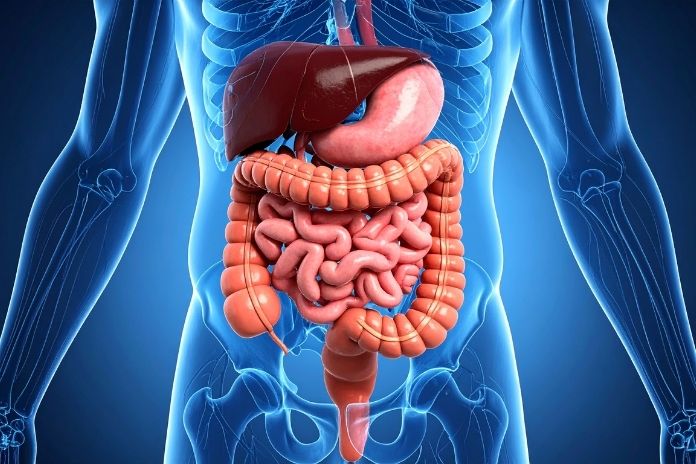
Pay attention to stomach symptoms, as they can signal underlying conditions that go beyond a need for more fiber.
Abdominal pain or persistent bloating that does not resolve with dietary changes could indicate an underlying digestive condition worth discussing with a doctor.
Unexplained weight loss or blood in the stool should be evaluated promptly, as these are symptoms that require medical attention.
Sudden or unexplained changes in bowel habits that last more than a few weeks should not be ignored.
Why persistent digestive symptoms deserve medical attention: Chronic gastrointestinal complaints may reflect intestinal health issues ranging from irritable bowel syndrome to inflammatory bowel disease or other conditions that require professional diagnosis.
Read More: How to Boost Daily Fiber Intake without Feeling Full or Bloated All Day
Conclusion
Understanding the connection between fiber and gut microbiome health makes clear how everyday dietary choices affect long-term well-being. Fiber does far more than aid digestion. It feeds the beneficial bacteria that regulate immunity, metabolism, mental health, and overall intestinal health.
By consistently eating a variety of plant-based, high-fiber foods, including vegetables, legumes, whole grains, fruits, nuts, and seeds, you naturally support microbial balance and give your gut the diversity it needs to function well.
Research on the microbiome is still developing, and the science will keep evolving. But the fundamentals are clear: sustainable, varied eating patterns built around whole foods remain the best strategy. There are no shortcuts, cleanses, or supplements that replicate that foundation.
References
- International Foundation for Gastrointestinal Disorders. The human gut microbiome
- Food & Mood Centre. What is the gut microbiome?
- Harvard T.H. Chan School of Public Health. (April 2022). Fiber
- Nirvana Healthcare. (January 13, 2025). Fiber & digestive health benefits
- International Scientific Association for Probiotics and Prebiotics. (December 15, 2025). What happens when you eat fiber and why you should eat more
- University of Michigan School of Public Health. (December 18, 2017). Fiber has huge health benefits, but Americans eat very little of it
- Windsor Center for Digestive Health. (2024, October 24). A basic guide to restore gut health
- Canadian Digestive Health Foundation. (April 23, 2024). 10 ways to strengthen your microbiome
- Imperial Digestive Health Specialists PLLC. Fiber myths many people still believe
In this Article