

















A man in his late forties brushes off a recurring sense of breathlessness on his morning walk, blaming it on age and a few extra pounds. Weeks later, he learns those overlooked moments were early heart disease symptoms in men, the kind cardiologists wish patients caught sooner.
Heart problems do not always announce themselves with crushing chest pain. They often begin with subtle changes that seem easy to ignore. Many men dismiss symptoms like fatigue, indigestion, poor sleep, or reduced stamina as stress, aging, or being out of shape.
Warning signs like dizziness or shortness of breath may develop slowly enough to feel normal over time. But heart disease often progresses silently for years before a major event occurs. By the time symptoms become severe, significant damage may already be present.
There is also a reason many men wait too long to seek help. Pushing through discomfort is often seen as normal, while routine health checks get postponed again and again. The problem is that the heart rarely waits for symptoms to become dramatic before trouble begins. Small changes in energy, breathing, or circulation can sometimes be the earliest clues.
This article breaks down the lesser-known signs of heart problems in men and why they are commonly overlooked. You’ll learn how symptoms involving stamina, sleep, breathing, circulation, and sexual health can point toward underlying cardiovascular disease. Most importantly, you’ll understand when those symptoms deserve medical attention instead of another excuse.
- Heart disease symptoms in men often appear gradually, masked as stress, aging, or indigestion rather than obvious cardiac warning signs.
- Fatigue, shortness of breath, erectile dysfunction, and mild chest discomfort can all be early signs of heart problems in men.
- Subtle changes like leg swelling, palpitations, or nausea may signal reduced blood flow or strain on the heart muscle.
- Recognizing men’s heart health warning signs early allows for timely screening, lifestyle changes, and treatment that significantly improve outcomes.
Read More: Men’s Heart Disease Risk Starts Accelerating at 35: Here’s What a 34-Year Study Found
Why Heart Disease Symptoms in Men Are Sometimes Missed
The early signs of heart disease rarely arrive overnight. Plaque builds up in arteries over the years, and the body adapts. A man may notice he tires faster on the stairs but chalks it up to a long week.
These gradual shifts feel nothing like the sudden, dramatic emergency portrayed on television, which is precisely why they go unaddressed. Men also tend to delay care. Survey data from the Cleveland Clinic consistently show that male patients wait longer than women to seek evaluation for cardiac symptoms, often dismissing them as stress or poor sleep.
Dr. Grant Reed, an interventional cardiologist at Cleveland Clinic, puts it plainly: “If you’re really not feeling well, if you have profound weakness, fatigue, indigestion-like symptoms that you wouldn’t typically think would be a heart attack, you should seek medical attention.”
Atypical or milder cardiovascular symptoms in men are far more common than the chest-clutching scenario most people picture. A study published in JAMA found that silent or unrecognized heart attacks account for nearly half of all myocardial infarctions and carry similar long-term mortality risk.
The overlap with everyday complaints, heartburn, muscle soreness, and low energy makes them easy to bury under other explanations. Some men carry a higher baseline risk than others. Smoking damages blood vessel linings and accelerates plaque buildup.
Diabetes silently injures small vessels and nerves, blunting pain signals during cardiac events. High blood pressure forces the heart to work harder year after year. Family history adds genetic weight to all of it. When any of these factors are present, even minor symptoms deserve attention rather than dismissal.
Fatigue That Feels Different From Normal Tiredness

Cardiac fatigue does not behave like ordinary tiredness. It hits during tasks that used to feel effortless: carrying groceries, mowing the lawn, walking the dog. Men describe it as a deep heaviness, not relieved by a good night’s sleep. When the heart’s pumping efficiency drops, muscles and tissues receive less oxygenated blood, and exhaustion follows.
A man who used to jog three miles without strain may suddenly need to stop at the half-mile mark. Reduced exercise tolerance is one of the earliest signs of heart problems in men, and it often precedes more recognizable cardiovascular symptoms by months. The change is usually gradual enough that the person adjusts their routine without questioning the cause.
Energy production depends on oxygen delivery. When coronary arteries narrow or the heart muscle weakens, less blood reaches working tissues. The body compensates by slowing activity, raising heart rate, and prioritizing essential organs. The result feels like persistent, unexplained fatigue.
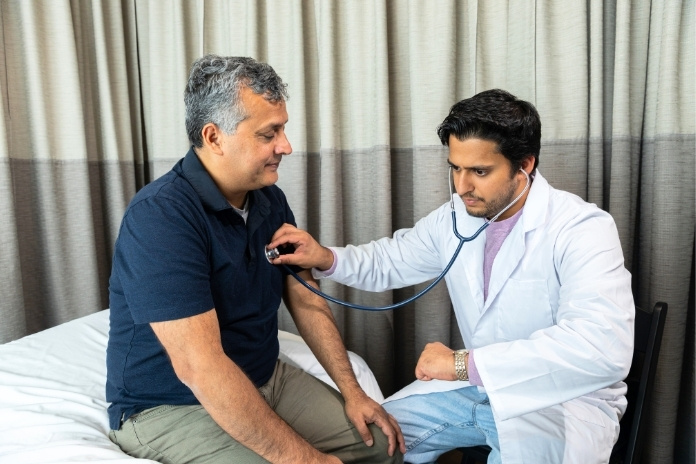
Fatigue lasting more than two weeks without an obvious cause, especially when paired with breathlessness or chest discomfort, warrants evaluation. A cardiologist can run an electrocardiogram, echocardiogram, or stress test to check for early signs of heart disease before symptoms escalate.
Shortness of Breath During Daily Activities
A man who pauses halfway up a flight of stairs to catch his breath, when he never had to before, is noticing something. Shortness of breath and heart symptoms often start subtly, surfacing during light activity that used to require no effort. The cause may be reduced cardiac output, fluid buildup in the lungs, or both.
Nocturnal breathlessness, sometimes called paroxysmal nocturnal dyspnea, can signal heart failure. When the heart cannot pump efficiently while lying flat, fluid accumulates in the lungs. The person wakes gasping and feels relief only after sitting upright. This pattern is not normal and should be evaluated promptly.
Deconditioning from inactivity causes breathlessness, too, but it tends to improve with regular exercise. Cardiac breathlessness does not. If a man has been moderately active and suddenly cannot manage activities he handled comfortably last month, the change is more likely cardiovascular than fitness-related.
Heart failure, coronary artery disease, and arrhythmias can all produce breathlessness. Each affects oxygen delivery differently, but the symptoms overlap. Imaging studies and blood tests, including B-type natriuretic peptide, help distinguish the underlying cause.
Erectile Dysfunction May Sometimes Be an Early Warning Sign
An erection depends on healthy blood flow through small penile arteries. When endothelial cells lining those vessels become dysfunctional, often the first stage of atherosclerosis, erections weaken. The same process eventually affects larger coronary arteries, which is why erectile dysfunction and heart disease are closely linked.
Penile arteries are roughly one to two millimeters in diameter. Coronary arteries average three to four. Plaque narrows smaller vessels first, so erectile changes can appear years before angina or a heart attack.
Dr. Michael P. O’Leary, a urologist at Harvard-affiliated Brigham and Women’s Hospital, has stated that erections “serve as a barometer for overall health,” and that erectile dysfunction can be an early warning of trouble in the heart or elsewhere.
A meta-analysis published in the Journal of the American College of Cardiology pooled data from twelve prospective cohort studies covering more than 36,000 men and found that erectile dysfunction independently raised the risk of cardiovascular disease by 48 percent, coronary heart disease by 46 percent, and stroke by 35 percent.
Men experiencing erectile difficulties, especially before age 60, should consider a full cardiovascular workup. Not every case traces to vascular disease. Stress, anxiety, hormonal shifts like low testosterone, and side effects from antidepressants or blood pressure medications can also contribute. Still, ruling out cardiovascular causes is a worthwhile first step.
Chest Symptoms That Men Often Dismiss
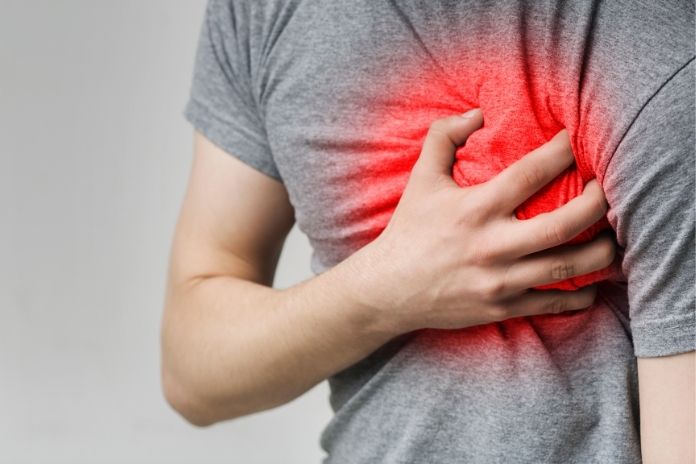
Chest discomfort in men does not always feel like pain. Many describe pressure, fullness, tightness, or burning sensations as easy to misread. Some say it feels like a heavy weight on the breastbone or a constricting band. Others notice only mild discomfort that comes and goes with exertion. Burning behind the sternum gets blamed on dinner. A dull ache gets blamed on the gym.
Both can be cardiac. Dr. Lili Barouch, director of the Johns Hopkins Columbia Heart Failure Clinic, has noted that “while the classical symptoms, such as chest pains, apply to both men and women,” women are more likely to get less common symptoms such as indigestion, shortness of breath, and back pain.
Men can still experience these atypical chest sensations, particularly those with diabetes. Cardiac pain often radiates. Discomfort that travels from the chest into the left arm, jaw, neck, upper back, or between the shoulder blades is a classic warning of reduced blood flow to the heart muscle. This pattern, even when mild, should never be ignored.
The size of the discomfort does not always match the severity of the underlying problem. A small plaque rupture in a critical artery can cause modest symptoms initially and rapidly become life-threatening. Mild does not mean benign.
Changes in Heart Rhythm or Palpitations
Arrhythmia symptoms range from a sudden flutter that lasts seconds to a sustained racing sensation. Atrial fibrillation, the most common sustained arrhythmia in adults, may feel like an irregular pounding in the chest. Some men report it as a fish flopping behind the breastbone.
When the heart’s rhythm becomes inefficient, blood flow to the brain dips momentarily. The person feels lightheaded, sees spots, or briefly loses consciousness. These episodes, especially when recurrent, signal an electrical problem that needs evaluation.
Any palpitation lasting more than a few minutes, occurring frequently, or accompanied by dizziness, chest discomfort, or shortness of breath should prompt a visit to the doctor. A Holter monitor or event recorder can capture intermittent rhythms that an in-office ECG would miss.
Caffeine, alcohol, dehydration, stress, and certain over-the-counter medications can cause harmless palpitations. Underlying conditions like atrial fibrillation, ventricular tachycardia, or structural heart disease produce them too. The difference lies in pattern, frequency, and accompanying symptoms.
Swelling in the Legs, Feet, or Ankles
When the right side of the heart cannot keep up with venous return, blood pools in the lower extremities. Fluid leaks from capillaries into surrounding tissue, producing pitting edema. Socks leave deep marks. Shoes feel tight by evening.
Dr. Gosia Wamil, a cardiologist at Mayo Clinic Healthcare in London, has explained that “some heart failure warning signs are intuitive,” including ankle swelling, breathlessness, chest pain, and fatigue while exercising.
Cardiac edema rarely travels alone. Fatigue, unexplained weight gain from fluid retention, and worsening shortness of breath usually accompany it. When these clusters occur together, especially over a short period, the likelihood of a heart attack rises significantly.
Venous insufficiency, kidney disease, liver dysfunction, and side effects from calcium channel blockers can all cause leg swelling. Distinguishing cardiac from non-cardiac edema requires clinical examination, blood tests, and sometimes imaging.
Read More: Swollen Legs and Ankles: When It’s a Heart Failure Warning Sign and When It Isn’t
Digestive Symptoms That Can Sometimes Be Heart-Related
Some men experience cardiac symptoms primarily in the upper abdomen. Nausea, queasiness, or a vague indigestion-like ache after light meals or exertion can reflect reduced blood flow to the heart’s lower wall. Antacids do not help.
Reduced cardiac output can affect gut perfusion, leading to early satiety, mild bloating, and a sense of fullness after small meals. In advanced heart failure, fluid backs up into the liver and abdomen, producing more pronounced bloating.
The diaphragm sits directly above the stomach and below the heart. Pain signals from the inferior wall of the heart often travel along nerve pathways shared with the upper digestive tract, producing referred sensations that feel gastrointestinal in origin.
If nausea or indigestion appears alongside sweating, breathlessness, chest pressure, or arm pain, especially during physical activity, the priority shifts from antacids to emergency evaluation. This combination is a recognized atypical presentation of myocardial infarction, particularly in men with diabetes.
When to Seek Medical Attention Immediately
Certain combinations require an immediate call to emergency services. Persistent chest pressure or squeezing lasting more than a few minutes. Severe shortness of breath at rest. Sudden cold sweats paired with nausea or lightheadedness. Pain radiating to the jaw, neck, or arm.
These are textbook signs of a heart attack and demand a 911 call, not a wait-and-see approach. Mild symptoms can still indicate a cardiac event in progress, particularly in men with diabetes or older adults. Brief chest discomfort with exertion that improves with rest, unexplained fatigue lasting days, or new-onset palpitations all warrant prompt evaluation, even if they seem minor.
Cardiac muscle dies quickly during a heart attack. Every minute without restored blood flow worsens the damage. Procedures like emergency angioplasty are most effective when performed within the first ninety minutes of symptom onset. Faster recognition translates directly into better recovery and survival.
Ways Men Can Lower Their Risk of Heart Disease
Controlling the three biggest modifiable risk factors prevents most cardiovascular events. The American Heart Association recommends blood pressure below 130/80, LDL cholesterol below 100 mg/dL for high-risk individuals, and HbA1c below 7 percent for those with diabetes. Medication, when needed, works best alongside lifestyle change.
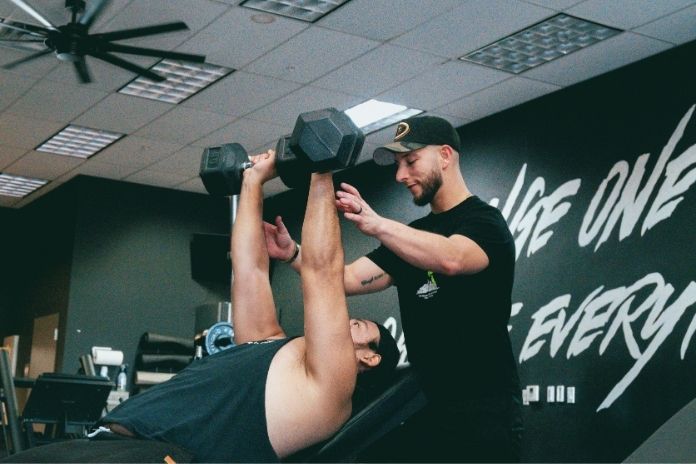
At least 150 minutes of moderate aerobic activity per week, paired with two sessions of strength training, lowers the risk of coronary heart disease by roughly 30 percent. A Mediterranean-style eating pattern, rich in vegetables, whole grains, legumes, fish, and olive oil, has the strongest evidence base for cardiovascular protection.
Chronic sleep deprivation raises blood pressure and inflammatory markers. Unmanaged stress drives cortisol and sympathetic activity. Smoking remains the single most damaging modifiable factor, and a CDC review of cessation data shows quitting cuts cardiovascular risk substantially within the first year. Each of these levers compounds over time.
Cardiac screening starting at age 40, earlier with family history, allows clinicians to catch problems before symptoms develop. Annual blood pressure checks, lipid panels every four to six years, and diabetes screening every three years form the baseline. Coronary calcium scoring can refine risk for men in the intermediate range.
Read More: 17 Ways to Lower Your Blood Pressure Naturally
Key Takeaway
Heart problems in men do not always begin with sudden or dramatic events. Fatigue that lingers, breathlessness on familiar tasks, erectile changes, mild chest discomfort, leg swelling, or indigestion-like symptoms can all be early heart disease symptoms in men. Each one alone may seem minor, but together they paint a picture worth investigating.
Paying attention matters. The body usually signals trouble before it strikes, and ignoring those signals trades short-term comfort for long-term risk. A conversation with a primary care doctor or cardiologist costs little and can change the trajectory of a man’s health for decades.
Early evaluation, lifestyle changes, and timely treatment remain the most powerful tools available. Recognizing subtle men’s heart health warning signs gives men a window of opportunity, one that closes quickly once a cardiac event begins.
Frequently Asked Questions
1. What are the first warning signs of heart disease in men?
Early signs of heart disease in men often include unusual fatigue, breathlessness during routine activity, mild chest pressure or burning, erectile dysfunction, and palpitations. These symptoms can appear months or years before a major cardiac event.
2. Can erectile dysfunction really predict a heart attack?
Yes. Research consistently shows that erectile dysfunction often precedes coronary artery disease by three to five years because penile arteries are smaller and reveal vascular damage earlier. Men with new-onset ED, particularly under age 60, should ask about cardiovascular screening.
3. What does heart-related chest discomfort feel like in men?
Most men describe it as pressure, squeezing, tightness, or burning behind the breastbone rather than sharp pain. It often spreads to the left arm, jaw, neck, or upper back and may worsen with exertion.
References
- Centers for Disease Control and Prevention. (2024). About men and heart disease.
- Cleveland Clinic. (2021). When should you see a cardiologist?
- Dong, J. Y., Zhang, Y. H., & Qin, L. Q. (2011). Erectile dysfunction and risk of cardiovascular disease: Meta-analysis of prospective cohort studies. Journal of the American College of Cardiology, 58(13), 1378–1385.
- Harvard Health Publishing. (2020). Erectile dysfunction often a warning sign of heart disease. Harvard Medical School.
- Johns Hopkins Medicine. (2023). Heart disease: Differences in men and women.
- Mayo Clinic News Network. (2022). Mayo Clinic Healthcare expert shares heart failure signs, risk factors people may not be aware of.
- Zhwok, A. S. (2015). Prevalence, predictors, and outcomes of silent myocardial infarction. JAMA, 314(18), 1955–1956.
- Zhao, B., Hong, Z., Wei, Y., Yu, D., Xu, J., & Zhang, W. (2019). Erectile dysfunction predicts cardiovascular events as an independent risk factor: A systematic review and meta-analysis. The Journal of Sexual Medicine, 16(7), 1005–1017.
In this Article