















Millions of people add Splenda to their coffee every morning without a second thought. It’s FDA-approved, zero-calorie, and has been on grocery shelves since 1999. But emerging research on sucralose (Splenda’s active ingredient), its effects on the gut microbiome, and a compound called sucralose-6-acetate is raising questions that regulators simply didn’t have the tools to investigate when it was first approved.
If you’ve been wondering whether Splenda is bad for you or whether artificial sweeteners carry hidden risks, you’re not being paranoid.
Here’s the honest picture: Splenda isn’t acutely toxic at typical amounts. Decades of widespread use have not produced a clear population-level signal of harm. But “not proven harmful” is not the same as “proven safe,” especially for long-term, high-volume use.
The confusion is understandable. For years, health authorities described sucralose as one of the safest sugar substitutes available. Then the WHO issued a 2023 warning about the broader category of artificial sweeteners. After that, headlines about potential DNA-damage findings added even more uncertainty. It’s a lot to sort through.
This article walks you through exactly what Splenda is made of, what the most credible new research actually shows, where the evidence still has gaps, and what a sensible approach looks like in practice.
- Bottom line: Splenda (sucralose) is FDA-approved and not acutely harmful at typical use levels, but emerging evidence raises legitimate concerns about gut health and long-term safety.
- Key science: A 2023 study found gut bacteria convert sucralose into sucralose-6-acetate, a compound that showed DNA-damaging effects in human cell research.
- Practical takeaway: Occasional use is low-risk for healthy adults. Daily heavy use across multiple products, especially with existing gut conditions, warrants real caution.
What Splenda Actually Is (And What’s Really in That Yellow Packet)
Most people assume Splenda is just sucralose. It isn’t. Sucralose makes up only about 5% of each Splenda packet. The remaining 95% is maltodextrin (a starchy bulking agent derived from corn) and dextrose (a simple corn-based sugar). Both of these fillers contribute a small but real caloric value, so Splenda isn’t technically zero-calorie, though the amount per packet is negligible.
Sucralose itself is a synthetic compound made by taking ordinary sugar and replacing three of its hydroxyl groups (the oxygen-hydrogen molecular units) with chlorine atoms. This chemical swap is what makes it approximately 600 times sweeter than sugar and structurally resistant to being absorbed by your body.
The idea was that it would pass straight through you, biologically inert. That assumption held up well for decades. It’s now being questioned.
The FDA approved sucralose in 1998 after reviewing over 110 studies. It’s now used in more than 6,000 food products globally, from diet sodas and sugar-free yogurts to chewing gum and baked goods. Think of it like a key that fits your taste receptor locks perfectly, but never actually opens the metabolic door.
Your tongue says “sweet”; your pancreas, historically, doesn’t respond. That last part, it turns out, may be more complicated than originally thought.
The Legitimate Concerns: What New Research on Splenda Shows
Gut Microbiome Disruption
Your gut isn’t just a digestive tube. It’s home to trillions of bacteria that regulate inflammation, immunity, mood, and metabolic health. Sucralose was designed to pass through the digestive tract unchanged. But research now shows it doesn’t remain entirely neutral as it goes through.
A 2021 randomized controlled trial in healthy adults found that sucralose consumption altered gut microbiome composition and increased markers of gut inflammation. This is significant because the original safety reviews were conducted before the gut microbiome was recognized as a critical component of human health.
Chronic gut inflammation, even low-grade, connects to a long list of downstream problems, including obesity, insulin resistance, and immune dysregulation.
Sucralose-6-Acetate: The DNA Damage Finding
This is the finding that genuinely changed the conversation. Researchers at North Carolina State University discovered that gut bacteria can chemically transform sucralose into a metabolite (a byproduct of metabolism) called sucralose-6-acetate.
When human intestinal cells were exposed to sucralose-6-acetate, it caused DNA strand breaks, a form of genotoxicity (DNA damage) associated with cancer risk and other serious conditions.
The same research found that sucralose-6-acetate increased intestinal permeability, the condition colloquially called “leaky gut,” where the gut lining becomes porous enough to allow bacterial toxins into the bloodstream.
These findings are preliminary, and the doses used in the lab may not perfectly mirror real-world dietary exposure. But they represent a credible, mechanism-driven concern that regulators and researchers are now taking seriously.
The WHO’s 2023 Artificial Sweetener Warning
In May 2023, the World Health Organization (WHO) published a guideline stating that long-term artificial sweetener use does not reduce body fat in adults or children, and may increase the risk of type 2 diabetes, cardiovascular disease, and all-cause mortality. The WHO applied this warning broadly to the non-sugar sweetener category, including sucralose, aspartame, stevia, and others.
This doesn’t mean a packet in your morning coffee will harm you.It does mean the long-held assumption that artificial sweeteners are a simple, risk-free replacement for sugar no longer fully holds up in light of the growing body of evidence.
Read More: 12 Most Surprising Cancer Causing Foods To Avoid
What the Evidence Does NOT Show: Honest Limitations
Let’s be honest about the gaps, because they matter. The research critical of sucralose has real limitations that responsible science coverage can’t ignore.
- Most concerning studies aren’t large human RCTs. The data on gut microbiome disruption come largely from animal and small human studies. The sucralose-6-acetate DNA-damage finding was based on cell cultures, not clinical trials. Cell culture results frequently don’t translate to whole-body human biology.
- Blood sugar disruption isn’t consistently demonstrated. A persistent claim online is that sucralose spikes insulin. But multiple controlled studies in healthy adults show little to no effect on blood glucose or insulin levels at normal dietary doses. This specific fear is not well supported by human evidence.
- Population-level harm hasn’t appeared. Sucralose has been widely consumed for over 25 years across hundreds of millions of people. No clear signal of acute harm has emerged at the population level. That doesn’t mean long-term concerns don’t exist. It means the risks, if real, are subtle, cumulative, and likely dose-dependent.
The honest position: Splenda is not proven safe for long-term, heavy use. And it is not proven acutely harmful at typical amounts. Both things are true simultaneously, and anyone telling you otherwise is oversimplifying.
Read More: Sugar-Free Coffee Syrup: How to Choose the Healthiest Ones (Without Sacrificing Flavor)
Who Should Be Most Cautious About Splenda

The risk-benefit calculation for Splenda isn’t the same for everyone. Context changes everything here.
Highest caution warranted for: people with existing gut conditions, including IBS (irritable bowel syndrome, a chronic gut disorder characterized by cramping and irregular bowel habits), IBD (inflammatory bowel disease, an umbrella term for Crohn’s disease and ulcerative colitis), or any history of increased intestinal permeability.
The microbiome disruption and leaky gut findings are most directly relevant to this group. Also in this category: people consuming large amounts of sucralose across multiple daily products, and children with consistently high exposure.
Lower concern for: healthy adults using one or two Splenda packets in coffee or tea a few times a week. At that exposure level, the emerging research doesn’t produce a strong case for concern. People managing blood sugar in the context of diabetes also still have a documented benefit from replacing sugar with sucralose for glycemic control, even accounting for the broader uncertainties.
Think of it like sun exposure. A few minutes outside a day is fine, and actually beneficial. Hours of unprotected exposure daily is a different calculation entirely.
Given below are a few product recommendations:
1. SPLENDA Zero Calorie Sweetener, 200 Count Packets

SPLENDA Zero Calorie Sweetener, 200 Count Packets
We recommend Splenda No Calorie Sweetener Packets a zero-calorie sugar substitute that sweetens beverages and foods without added sugar, offering convenient individual packets, gluten-free ingredients, and balanced sweetness for everyday healthy lifestyles.
Check Price on Amazon
*Purchases through this link support our research at no extra cost to you.
2. Splenda® Sweetener Packets – 2000/Case
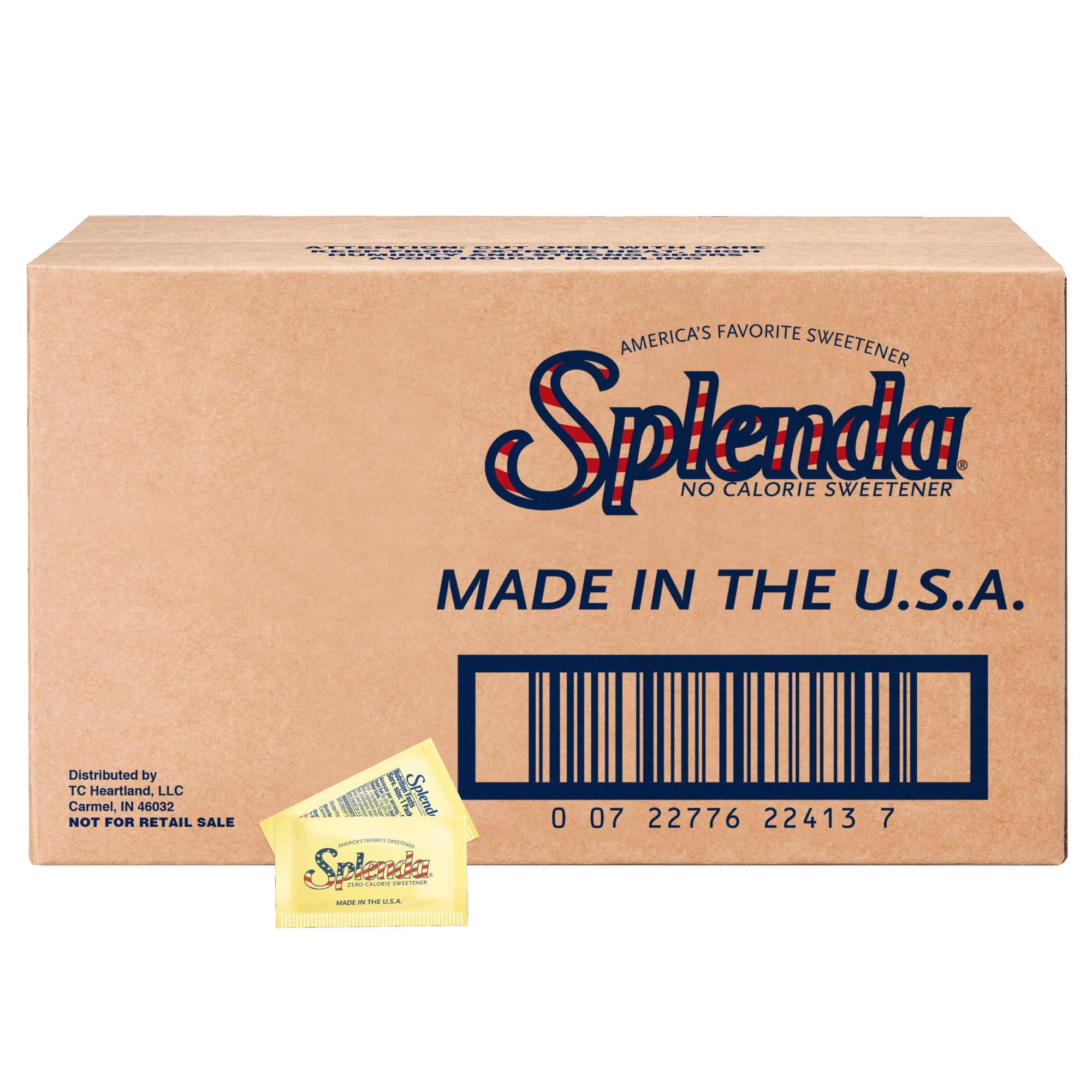
Splenda® Sweetener Packets – 2000/Case
We recommend Splenda Sweetener Packets 2000/Case a zero-calorie sugar alternative delivering convenient individual packets for coffee, tea, and foods, offering sugar-like sweetness with gluten-free ingredients and trusted everyday low-calorie support.
Check Price on splenda
*Purchases through this link support our research at no extra cost to you.
3. Splenda® Granulated Sweetener
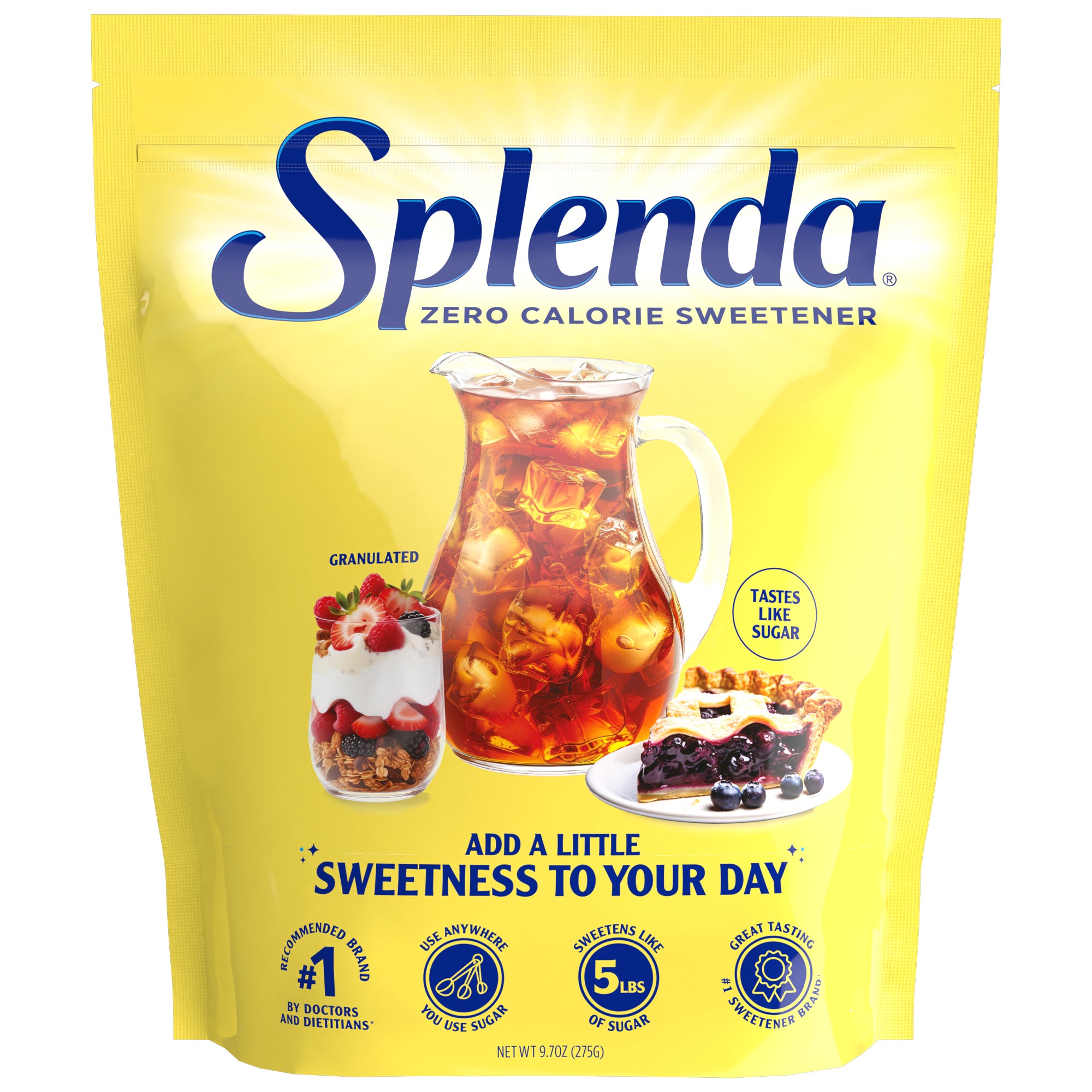
SSplenda® Granulated Sweetener
We recommend Splenda Granulated Sweetener a zero-calorie sugar substitute that measures cup-for-cup like sugar, perfect for baking, beverages, and recipes while delivering sweet taste without added calories or sugar.
Check Price on splenda
*Purchases through this link support our research at no extra cost to you.
4. Splenda Zero Sucralose 100ML
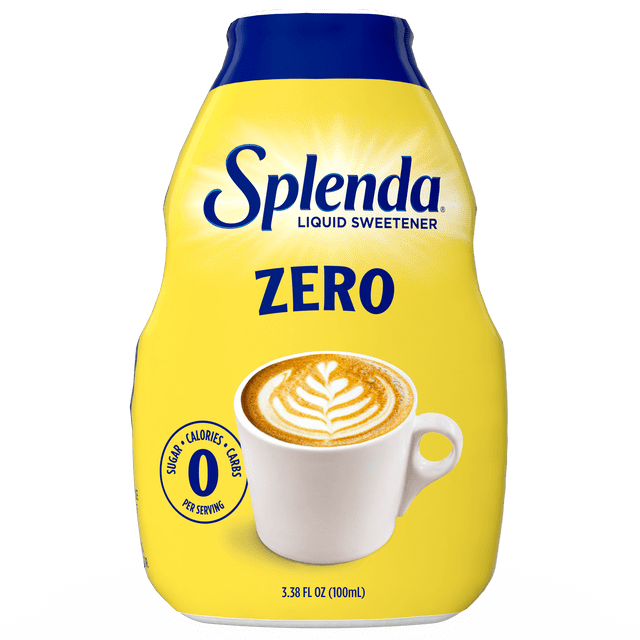
Splenda Zero Sucralose 100ML
We recommend Splenda Zero Calorie Liquid Sweetenera convenient sugar substitute delivering customizable sweetness for drinks and recipes without calories, sugar, or carbs, perfect for keto-friendly lifestyles and everyday low-calorie enjoyment.
Check Price on walmart
*Purchases through this link support our research at no extra cost to you.
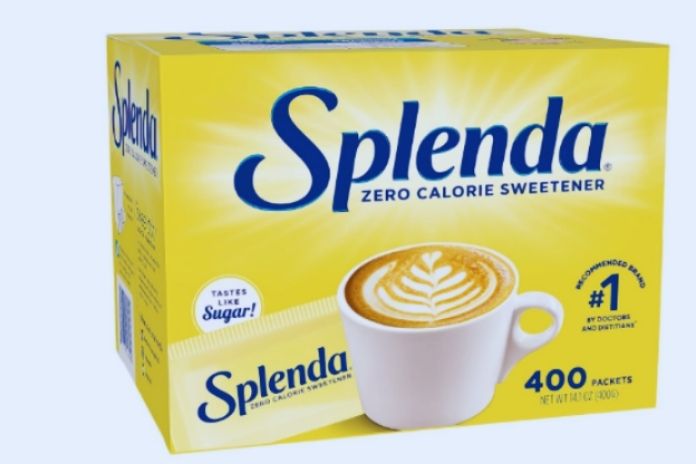
5. SPLENDA Zero Calorie Sweetener 400 Count Packets 14.1 oz Box

SPLENDA Zero Calorie Sweetener 400
We recommend Splenda Zero Calorie Sweetener Packetsa convenient sugar substitute delivering sweet taste without calories, ideal for coffee, tea, and recipes while supporting low-sugar lifestyles with easy-to-use individual serving packets.
Check Price on ebay
*Purchases through this link support our research at no extra cost to you.
Practical Guidance On How To Use Splenda Appropriately
You don’t need to throw out every Splenda packet you own. But the evidence suggests that you need a more thoughtful framework than simply assuming, “it’s FDA-approved, so it’s harmless.”
- Occasional use is low-risk. A packet or two in your morning coffee a few times a week sits well below the dose levels that produced concerning findings in research.
- Audit your total sucralose load. Check labels on diet sodas, protein bars, sugar-free snacks, and flavored yogurts. Many people consume sucralose across 5 to 8 products daily without realizing it. That cumulative exposure is where the emerging evidence becomes more relevant.
- Consider cleaner alternatives. Monk fruit and stevia currently have less concerning research profiles than sucralose at typical use levels. Neither has produced the sucralose-6-acetate metabolite finding. Allulose is an emerging option with promising blood sugar data worth watching.
- If you have gut issues, take this more seriously. IBS, IBD, bloating, or any history of gut permeability make the microbiome and leaky gut findings directly relevant to you. Reducing sucralose exposure is a reasonable, low-cost precaution.
- Train your palate long-term. The most evidence-supported approach to addressing sweetener dependence is a gradual reduction in total sweetness intake. Research suggests palate adaptation to less sweetness takes roughly two to four weeks of consistent lower-sweetness eating.
- Track your symptoms. If you consume sucralose daily and experience ongoing gut discomfort, bloating, or irregular digestion, an elimination trial (removing sucralose for two to four weeks and monitoring symptoms) is a practical, free diagnostic tool.
Your goal isn’t perfection. It’s an informed reduction where it genuinely matters.
Read More: Is Aspartame Bad for Diabetics? Blood Sugar, Insulin, and Safety Explained
Final Word
You started reading this because you wanted a straight answer about Splenda, not more confusion. Here it is: at a packet or two in your morning coffee, you don’t need to panic. At five or more sucralose-containing products daily, you have real, evidence-based reasons to reconsider your intake.
The science on sucralose has moved. Not dramatically, not catastrophically, but meaningfully. The people who trusted it for decades weren’t wrong with the information available then. And you’re not wrong to ask harder questions now.
Informed choices beat fearful ones every time. Now you have the information to make yours.
- What the science says: Splenda is not acutely toxic at typical use levels, but the evidence is no longer clean enough to call it entirely harmless, especially for long-term, high-volume consumption.
- The real concern: Gut microbiome disruption, the DNA-damaging sucralose-6-acetate metabolite, and the WHO’s 2023 artificial sweetener warning all represent credible, mechanism-based reasons for caution, not panic..
- Do this now: Audit your total daily sucralose exposure across all products. If you’re consuming it in just one or two items, the risk is low. If it appears in five or more foods daily, consider a deliberate reduction.
FAQs
1. Is Splenda bad for you?
Splenda is not acutely harmful at typical consumption levels and remains FDA-approved. However, emerging research links sucralose to gut microbiome disruption, DNA-damaging metabolites, and the WHO’s 2023 warning on long-term artificial sweetener use raises legitimate concerns.
2. Is Splenda safe to use every day?
Daily low-dose use, such as one or two packets in coffee, carries limited demonstrated risk for healthy adults. Daily heavy use across multiple products raises greater concern, particularly regarding changes in the gut microbiome and sucralose-6-acetate, a metabolite shown to cause DNA damage in human cell studies.
3. I use Splenda every day in my coffee. Should I be worried?
At one to two packets daily, your exposure is well below the levels studied in research that has shown harm. The concern applies more to people consuming sucralose across multiple products daily. Checking your total sucralose intake across all food products is a more useful exercise than eliminating your morning coffee packet.
4. What is a healthier alternative to Splenda?
Monk fruit and stevia currently show cleaner safety profiles than sucralose at typical doses, with no sucralose-6-acetate equivalent identified. Allulose offers promising blood glucose data. No sweetener is proven to be completely risk-free at high long-term doses. Reducing total sweetness dependence remains the most evidence-supported long-term strategy.
References
- Abou-Donia, M. B., El-Masry, E. M., Abdel-Rahman, A. A., McLendon, R. E., & Schiffman, S. S. (2008). Splenda alters gut microflora and increases intestinal p-glycoprotein and cytochrome p-450 in male rats. Journal of Toxicology and Environmental Health, Part A, 71(21), 1415–1429.
- Brownawell, A. M., Caers, W., Gibson, G. R., Kendall, C. W., Lewis, K. D., Ringel, Y., & Slavin, J. L. (2012). Prebiotic and the health benefits of fiber: Current regulatory status, future research, and goals. Journal of Nutrition, 142(5), 962–974.
- Schiffman, S. S., & Nagle, H. T. (2023). Revisiting the safety of sucralose: genotoxicity and intestinal permeability following in vitro exposure. Journal of Toxicology and Environmental Health, Part B, 26(6), 307–341.
- Ruiz-Ojeda, F. J., Plaza-Díaz, J., Sáez-Lara, M. J., & Gil, A. (2019). Effects of sweeteners on the gut microbiota: A review of experimental studies and clinical trials. Advances in Nutrition, 10(S1), S31–S48.
- Suez, J., Cohen, Y., Valdés-Mas, R., Mor, U., Dori-Bachash, M., Federici, S., & Elinav, E. (2022). Personalized microbiome-driven effects of non-nutritive sweeteners on human glucose tolerance. Cell, 185(18), 3307–3328.
- Tremblay, A., & Bellisle, F. (2015). Nutrients, satiety, and control of energy intake. Applied Physiology, Nutrition, and Metabolism, 40(10), 971–979.
- U.S. Food and Drug Administration. (2023). Additional information about high-intensity sweeteners permitted for use in food in the United States.
- World Health Organization. (2023, May 15). WHO advises not to use non-sugar sweeteners for weight control in newly released guideline.
- Yunker, A. G., Alves, J. M., Luo, S., Angelo, B., Bhanu Hershfield-Loewen, M., Monterosso, J. R., & Page, K. A. (2021). Obesity and sex-related associations with differential effects of sucralose vs sucrose on appetite and reward processing: A randomized crossover trial. JAMA Network Open, 4(9), e2126313.
- Zhu, Y., Zheng, N., Qi, L., Li, Q., Lv, X., & Chen, Y. (2021). Sucralose consumption over the human life span: A systematic review and meta-analysis of randomized controlled trials. Frontiers in Nutrition, 8, 669628.
In this Article