




















When Karen, a 56-year-old paralegal from St. Louis, was diagnosed with type 2 diabetes two years ago, her endocrinologist also flagged her rising LDL cholesterol and borderline blood pressure. The conversation that followed surprised her. Her doctor explained that heart disease and diabetes are not two separate problems running on parallel tracks; they are deeply intertwined conditions that influence one another every single day.
That conversation reframed how she ate, exercised, and slept. Karen’s story is far from unusual. Adults living with diabetes face roughly twice the risk of heart disease or stroke compared with adults who do not have diabetes, and many develop cardiovascular problems at younger ages. Heart disease and diabetes are tightly linked because the same biological forces that drive high blood sugar also damage the heart and blood vessels.
The good news is that the daily habits, monitoring routines, and medical strategies that help manage blood sugar often also protect the heart. This article walks through why the two conditions overlap, what warning signs to watch for, how lifestyle and medications fit together, and the practical steps that make managing both feel less overwhelming.
- People with diabetes have roughly double the risk of heart attack and stroke, largely because high blood sugar damages blood vessels and accelerates atherosclerosis.
- Coronary artery disease, heart failure, stroke, and peripheral artery disease are the cardiovascular conditions most strongly linked to long-standing diabetes.
- A1C, blood pressure, and LDL cholesterol form the core trio of numbers that drive long-term outcomes when both conditions are present together.
- Diet, regular physical activity, sleep, stress management, and certain newer diabetes medications can substantially lower cardiovascular risk when used consistently.
Why Diabetes and Heart Disease Are Closely Linked
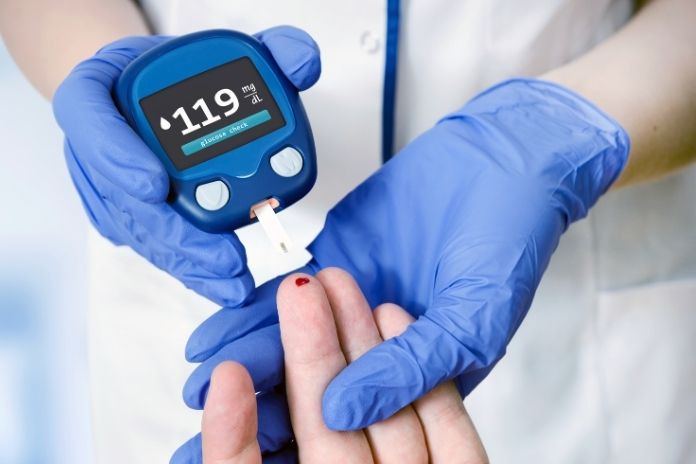
Diabetes and cardiovascular disease are now viewed as part of the same cardiometabolic continuum because the biological damage overlaps so heavily. Persistently high blood sugar injures the endothelium, the delicate inner lining of blood vessels that helps regulate smooth blood flow. Once damaged, cholesterol deposits build more easily, arteries stiffen, and plaque formation accelerates.
“Unfortunately, a common theme I find among my patients with diabetes is an overall lack of awareness of the connection between diabetes and cardiovascular disease,” said endocrinologist Dr. Robert Eckel, professor emeritus at the University of Colorado School of Medicine and former president of both the American Diabetes Association and the American Heart Association.
High glucose levels also trigger glycation, a process that forms advanced glycation end products that, over time, cause blood vessels to become inflamed and stiffen. Alongside insulin resistance, abnormal cholesterol, hypertension, and chronic inflammation, this creates the ideal environment for heart disease to develop.
A precision prognostics meta-analysis published in Communications Medicine found that inflammatory and cardiac stress biomarkers predicted cardiovascular events in people with type 2 diabetes beyond traditional risk factors, highlighting how layered diabetes cardiovascular risk truly is.
Common Heart Conditions Linked to Diabetes
Heart disease in diabetes often follows recognizable patterns, especially in people with long-standing type 2 diabetes. Coronary artery disease is the most common complication, caused by plaque buildup in the arteries that supply the heart. Reduced blood flow may lead to angina or a heart attack.
Diabetes can also directly weaken or stiffen the heart muscle, a condition known as diabetic cardiomyopathy. A review in the World Journal of Diabetes reported that diabetes raises heart failure risk two to five times, while heart failure itself can worsen blood sugar control, creating a difficult cycle.
Stroke risk is also significantly higher because diabetes damages both large and small blood vessels in the brain. Peripheral artery disease (PAD) is another common complication, narrowing blood flow to the legs and feet and often causing cramping, slow-healing wounds, or cold extremities. In many people, PAD is the first visible warning sign of widespread vascular damage.
Signs and Symptoms to Watch For
Cardiovascular symptoms in people with diabetes can look subtler than in the general population because nerve damage may dull the typical warning signals. Awareness is the first defense.
Common symptoms include chest discomfort or pressure, especially with exertion, unusual shortness of breath, disproportionate fatigue, swelling in the legs or ankles, and dizziness or palpitations. People with diabetes may also experience “silent ischemia,” reduced blood flow to the heart without the classic crushing chest pain.
Symptoms of unstable blood sugar can also mimic or mask heart trouble. Severe hypoglycemia may cause sweating, tremors, confusion, or rapid heartbeat, while very high blood sugar can produce extreme thirst, blurred vision, and nausea. Knowing which is which matters when deciding whether to call for help.
Older adults and women in particular may experience heart attacks without classic chest pain, so unusual fatigue or shortness of breath should not be dismissed.
Blood Sugar Control and Heart Health
Blood sugar control plays a central role in diabetes heart health because chronically high glucose damages blood vessels over time. A1C, which reflects average blood sugar over two to three months, is closely tied to cardiovascular risk, with even modest improvements linked to better long-term outcomes.
The landmark UK Prospective Diabetes Study follow-up, published in the New England Journal of Medicine, found that early intensive glucose control continued to reduce heart attack risk and overall mortality years later, a lasting benefit researchers called the “legacy effect.”
For many adults with type 2 diabetes, an A1C below 7 percent is a common target, though goals vary by age and overall health. Avoiding repeated glucose spikes and crashes also matters because blood sugar variability may further stress blood vessels.
As Dr. Erin Michos of Johns Hopkins said in a Peter Attia podcast interview, “How we live the first half of our lives really influences our freedom from morbidity and mortality the second half of our lives.”
Managing Blood Pressure and Cholesterol
Blood pressure, cholesterol, and diabetes management are essentially a three-legged stool. Pull one leg out, and the other two cannot hold up cardiovascular health on their own.
Blood Pressure Goals in Diabetes
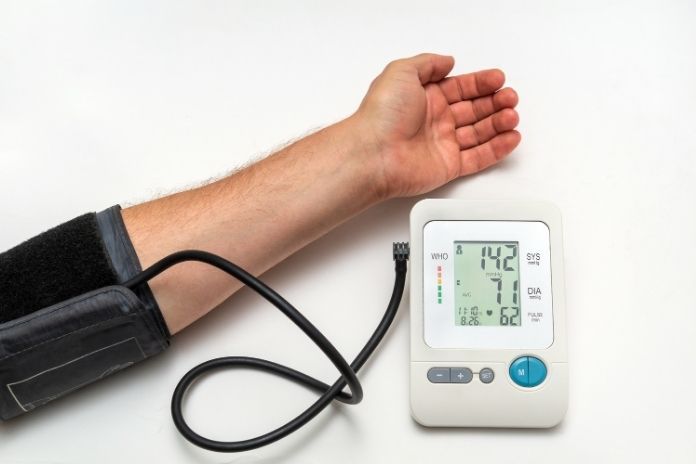
Most guidelines now suggest a blood pressure target below 130/80 mm Hg for adults with diabetes, since elevated pressure accelerates kidney damage, stroke risk, and heart failure. Home monitoring helps detect subtle changes between appointments and provides clinicians with a more accurate picture than a single office reading.
Sodium reduction, regular aerobic activity, weight loss when relevant, and stress management all help lower blood pressure. When lifestyle alone is insufficient, medications such as ACE inhibitors and ARBs are often chosen because they protect the kidneys at the same time.
Read More: Smart Monitoring: The Top 6 Upper Arm Blood Pressure Monitors for Convenient Health Tracking
LDL Cholesterol and Statins
LDL cholesterol drives the plaque buildup that fuels coronary artery disease. Many people with diabetes benefit from statin therapy regardless of their starting LDL number, because the underlying risk is high. Decisions about specific medications belong with a physician who knows the full medical picture.
For people who cannot tolerate statins or who do not reach their LDL targets on them, newer options like ezetimibe and PCSK9 inhibitors give clinicians additional tools. Tracking lipids at least once a year keeps treatment aligned with risk.
Read More: 10 Proven Ways to Boost Your HDL Cholesterol Without Medication
Lifestyle Habits That Support Both Heart Health and Diabetes Management

No medication regimen works as well as it could without daily habits backing it up. The same lifestyle habits that lower A1C also tend to lower blood pressure, improve cholesterol levels, and ease the heart’s workload.
Heart-Healthy Eating Patterns
A plate built around vegetables, legumes, whole grains, lean proteins like fish and poultry, and healthy fats from olive oil, nuts, and avocados supports both blood sugar stability and cardiovascular function. The Mediterranean and DASH eating patterns consistently rank highest in studies of diabetes and heart outcomes because they limit refined carbohydrates, added sugars, and processed meats without feeling restrictive.
Many clinicians recommend filling half the plate with non-starchy vegetables, a quarter with lean protein, and a quarter with high-fiber carbohydrates. Soluble fiber from oats, beans, and barley also helps lower LDL cholesterol, while omega-3-rich fish like salmon and sardines reduce triglycerides and inflammation.
Equally important is what to limit. Sugary beverages, ultra-processed snacks, deli meats, and trans fats all push glucose, blood pressure, and lipids in the wrong direction simultaneously. Cutting back on these items often produces visible improvements in lab work within months.
Read More: 10 Heart-Healthy Grains That Help Lower Cholesterol Naturally
Physical Activity and Insulin Sensitivity
Regular movement improves how cells respond to insulin, which lowers blood sugar without requiring more medication. It also strengthens the heart muscle, lowers blood pressure, and raises HDL cholesterol. The general recommendation is at least 150 minutes of moderate aerobic activity per week, paired with two sessions of resistance training. Walking briskly after meals, cycling, swimming, or even structured chair exercises all count.
Resistance work matters more than many people realize. Muscle tissue is the largest site of glucose disposal in the body, so building and preserving muscle improves blood sugar control independent of weight loss. Even short bouts, three sets of squats, push-ups, or resistance band exercises, add up across a week.
Read More: Strength Training vs Cardio for Diabetes: What Actually Works Better?
Sleep, Stress, and Lifestyle Risk Factors
Poor sleep raises cortisol, which raises blood sugar and blood pressure. Chronic stress does the same. Aiming for seven to nine hours of sleep nightly and treating conditions like sleep apnea, which is common in people with type 2 diabetes, can improve both glucose and cardiovascular metrics.
Smoking compounds vascular damage on top of what diabetes already causes, and excessive alcohol intake interferes with both glucose stability and cardiac rhythm. Quitting tobacco is arguably the single highest-impact change a person with diabetes can make for heart health, and the benefits begin within weeks.
Dr. Joshua Joseph, assistant professor of medicine in the Division of Endocrinology, Diabetes and Metabolism at Ohio State University Wexner Medical Center, advises patients to “maintain strong social support networks and healthy relationships. Get physical exercise.” The wraparound view, sleep, stress, relationships, and movement matter as much as any prescription.
Weight Management and Metabolic Health
Excess weight, particularly around the abdomen, drives insulin resistance and inflammation, both of which raise cardiovascular risk. Modest weight loss of five to seven percent of body weight can meaningfully improve A1C, blood pressure, and lipids. Sustainable changes outperform crash diets every time, since lost weight tends to return as fat rather than muscle, worsening metabolic profile.
Approaches that combine modest calorie reduction with higher protein intake, fiber-rich carbohydrates, and consistent movement tend to hold up best over the years.
Medications That May Help Protect Heart Health in Diabetes
Drug treatment for diabetes has evolved dramatically in the past decade. Several newer medication classes lower glucose while also providing direct cardiovascular protection, which has shifted how clinicians choose first-line therapies.
The table below summarizes how the major categories generally fit into combined management. This is for awareness, not self-prescribing.
Cardiometabolic Medication Guide
Goals, Medications & Cardiovascular Considerations
| Goal | Common Medication Category | Typical Cardiovascular Consideration |
|---|---|---|
| Lower blood sugar | Metformin | First-line treatment for type 2 diabetes; generally considered heart-neutral with possible modest cardiovascular benefits |
| Reduce cardiovascular events | GLP-1 receptor agonists | Associated with lower rates of heart attack and stroke in major clinical trials |
| Protect the heart and kidneys | SGLT2 inhibitors | Shown to reduce hospitalization risk from heart failure and support kidney protection |
| Lower LDL cholesterol | Statins | Commonly prescribed to reduce long-term cardiovascular risk and prevent major cardiac events |
| Manage blood pressure | ACE inhibitors or Angiotensin II receptor blockers | Often preferred in patients who also need kidney protection, especially in diabetes or chronic kidney disease |
These categories must be matched to the individual patient. As Dr. Prakash Deedwania, professor of medicine at the University of California, San Francisco, has emphasized, patients should “take medications consistently as prescribed and keep enough on hand” to avoid the kind of gaps that allow glucose and blood pressure to drift upward unnoticed.
The takeaway is that medication is a tool, not a substitute for a lifestyle-based approach. Consistency matters because the cardiovascular benefits of these drugs accumulate over months and years.
Preventing Heart Complications in People With Diabetes
Prevention rests on a small set of repeating screenings done well. Most people with diabetes benefit from at least an annual blood pressure check, a yearly lipid panel, an A1C test every three to six months, kidney function tests, and a foot exam to catch early circulation issues. Eye exams matter too because retinal blood vessels often reveal vascular changes before symptoms appear elsewhere.
Vaccinations against influenza, pneumonia, COVID-19, and shingles also play a quiet but meaningful role. Infections place stress on the cardiovascular system and can destabilize blood sugar for weeks, so prevention here is genuine heart protection.
Mental Health and Managing Two Chronic Conditions
Living with two interconnected chronic diseases is emotionally taxing. Diabetes distress and depression are both more common in this population, and both are associated with worse glucose control and higher cardiovascular event rates. Naming the difficulty is the first step toward addressing it.
Support can come from a therapist, a peer group, a diabetes educator, or simply a friend who understands the daily load. Setting smaller, realistic goals tends to work better than aiming for perfection, since the conditions require daily attention for years.
When to Seek Medical Attention Immediately
Some symptoms cannot wait for a regular appointment. Recognizing them quickly can save heart muscle, brain tissue, and lives.
Call emergency services for chest pain or pressure that lasts more than a few minutes or radiates to the arm, jaw, neck, or back; sudden shortness of breath; cold sweats with nausea; or signs of stroke, such as facial drooping, arm weakness, or slurred speech. Severe low blood sugar with confusion or loss of consciousness and very high blood sugar with rapid breathing, fruity breath, or vomiting also require urgent evaluation.
When in doubt, do not wait it out. The cost of a precautionary emergency room visit is far lower than the cost of a delayed diagnosis of a heart attack, and treatment is most effective when started within the first hour of symptoms.
Questions to Ask Your Healthcare Team
Walking into an appointment with clear questions tends to produce better care. Useful ones include: What should my A1C, blood pressure, and LDL goals be given my history? How often should my heart be evaluated, and do I need any imaging or stress testing? Are my current medications chosen with cardiovascular protection in mind, or only for glucose control? Which lifestyle change would make the biggest difference for me right now?
Bringing a list saves time and makes it easier to leave the visit with a concrete plan.
Conclusion
Heart disease and diabetes are closely linked conditions, but that link cuts both ways. The same daily decisions that bring blood sugar under control, balanced meals, regular movement, restorative sleep, stress management, and consistent medications, also protect the heart and blood vessels from the damage that high glucose accelerates.
Managing diabetes and heart disease together is not about chasing perfect numbers but about steady, repeatable habits supported by the right medical team. The earlier these habits become routine, the more their cardiovascular benefits compound over time, an effect that landmark research on diabetes care has now confirmed across decades of follow-up.
If you live with diabetes, treat heart disease and diabetes management as one project rather than two. A coordinated plan built around your A1C, blood pressure, cholesterol, and lifestyle, reviewed regularly with your care team, gives you the strongest chance at a long, active life.
References
- Aponte Ribero, V., Pearson-Stuttard, J., Manuel, D. G., & Wong, N. D. (2025). Diabetes and the risk of cardiovascular events and all-cause mortality among older adults: An individual participant data analysis of five prospective studies. European Journal of Clinical Investigation.
- Ahmad, A., Lim, L. L., Morieri, M. L., Tam, C. H., Cheng, F., Chikowore, T., et al. (2024). Precision prognostics for cardiovascular disease in type 2 diabetes: A systematic review and meta-analysis. Communications Medicine, 4, 11.
- American Heart Association News. (2018, July 12). Initiative aims to lower heart disease stroke risk among millions with diabetes.
- Attia, P. (2022). #230 ‒ Cardiovascular disease in women: prevention, risk factors, lipids, and more. The Peter Attia Drive Podcast.
- Holman, R. R., Paul, S. K., Bethel, M. A., Matthews, D. R., & Neil, H. A. W. (2008). 10-year follow-up of intensive glucose control in type 2 diabetes. New England Journal of Medicine, 359(15), 1577-1589.
- Salvatore, T., Galiero, R., Caturano, A., Vetrano, E., Rinaldi, L., Coviello, F., et al. (2023). Heart failure and diabetes: Understanding the bidirectional relationship. World Journal of Diabetes.
- Williamson, L. (2020, July 24). Controlling diabetes takes on greater urgency during COVID-19 pandemic. American Heart Association News.
In this Article