














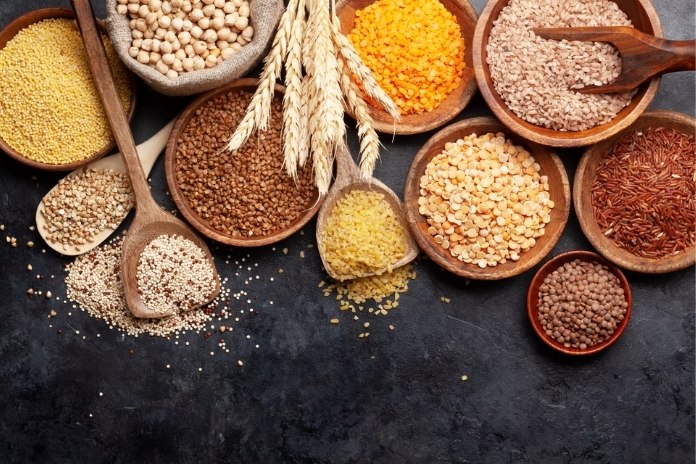
- Whole grains help lower cholesterol by providing soluble fiber that reduces LDL levels and improves overall heart health.
- The best grains to lower cholesterol include oats, barley, quinoa, brown rice, and millets due to their high fiber and nutrient content.
- Replacing refined grains with whole grains and eating them consistently supports long-term cholesterol control and cardiovascular health.
Cholesterol concerns are rising globally, driven by modern diets, lower physical activity, and increasing rates of obesity and metabolic disorders. High cholesterol, especially increased LDL levels, is a major risk factor for heart disease. Because of this, many people are actively searching for foods that lower cholesterol naturally rather than relying solely on medication.
While fruits, vegetables, and healthy fats are often emphasized, the role of grains in cholesterol management is frequently underestimated. The reality is that whole grains are one of the most effective and accessible dietary tools for improving cholesterol levels. Rich in fiber, antioxidants, and plant compounds, they play a central role in whole grains and cholesterol balance.
In this article, we will learn about the best grains to lower cholesterol, understand the science behind how they work, and learn practical ways to include these high-fiber grains for heart health into your daily meals.
Read More: Can You Eat Eggs If You Have High Cholesterol?
How Grains Help Lower Cholesterol (Science Simplified)
Role of Soluble Fiber
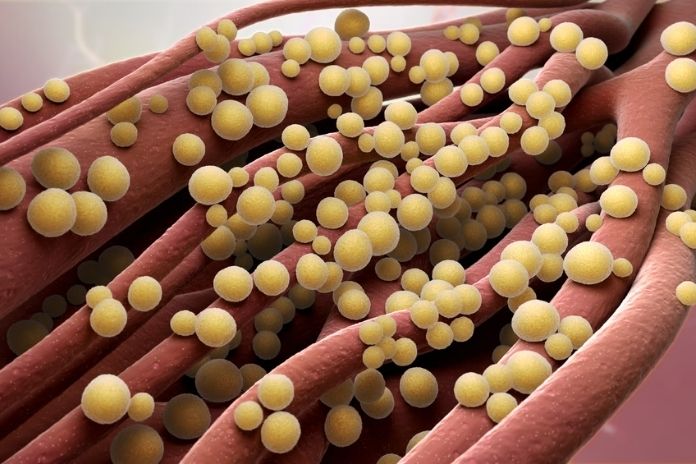
One of the most important reasons whole grains are considered cholesterol-lowering foods is their high content of soluble fiber. Unlike insoluble fiber, which mainly supports digestion, soluble fiber dissolves in water to form a gel-like substance in the digestive tract.
This gel binds to cholesterol and bile acids in the intestines, preventing them from being absorbed into the bloodstream. Since bile acids are made from cholesterol, the body is forced to use more circulating cholesterol to produce new bile. This process directly contributes to fiber and cholesterol reduction, especially lowering LDL levels.
Grains like oats and barley are especially rich in soluble fiber, which is why they are often recommended as first-line dietary changes for cholesterol management. Regular intake, even in moderate amounts, can lead to noticeable improvements over time.
Impact on LDL vs HDL
To understand how grains help, it’s important to look at LDL vs. HDL cholesterol. LDL (low-density lipoprotein) is often called “bad cholesterol” because it can build up in the walls of arteries and form plaques, increasing the risk of heart disease. HDL (high-density lipoprotein), on the other hand, helps remove excess cholesterol from the bloodstream.
Whole grains reduce LDL levels without negatively affecting HDL levels. This is a key advantage, as some dietary changes or medications may reduce both. By preserving HDL while reducing LDL, whole grains support a more balanced lipid profile and contribute to a sustainable heart-healthy diet.
Additional Benefits
Beyond cholesterol reduction, whole grains offer a wide range of benefits that indirectly support heart health. They improve gut health by feeding beneficial bacteria, which may influence how cholesterol is processed in the body.
They also help regulate blood sugar levels by slowing down digestion and preventing spikes in glucose and insulin. Stable blood sugar is closely linked to better cholesterol control. Additionally, whole grains promote satiety, helping with portion control and weight management. These are both important factors in plant-based cholesterol control.
Best Grains for Lowering Cholesterol
1. Oats (Rich in Beta-Glucan Fiber)
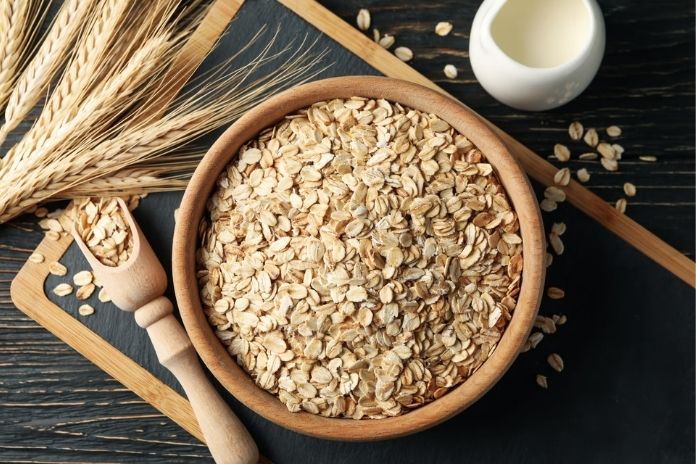
Oats are widely recognized as one of the most effective grains for cholesterol. They are particularly rich in beta-glucan oats, a type of soluble fiber that has been extensively studied for its cholesterol-lowering effects.
Beta-glucan forms a thick gel in the gut that reduces cholesterol absorption and promotes its elimination. Research shows that regular oat consumption can significantly reduce LDL levels within a few weeks. Oats are also incredibly versatile and can be used in porridge, overnight oats, smoothies, or even savory recipes like oat upma.
2. Barley
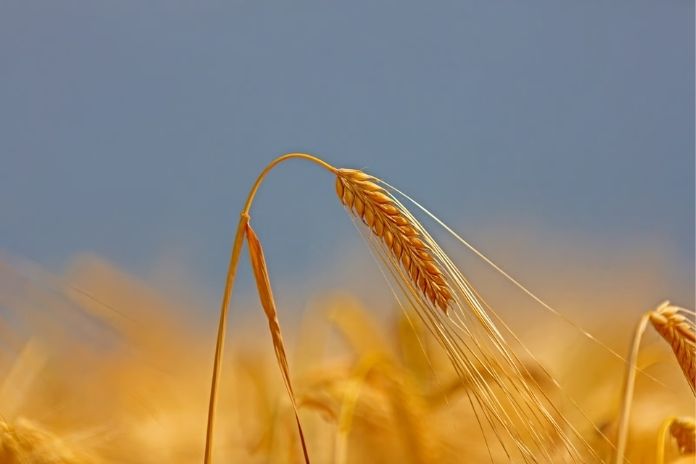
Barley is another powerhouse among the best grains for lowering cholesterol. It contains high levels of soluble fiber, similar to oats, and works in the same way by binding cholesterol in the digestive system.
In addition to lowering LDL, barley may also improve overall metabolic health, including blood sugar control. Hulled or minimally processed barley retains the most nutrients and is ideal for soups, stews, and grain bowls.
3. Brown Rice
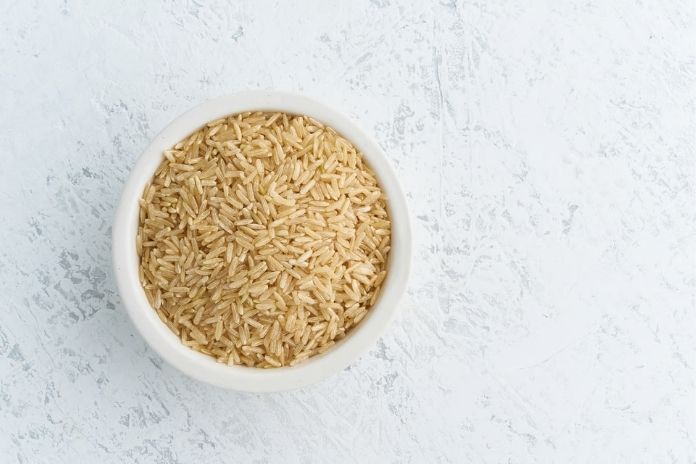
Brown rice is a simple yet impactful upgrade from refined white rice. Because it retains its outer bran layer, it provides more fiber, vitamins, and antioxidants.
As part of whole grains and cholesterol management, brown rice supports gradual digestion and prevents rapid spikes in blood sugar. While it may not be as high in soluble fiber as oats or barley, it still contributes to overall fiber intake and supports heart health when used consistently.
4. Quinoa
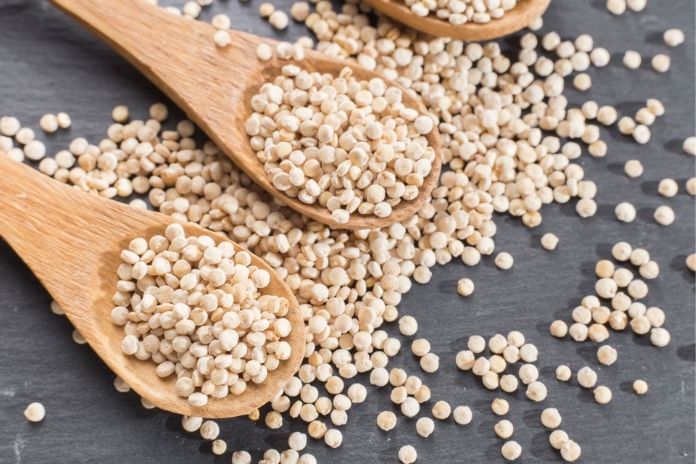
Quinoa is a nutrient-dense pseudo-grain that offers both high-quality protein and fiber. It contains all essential amino acids, making it especially beneficial for vegetarian or plant-based cholesterol-control diets.
Its fiber content helps reduce LDL levels, while its protein supports satiety and metabolic health. Quinoa is easy to cook and can be used in salads, bowls, or as a substitute for rice.
5. Whole Wheat
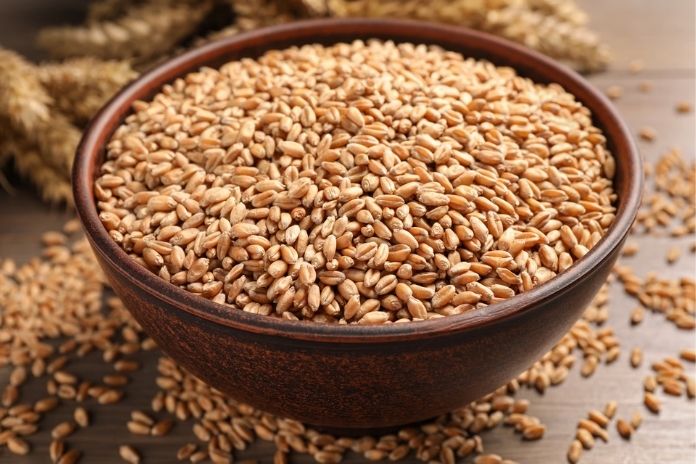
Whole wheat is a staple grain that provides significant benefits when consumed in its unrefined form. Unlike refined wheat products, whole wheat retains the bran and germ, which are rich in fiber and nutrients.
This makes it effective for fiber and cholesterol reduction, especially when it replaces refined carbohydrates. Whole wheat can be consumed through rotis, bread, pasta, or other minimally processed forms.
6. Millets (Ragi, Bajra, Jowar)
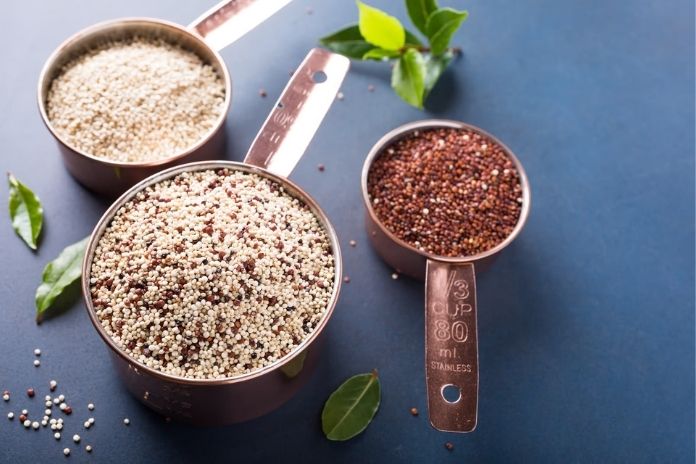
Millets are traditional grains that are gaining popularity again due to their impressive nutritional profile. They are excellent high-fiber grains for heart health and are naturally gluten-free.
Ragi is rich in calcium and fiber, bajra supports digestion and energy levels, and jowar provides antioxidants and sustained energy. These grains are particularly suitable for Indian diets and can be used in rotis, porridges, and dosa-like recipes.
Read More: 10 Proven Ways to Boost Your HDL Cholesterol Without Medication
7. Bulgur
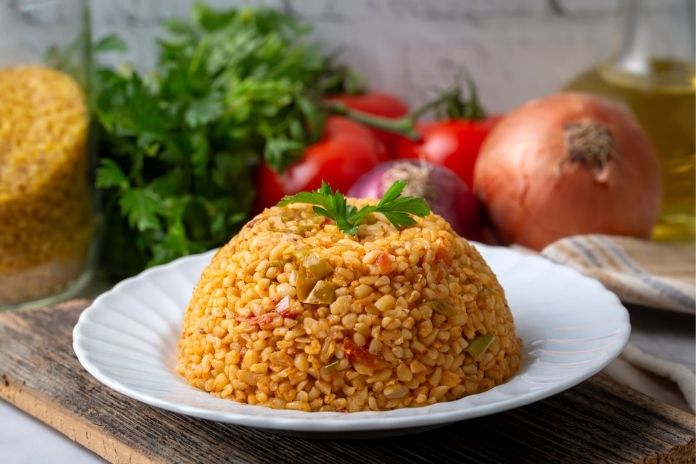
Bulgur is made from cracked whole wheat and is minimally processed, allowing it to retain much of its fiber content. It is quick to cook and highly convenient for everyday meals.
Its fiber helps support digestion and contributes to foods that lower cholesterol naturally by aiding in cholesterol elimination. Bulgur works well in salads like tabbouleh or as a base for grain bowls.
8. Buckwheat
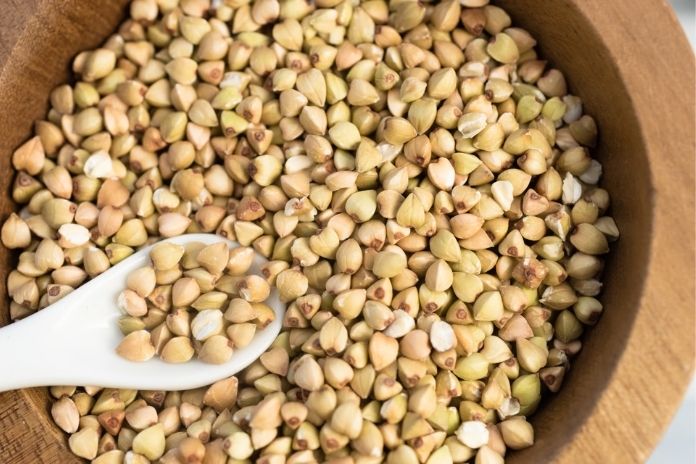
Buckwheat is a gluten-free grain rich in fiber, antioxidants, and beneficial plant compounds. It contains rutin, a compound that may support heart health by improving blood vessel function and reducing inflammation.
As part of cholesterol-lowering foods, buckwheat can help reduce LDL levels and support overall cardiovascular health. It can be used in porridge, pancakes, or noodles.
Grains to Limit if You Have High Cholesterol
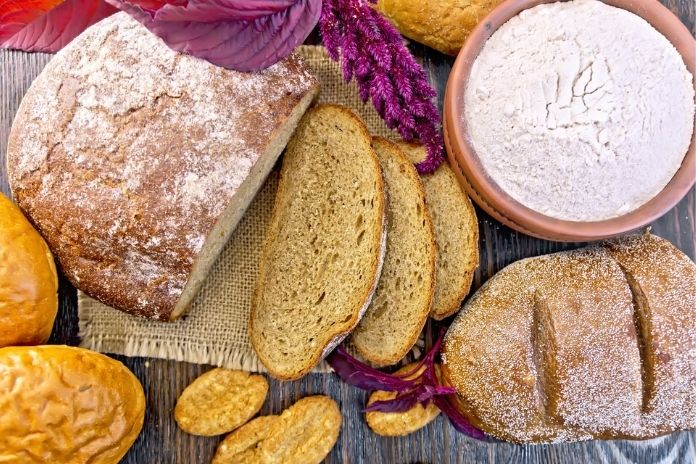
Not all grains are beneficial for cholesterol control, especially when they are highly processed.
Refined grains such as white bread, white rice, and refined flour products have had their fiber-rich outer layers removed. This makes them less effective for whole grains and cholesterol management and can lead to blood sugar spikes that worsen lipid profiles over time.
Processed cereals are another concern. Many are marketed as healthy but contain added sugars and very little fiber, reducing their value as foods that lower cholesterol naturally.
Sugary grain-based foods like biscuits, pastries, and packaged snacks should also be limited. These foods often contain unhealthy fats and refined carbohydrates that contribute to weight gain and increased LDL levels.
How to Add These Grains to Your Daily Diet (Actionable Section)
Breakfast Ideas
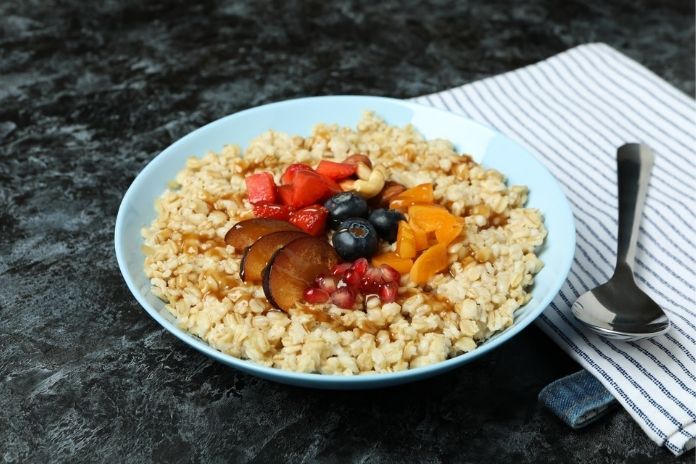
Breakfast is one of the easiest meals to include soluble-fiber foods. Oatmeal topped with fruits, nuts, and seeds is a simple and effective option. You can also prepare overnight oats for convenience.
Millet porridge is another excellent choice, especially for those who prefer traditional options. It provides sustained energy and supports grains for cholesterol intake early in the day.
Lunch and Dinner Swaps
Replacing refined grains with whole grains is one of the most impactful changes you can make. Swap white rice with brown rice, quinoa, or millets to increase your intake of high-fiber grains for heart health.
Adding barley to soups, curries, or stews is another easy way to include cholesterol-lowering foods in your meals without drastically changing your diet.
Snack Options
Snacks can also contribute to your daily grain intake. Whole-grain salads made with quinoa or bulgur are filling and nutrient-dense.
Roasted makhana or small grain bowls with vegetables and seeds are great options that support plant-based cholesterol control while keeping hunger in check between meals.
How Much Whole Grain Should You Eat Daily?
For significant cholesterol benefits, aim for at least 3 servings of whole grains per day. One serving could be half a cup of cooked grains, one slice of whole-grain bread, or a small bowl of porridge.
It’s important to balance your intake with protein, healthy fats, and vegetables to create a well-rounded, heart-healthy diet. Simply adding grains without considering overall diet quality may not yield optimal results.
Consistency is key. Including a variety of whole grains regularly ensures you get a mix of nutrients and maximizes the impact on cholesterol levels.
Read More: 11 Common Kitchen Mistakes That Could Be Secretly Causing High Cholesterol Levels
Quick Summary
Whole grains rich in soluble fiber are powerful cholesterol-lowering foods that help reduce LDL levels by limiting cholesterol absorption.
The best grains to lower cholesterol include oats, barley, quinoa, and millets due to their high fiber content. Limiting refined grains improves the effectiveness of whole grains and cholesterol management.
Regular consumption of high-fiber grains for heart health supports long-term cardiovascular health and overall well-being.
References
- National Center for Biotechnology Information. (2023). Health effects of whole grains: A bibliometric analysis.
- MDPI. (2020). Whole grain consumption and health outcomes. Nutrients, 12(10), 3045.
- ResearchGate. (n.d.). Nutritional contents and medicinal properties of wheat: A review.
- ScienceDirect. (2017). Whole grains and their role in reducing inflammation and improving lipid profile.
- Wiley Online Library. (2021). Whole grains and cardiovascular health.
- Whole Grains Council. (n.d.). How much whole grain is enough?
- National Center for Biotechnology Information. (2023). Lipoproteins and their effects on the cardiovascular system.
In this Article