









You’re one day out of bariatric surgery, sitting in a hospital bed with a two-ounce cup of broth and a printed sheet telling you to hit 60 grams of protein today. The math doesn’t add up. Your stomach is the size of a golf ball, every swallow feels like a test, and the only things on your approved list look like they belong at a five-year-old’s birthday party. Apple juice. Popsicles. Jell-O.
This is the reality of the clear liquid diet after bariatric surgery, and it catches patients off guard more than most surgical programs will admit. The phase is short, typically under a week, but the nutritional stakes are surprisingly high. Miss your post-op protein goals consistently in those first days, and you’re looking at slower wound healing, accelerated muscle loss, and a recovery that starts already behind.
However, clear protein supplements have genuinely changed what’s possible during this phase, and knowing how to use them, when to lean on each one, and what to skip entirely makes the difference between scraping by on 30 grams a day and actually hitting your targets.
This guide covers all of it, grounded in bariatric recovery nutrition research, written for patients who want to do this right from day one.
Read More: Shake Up Your Protein Game: 7 Delicious Protein Shakes Available on Amazon
Understanding the Clear Liquid Diet Phase After Bariatric Surgery

The clear liquid diet after bariatric surgery isn’t arbitrary. In the first days following gastric sleeve or gastric bypass surgery, your stomach is healing around staple lines and freshly restructured tissue. Clear liquids require almost no digestive effort, pass through quickly, and let that healing happen without interference.
This phase typically runs from day one through days five to seven post-op. The goals are simple: stay hydrated, support tissue repair, and protect the surgical site. The bariatric protein intake target, typically 60 to 80 grams daily, exists because protein rebuilds surgical tissue and defends lean muscle mass when caloric intake has dropped sharply.
A review in Current Opinion in Clinical Nutrition and Metabolic Care found that only a minority of bariatric patients actually hit the 60-gram minimum, resulting in loss of fat-free mass rather than fat.
Traditional protein shakes make this harder. Milk solids, fats, and lactose in standard whey concentrates are genuinely difficult for a fresh surgical stomach, leaving many patients dealing with bloating, nausea, or dumping syndrome. That’s precisely why clear protein supplements have become a cornerstone of early bariatric recovery nutrition.
Dr. Kevin Huffman, D.O., clarifies what Phase 1 actually demands: “Don’t panic if you can’t meet your fluid goals immediately. Every patient progresses differently. What matters is consistent, gentle progress. I’d rather see a patient sip 30 ounces comfortably than force 64 ounces and end up vomiting. Trust your body and communicate with your team.”
What Makes “Clear Protein” Different and Why It’s a Lifesaver
The word “clear” in clear protein supplements doesn’t describe what the product looks like. It describes what it doesn’t contain: milk solids, casein proteins, and fat fractions that make traditional shakes heavier and harder for a post-surgical stomach to process.
The key ingredient is whey protein isolate, acid-processed to strip out virtually all lactose and fat. What remains is a 90%-plus protein fraction that dissolves completely in water, pours like fruit juice, and doesn’t sit in a healing pouch the way a shake does.
A study in PMC found that lighter, more soluble protein formats showed better tolerability and daily intake compliance after metabolic surgery. Highly concentrated drinks force the small intestine to pull in water to dilute them, triggering cramping and loose stools, especially in gastric bypass patients.
If a clear protein drink tastes intensely sweet, diluting it 50/50 with water almost always fixes the problem immediately. Whey protein isolate clear formulations also run significantly lower in lactose than concentrate-based products, which matters because temporary lactose sensitivity is common during gastric bypass recovery and compounds nausea in the early post-op days.
Dr. Matthew Weiner, MD, a board-certified bariatric surgeon, has written extensively about the importance of building the right protein foundation early in recovery, emphasizing that the quality and absorbability of your protein source in the initial post-operative phase directly shape your long-term outcomes.
The Best Clear Protein Sources for Bariatric Recovery
Not every liquid that passes a clear liquid diet checklist is doing meaningful work for your bariatric protein intake. Here’s what actually earns its place in the recovery toolkit and why.
Clear Whey Isolate Drinks
This is the workhorse of the phase. A quality whey protein isolate clear drink delivers 15 to 20 grams of complete protein per 8-ounce serving in a format that genuinely resembles fruit juice in texture and feel. After two days of plain broth and water, something that tastes like lemonade and still counts toward your protein target is a genuine morale lift.
Watch the labels. Some products marketed as clear protein contain enough sugar to push osmolality into uncomfortable territory, or include stabilizers that compromise the light texture that makes these drinks tolerable in early recovery. Fewer than 10 grams of sugar per serving and a clean ingredient list are what you’re looking for.
Read More: Whey Protein vs Soy Protein: Which Is Better for Hormones?
Protein-Infused Water
Protein water sits at the lighter end of the spectrum, typically 10 to 15 grams per bottle, with very little else. For patients whose pouch tolerance is especially limited in those first few days, this is often the most manageable format. No sweetness fatigue, no intensity, and the protein content adds up meaningfully across a full day of consistent sipping, even when each serving feels modest.
Cold temperature helps here, too. Most patients find ice-cold protein water easier to tolerate than room temperature, and the chill has a mild effect on nausea, which tends to be a background issue for the first 48 to 72 hours post-op, regardless of what you’re drinking.
Bone Broth
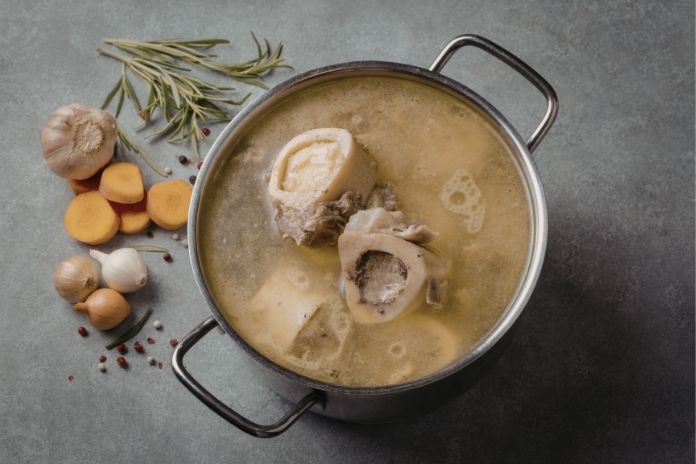
Bone broth protein won’t get you to your daily target on its own. At 6 to 9 grams per cup, it contributes rather than carries. What it provides that nothing else on this list can is a savory variety and a natural source of sodium, potassium, and other electrolytes that get depleted fast in the first days after surgery.
Electrolyte depletion is real, and it’s underappreciated. It drives the headaches, muscle cramps, and bone-tired fatigue that patients often chalk up to “just part of recovery.” A cup of warm bone broth mid-afternoon is functional nutrition for hydration and electrolyte balance in a way that sweet protein drinks simply can’t replicate.
Stick to plain or low-sodium versions. Anything with cream, butter, or thickening agents disqualifies it from the clear liquid diet after bariatric surgery phase entirely.
Sugar-Free Gelatin
Two grams of protein per serving, incomplete amino acid profile, and no meaningful contribution to your bariatric protein intake targets. And yet it earns its place here for one reason: texture. By day three or four of drinking everything, the slight resistance of gelatin provides psychological relief that is genuinely underrated.
Pair it with a clear protein drink or bone broth, treat it as a break between protein sips, and don’t make the mistake of counting it as a protein serving.
The Bariatric Gold Standards for Meeting Protein Goals
Knowing which clear protein supplements to use is only half the equation. How you consume them matters just as much as what you consume.
Choose the Right Protein Source
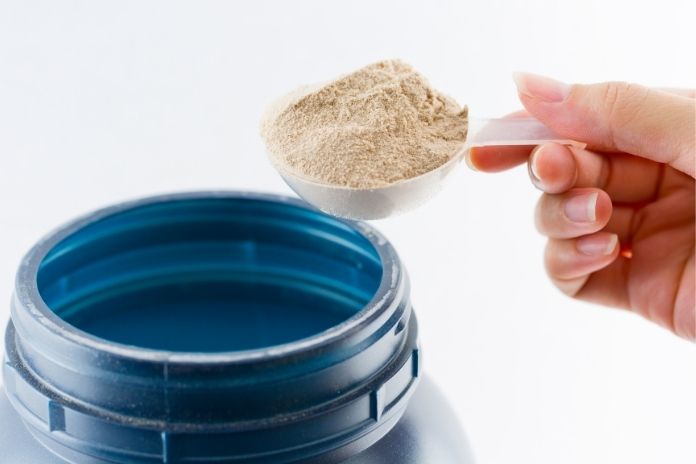
Whey protein isolate is your primary tool. It’s a complete protein with all nine essential amino acids and a PDCAAS score of 1.0, the highest possible on the digestibility scale. Nothing else on the clear liquid list comes close in terms of what your healing tissue actually needs.
A clinical trial published in PubMed evaluating protein supplementation after bariatric surgery found that patients provided with structured protein supplementation were able to meet and exceed the recommended 60 grams per day, with supplementation directly protecting fat-free mass during the rapid weight loss phase.
Collagen peptides have built a strong following in the bariatric community, and the appeal makes sense. They support skin elasticity and hair follicle health, both of which take a real hit during rapid post-surgical weight loss. That benefit is legitimate. But collagen is an incomplete protein.
It lacks tryptophan entirely and falls short on several other essential amino acids, which means the body can’t use it efficiently for the tissue repair happening in those first post-op days. The collagen vs whey protein for recovery comparison is not even close when it comes to early surgical healing. Use collagen peptides alongside a whey isolate-based plan, never instead of one.
Read More: High Protein Diet for Weight Loss
Sip, Don’t Gulp
The sip schedule is not a lifestyle suggestion. It’s the mechanical reality of what a post-surgical stomach can handle. A new pouch, whether from a gastric sleeve or gastric bypass procedure, holds a fraction of pre-surgical volume. Drink too quickly, and the pressure triggers cramping, nausea, or the early warning signs of dumping syndrome within minutes, sometimes seconds.
The standard guidance from most bariatric programs is roughly one ounce every 15 minutes. In practice, that means taking a small deliberate sip, setting the cup down, waiting, and repeating. It feels excruciatingly slow. It is slow. It’s also the only approach that consistently works in those first days without causing avoidable discomfort.
Watch the Osmolality
When a clear protein drink tastes very sweet or very concentrated, dilute it. A 50/50 mix with plain water drops the osmolality, softens the flavor, and almost always improves pouch tolerance without meaningfully reducing the protein content per sip when you’re drinking consistently throughout the day.
This is especially important for gastric bypass patients, whose restructured digestive anatomy makes them more vulnerable to hyperosmotic liquids than gastric sleeve patients.
Dr. Kevin Huffman, D.O., writing on the nuances of post-surgical nutrition technique, notes that the how matters as much as the what: “It’s not only about finding the right protein supplements, but also learning techniques to properly prepare and consume them after surgery.”
For patients navigating the clear liquid diet after bariatric surgery, that means small sips, consistent timing, and a plan that’s actually built for the stomach you have now, not the one you had before.
How to Build a Clear Liquid Protein Plan
The single biggest structural mistake patients make during the liquid diet phase after surgery is front-loading. They wake up, look at a 70-gram target, and try to knock out two or three large servings before lunch. The pouch doesn’t cooperate. Nausea hits. They fall behind and never quite catch up.
Distribution is the strategy that actually works. Spread your bariatric protein intake across every waking hour in small, consistent increments, and treat hydration as the thread connecting each protein window.
A realistic framework built around a 70-gram daily target:
- 7:00 AM: 8 oz whey protein isolate clear drink (15-20g protein)
- 9:00 AM: 8 oz protein water (10-15g protein)
- 11:00 AM: 8 oz clear whey isolate drink (15-20g protein)
- 1:00 PM: 1 cup bone broth protein (6-9g protein) and sugar-free gelatin
- 3:00 PM: 8 oz protein water (10-15g protein)
- 6:00 PM: 1 cup bone broth (6-9g protein) and 8 oz plain water
Between every one of those windows, plain water or electrolyte water should be sipped continuously. Maintaining hydration and electrolyte balance alongside your bariatric protein intake is not a secondary goal. It’s equally critical.
According to bariatric care specialists at Bariatric Fusion, dehydration is the leading cause of hospital readmission after bariatric surgery, making consistent fluid intake every bit as clinically important as hitting your post-op protein goals.
Rotating between savory bone broth and sweet, clear protein drinks across the day also addresses something that recovery guides rarely discuss: flavor fatigue. By day three, the patient who has a varied plan is drinking. The patient who front-loaded sweet shakes on day one and hit a wall is not.
Flavor Fatigue Survival Kit

By day four of the clear liquid diet after bariatric surgery, even the most disciplined patients are dreading their next sip. The sweetness of protein drinks stops being pleasant and starts being nauseating. The broth tastes like warm salt. Everything feels the same, and the idea of drinking another 40 grams of protein feels impossible.
Temperature is your first and most underused tool. Ice-cold, clear protein in a citrus flavor and warm bone broth are genuinely different sensory experiences despite being equally compliant. Rotating between cold-sweet and warm-savory throughout the day breaks the monotony without requiring anything off your approved list.
Unflavored whey protein isolate opens up another path. Stir it into chamomile or ginger herbal tea, but only after the tea has cooled below 140 degrees Fahrenheit. Above that temperature, whey isolate can clump or partially denature, affecting both texture and solubility. The easy rule: if the tea is comfortable to sip, it’s cool enough for protein.
For something that actually feels like a treat, diluted clear protein mixed into plain decaf iced coffee works surprisingly well. Sugar-free flavor drops are another option for plain protein water, as long as they don’t contain sugar alcohols, which can cause GI distress in a post-surgical gut that’s already working under stress.
Common Mistakes to Avoid
Choose fruit juices or clear drinks with zero protein. Apple juice and white grape juice are technically permitted on most clear liquid diet lists. They are not doing a single thing for your post-op protein goals
Patients who fill their daily fluid ounces with juice-based beverages consistently arrive at the end of the day having met their fluid target and barely touched their protein. Check every label before it counts.
Over-relying on collagen peptides in early recovery. The marketing around collagen peptides in the bariatric space can be genuinely misleading. Collagen supports connective tissue, hair, and skin. It cannot provide the complete amino acid profile your healing surgical tissue needs in those first post-op days.
Drinking too quickly or in larger volumes than the pouch tolerates. The sip schedule isn’t a preference. Patients who drink in normal swallows report cramping, nausea, and early dumping syndrome symptoms with near-predictable consistency. Slow is not optional during this phase.
Skipping plain water between protein sessions. Clear protein supplements contribute to your fluid intake. They don’t replace plain water. The goal is 48 to 64 ounces of total fluid daily. Patients who drink only protein sources between meals frequently become dehydrated by early afternoon without understanding why they feel so depleted.
Read More: High-Protein Canned Foods That Keep You Full Longer (Nutritionist-Approved Choices)
Key Takeaway
The clear liquid diet after bariatric surgery is a short phase with consequences that stretch well beyond it. How you manage protein in those first five to seven days sets a pattern, metabolically and behaviorally, that shapes every stage of recovery that follows.
The patients who come out of this phase strongest aren’t the ones with the most willpower. They’re the ones who had the right tools, followed a realistic sip schedule, rotated their sources to stay ahead of flavor fatigue, and treated every ounce as purposeful rather than punishing.
Whey protein isolate in clear form, protein water, and bone broth protein together cover everything you need to hit your post-op protein goals without overwhelming a stomach that’s still adjusting to its new reality. Watch your osmolality. Sip slowly.
Prioritize complete proteins over collagen peptides in these early days. Protect your hydration and electrolyte balance with the same seriousness you apply to tracking grams. The clear liquid diet after bariatric surgery is the foundation. Get it right, and every phase after it becomes a little more manageable.
References
- American Society for Metabolic and Bariatric Surgery (ASMBS). (2019). Nutritional guidelines for the surgical weight loss patient: 2016 update. Surgery for Obesity and Related Diseases, 12(7), 955-1000.
- Andreoli, A., et al. (2017). The relevance of dietary protein after bariatric surgery. Current Opinion in Clinical Nutrition and Metabolic Care, 21(1).
- Golzarand, M., Toolabi, K., & Mirmiran, P. (2024). The effects of protein intake higher than recommended on body composition changes after bariatric surgery. Clinical Nutrition, 43(3), 708-718.
- Hsu, D. J., Lee, C. W., Tsai, W. C., & Chien, Y. C. (2017). Essential and toxic metals in animal bone broths. Food and Nutrition Research, 61(1), 1346396.
- Mechanick, J. I., Apovian, C., Brethauer, S., et al. (2020). Clinical practice guidelines for the perioperative nutrition, metabolic, and nonsurgical support of patients undergoing bariatric procedures. Obesity, 28(S1), O1-O58.
- National Institutes of Health, NIDDK. (2022). Bariatric surgery.
- Stokes, T., et al. (2020). Provision of ready-to-drink protein following bariatric surgery. Clinical Nutrition, 40(5).
- van Rutte, P. W. J., et al. (2023). PROMISE: Effect of protein supplementation on fat-free mass preservation after bariatric surgery. PMC.
- Fortis Healthcare. (n.d.). Diet and nutrition after bariatric surgery: What you need to know.
- Mayo Clinic. (n.d.). Gastric bypass diet: What to eat after the surgery.
- UMass Memorial Health. (n.d.). Post-op diet after bariatric surgery.
- NObesity. (n.d.). Post bariatric surgery diet stages.
- Apollo 247. (n.d.). Liquid diet for gastric bypass surgery.
- Taylor Bariatric Institute. (n.d.). Diet stage 1: Clear liquids.
- Queensland Health. (n.d.). Bariatric surgery stage 1 diet.
- Vanderbilt University Medical Center. (2020). Bariatric nutrition guide.
- Sydney Upper GI Surgery. (n.d.). Understanding post bariatric surgery diet textures: What to expect.
- LIV Hospital. (n.d.). Liquid diet for bariatric surgery.
- UCSF Health. (n.d.). Dietary guidelines after bariatric surgery.
- Virginia Mason Franciscan Health. (n.d.). Bariatric diet: What to expect.
- Faria, S. L., Faria, O. P., Buffington, C., de Almeida Cardeal, M., & Ito, M. K. (2020). Diet-induced thermogenesis and bariatric surgery.
- Virtua Health. (n.d.). Your diet right after bariatric surgery.
- Atlantic Health System. (n.d.). Eating after weight loss surgery.
- Ramsay Health Care UK. (n.d.). A guide to food and drink after gastric sleeve surgery.
In this Article