












- Calcium alone isn’t enough; vitamin D is essential for proper absorption and bone strength.
- Low vitamin D can silently trigger bone loss through hormonal imbalance.
- Strong bones require a mix of nutrients, exercise, and lifestyle, not just supplements.
A lot of people think taking calcium supplements is the best way to keep bones strong, but this view doesn’t account for how complex bone health really is. Calcium is very important, but it is only one part of a much bigger system that includes many nutrients and bodily processes.
Calcium and vitamin D deficiency osteoporosis is becoming more common, especially since more people in their 30s and 40s are being diagnosed with weak bones. The body can’t properly absorb or use calcium without enough vitamin D, and bone health suffers.
Because of this, this imbalance may quietly lead to early osteoporosis, which often develops without any noticeable symptoms in the beginning stages. This article explains why calcium alone is not enough for bone health and examines how bone health functions beyond calcium, including the science underlying calcium absorption and vitamin D.
Read More: All About Calcium: Supplements, Dosage, and Absorption
How Bone Health Actually Works: More Than Just Calcium
The Structure of Healthy Bone
Bone is a dynamic, living tissue that undergoes continuous remodeling; it is not a static structure. We can utilize our muscles to walk, ride a bike, and hold a child because our bones support our bodies. They store and release our calcium supplies while safeguarding our organs.
Calcium is a mineral that is essential for all of our body’s cells to function and for the development and maintenance of healthy bones. A balance between these processes is necessary for healthy bones. Your bone mineral density, a crucial measure of bone strength, is determined by this balance.
The components of bones are:
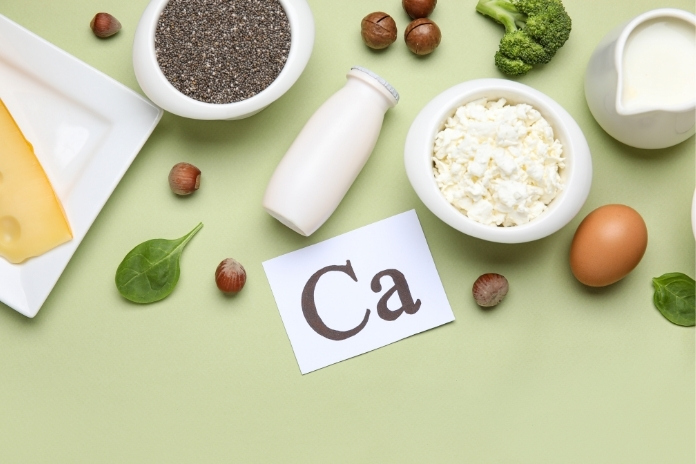
- Minerals such as phosphorus and calcium
- A collagen-based protein matrix
- Water and other trace elements
Why Calcium Is Only One Piece of the Puzzle
The main structural material in bones is calcium. However, without the assistance of:
- Hormones
- Vitamins
- Additional minerals
For this reason, focusing only on calcium intake misses the broader picture of the nutrients needed for strong bones.
The Hidden Link: Why Vitamin D Is Essential for Calcium Absorption

How Vitamin D Helps the Body Use Calcium
Calcium is necessary for your body to maintain strong, dense bones. Your bones may become frail and brittle due to low bone density. Even in the absence of a visible injury, these fragile bones are more prone to breaking.
Your body absorbs calcium with the aid of vitamin D. Consume foods that are high in protein, calcium, and vitamin D. Your body will get the building blocks it needs to create and maintain strong bones from this type of diet.
You can lower your risk of osteoporosis by exercising regularly, abstaining from smoking and heavy alcohol consumption, and ensuring adequate calcium and vitamin D intake.
What Happens When Vitamin D Levels Are Too Low
A deficiency of vitamin D in your body is known as vitamin D insufficiency, and it can lead to health issues such as weak muscles and brittle bones. Many people are vitamin D deficient but are unaware of it because there may be no symptoms, and doctors don’t regularly check levels.
Bone health depends on the body’s ability to absorb calcium and phosphorus, both of which are aided by vitamin D. A person with severely low vitamin D levels cannot properly absorb calcium from their diet; therefore, it is crucial to maintain sufficient levels. Improved phosphorus absorption from your diet is another benefit of healthy vitamin D levels.
Sun exposure usually provides people with sufficient vitamin D because the skin converts ultraviolet energy from sunlight into vitamin D. Additionally, several foods, such as fish, egg yolks, fortified milk and cereal, and nutritional supplements, provide vitamin D to humans.
The Hormonal Chain Reaction That Can Lead to Bone Loss
How the Body Maintains Blood Calcium Levels
The body uses parathyroid hormone and bone resorption to precisely control blood calcium levels. Your parathyroid glands emit the hormone parathyroid hormone (PTH) to regulate blood calcium levels.
Additionally, it regulates vitamin D and phosphorus levels. You may experience symptoms associated with abnormal blood calcium levels if your body produces too much or too little parathyroid hormone.
PTH affects the following bodily regions to control blood calcium levels:
Bones: PTH causes your bones to release trace amounts of calcium into your blood.
Kidneys: PTH makes it possible for your kidneys to produce calcitriol, or active vitamin D. Additionally, PTH tells your kidneys to retain calcium in your body instead of eliminating it through urination.
Small Intestine: PTH signals your small intestine to absorb more calcium from your diet.
When the Body Starts Pulling Calcium From Bones
Secondary hyperparathyroidism is caused by persistently inadequate vitamin D. This disorder gradually weakens bones by continuously activating parathyroid hormone and bone resorption. This imbalance eventually contributes significantly to the early osteoporosis causes.
Why Taking More Calcium Alone May Not Strengthen Bones
Limits of Calcium Supplements
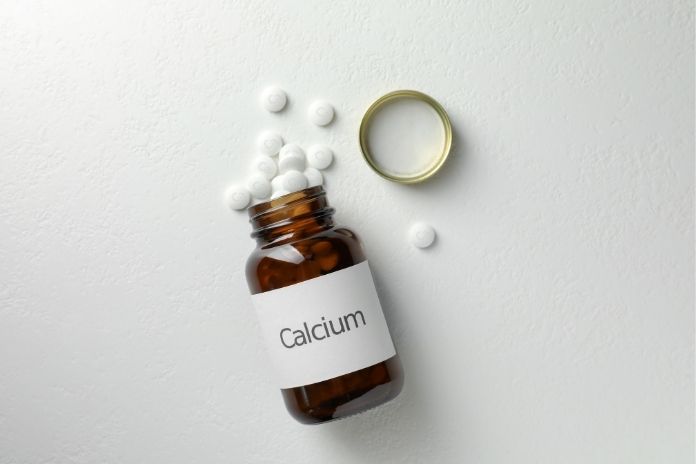
If you have a high risk of osteoporosis, your body only needs about 1,500 mg per day. It has been demonstrated that taking up to 2,200 mg is reasonably safe. 2,500 mg of calcium per day is the safe upper level.
Kidney stones are more likely when dietary calcium and/or supplements are used in excess. Numerous studies, however, indicate that a normal calcium intake may reduce the incidence of kidney stones.
Some people overindulge in calcium and vitamin D supplements, which can raise calcium levels beyond the body’s ability to process. You won’t acquire too much calcium from the diet alone.
When Calcium Goes to the Wrong Places
Calcium may accumulate in soft tissues rather than bones if it is not properly regulated. It is where vitamin K2 calcium transport becomes important.
A fat-soluble vitamin, vitamin K2, is essential for regulating calcium distribution. To ensure that calcium reinforces bones rather than accumulating in soft tissues like arteries, it activates proteins such as osteocalcin, which help bind calcium to the bone matrix.
You can obtain vitamin K2 from:
- You can get vitamin K2 from fermented foods such as natto (fermented soybeans)
- Dairy products, including cheese
- Egg yolks
- Several meats, such as liver and chicken
Read More: Why You Should Take Vitamin K2 With Vitamin D3: The Synergistic Duo for Bone & Heart Health
Osteomalacia: A Frequently Overlooked Condition Linked to Vitamin D Deficiency
How Osteomalacia Differs From Osteoporosis
It’s critical to distinguish between osteomalacia and osteoporosis:
Osteomalacia: Osteomalacia occurs when bones soften because there isn’t enough vitamin D or the body has trouble breaking it down. Vitamin D is important for the body to absorb calcium and phosphate. Both of these are important for keeping bones strong and healthy. When the body doesn’t get enough vitamin D, the bones become weak, soft, and more likely to break.
Osteoporosis: A condition that makes bones less dense. The body develops this condition when it does not make enough new bone or breaks down old bone faster than it replaces it. As a result, the bones become weak and prone to fractures, increasing the risk of fractures.
Symptoms That Are Often Misinterpreted
Common signs of early osteoporosis and osteomalacia include:
- Weakened muscles
- Walking is difficult
- Bone abnormalities, such as curved spines or bowed legs
- Diffuse aching in the bones
- Exhaustion
These symptoms are frequently disregarded or confused with lifestyle tiredness or aging.
When Medical Evaluation Is Important
Osteomalacia vs osteoporosis are diagnosed differently.
Osteomalacia Diagnosis:
Osteomalacia is typically diagnosed through blood tests that assess levels of calcium, phosphorus, and vitamin D. Doctors may also measure alkaline phosphatase, an enzyme produced by bone-forming cells, which is often elevated in individuals with osteomalacia.
Additionally, parathyroid hormone levels can indicate vitamin D insufficiency. In some cases, an X-ray may be required to detect small cracks or fractures in the bones.
Osteoporosis Diagnosis:
Regular screening is required, as osteoporosis often has no symptoms at first. Women over 65 or those with the risk factors listed above should pay particular attention to this.
The following are some osteoporosis diagnostic tools:
- Medical history, including past fractures, osteoporosis in the family, and lifestyle decisions
- Physical examination to assess gait, balance, and muscle strength
- Testing for bone mineral density, like a DXA scan
Common Factors That Contribute to Early Bone Loss
Low Vitamin D From Limited Sun Exposure
Modern lifestyles greatly reduce sun exposure. Widespread vitamin D3 deficiency is caused by sunscreen use, indoor labor, and pollution.
Sedentary Habits and Lack of Mechanical Bone Loading
To develop and maintain strong bones, your body requires calcium, vitamin D, and regular exercise. Your body might not produce enough new bone if:
- You don’t consume enough calcium-rich foods.
- The amount of calcium that your body absorbs from your diet is insufficient.
- Your body eliminates more calcium than usual through urine.
Your bones may be impacted by certain habits:
Consuming Alcohol: Drinking too much alcohol might harm your bones. Additionally, you run the risk of falling and fracturing a bone.
Smoking: Smokers’ bones are weaker in both men and women. After menopause, women who smoke are even more vulnerable to fractures.
Chronic Inflammation and Nutrient Deficiencies
By inducing inflammation, which aids the healing process, the body’s immune response is intended to protect against harm and infection. On the other hand, long-term immune system activation in chronic inflammatory diseases leads to ongoing inflammation.
Bone loss may result from this persistent inflammation, upsetting the equilibrium between bone resorption (the breakdown of bone) and bone production. Osteoporosis and bone loss are linked to several chronic inflammatory illnesses.
The most prevalent ailments and their effects on bone health are listed below.
- Rheumatoid arthritis
- Bowel inflammation
- Lupus
- Psoriatic arthritis with psoriasis
Read More: 6 Outdoor Workout Ideas for Fresh Air and Vitamin D Boost
Nutrients That Support Healthy Bone Remodeling
To stay active, avoid injury, and remain mobile, you need healthy bones and joints. If you want to stay active as you get older, it’s important to give your bones and joints the right nutrients.
Macronutrients
Protein: Is what makes up muscles, ligaments, and tendons, all of which are important for keeping joints healthy. Getting enough protein helps maintain muscle mass and repair tissue, which reduces stress on joints.
Omega-3 Fatty Acids: They are found in fatty fish such as salmon, walnuts, and flaxseed, can help ease joint pain and stiffness by reducing inflammation.
Carbohydrates: People often forget about them, but complex carbohydrates give you energy for exercise and movement, which helps keep your bones strong.
Micronutrients
Calcium: It is the main mineral in bones, providing them with strength and structure. Depending on age and sex, adults should consume 1,000-1,300 mg of calcium daily.
Vitamin D: Vitamin D helps bones remodel and makes it easier for calcium to be absorbed. If you don’t get enough vitamin D, just getting enough calcium may not be enough to keep your bones strong.
Magnesium: Magnesium helps turn vitamin D into its active form and is also important for building bones. Magnesium is found in nuts, seeds, whole grains, and leafy greens.
Vitamin K: Vitamin K helps bones get stronger by working with calcium to mineralize them.
Other minerals that help keep bones healthy include phosphorus, zinc, and manganese. They help bones grow and heal.
Practical Steps to Support Long-Term Bone Health
You might be able to stop or slow down bone loss by doing the following:
Eat a Lot of Calcium-Rich Foods: The Recommended Dietary Allowance (RDA) for adults 19 to 50 and men 51 to 70 is 1,000 milligrams (mg) of calcium a day. Women over 51 and men over 71 should take 1,200 mg a day. Dairy products, turnip greens, salmon, and canned salmon with bones, sardines, tuna, and soy products like tofu are all good sources of calcium.
Make Sure You Get Enough Vitamin D: It helps the body take in calcium. The recommended daily intake of vitamin D for adults aged 19-70 is 600 international units (IUs). For adults 71 and older, the suggestion is 800 IUs a day. Oily fish like salmon, trout, tuna, and mackerel are good sources of vitamin D. The body also makes vitamin D when it is in the sun.
Stay Active: Weight-bearing exercises can help strengthen your bones and slow bone loss. Some examples are walking quickly, jogging, dancing, climbing stairs, and playing soccer, tennis, and pickleball.
Don’t Drink Too Much or Smoke: If you want help quitting smoking, talk to your doctor. If you decide to drink, do so in moderation. That means women can have up to one drink a day and men can have up to two drinks a day.
Ask About Medicines: If you have to take medicine for a long time, ask your doctor whether it could harm your bones. If so, talk about how to keep your bones healthy.
Warning Signs That Should Prompt a Medical Check

Keep an eye out for these signs of early osteoporosis:
- Persistent discomfort in the bones
- Frequent fractures
- Weakened muscles
- Diagnosed with vitamin D deficiency and bone loss
Early diagnosis can stop progression.
Read More: The Interplay of Vitamin D Deficiency and Diabetes Risk
Conclusion
To keep your bones strong and healthy, you need to do more than eat more calcium. Calcium is important, but how well the body absorbs and uses it decides how well it works. Vitamin D and bone health are very important in this case to ensure proper calcium absorption and to strengthen all bones.
Not paying attention to this link can make it more likely that younger people who may not know the warning signs will miss early signs of osteoporosis. A good diet, regular exercise, and quick medical checkups are all important parts of a long-term plan for bone health.
References
- Linus Pauling Institute. Bone Health In Depth.
- American Academy of Orthopaedic Surgeons. Bone health basics.
- National Institute of Arthritis and Musculoskeletal and Skin Diseases. What is bone?
- Johns Hopkins Medicine. Vitamin D and calcium.
- MedlinePlus. Calcium, vitamin D, and your bones.
- Yale Medicine. Vitamin D deficiency.
- UF Health. (2024). What causes bone loss?
- Osteoporosis Canada. Medical conditions that can cause bone loss, falls and/or fractures.
- MedlinePlus. (2024). Calcium and bones.
- McAleese, E. (2024, November 30). The connection between chronic inflammation and bone loss.
- Heidi Godman. (January 1, 2022). Essential nutrients your body needs for building bone.
- Mayo Clinic. (Sept. 11, 2025). Bone health: Tips to keep your bones healthy.
- LibreTexts. Hormonal control of blood calcium levels.
- University of Alabama at Birmingham. Can you get too much calcium?
- My Home Doc. Vitamin K2 and calcium: How they work together for bone strength.
- Pantai Hospitals. Osteomalacia vs. osteoporosis: Key differences.
In this Article