
















- Timing Matters: Seasonal allergies occur at certain times; CSU lasts six weeks+
- Appearance Differs: Allergies cause mild redness; CSU shows itchy, raised, spreading welts.
- Triggers Vary: Allergies respond well to antihistamines; CSU often resists clear treatment.
Springtime is often associated with blooming flowers, warmer temperatures, and, unfortunately, rashes, sneezing, and itchy skin. When pollen counts are high, the majority of individuals believe that these symptoms are caused by seasonal allergies rather than hives.
But not all “spring rashes” are brought on by allergies. Recurrent or persistent hives can sometimes be a sign of a disorder called chronic spontaneous urticaria, which calls for an entirely different diagnosis and course of therapy.
This article will discuss the distinctions between seasonal allergies and hives, the symptoms of chronic spontaneous urticaria, and help you understand how to tell if a rash is allergies or hives. We’ll also go over causes, diagnosis, available treatments, and when to get medical attention.
Read More: Is It Safe to Take Allergy Medicine Every Day? What Experts Want You to Know
What Do “Spring Allergy” Skin Symptoms Usually Look Like?
In addition to brightness and new flowers, springtime also brings seasonal allergies. Our skin frequently reacts to mold, pollen, or changes in humidity during this time of year.
Allergic rhinitis is the medical term for seasonal allergies, which are frequently associated with pollen. While most people associate spring allergies with sneezing and nasal congestion, skin symptoms can also occur.
Histamine release primarily triggers these symptoms, as the immune system releases this chemical in response to allergens.
Common Symptoms of Seasonal Allergies
Usually, seasonal allergies start as soon as the earth starts to thaw. It typically occurs in early March. However, depending on what you’re allergic to, symptoms can appear sooner or later.
Seasonal allergies may cause many symptoms. When airborne pollen comes into contact with the skin and sinuses, it often causes symptoms such as skin rashes and congestion.
Typical signs of seasonal allergies include:
- Nasal congestion
- Hives
- Sore throat
- Exhaustion
- Cough
- Runny nose
- Sneezing
- Skin rash
When Pollen Exposure can Affect the Skin
Allergies can affect the skin in several ways. Inflammation brought on by histamine, for example, might make the skin more sensitive.
According to Dr. Marie Hayag, board-certified dermatologist and founder of Fifth Avenue Aesthetics, “Our skin can react to allergens, causing hives, scaly patches, and eczema… These skin reactions may be painful and itchy, causing you to scratch and damage your skin, which can lead to scarring or prolonged skin sensitivity.”
It’s also crucial to remember that skin irritation is only more common among those with seasonal allergies.
Typical Duration and Patterns of Seasonal Reactions
Common patterns are:
- Symptoms show up when the pollen count is high
- They help with antihistamines
- They go away when exposure goes down
Unlike chronic conditions, these reactions are predictable and closely related to environmental triggers. It makes it easier to tell the difference between urticaria vs allergic reaction.
What Is Chronic Spontaneous Urticaria (CSU)?
Definition and How it Differs from Acute Allergic Hives
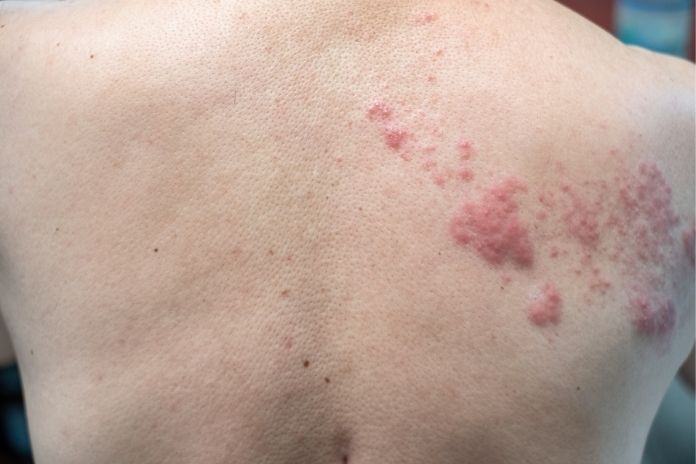
Chronic spontaneous urticaria (CSU) is a type of chronic urticaria characterized by itchy, raised skin welts that come and go without a clear cause for at least 6 weeks. CSU differs from other types of chronic hives because the welts form spontaneously and are not caused by pressure, cold, activity, or other physical stimuli.
Some patients and healthcare professionals still call CSU chronic idiopathic urticaria (CIU). “Chronic spontaneous urticaria” is the preferred term in international standards because it better describes what is known about the condition’s autoimmune and immune-mediated causes, even though the two terms are often used interchangeably in practice.
Why is it called “Spontaneous”?
The condition’s unpredictable nature is reflected in its name, “spontaneous.” Mast cell activation is frequently associated with this condition, leading to immune cells releasing histamine for no apparent reason.
How Long Must Symptoms Last to be Considered Chronic?
When you sense it, you’re going about your day. Your skin’s extremely irritating welts that vanished a few days ago have returned. It is how hives frequently appear and disappear.
You have chronic (long-lasting) urticaria if these flare-ups happen every day or most days of the week for at least six weeks. Hives are called “urticaria.” Chronic spontaneous urticaria is the term used when the cause of the hives is uncertain. Another name for it is chronic idiopathic urticaria. “Spontaneous” and “idiopathic” refer to “cause unknown.”
Read More: Planning the Perfect Allergy-Friendly Party: Tips for Hosts and Guests
Seasonal Allergies vs. Chronic Hives: Key Differences
For effective therapy, it is essential to distinguish between seasonal allergies and hives. Although they both entail histamine release, their triggers and patterns are very different.
Timing and Duration
- Seasonal allergies: Occur at particular times of the year
- CSU: Recurring or persistent for longer than six weeks
Appearance of Rash
- Allergies: Slight irritation or redness
- CSU: Wheals, flare-ups, and elevated, itchy skin that travels throughout the body
Response to Medication
- Allergies: Antihistamines work effectively for them
- CSU: May exhibit a weak or insufficient antihistamine reaction
Triggers
- Allergies: Avoid allergens like pollen
- CSU: Often has no known cause
Signs Your “Seasonal Rash” Might Actually Be CSU
Wheals, also known as hives, are the most common sign of CSU. These welts can appear anywhere on the body. They are raised, itchy, and often red or the same color as the skin. The unique chronic spontaneous urticaria symptoms help set it apart from other skin conditions.
Key symptoms to watch for:
Recurrent Hives: These are wheals that recur and last for more than 6 weeks. New hives are always forming, and old ones usually go away in a day.
Severe Itching: When you have hives, you almost always have severe itching that can make it hard to sleep and can make performing daily activities uncomfortable.
Angioedema: It is another condition that affects almost half of CSU patients. It causes deep swelling around the eyes, lips, hands, feet, or throat. Throat swelling could indicate a medical emergency.
No Clear Trigger: The hives don’t always occur after eating, taking drugs, or being around certain environmental factors.
Why CSU Is Often Misdiagnosed as Allergies
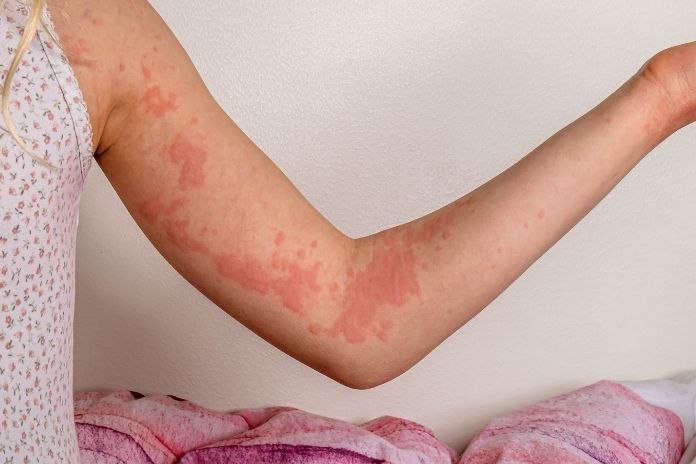
Confusion frequently arises from the substantial overlap between urticaria and allergic reactions.
Overlapping Histamine-Related Symptoms
The significance of histamine release in both illnesses is a major factor in the confusion between CSU and allergies. The immune system releases a substance called “histamine,” which results in swelling, redness, and itching.
Because both conditions include the following:
- Itching
- Redness
- Swelling
- Skin irritation
Assumptions Based on Timing (spring = allergies)
Timing heavily influences misdiagnosis. Most individuals naturally associate spring allergy skin symptoms with pollen exposure. This belief, though, may be deceptive.
CSU symptoms could include the following:
- Coincidentally, it began during allergy season
- Proceed past the pollen period
- Have no seasonal trend and occur year-round
Limitations of Self-Diagnosis
Another major factor contributing to CSU’s frequent confusion with allergens is self-diagnosis. Many people attempt to determine the cause of their rash without consulting a doctor, which may lead to inaccurate findings.
Typical difficulties consist of:
- Inability to recognize triggers
- Misinterpreting symptoms that repeat
- Assuming that allergies cause all rashes
Read More: Allergic to Touch? Understanding Dermatographia (Skin Writing Hives)
What Causes Chronic Spontaneous Urticaria?
Cutaneous mast cells in CSU release histamine and other inflammatory substances without any discernible external trigger. It is caused by an autoimmune process in about 30–50% of cases, in which the immune system produces antibodies (usually IgE or IgG) that directly activate mast cells. Even after careful analysis, the exact trigger in the other cases is still unknown.
Thyroid disease, various autoimmune conditions, and persistent infections like H. pylori can all contribute to CSU. Your allergist will check for them when appropriate.
Although CSU hives develop on their own, certain conditions can exacerbate or trigger flare-ups in those who already have the illness. Experts refer to these as aggravating factors rather than underlying causes:
- Physical or emotional strain
- NSAIDs (ibuprofen, aspirin)
- ACE inhibitor medicines
- Alcohol
- Fever or illness
- Hormonal shifts
- Overheating
- Clothes that are too tight
- Work out
- Foods high in histamine
- Food additives, such as benzoates
How CSU Is Diagnosed

It’s probably chronic spontaneous urticaria if neither you nor your physician can figure out what’s causing your persistent hives. In an effort to identify the cause of your hives, the doctor may ask you the following questions at your initial visit:
- Where and when do hives appear on the body?
- Is there any swelling?
- What is the duration of symptoms?
- When the hives started, what were you doing?
- What drugs do you take, if any?
- Do you have any additional symptoms?
To determine whether a food allergen caused your hives, your doctor might also ask about the foods you were eating at the time of your symptoms. Because CSU patients often produce excessive histamine in their blood cells, a blood test can aid in diagnosis.
Treatment Options for Chronic Hives
Managing chronic hives’ causes and treatment involves a stepwise approach. Antihistamines, which are over-the-counter anti-itch medications, are frequently used to treat chronic hives. Your doctor may advise you to try one or more prescription-strength medications if these don’t work.
Among them are:
- Montelukast (Singulair)
- Doxepin (Zonalon, Silenor)
- Ranitidine
- Omalizumab (Xolair)
Your doctor may recommend a medication to help reduce an overactive immune system if you have persistent hives that don’t respond to these therapies. Examples include mycophenolate (Cellcept), hydroxychloroquine (Plaquenil), tacrolimus (Prograf, Protopic, and others), and cyclosporine (Neoral and Sandimmune).
Read More: Can Hay Fever Make You Dizzy? Surprising Symptoms of Seasonal Allergies
Managing Symptoms Day-to-Day
It can be difficult to manage the chronic spontaneous urticaria symptoms, but several measures might assist.
Useful advice:
- Monitor flare-ups to spot trends
- Control your stress levels
- Steer clear of recognized triggers (if found)
Keeping a symptom diary can help answer why my hives keep coming back and improve long-term control.
When to See a Doctor About a “Seasonal” Rash

See a dermatologist for treatment as soon as possible if you or a loved one has a rash or other significant skin issues, along with one or more of the following symptoms:
- Daily activities or sleep affect the person
- The lips, face, or throat swells.
- Fever
- Blisters
- Open wounds
- Quick spread
- Indications of an infection
- Worsening despite home remedies
Persistent symptoms may indicate a persistent rash, not allergies, requiring professional evaluation.
Read More: Sneezing and Sniffling? How to Know If It’s a Cold or Allergies
Conclusion
Not all springtime rashes are caused by allergies. Seasonal triggers are common, but symptoms that don’t go away or come back could mean a more serious illness, like chronic spontaneous urticaria symptoms. Knowing the difference is important because CSU requires a different approach to diagnosis and treatment than seasonal allergies do.
If your symptoms last longer than you thought they would, don’t seem to have a clear cause, or keep coming back even after treatment, you should see a doctor right away. Early detection can improve quality of life and help you avoid unnecessary pain.
References
- Hollywood Dermatology. (2025, April 10). 5 signs of spring skin allergies.
- Tower Dermatology. Spring allergies in Los Angeles, CA.
- ENT of Georgia North. How seasonal allergies affect your skin.
- West Dermatology. (March 31, 2025). The Truth About Seasonal Allergies and Your Skin.
- Allergy & Asthma Network. Chronic spontaneous urticaria (CSU).
- Allergy, Clinical Immunology & Rheumatology (ACIR). Allergic rhinitis & urticaria.
- Doral Health & Wellness. Understanding chronic spontaneous urticaria: Causes, symptoms, and treatment.
- NY Allergy & Sinus Centers. Chronic spontaneous urticaria (CSU).
- Australasian Society of Clinical Immunology and Allergy (ASCIA). (2024). Chronic spontaneous urticaria (CSU).
- Mayo Clinic. (October 01, 2024). Chronic hives.
- American Academy of Dermatology. (November 25, 2025). Chronic spontaneous urticaria: Effective treatment possible.
- Oregon Medical Research Center. Chronic spontaneous urticaria or chronic hives.
In this Article