













- Hormonal changes, especially declining estrogen, influence skin, bones, and metabolism, but don’t stop aging.
- HRT helps manage menopausal symptoms and protect bone health, but it doesn’t reverse aging
- Benefits and risks vary widely, so treatment decisions must be personalized with medical guidance.
The notion that hormones affect how we age has drawn a lot of interest, particularly in relation to Hormone Replacement Therapy (HRT) and aging, and whether estrogen can help maintain youth. Regular menstrual cycles are often linked to longevity and vigor, which raises issues like whether estrogen slows aging and whether the benefits of hormone replacement therapy outweigh the disadvantages.
This article discusses the science underlying hormonal changes, the link between the menstrual cycle and aging, and the relationships among estrogen, skin aging, bone health, and general longevity. We’ll also break down what HRT for anti-aging myths get wrong, who may benefit from therapy, and what realistic expectations look like.
Read More: 10 Everyday Things That Are Secretly Messing With Your Hormones (According to Science)
What Happens to Hormones as We Age?
Changes in Estrogen and Progesterone Over Time
The endocrine system and aging are intimately related. This vast network of glands produces the hormones that regulate development, mood, metabolism, sexual function, and more.
Our hormone levels change as we age, producing more of some hormones and less of others (mainly the latter).
Menopause is the most frequent result of hormonal changes brought on by aging. The pituitary gland attempts to compensate for the decline in estrogen and progesterone production in women’s ovaries around age 50 by increasing follicle-stimulating hormone (FSH) secretion. Although all women experience menopause, some of the symptoms can be bothersome or even harmful.
The Transition from Regular Cycles to Perimenopause and Menopause
The shift begins during the menopause transition (perimenopause), a phase that can last several years. Unpredictable hormone fluctuations during this period cause irregular periods, mood swings, and metabolic abnormalities.
Menstrual cycles eventually come to a stop with menopause, which also signals a more permanent drop in estrogen levels. Skin thinning, bone loss, and changes in fat distribution are among the obvious menopausal and aging processes frequently linked to this period.
How Hormonal Shifts Affect Different Body Systems
Because symptoms vary depending on which hormones are affected and how, diagnosing a hormonal imbalance can be difficult.
Menstrual Changes: Hormonal imbalance is a common cause of irregular menstruation, while there are other causes as well. Your menstruation may be abnormally heavy, irregular, frequent, or absent due to fluctuating hormone levels.
Hair Issues: Hormones affect the natural cycle and structure of hair. Your hair will likely show signs of hormonal imbalance. For instance, when a person’s hormones shift during pregnancy, they frequently enjoy fuller, thicker hair. Hormonal imbalances can cause both excessive hair growth (hirsutism) and hair loss.
Skin Issues: The color and texture of your skin may alter due to a hormone imbalance. You may notice more acne on your face, chest, and back when elevated progesterone levels, such as during pregnancy, stimulate increased oil production.
Weight Changes: Always take unexpected weight loss or gain seriously. However, those problems can point to a hormonal imbalance. After menopause, weight gain is common due to a decrease in sex hormones.
Digestive Distress: Your sex hormones, progesterone and estrogen, regulate your metabolism and gastrointestinal system. Your gut function deteriorates when those hormones are out of balance, leading to digestive problems like diarrhea or constipation.
Why Menstrual Cycles Are Often Linked to “Youth”
The Biological Role of Regular Ovulation
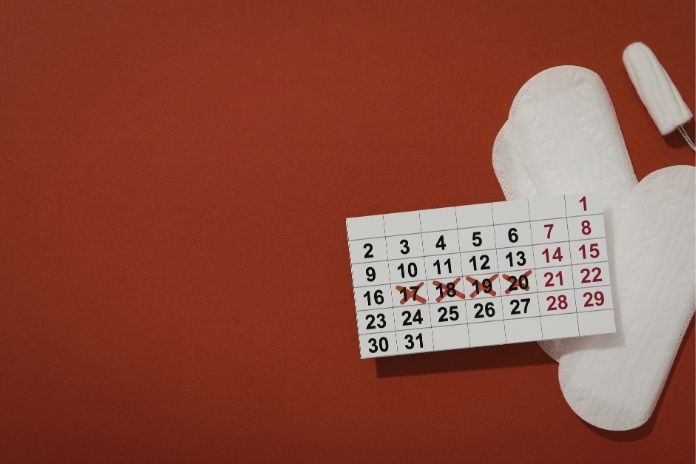
Ovulation plays an important role in the menstrual cycle by releasing a mature egg (ovum) from the ovaries. This release sets the stage for possible fertilization and the resulting pregnancy.
Ovulation usually lasts 28 days and happens in the middle of the menstrual cycle. Ovulation usually happens 14 days before the next menstrual cycle starts.
However, the link between menstrual cycle and aging is not as straightforward as it seems. Ovulation does not directly impede aging; it merely indicates underlying hormonal trends.
Estrogen’s Effects on Skin, Bones, and Metabolism
Collagen formation, skin hydration, bone strength, and even the thickness of your hair are all influenced by estrogen. Because of this, women who are going through menopause frequently feel as though they have aged ten years overnight.
Estrogen aids in maintaining:
- Skin elasticity and collagen
- Hair strength and circulation in the scalp
- Lubrication of joints
- Density of bone mineral
When it falls, you can encounter:
- Dry skin and fine wrinkles
- Hair loss or thinning
- Loss of shine or wrinkles
- Early osteoporosis or tight joints
Why Having a Period Doesn’t Necessarily Equal Better Health
Regular cycles are not a guarantee of overall health, even if they indicate hormonal balance. Some people may have metabolic or cardiovascular problems despite having regular cycles. It reinforces the need to look beyond menstruation when evaluating hormonal balance and longevity.
What Is Hormone Replacement Therapy (HRT)?
Types of HRT
Menopausal symptoms can be alleviated by hormone replacement therapy (HRT). As you go through the menopause, it replenishes the decreasing levels of female hormones.
The female hormones progesterone and estrogen are crucial to a woman’s biology. Hot flashes, mood swings, and vaginal dryness are just a few of the physical and psychological symptoms brought on by falling levels. Restoring female hormone levels is the goal of HRT, which can help a lot of women.
HRT comes in two primary varieties:
- Doctors recommend combined HRT (estrogen and progestogen) for women who still have a uterus.
- Oestrogen-only hormone replacement therapy (HRT) for women who have had a hysterectomy.
You can take oestrogen in several ways, such as:
- Tablets (oral medication)
- Patches applied to the skin
- Implants inserted under local anaesthesia
- Gels applied to the skin and absorbed
- Sprays applied to the forearm
Progestogen is available in the following forms when needed to prevent oestrogen from stimulating the uterine lining:
- Combined with estrogen in pills
- Combined with estrogen in patches
- Used individually as progestogen-releasing coils or pills
Who Is It Typically Prescribed For
Doctors prescribe HRT mainly for the following reasons:
- Moderate to severe menopausal symptoms
- Prevention of osteoporosis
- Certain cases of early menopause
It is not typically recommended solely for HRT or aging.
How HRT Differs from Natural Hormonal Cycles
HRT maintains constant hormone levels, unlike natural cycles. As a result, it cannot accurately mimic the biological rhythm of the menstrual cycle.
Read More: 6 Skincare and Hormone Mistakes We Make Trying to Fix Acne
Can Estrogen or HRT Slow Down Aging? What Evidence Shows
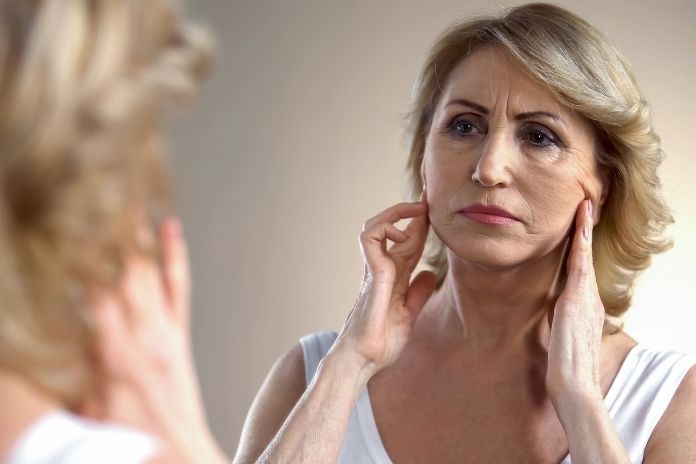
Effects on Skin Elasticity and Collagen
Even though HRT can be helpful, it’s not right for everyone. It is very important to talk to healthcare professionals to understand its pros and cons based on your medical history.
Your doctor or healthcare provider can monitor your health and provide personalized advice to ensure that HRT is a safe and effective option for your skin and overall health during menopause.
In addition to HRT, it’s important to keep up a good skincare routine. It means eating a healthy diet rich in antioxidants, staying hydrated, using moisturizers, and using sunscreen to protect your skin from UV damage.
When combined with HRT, these measures can greatly improve your skin’s health during menopause, helping you feel more at ease and confident.
Bone Health and Osteoporosis Prevention
Maintaining bone density is one of the key advantages of hormone replacement therapy. Estrogen reduces the risk of fractures by inhibiting bone resorption.It is a key reason why the benefits of hormone replacement therapy are considered to outweigh the risks for certain populations, especially those at high risk for osteoporosis.
Cardiovascular Health: Benefits and Risks Depending on Timing
Heart health and hormone replacement therapy have a complicated link. While starting later may raise risks, early initiation (around menopause) may give preventive benefits. When it comes to how HRT and aging interact with cardiovascular outcomes, timing is crucial.
Cognitive Health and Ongoing Research
Hormone replacement treatment (HRT) has the biological potential to prevent Alzheimer’s disease (AD) and cognitive decline. To ascertain if HRT might shield cognitively unimpaired and demented women against cognitive decline, we examine observational and randomized trials.
Common Myths About HRT and “Anti-Aging”
Myth: HRT can “Restore Youth.”
Some people think that hormone replacement therapy (HRT) may magically stop aging and make people young forever. HRT cannot stop the natural aging process, but it can help with some age-related symptoms, like hot flashes, mood swings, and vaginal dryness in women and loss of strength and libido in men. Use HRT to treat specific symptoms and enhance quality of life instead of trying to stop aging.
Myth: Continuing Periods Means Slower Aging
The link between the menstrual cycle and aging is often overstated. The rate at which the body ages is not solely determined by menstruation.
Myth: More Hormones Always Mean Better Outcomes
Excess hormone use can increase risks, reinforcing the need to carefully balance the benefits and risks of hormone replacement therapy.
Separating Marketing Claims from Clinical Evidence
Many anti-aging products overstate the advantages of hormones, while evidence-based medicine prioritizes individualized care over broad assertions.
Read More: Best Diet for Postmenopausal Women: Foods That Support Hormones, Bones, and Heart
Risks and Limitations of Using HRT for Aging
There are hazards associated with menopause hormone therapy. Menopause hormone therapy may make certain people more susceptible to:
- Heart condition
- Stroke
- Clots of blood
- Carcinoma of the breast
- Gallbladder illness
- Carcinoma of the endometrium
According to research, these risks differ based on:
Age: You are more likely to experience major difficulties if you begin menopause hormone therapy at age 60 or older, or if it has been more than ten years after menopause. However, the advantages may exceed the hazards if you begin menopause hormone therapy before the age of 60 or within ten years following menopause.
Menopause Hormone Therapy Type: Whether you take estrogen alone or in combination with a progestogen determines the risks associated with menopause hormone therapy. The kind and dosage of estrogen can also influence risk.
Health History: The hazards associated with menopause hormone therapy can also be influenced by your individual medical history, as well as the risk of cancer, heart disease, stroke, blood clots, liver disease, and osteoporosis.
Who Might Benefit From HRT—And Who Might Not
Evidence-Based Indications
HRT is advantageous for:
- Severe symptoms of menopause
- High risk of osteoporosis
- Early menopause
These cases illustrate situations where the benefits of hormone replacement therapy may outweigh the risks.
Situations Where Caution or Avoidance Is Advised
HRT might not be appropriate for people who have:
- Breast cancer history
- Problems of blood clotting
- Heart-related conditions
The Importance of Personalized Medical Guidance
A healthcare professional should always be involved in HRT decisions, taking into account each patient’s unique health profile and objectives.
Read More: Is Hormone Replacement Therapy Still Considered Safe?
Natural Ways Hormonal Health Influences Healthy Aging
Several dietary and lifestyle changes can help with menopause symptoms and overall hormonal health:
Diet: Eat foods that are high in phytoestrogens (like flaxseeds and chickpeas), omega-3 fatty acids (found in fish or supplements), calcium, magnesium, vitamin D, and B vitamins. These nutrients are good for your bones, heart, and brain.
Exercise: Walking, yoga, and strength training are all forms of regular physical activity that can help maintain bone density, mood, and sleep quality.
Sleep: To avoid mood swings and sleeplessness, make sure you get 7 to 8 hours of good sleep every night by following relaxing bedtime routines. Read about how sleep affects hormones.
Stress management: Mindfulness, meditation, and moderate exercise can help balance hormones by lowering cortisol levels. For more information, see Stress and Hormone Impact.
Hydration and Avoidance: Stay hydrated and avoid foods known to worsen hot flashes, such as caffeine and spicy foods.
Natural Supplements: Some women may benefit from herbs such as red clover and black cohosh, but they should use them cautiously under a doctor’s supervision.
When to Talk to a Doctor About Hormones and Aging

Managing hormonal balance and longevity requires knowing when to consult a doctor. As hormone levels change, many people start to feel the physical changes, especially during the menopause transition (perimenopause). Hot flashes, irregular periods, sleep difficulties, and mood swings are common signs of hormonal abnormalities.
It might be time to see a doctor if these symptoms become frequent or difficult to control. Asking specific questions during your visit will help you better grasp your alternatives.
For example, you might ask what the hormone replacement therapy benefits and risks are for your individual health profile, whether HRT is appropriate for your symptoms, and if there are alternative treatments available.
Having reasonable expectations for treatment is also crucial. HRT is not a panacea for aging, even though it can greatly enhance quality of life by lowering symptoms and promoting some aspects of health.
Read More: How Hormones Impact Your Sleep Cycle at Every Age
Conclusion
Hormones and aging share a complicated relationship that individuals often misunderstand. Estrogen is important for maintaining bone strength, skin elasticity, and overall health, but it doesn’t stop the aging process.
The connection between HRT and aging shows that it isn’t a cure-all for aging, but it can help women with severe menopausal symptoms.
References
- Rush University Medical Center. Hormones as you age.:
- MedlinePlus. Aging changes in the female reproductive system.:
- American College of Obstetricians and Gynecologists. My periods have changed—is menopause around the corner?:
- Let’s Talk Menopause. Period changes.
- UCLA Health. (July 3, 2024). 7 signs of a hormonal imbalance — and what to do about it.
- Jordan & Associates OB/GYN. Understanding hormonal changes: How they impact your health at every stage of life.
- Rhodesia N. LaStrap, DO. Understanding ovulation.:
- NHS inform. (2024, December 2). Hormone replacement therapy (HRT).
- Women’s Health Group Chicago. Understanding the myths about hormone replacement therapy.
In this Article