


















You finally booked the beach trip. The wedding date is set. The marathon you trained for six months falls on a specific Saturday. Then you do the math on your cycle, and your stomach drops.
A quick search for how to delay your period naturally pulls up lemon water, gelatin shots, vinegar drinks, and a parade of TikTok hacks promising to push back menstruation on command.
The truth is more complicated and more honest than what is trending. Your menstrual cycle is run by a tightly coordinated hormonal system, and overriding it without medication is far harder than the internet suggests.
This guide walks through what science actually supports, what is myth, what physically can shift your cycle (and why most of those things are not safe to attempt deliberately), and the medical options that work when timing genuinely matters.
- Natural remedies like lemon juice, vinegar, gelatin, and herbal teas do not have scientific evidence showing they can reliably delay a period.
- Stress, intense exercise, under-eating, and sleep disruption may shift cycles, but they are unpredictable and can negatively affect health.
- The most reliable ways to delay a period are medical methods like continuous birth control, continuous vaginal ring use, or Norethisterone tablets.
- Planning matters. Most hormonal methods work best when started at least one cycle before the event or travel date.
Read More: Missed Period but Negative Pregnancy Test: What Could It Mean?
Can You Really Delay Your Period Naturally?
The short answer is “not reliably and not on a specific date.”
Why Period Timing Is Controlled by Hormones
Your cycle is governed by a feedback loop between the brain, the ovaries, and the uterus. Estrogen builds the uterine lining during the first half of the cycle. Ovulation triggers the release of progesterone, which stabilizes that lining. When progesterone drops at the end of the cycle, the lining sheds. That is your period.
To delay menstruation, you essentially need to keep progesterone elevated past the point where it would naturally fall. Food, herbs, and home remedies do not do that in any consistent or measurable way.
What “Natural” Usually Means in This Context
In most online searches, natural methods refer to dietary tricks (lemon juice, apple cider vinegar, gelatin), herbal teas, intense exercise, stress, or last-minute lifestyle changes. The problem is that none of these reliably suppresses the hormonal cascade that drives menstruation.
OB-GYN Dr. Jen Gunter, a Canadian-American gynecologist and bestselling author of The Vagina Bible and Blood: The Science, Medicine, and Mythology of Menstruation, has written extensively about viral period-delay claims, noting that “no quality clinical trials support this assertion” when it comes to using high-dose NSAIDs or kitchen ingredients to push back the start of menstruation.
Important Reality Check
If your period is expected in the next few days, no natural method has solid evidence behind it. The hormonal commitment to bleed has already been made. Trying to outsmart that with last-minute remedies almost always disappoints, and some of the more aggressive attempts (extreme dieting, over-exercising, restricting sleep) carry real health costs.
Natural Factors That May Influence Period Timing
Some lifestyle factors can shift your cycle, but the operative word is shift, not control. You cannot dial in a precise delay.
Stress Can Delay Ovulation in Some People
Major psychological or physical stress can temporarily suppress the hormonal signals that trigger ovulation. Research published in Frontiers in Global Women’s Health reviewed how chronic stress and ovulatory dysfunction interact, finding that prolonged stress in human females can block, inhibit, or delay the preovulatory LH surge and disrupt the menstrual cycle.
The catch: this only delays the next period if it disrupts ovulation in the first half of the cycle. If you are already past ovulation, stress will not stop bleeding. And actively cultivating stress for cycle manipulation is not something any clinician would recommend.
Intense Exercise and Energy Deficit
Heavy training combined with restricted eating can suppress menstruation entirely. This is well documented in the female athlete triad, a condition that links low energy availability with menstrual dysfunction and decreased bone mineral density.
Using this as a period-delay tactic is genuinely dangerous. The same hormonal suppression that pauses your cycle also damages bone, weakens immunity, and disrupts long-term reproductive health.
Weight Changes and Sleep Disruption
Rapid weight loss or gain, shift work, and severe sleep deprivation can shift cycle regularity over time. But these are slow, unpredictable changes that show up over months, not a tool for delaying next week’s period.
Popular Natural Remedies: What Actually Works vs Myths
This is where most of the search traffic for natural ways to delay period ends up, and it is also where the evidence is thinnest. There is no clinical research showing that lemon juice, apple cider vinegar, or gelatin packets can delay menstruation.
The theories behind them range from “acidity disrupts the cycle” to “gelatin thickens the lining,” neither of which holds up biologically. Writing in The Vajenda, Dr. Gunter described the popular ibuprofen-and-gelatin trend as exactly the kind of viral hack where people make bold proclamations about body functions they have drawn from a hat.
A handful of herbs (raspberry leaf, parsley tea, and cinnamon) appear in home remedy lists, but none have peer-reviewed evidence for delaying a period on demand. Some herbal preparations can interact with medications or affect hormone levels in unpredictable ways, especially when purity and dosing are unregulated.
No specific food has been clinically shown to postpone menstruation. The cycle is too tightly hormonally controlled for a single meal or supplement to override it.
The Most Reliable Ways to Delay a Period Safely
When timing actually matters, the methods backed by evidence are medical, not herbal.
Hormonal Birth Control Methods
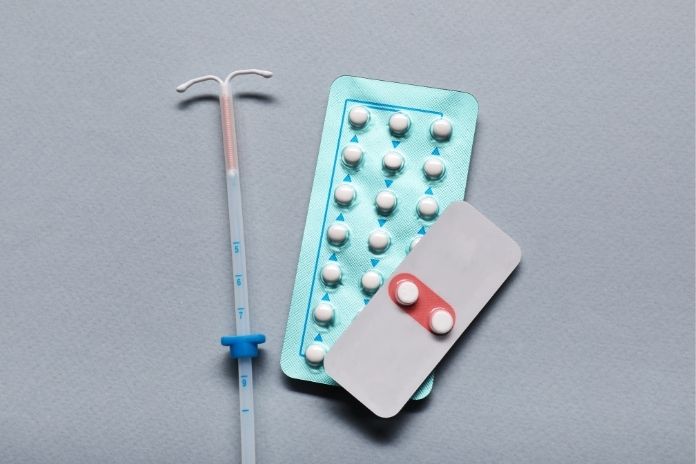
If you are already on a combined oral contraceptive, the most predictable way to skip a period is to skip the placebo week and go directly into the next pack of active pills. This is widely used and well studied. According to guidance from the American College of Obstetricians and Gynecologists, “skipping periods is safe if you can use birth control pills or a vaginal birth control ring.”
Some pill formulations (like Seasonale or Seasonique) are specifically packaged for fewer periods per year. The vaginal ring can also be used continuously by replacing it monthly instead of taking a ring-free week.
Prescription Period Delay Tablets
In several countries, clinicians prescribe norethisterone, a synthetic progestin, specifically to delay menstruation for short-term occasions. It is typically taken three times daily, starting roughly three days before your period is expected, and continued for up to 17 to 20 days. Once stopped, bleeding usually starts within two to four days.
This option is not appropriate for everyone. People with a history of blood clots, certain liver conditions, or who are pregnant or breastfeeding should not use it. It also does not work as a contraceptive, which is a common misconception.
Why Timing Matters
Dr. Linda Bradley, MD, Professor of Obstetrics, Gynecology, and Reproductive Biology at Cleveland Clinic and Director of the Center for Menstrual Disorders, has long supported the safety of continuous hormonal use.
In a Cleveland Clinic Health Essentials article, she explained that “even women with normal menstrual cycles can benefit from using hormonal birth control to skip periods.” The catch is that these methods work best when planned.
Starting birth control three days before a wedding is rarely effective. Starting it one or two cycles ahead gives the hormonal pattern time to stabilize, which reduces breakthrough bleeding.
How to Prepare if You Need to Delay Your Period for an Event
Planning is the single biggest factor that separates a smooth delay from a stressful one. A cycle tracking app or simple calendar log gives you accurate predictions. Most cycles run 21 to 35 days, but yours has its own pattern. Two to three months of data lets you estimate the next period within a window of a few days.
A telehealth visit or an in-person appointment six to eight weeks before your event gives time to start, adjust, or switch hormonal methods if needed. Bring your cycle log, current medication list, and a clear sense of which dates you are trying to avoid.
Even with hormonal methods, breakthrough bleeding can happen. Pack the period products you trust, pain relief options you tolerate, and a basic first-day comfort kit, just in case.
Read More: 12 Ways To Make Your Period End Faster – Cut Down The Days!
If You Don’t Want to Delay It: Ways to Manage a Period Comfortably
For many trips and events, managing the period is more realistic than delaying it. NSAIDs like ibuprofen, when used appropriately, reduce both cramps and overall flow. Heat (a patch, hot water bottle, or warm bath) eases uterine muscle tension. Hydration and light movement help with bloating and backache.
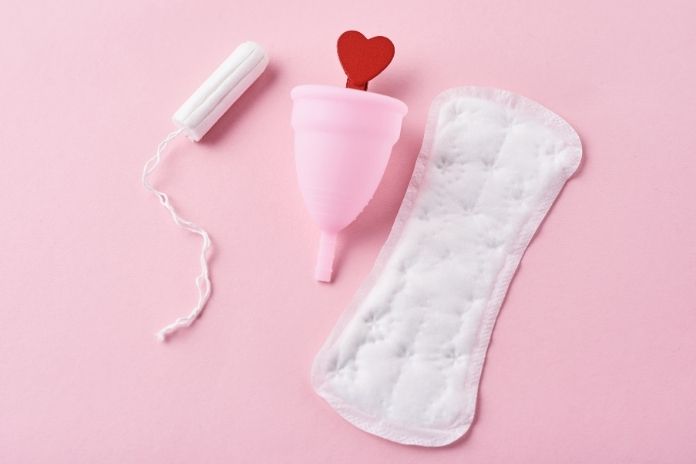
Tampons, pads, menstrual cups, discs, and period underwear all have a place. Cups and discs hold more than tampons and can stay in for up to 12 hours, which is useful for flights, long event days, or beach trips. Period underwear works well as backup or for lighter days.
If your first two days are the heaviest, schedule rest days, water access, and easy-change bathroom logistics around them. Loose, darker clothing on the heaviest days reduces anxiety about visible leaks.
Safety Risks of Trying to Delay a Period Naturally
The risks of pushing too hard for a natural delay are often underestimated. Deliberately under-eating or over-training to suppress a cycle can trigger functional hypothalamic amenorrhea, harm bone mineral density, and disrupt thyroid and adrenal function. These effects can take many months to reverse.
Supplements marketed as “natural period control” are not regulated for purity, dose, or efficacy. Some contain undisclosed hormonal compounds or interact dangerously with prescription medications, including antidepressants, blood thinners, and contraceptives.
Trying remedy after remedy to manipulate cycles can mask underlying issues. A delayed or missed period can signal pregnancy, thyroid disease, PCOS, perimenopause, or other conditions that deserve evaluation rather than home experimentation.
When to See a Doctor
There are clear situations where professional input is the right call. Medical options outperform home remedies by a wide margin. A clinician can match the right method to your medical history, your event timing, and your current contraception.
Recurrent severe cramps, very heavy bleeding, or cycles that swing wildly in length may point to fibroids, endometriosis, adenomyosis, or hormonal disorders. If your period is more than a week late and you are sexually active, take a pregnancy test before trying to “bring it on” with anything. If results are negative and the delay continues, a clinical workup is the right next step.
Read More: 5 Ways To Make Your Menstrual Cycle Regular
Comparing the Most Common Period-Delay Approaches
Different methods carry different evidence, timing requirements, and risk profiles. The table below summarizes the most-discussed options so you can see, at a glance, how they actually compare in real-world use.
Comparing the Most Common Period-Delay Approaches
| Method | How It Works | Evidence Level | Timing Needed | Key Risks / Limitations |
|---|---|---|---|---|
| Continuous birth control pill | Skips the placebo week to keep hormone levels steady and prevent withdrawal bleeding | Strong | Plan one to two cycles ahead | Breakthrough bleeding, prescription required, may not suit everyone |
| Norethisterone tablets | Synthetic progestin keeps the uterine lining intact and delays bleeding | Strong | Start about 3 days before the expected period | Not recommended for people with clotting risks, during pregnancy, or while breastfeeding |
| Vaginal ring used continuously | The ring is replaced monthly without the usual hormone-free break | Strong | Plan at least one cycle ahead | Spotting, hormonal side effects, prescription required |
| Stress or intense exercise | May suppress ovulation in some people due to hormonal disruption | Weak and unsafe to use intentionally |
Unpredictable | Bone loss, hormonal imbalance, fatigue, menstrual irregularities |
| Lemon juice, vinegar, gelatin | No proven biological mechanism to stop or delay a period | None | N/A | Disappointment, false reassurance |
| Herbal teas and supplements | Claims are mostly anecdotal and vary widely | Very weak | N/A | Unregulated products, possible drug interactions, and inconsistent effects |
As the table makes clear, the gap between hormonal medical options and home remedies is not a small one. Clinician-guided methods are the only category that produces predictable, repeatable results across most users.
Common Questions About Delaying Periods Naturally
Can I Delay My Period by a Few Days Naturally?
Sometimes cycles shift on their own due to stress, illness, or travel. But predicting or commanding that shift is not realistic. Most people who attempt natural delays find that their cycle proceeds on its usual schedule.
Is There Any Food That Stops a Period From Coming?
No food has been clinically shown to postpone menstruation. The hormonal control of the cycle is too tightly regulated to be overridden by diet.
What Is the Safest Way to Delay a Period?
For most people, the safest and most predictable route is a clinician-guided hormonal method (continuous birth control pill, ring, or short-course norethisterone) planned at least one cycle in advance.
Dr. Lauren Streicher, MD, Clinical Professor at Northwestern University’s Feinberg School of Medicine and founder of the Northwestern Medicine Center for Sexual Medicine and Menopause, has explained that “it’s perfectly safe to skip your period while on birth control”, and that the placebo week was never medically required.
Will My Cycle Go Back to Normal Afterward?
In most cases, yes. After stopping norethisterone or a continuous pill regimen, periods typically resume within a few days to a few weeks. If they do not return within three months, see a clinician.
Takeaway: Natural Methods Are Usually Unpredictable
There is no strongly proven way to delay your period naturally that produces consistent results on a chosen date. Lifestyle factors like stress, extreme exercise, and severe under-eating can shift cycles, but unpredictably and with real health costs.
Foods, herbs, and viral kitchen remedies have no clinical evidence behind them. If the timing genuinely matters, planning with a clinician is the path that actually works.
Continuous birth control pills, the vaginal ring used without a break, and prescription norethisterone all have decades of evidence for safe short-term use in healthy people. Tracking your cycle, talking to a provider six to eight weeks before the date, and having a backup plan turn a stressful situation into a manageable one.
The honest takeaway is that the menstrual cycle is harder to manipulate than the internet suggests, and that is not a bad thing. It means the system works as designed. When you need to step around it, the safe path is medical, predictable, and planned, not a last-minute search for hacks the night before your flight.
References
- American College of Obstetricians and Gynecologists. (n.d.). What to know about skipping periods with birth control.
- Bradley, L. (2020). 7 benefits of skipping periods with birth control. Cleveland Clinic Health Essentials.
- Gunter, J. (2024). The basics of menstrual blood. The Vajenda.
- Prado, R. C. R., Silveira, R., Kilpatrick, M. W., Pires, F. O., & Asano, R. Y. (2022). Chronic stress and ovulatory dysfunction: Implications in times of COVID-19. Frontiers in Global Women’s Health, 3, 866104.
- Saunders, D. H. (2023). Female athlete triad. StatPearls.
- Streicher, L. (n.d.). Is it safe to skip my period on birth control? YouBeauty.
- Willette, A., & Cazes, E. (2024). Endometrial proliferation and heavy menstrual bleeding associated with continuous oral contraceptive use. Cureus, 16(10).
In this Article