
















If you’ve ever wondered what a high-protein diet for 30 days actually does to your body, the research gives a clear answer. A high-protein diet performs better than lower-protein approaches for fat loss, boosting metabolic rate, and body weight management.
Within the first month, your 30-day high-protein diet results include reduced hunger, improved protein satiety hormones, an elevated protein thermic effect, and measurable shifts in high-protein diet body composition. These aren’t claims; they’re documented physiological changes backed by peer-reviewed evidence. Here’s what that actually looks like, week by week.
- Eating high protein for 30 days measurably reduces body fat, preserves muscle, and curbs hunger starting within week one.
- Research shows protein’s thermic effect burns 20–30% of its own calories during digestion, raising your resting metabolism.
- Aim for 1.6–2.2 g of protein per kg of body weight daily, roughly double the standard minimum recommendation.
Read More: Cheap vs Expensive Protein Powders: Is There a Real Difference?
What ‘High Protein’ Actually Means: Defining the Threshold

Before diving into the timeline, let’s define the intake level we’re talking about. The standard minimum for sedentary adults sits at 0.8 g of protein per kg of body weight, but that’s a survival floor, not an optimization target.
A high-protein diet in research is typically defined as 25–35% of total daily calories from protein, or 1.6–2.2 g per kg of body weight daily. For a 75 kg person, that works out to approximately 120–165 g of protein per day, roughly double the standard minimum.
Think of it like upgrading from a basic phone plan to unlimited data: you’re giving your body the raw materials it actually needs to repair, build, and regulate itself effectively. The effects described throughout this article are based on this moderate-high-protein range, not extreme amounts above 3 g/kg, which carry different risk considerations.
Days 1–7: Hunger Drops, Appetite Hormones Shift

The most immediately noticeable change when you switch to a high-protein diet is reduced hunger, and it typically kicks in within the first week. Protein is uniquely satiating compared to carbohydrates and fat.
The mechanism involves multiple hormonal pathways: protein suppresses ghrelin (the hunger hormone) more effectively than other macronutrients and stimulates peptide YY and GLP-1 (glucagon-like peptide-1), both satiety hormones that signal fullness to the brain.
Research demonstrates that increasing protein to 30% of calorie intake significantly reduces appetite and spontaneous caloric intake. Participants naturally ate 400–600 fewer calories per day without deliberately restricting food.
As Dr. Christopher Gardner, professor of medicine at Stanford University, explains, protein’s effect on satiety is one of the most reproducible findings in nutrition science; it works across different dietary patterns and caloric levels.
You’ll also likely notice slightly increased urine output in week one. Protein metabolism increases urea production, which your kidneys excrete with water. This is completely normal in healthy people; it just means staying well hydrated matters more on a high-protein diet.
Week 2: Metabolic Rate Increases, High-Protein Diet Fat Loss Begins

By the end of week two, two significant metabolic changes are underway. The first is a rise in your thermic effect of food (TEF), the energy your body burns just processing what you eat. Protein’s thermic effect is approximately 20–30% of its caloric content, compared to 5–10% for carbohydrates and 0–3% for fat.
For every 100 calories of protein you consume, your body burns 20–30 calories simply digesting it. The second change is the start of measurable fat loss. A higher protein intake creates a metabolic environment that favors fat burning while protecting muscle tissue, a combination that lower-protein diets simply can’t match at equivalent caloric levels.
A controlled study found that a diet providing 30% of calories from protein produced an average weight loss of 5 kg over 12 weeks, with 76% of that loss coming from fat mass. Extrapolating to 30 days, most people in a modest caloric deficit lose 1–2 kg, predominantly fat.
Week-by-Week Changes at a Glance
Week-By-Week Changes
At A Glance
| Week | Primary Change | Mechanism | What You Notice |
|---|---|---|---|
| Week 1 | Hunger drops | Ghrelin suppressed; GLP-1 rises | Less snacking, fewer cravings |
| Week 2 | Metabolism rises | Higher thermic effect of food | Slight warmth after meals; energy up |
| Weeks 2–3 | Fat loss begins | Caloric deficit + muscle sparing | Scale drops; waist less bloated |
| Week 4 | Body composition shifts | MPS elevated; muscle retained | Leaner look; strength maintained |
Weeks 2–4: Muscle Protein Synthesis Stays Elevated. What Does a High-Protein Diet Do to Your Body?
One of the most clinically significant effects of sustained high-protein eating is what happens to your muscle tissue. Muscle protein synthesis (MPS), the biological process by which your body builds and repairs muscle fibers, stays elevated above muscle protein breakdown (MPB) when protein intake is consistently high.
That balance determines whether you gain, maintain, or lose muscle. This matters most for three groups: people eating in a caloric deficit (where the natural tendency is to lose muscle alongside fat), adults over 35, where sarcopenia (age-related muscle loss) begins accelerating; and anyone doing resistance training, where recovery depends on amino acid availability.
A landmark one-year crossover study found that chronic consumption of a high-protein diet in resistance-trained males produced no harmful effects on any health measures, while body composition was maintained or improved despite consuming more total calories.
As Dr. Stuart Phillips, professor of kinesiology at McMaster University and a leading researcher in protein metabolism, notes, distributing protein evenly across meals with at least 20–40 g per eating occasion maximizes muscle protein synthesis responses throughout the day.
The Weight Loss Effect: What Actually Drives Protein Diet Weight Loss in 30 Days
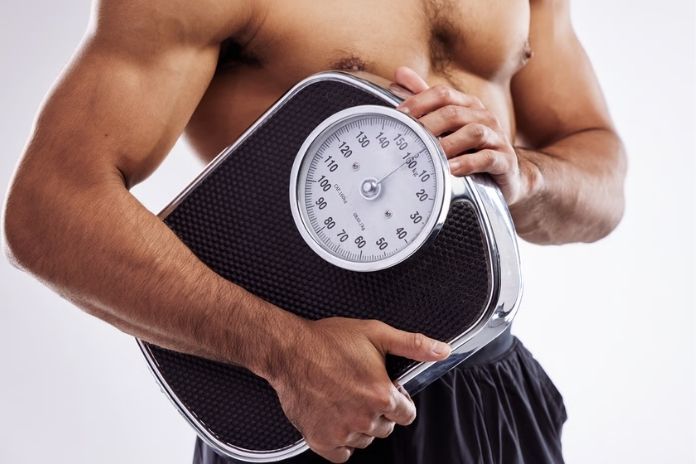
High protein’s weight loss effect at 30 days comes from three compounding mechanisms working simultaneously, not a single factor:
Reduced Caloric Intake: Satiety hormones reduce appetite so effectively that most people eating high protein spontaneously eat fewer total calories without deliberate restriction. Research shows a spontaneous reduction of 400–600 calories per day when protein is increased to 30% of intake.
Increased Thermogenesis: The higher thermic effect burns more calories processing each gram of protein consumed. Over 30 days, this adds up to a meaningful metabolic advantage.
Muscle Preservation: Maintaining muscle during fat loss keeps your resting metabolic rate higher than it would be with equivalent weight loss on a lower-protein diet, a critical factor for long-term weight maintenance.
Read More: What Happens to Your Body When You Switch to Plant Protein
Potential Side Effects: The Honest Limitations of a High-Protein Diet
A balanced account of a 30-day high-protein diet has to address the concerns directly:
Digestive Adjustment: Increasing protein rapidly can cause bloating, constipation, or changes in bowel habits in the first 1–2 weeks as your gut microbiome adapts. Adequate fiber and hydration are essential alongside high protein; they work together, not against each other.
Kidney Concerns: In otherwise healthy individuals, there is little evidence that high protein intake causes kidney damage. The concern applies specifically to people with chronic kidney disease (CKD) or reduced kidney function. If you have healthy kidneys and stay hydrated, the evidence does not support kidney harm at the intake levels described in this article.
Fiber Displacement: High-protein diets sometimes crowd out fiber-rich foods. The goal is for protein to replace refined carbohydrates and processed food, not vegetables, legumes, or whole grains.
As Dr. Lindon Hinshaw, Nephrology Specialist at Mayo Clinic, advises, the kidney concern is frequently overstated for healthy people, but it’s a real and serious consideration for anyone with pre-existing renal conditions.
Important Note: Anyone with known kidney disease, gout (uric acid production increases with high-purine protein sources), or liver disease should discuss significant dietary changes with their doctor before starting.
Read More: 7 High-Protein Vegan Snacks for Executive Dysfunction (No Cooking, No Cleanup)
How to Get Your High-Protein Diet Results in 30 Days
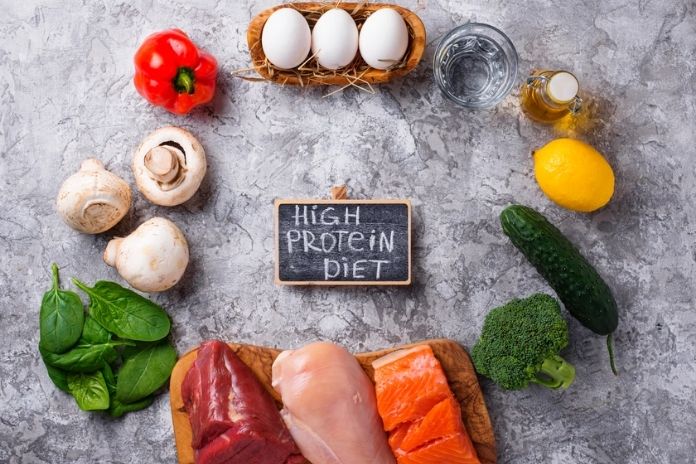
You don’t need to overhaul your entire diet. Small, targeted adjustments consistently deliver the results the research documents.
- Distribute Protein Across Meals: Aim for 20–40 g per eating occasion rather than front-loading it all at dinner. Spreading intake maximizes MPS throughout the day.
- Prioritize Whole-Food Sources: The outline for this article rightly avoids naming specific foods, but foods naturally dense in protein deliver additional nutrients (zinc, B12, and iron) that processed supplements often lack.
- Track Your Intake for the First Week: Use apps like Cronometer or MyFitnessPal to baseline your actual intake. Most people underestimate how much protein they’re eating and how far below the high-protein threshold they sit.
- Add Fiber Intentionally: Every high-protein meal should include a fiber source. This prevents digestive issues and ensures you’re not displacing nutrient-dense plant foods.
- Stay Hydrated: Protein metabolism produces more urea, and your kidneys need adequate water to excrete it comfortably. Aim for at least 2–2.5 liters of water daily.
- Pair with Resistance Training: The muscle-preserving and -building effects of high protein are amplified significantly when combined with resistance exercise, even two sessions per week.
Read More: High-Protein Vegan Sweets That Won’t Spike Your Blood Sugar: Smart Dessert Options
Final Word
You started this article with a question about what 30 days of high protein actually does. The answer isn’t a promise; it’s a pattern documented consistently across peer-reviewed research: less hunger, more fat loss, better muscle retention, and a faster metabolism.
The risks are real but specific. They belong to a defined group of people with pre-existing conditions, not healthy adults eating appropriate amounts. If you’re in good health, the evidence is clear. Thirty days. That’s all the research needs to show: measurable change. The question is whether you give it a chance.
- Thirty days of high-protein eating consistently produces measurable fat loss, muscle preservation, and improved appetite control in healthy adults.
- The risks of kidney strain and bone mineral concerns apply specifically to people with pre-existing conditions, not healthy adults eating 1.6–2.2 g/kg daily.
- If you’re healthy and active, increasing your protein intake to 25–35% of total calories is one of the most evidence-backed dietary shifts you can make right now.
FAQs About What Happens When You Eat High Protein for 30 Days
1. How much weight can you lose eating high protein for 30 days?
Results vary based on starting weight, caloric intake, and exercise level. Research shows most healthy adults in a modest caloric deficit lose 1–2kg of primarily fat mass over 30 days, with fat comprising up to 76% of total weight lost on a 30% protein diet.
2. I eat what feels like a lot of protein; why am I still hungry all the time?
The total amount matters, but so does timing and distribution. At least 20–30 g of protein per meal is needed to meaningfully suppress ghrelin and stimulate satiety hormones. Spreading intake across 3–4 meals produces stronger satiety effects than concentrating protein in one sitting.
3. Does a high-protein diet build muscle in 30 days?
Yes, particularly in beginners and those returning to training. High protein intake combined with resistance training consistently produces measurable improvements in muscle protein synthesis within this timeframe. Expect 0.5–1kg of muscle gain per month under optimal conditions.
4. Is a high-protein diet safe for 30 days?
In otherwise healthy adults, research consistently shows no harmful effects from high protein intake at 1.6–2.2 g/kg body weight. The 30-day window falls well within the studied ranges. People with kidney disease, gout, or liver conditions should consult a physician before making changes.
5. What are the 30-day high-protein diet results I should realistically expect?
By day 30, the research-supported changes are reduced appetite from week one, 1–2 kg of fat-dominant weight loss, preserved or increased muscle mass, and elevated resting metabolic rate. These effects are consistent across multiple controlled trials in healthy adults.
References
- Halton, T. L., & Hu, F. B. (2004). The effects of high protein diets on thermogenesis, satiety and weight loss: A critical review. Journal of the American College of Nutrition, 23(5), 373–385.
- Westerterp-Plantenga, M. S., Nieuwenhuizen, A., Tome, D., Soenen, S., & Westerterp, K. R. (2009). Dietary protein, weight loss, and weight maintenance. Annual Review of Nutrition, 29, 21–41.
- Leidy, H. J., Clifton, P. M., Astrup, A., Wycherley, T. P., Westerterp-Plantenga, M. S., Luscombe-Marsh, N. D., Woods, S. C., & Mattes, R. D. (2015). The role of protein in weight loss and maintenance. American Journal of Clinical Nutrition, 101(6), 1320S–1329S.
- Morton, R. W., Murphy, K. T., McKellar, S. R., Schoenfeld, B. J., Henselmans, M., Helms, E., Aragon, A. A., Devries, M. C., Banfield, L., Krieger, J. W., & Phillips, S. M. (2018). A systematic review, meta-analysis and meta-regression of the effect of protein supplementation on resistance training-induced gains in muscle mass and strength in healthy adults. British Journal of Sports Medicine, 52(6), 376–384.
- Antonio, J., Ellerbroek, A., Silver, T., Vargas, L., Tamayo, A., Buehn, R., & Peacock, C. A. (2016). A high protein diet has no harmful effects: A one-year crossover study in resistance-trained males. Journal of Nutrition and Metabolism, 2016, Article 9104792.
- Weigle, D. S., Breen, P. A., Matthys, C. C., Callahan, H. S., Meeuws, K. E., Burden, V. R., & Purnell, J. Q. (2005). A high-protein diet induces sustained reductions in appetite, ad libitum caloric intake, and body weight despite compensatory changes in diurnal plasma leptin and ghrelin concentrations. American Journal of Clinical Nutrition, 82(1), 41–48.
- Clifton, P. M., & Keogh, J. B. (2017). A systematic review of the effect of dietary saturated and polyunsaturated fat on heart disease. Nutrition, Metabolism and Cardiovascular Diseases, 27(12), 1060–1080.
- Lonnie, M., Hooker, E., Brunstrom, J. M., Corfe, B. M., Green, M. A., Watson, A. W., Williams, E. A., Stevenson, E. J., Penson, S., & Johnstone, A. M. (2018). Protein for life: Review of optimal protein intake, sustainable dietary sources and the effect on appetite in ageing adults. Nutrients, 10(3), 360.
- Wolfe, R. R. (2006). The underappreciated role of muscle in health and disease. American Journal of Clinical Nutrition, 84(3), 475–482.
- Paddon-Jones, D., Westman, E., Mattes, R. D., Wolfe, R. R., Astrup, A., & Westerterp-Plantenga, M. (2008). Protein, weight management, and satiety. American Journal of Clinical Nutrition, 87(5), 1558S–1561S.
In this Article