



















One of the most reliable therapies for hair loss, particularly androgenetic alopecia, has long been minoxidil. But not everyone gets the same outcomes. Because of this, researchers are looking into ways to improve minoxidil absorption.
Recently, new hair loss treatment research has focused on a stevia-based hair loss approach, raising questions such as: Does minoxidil work better with stevia?
In this article, we will cover how minoxidil for baldness works, why topical minoxidil effectiveness varies, what this emerging research says about stevia-derived compounds, and whether this could become one of the most promising emerging baldness therapies.
- Stevia-derived compounds may improve how well minoxidil absorbs into the scalp, potentially boosting results.
- Current research is still preclinical, so it’s not yet a proven or widely available treatment option.
- For now, consistent use of standard minoxidil remains the most reliable approach for managing hair loss.
Read More: Does Wearing a Hat Cause Hair Loss? The Evidence-Based Answer
How Minoxidil Works for Hair Loss
Minoxidil is a common treatment option for people with thinning hair or a receding hairline. One of the few FDA-approved topical therapies for hair loss, minoxidil is widely available and well known.
Additionally, topical minoxidil still delivers strong, potent results, even though it is readily available over the counter. Clinical studies have demonstrated that minoxidil promotes hair growth in both men and women. It can promote hair growth and prevent more hair loss when used regularly and as prescribed.
For many people, minoxidil is the best first-line treatment if they have recently noticed early signs of hair loss and are seeking a solution to manage it. Male and female pattern baldness, or androgenetic alopecia, is treated with minoxidil, an over-the-counter topical drug. It comes in foam and liquid (solution) forms, usually at strengths of 2% to 5%.
How Minoxidil Works: Although the precise mechanism is unknown, it is thought to act as a vasodilator, causing blood vessels to dilate. Researchers believe that this will improve blood flow to hair follicles, supplying them with more oxygen, nutrients, and hormones essential for hair development.
Minoxidil mainly influences the cycle of hair development by:
Shortening the Telogen (Resting) Phase: It speeds up the re-entry of dormant hair follicles into the active growth phase.
Extending the Anagen (Growth) Period: It enables hair to grow thicker and longer by extending the active growth period.
Growing Hair Follicles: Over time, it may cause the little (shrinking) hair follicles to grow larger, producing thicker hair strands.
Why Researchers Are Interested in Improving Minoxidil Absorption
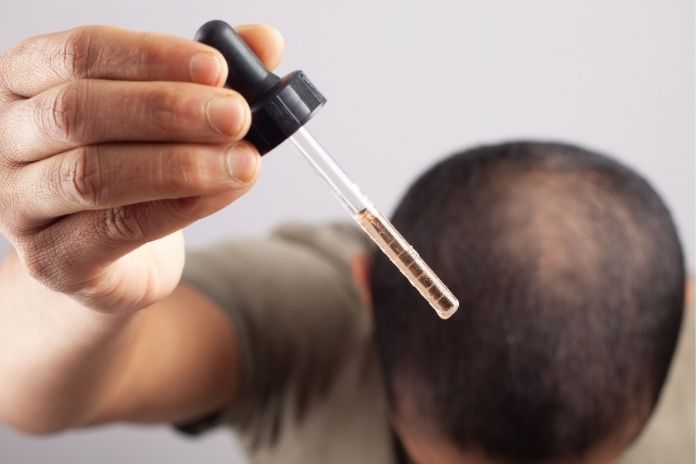
A crucial finding from recent clinical research on minoxidil treatment is that the drug’s ability to penetrate your scalp is more important for effectiveness than the drug itself. Knowing absorption rates could change the way you address receding hairlines or crown thinning.
Physical Obstacles
Clinical research has revealed particular structural barriers:
- Density of stratum corneum: 10–20 μm thick
- Composition of the natural lipid barrier
- Resistance at the cellular junction
Chemical Obstacles
Critical chemical variables influencing absorption are shown by research:
- The ideal pH range is 5.4–5.9
- Prerequisites for enzymatic activity
- Factors that affect solution stability
Physiological Obstacles
Current research emphasizes biological factors:
- Patterns of microcirculation
- Changes in the concentration of enzymes
- Absorption rates that vary with temperature
Read More: Alopecia in Children: How Hair Loss Affects Kids, Parents & What to Do Next
What Is the Stevia Compound Being Studied?
The plant stevia is indigenous to South America. Its leaves are delicious by nature. In reality, stevia leaves have been chewed for their sweet flavor and used to sweeten drinks naturally. The leaves of the stevia plant contain sweet-tasting substances known as steviol glycosides.
Every steviol glycoside has a distinct flavor profile, and its sweetness intensity can range from 200 to 350 times that of sugar without the added calories. Today’s meals and drinks typically contain high-purity stevia leaf extract, a refined version that has been assessed and authorized by major international regulatory bodies.
One or more distinct steviol glycosides may be present in purified stevia leaf extracts. A fantastic choice for natural-origin sweetness without the calories for consumers and food and beverage manufacturers is high-purity stevia leaf extract, a versatile sweetener.
One of the most common causes of hair thinning in both men and women is androgenetic alopecia, also known as female pattern hair loss or male pattern baldness. Although topical minoxidil is an approved treatment, its poor water solubility and limited skin penetration reduce its efficacy.
According to research published in Advanced Healthcare Materials, stevioside, a naturally occurring sweetener derived from the stevia plant, can enhance the absorption of the drug through the skin.
A dissolvable patch containing both stevioside and minoxidil effectively stimulated hair follicles to re-enter the growth phase in tests using a mouse model of alopecia, leading to the formation of new hair.
What Current Research Actually Shows
The internet hunt for remedies can be emotionally taxing and daunting for many people experiencing hair loss. It is difficult to know where to begin due to the abundance of conflicting recommendations and therapies. In the sea of supposed baldness remedies, minoxidil stands out as a well-researched leader for hair restoration.
When minoxidil first became popular, doctors used it to treat high blood pressure. Encouraging new, non-scarring hair growth in areas of topical application to the skin, however, was an intriguing side effect that both patients and physicians immediately noticed.
Scientists have shown that applying minoxidil to the scalp improves blood flow. It can help stop hair thinning by supplying the hair follicles with extra nutrients and oxygen. Revived damaged follicles restore hair density and fullness, leading to the growth of new, healthy terminal hairs.
Two topical minoxidil solution strengths, 2% and 5%, have been licensed by the Medicines and Healthcare Products Regulatory Agency (MHRA) for the treatment of common male and female pattern hair loss. According to studies, the 5% minoxidil solution often produces greater, more noticeable results in those with genetic hair loss.
Could This Improve Results for People With Baldness?
Many people recognize minoxidil as beneficial for reducing hair loss. By stimulating hair follicles and possibly increasing hair density, it can slow hair loss, though it doesn’t provide a permanent solution.
The degree of success varies from person to person, though, and stopping its use could cause any benefits to gradually reverse, possibly leading to a resumption of hair loss. Therefore, to sustain results, you need to apply it consistently.
If successful, this strategy might be useful for:
- Individuals suffering from early androgenetic alopecia
- Those who do not respond well to conventional minoxidil for baldness
- Those looking for more effective methods for hair growth
Read More: Scarring Alopecia (Cicatricial Alopecia): When Hair Loss Is Permanent – What You Should Know
Potential Risks and Side Effects
Even though minoxidil has many advantages, it’s important to recognize its limitations and possible disadvantages:
Not a Cure: Minoxidil does not cure hair loss; it merely treats it. If you stop using it, hair loss will return to its normal rate, and any new hair growth will probably fall out in a few months.
Requires Consistent, Lifelong Use: To maintain the results, you must apply minoxidil twice daily (for the solution) or once or twice daily (for the foam) indefinitely.
Slow Results: Visible results typically take at least 4-6 months of consistent use, with peak results often seen around 12 months. The secret is patience.
Doesn’t Work for Everyone: Younger people and those with recent hair loss respond best to minoxidil. It generally works best for thinning on the crown or top of the scalp, and less so for a significantly receding hairline at the temples.
Possible Minoxidil Side Effects
Scalp Irritation: Itching, dryness, flaking, and redness are common, especially with the alcohol-based solution. It is frequently easier to endure the foam version.
Unwanted Facial/Body Hair Growth: If the product drips onto other areas of the skin, it can stimulate hair growth in those areas. It is more common in women using the 5% strength.
Rare Systemic Side Effects: Though rare, systemic absorption can lead to dizziness, lightheadedness, a fast heartbeat, or swelling of hands/feet. If these occur, discontinue use and consult a doctor.
How This Compares With Other Hair Loss Treatments
Once more, the reason for hair loss determines the best course of action. Doctors frequently use anti-inflammatory hair-loss drugs to treat scarring hair loss.
Finasteride (Propecia): a daily oral medication used to treat hair loss. You need a prescription for it. According to studies, it can reverse certain forms of male hair thinning and significantly improve hair loss.
Finasteride may result in birth abnormalities and is not FDA-approved for use in women. However, doctors occasionally use it “off-label” to treat many forms of hair loss in women, including age-related hair loss.
Hair Transplants: One common method of stopping hair loss is hair transplantation.
Hair transplants come in two primary varieties:
- During follicular unit transplantation, surgeons remove a hair strip from the back of the head.
- Transplanting individual hair follicles is known as follicular unit extraction.
Platelet-Rich Plasma (PRP): PRP is a more recent treatment for hair loss. This process involves spinning a sample of your blood in a machine. Doctors separate PRP from the rest of the blood and then inject it into your scalp. It contains abundant growth factors that may promote hair development.
Microneedling: In this procedure, practitioners use tiny needles to puncture the skin. They frequently use it cosmetically to minimize wrinkles and promote collagen formation. Additionally, microneedling stimulates the hair follicle’s stem cells and encourages growth.
Read More: Androgenetic Alopecia in Women: What You Need to Know About Female Pattern Hair Loss
What Experts Say About Emerging Hair Loss Research
Millions of people worldwide suffer from hair loss diseases, which have a major negative influence on the quality of life. Even though doctors widely use licensed medications like finasteride and minoxidil, these drugs still have limited clinical efficacy.
These difficulties highlight the urgent need for more focused and potent therapy approaches. With an emphasis on small-molecule inhibitors, biologics, and stem cell-based treatments, this study explores the most recent developments in hair loss medication discovery.
The development of next-generation treatments has the potential to revolutionize the clinical treatment of hair loss by integrating insights from molecular mechanisms and leveraging advances in research techniques.
Practical Tips for Using Minoxidil Effectively
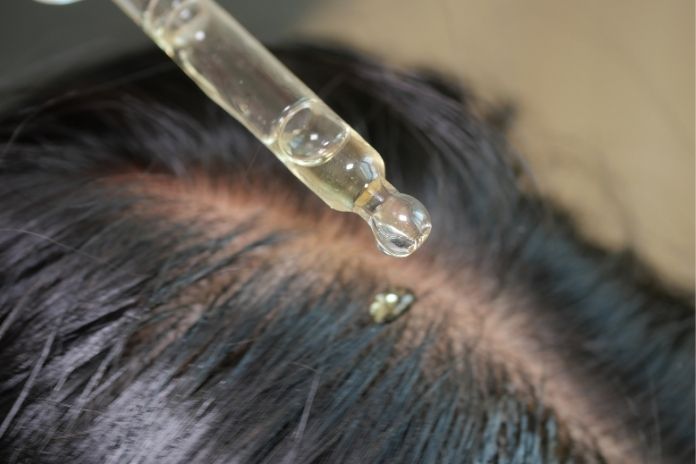
Clinical studies have demonstrated that minoxidil promotes hair growth and slows down additional hair loss. It’s affordable, easily accessible, and a simple addition to a regular hair care regimen. It’s a great remedy for hair loss when used correctly and consistently.
Aim for Your Scalp Rather Than Your Hair: The scalp must come into direct contact with topical minoxidil; the medication won’t work if it is merely applied to the hair and doesn’t reach the scalp.
Use Minoxidil as Directed: Apply topical minoxidil twice a day, in the morning and at night, as instructed. Check the label to see if you need to apply minoxidil designed for women just once a day.
Avoid Making a Mess: To ensure proper absorption, apply minoxidil 2 hours before bedtime. Minoxidil might leave stains on textiles.
Apply Minoxidil to a Dry Scalp: After applying minoxidil, wait at least four hours before wetting your hair.
Verify the Percentage: On the market, 2% and 5% are the most prevalent percentages. 5% versions have been found to have quicker benefits and include a higher concentration of the active ingredient minoxidil.
Take Oral Minoxidil: The most popular and readily available over-the-counter form of minoxidil is topical. Oral minoxidil can be an excellent option for you if you’d rather take a handy pill once a day.
Read More: Traction Alopecia: How Hairstyles, Headwear & Habits Cause Hair Loss And How to Prevent It
Conclusion
An exciting breakthrough in the current research on hair loss is the notion that a substance derived from stevia could improve the minoxidil absorption. Although preliminary results suggest possible improvements in minoxidil’s ability to reach hair follicles, the available data remains scant and largely preclinical.
It means it is too soon to consider it a reliable advancement in minoxidil for baldness treatment. For the time being, people experiencing hair loss should stick to proven, evidence-based treatments and consult dermatologists before considering experimental solutions.
References
- Advanced Hair Centers. (n.d.). What is minoxidil?
- Science Daily. (October 10, 2025). A sweet fix for baldness? Stevia compound boosts
- Ingredion Incorporated. What is stevia?
- Scott McDougall. (25 March 2026). Minoxidil – Scientific Review.
- Alina Goldenberg, MD. (January 5, 2026). Which Hair-Loss Treatment Is Right for You? Best Treatments and Medications.
- Sara McCloskey-Nieves. (March 02, 2026). A dermatologist’s guide to hair loss treatments.
- University of Virginia Health System. (2025, February 19). Discovery reveals potential key to reversing hair loss.
In this Article