


















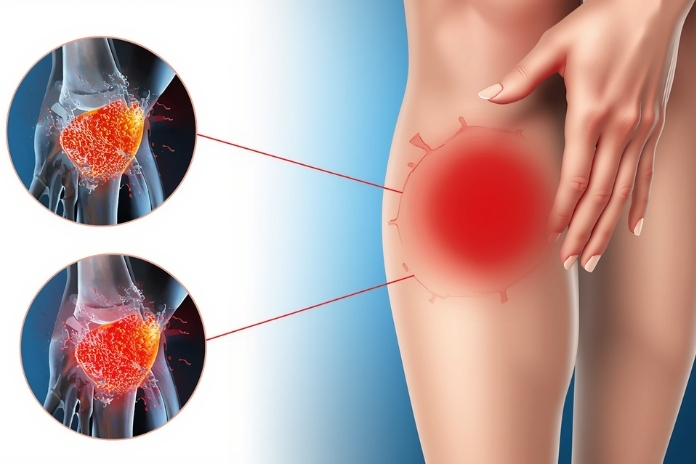
Acute inflammation begins within hours of an injury, peaks within the first 1-3 days, and usually settles within about 1-2 weeks. It is a normal healing response that helps clear damaged tissue and start repair.
As Kim Dunleavy and Amy Kubo Slowik note in their Therapeutic Exercise Prescription, it is “necessary for healing” and part of the body’s natural recovery process. If it lasts beyond a few weeks, it may signal delayed healing or chronic inflammation.
- Inflammation is a normal and necessary part of healing, starting within hours, peaking at 1-3 days, and usually settling within 1-2 weeks.
- The duration depends on injury severity, blood flow, health, and recovery habits; minor injuries heal faster, while severe ones take longer and may involve months of deep repair.
- If inflammation doesn’t improve within 2-3 weeks, worsens, or keeps returning, it may be chronic and requires proper rehabilitation and medical evaluation.
The Three Phases of Healing — Where Inflammation Fits
- Healing after an injury follows three main stages: inflammatory phase → proliferative (repair) phase → remodeling phase
- These stages overlap, and each one depends on the previous phase progressing properly
- The inflammatory phase starts immediately after injury and usually lasts about 3-5 days in soft tissue injuries; its role is to stop bleeding, clear damaged cells, and begin the healing process
- As explained in the National Center for Biotechnology Information, early inflammation increases blood flow and allows healing cells to reach the injured area
- Acute inflammation is short-term, but if it does not resolve, it can become chronic and last much longer
- The common signs, heat, redness, swelling, pain, and reduced movement, result from increased blood flow, fluid buildup, and chemical signals
- Inflammation is part of healing, not the injury itself, and suppressing it too much can delay recovery
Read More: Scars & Slow Healing: How Vitamins C and D Support Faster Skin Repair and May Reduce Scarring
Typical Inflammation Timelines by Injury Type
Inflammation timing varies by injury severity, but follows a predictable pattern, from early swelling and pain to gradual repair and long-term tissue recovery.
Minor Soft Tissue Injuries
(Bruises, mild sprains, and muscle strains)
Inflammation begins within the first few hours after injury, peaks around 1-3 days, and usually settles within 1-2 weeks. The most noticeable swelling, warmth, and pain often occur during days 2-3. By about days 5-7, these symptoms should start to improve, and by two weeks, inflammation typically resolves in uncomplicated cases as healing progresses.
Moderate Injuries
(Moderate sprains, muscle tears, joint injuries)
In these cases, inflammation still peaks within the first few days but may last longer, often up to 2-3 weeks. After this, the body enters the repair phase, during which new tissue forms. This stage can continue for several weeks, and the new tissue is initially weaker before gradually strengthening.
Significant Injuries
(Ligament ruptures, fractures, and surgery)
Inflammation may last up to a week or slightly longer, as the body sends specialized cells to clear damage and prevent infection. While visible swelling reduces earlier, deeper healing and tissue remodeling can take months or even over a year.
Wounds and Surgical Incisions
The inflammatory phase usually lasts a few days, followed by weeks of tissue repair. Final strengthening and remodeling can continue for months, depending on the severity of the wound.
Read More: Emu Oil for Arthritis? Why It Works Differently for Osteoarthritis and Rheumatoid Arthritis
What Determines How Long Your Inflammation Lasts
Inflammation duration isn’t fixed; it depends on injury severity, blood flow, overall health, and lifestyle factors that influence how efficiently your body heals.
Injury Severity
The extent of the injury plays the biggest role. Minor strains settle quickly, while more serious injuries, like tears or fractures, take longer to calm inflammation.
Blood Supply
Areas with good blood flow, like muscles, heal faster. Tissues with limited circulation, such as ligaments or cartilage, tend to have longer periods of inflammation and recovery.
Age and Overall Health
Healing slows with age. Conditions like diabetes, poor nutrition, or weakened immunity can delay recovery and prolong inflammation, as noted by Johns Hopkins Medicine.
Nutrition
Adequate protein and calories are essential. Without proper nutrition, the body lacks the building blocks needed for repair, slowing healing.
Movement and Rest
Too much rest can delay recovery, while overuse too early can worsen injury. Balanced, gradual movement supports proper healing.
Sleep
Good sleep supports tissue repair. Poor sleep can slow healing and extend inflammation.
Read More: Daily Micro-Habits That May Help Lower Inflammation Naturally
When Inflammation Has Become Chronic — and What That Means
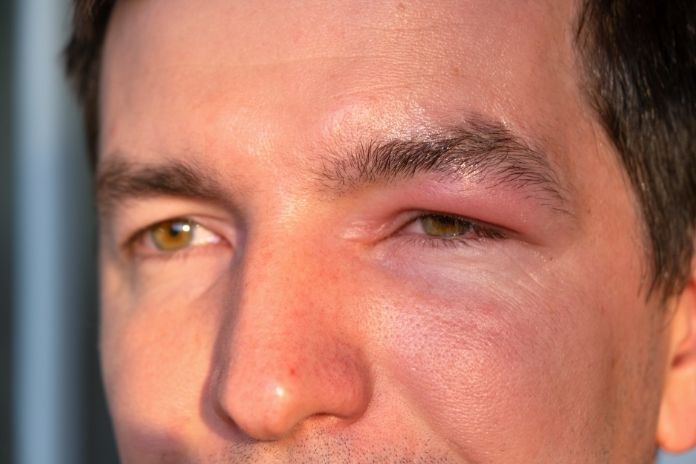
Inflammation should gradually resolve, but if it lingers or worsens, it may signal a chronic condition that requires closer attention and care.
When It Becomes Chronic
If inflammation does not settle within 2-3 weeks, it may shift from acute to chronic. This is a different process in which the body’s response continues rather than resolving.
Common Signs
- Ongoing pain, swelling, or stiffness beyond a few weeks
- Healing seems to stall, or symptoms worsen after initial improvement
- Flare-ups happen easily, even with light activity
- No clear cause is found despite tests or imaging
What’s Happening in the Body
Chronic inflammation is not just slow healing. Research from PubMed Central shows it involves prolonged immune activity, ongoing tissue stress, and reduced ability to repair properly.
What to Do
Proper management includes gradual movement, addressing underlying causes, and guided care. If symptoms last beyond 6 weeks, a medical evaluation is important to rule out infection or other conditions.
Read More: Natural vs. Prescription Anti-Inflammatories: What’s the Difference and When Should You Use Each?
Should You Ice, Rest, or Take Anti-Inflammatories?
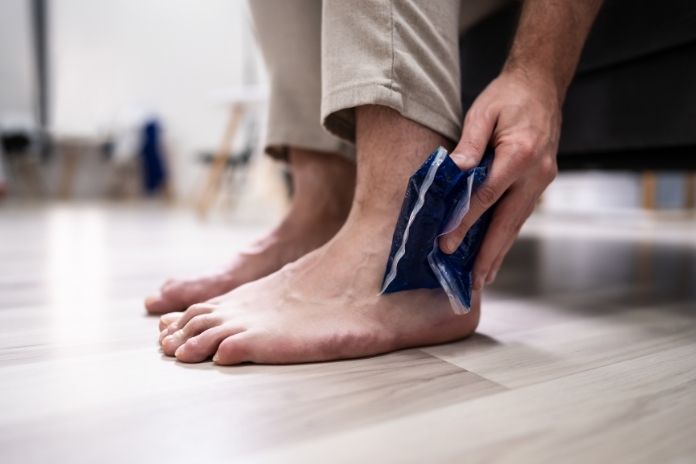
Managing inflammation isn’t just about rest; modern approaches balance protection, movement, and symptom relief to support faster, more effective healing outcomes.
Evolving Approach
Injury care has moved beyond the old RICE method (Rest, Ice, Compression, Elevation) toward more active approaches like POLICE (Protection, Optimal Loading, Ice, Compression, Elevation) and PEACE & LOVE (Protection, Elevation, Avoiding anti-inflammatories, Compression, and Education, followed by Load, Optimism, Vascularisation, and Exercise), which encourage early movement and recovery.
Rest vs Movement
A short rest (1-3 days) is helpful initially, but excessive rest can slow healing. Gentle, gradual movement supports tissue repair and helps the body transition out of inflammation.
Ice
Ice can reduce pain and provide comfort. However, research suggests it may not significantly speed up healing or reduce swelling as was once believed.
Anti-Inflammatory Medications
Drugs like ibuprofen help with pain, but prolonged use may interfere with natural healing. Short-term use is generally safe.
The bottom line is that balanced movement remains the most effective way to support recovery.
Read More: Why You Get Random Bruises Without Injury — and When to See a Doctor
References
- Professional, C. C. M. (2026, April 14). inflammation. Cleveland Clinic.
- Anderson, E. (2024, April 16). How long should swelling last after an injury? Foothills Sports Medicine Physical Therapy.
- Nebula Physio and Wellbeing Ltd. (n.d.). Soft tissue healing.
- Evolution, W. (2026, April 28). The four stages of wound healing | Wound Evolution – Wound care and Hyperbaric Medicine: Wound care Specialists.
- Wong, C. (2023, July 15). The three stages of inflamation. Treloar Physiotherapy Clinic.
- Wallace, H. A., Basehore, B. M., & Zito, P. M. (2023, June 12). Wound healing phases. StatPearls – NCBI Bookshelf.
- Haggerty, N. (2025, November 3). Understanding the stages of wound healing: From inflammation to remodeling | Healogics. Healogics.
- Back & Neck Rehab. (n.d.). Navigating recovery: Realistic timelines for common injuries. Optimum Wellness Centres.
- Physiopedia. (n.d.). Stages of a condition / injury. Physiopedia.
- HealthPartners. (2025, July 28). Wound healing stages: How to tell if a wound is healing, infected or chronic. HealthPartners Blog.
- Schultz, G. S., Chin, G. A., Moldawer, L., & Diegelmann, R. F. (2011). Principles of wound healing. Mechanisms of Vascular Disease – NCBI Bookshelf.
- Schilrreff, P., & Alexiev, U. (2022). Chronic inflammation in Non-Healing skin wounds and promising natural bioactive compounds treatment. pmc.ncbi.nlm.nih.gov.
- Iqbal, A., Jan, A., Wajid, M., & Tariq, S. (2017, January 1). Management of chronic non-healing wounds by hirudotherapy.
- How to tell if a wound is healing or infected. (n.d.).
- Friesen, D. (2026, March 25). Does Ice Help with Inflammation? Propel Physiotherapy.
- Professional, C. C. M. (2025, June 30). RICE method for injury. Cleveland Clinic.
- Admin. (2025, February 13). The hidden cost of resting your injury. Peak Form Health Center.
In this Article