














- Vitamin C supports collagen production, helping rebuild skin structure and strengthen healing tissue.
- Vitamin D regulates inflammation and immune response, supporting the transition from injury to repair.
- Together, vitamins C and D support smoother healing and may reduce visible scarring.
Surgical wounds, burns, cuts, and acne lesions are all commonplace. Most of the time, the injury heals slowly as the skin heals. For many people, though, the healing process takes longer than they expected, and the wound may leave visible scars.
When healing takes longer, the body’s natural repair systems may not work as well, which could make marks or uneven skin texture more likely to show up.
Many biological factors affect how well skin restoration works. These include how easily important nutrients are obtained, how collagen is made, how the immune system works, and how blood flows.
This article will explore several key aspects of the wound-healing process. It explains why wounds heal slowly and examines the biological stages involved in skin repair.
Read More: Eczema Scars: How to Heal Discoloration and Redness Safely
Why Some Wounds Heal Slowly or Leave Noticeable Scars
Healing is a complex biological process that necessitates the coordination of immune cells, skin cells, blood vessels, and structural proteins. If something goes wrong with any part of this process, wounds may take longer to heal or heal with excessive scar tissue.
The Four Phases of Skin Wound Healing
Hemostasis (clotting)
Hemostasis is the initial response mechanism to injury and the first stage of wound healing. To limit blood flow and stop blood loss, the blood vessels in the injured area contract and constrict as soon as a person is injured. We refer to this process as vasoconstriction.
At the wound site, platelets are then discharged and coagulate with fibrin, a fibrous protein. A blood clot, formed by the accumulation of platelets and fibrin, seals the damaged blood vessels and prevents further blood loss. Two days or more may pass during the hemostasis process.
Inflammation
The biological process of inflammation is characterized by vasodilation, or blood vessel dilatation, shortly after the hemostasis phase has concluded. Preventing infections during the healing process is the main goal of vasodilation.
Leukocytes (white blood cells) and other enzymes that benefit the body reach the wound site during vasodilation, which causes inflammation.
Proliferation and tissue rebuilding
Angiogenesis, or the formation of granulation tissues, is a process that characterizes the third stage of wound healing, proliferation.
The simplest way to describe granulation tissue is as an extracellular matrix composed of newly formed blood vessels and connective tissue, intended to replace damaged components. Because of its inflammatory chemicals, this replicative tissue is typically pink or crimson, indicating that a wound is healing appropriately.
Maturation Phase
Maturation, also called remodeling, is the fourth and final phase of wound healing. After the wound has completely healed, this stage may continue for up to two years. Throughout the maturation stage, collagen is produced to restore the skin’s suppleness and durability.
Factors That Can Slow the Healing Process
Wounds heal slowly for a variety of physiological reasons. Among the most prevalent are:
Advanced age: Your skin becomes thinner, drier, more sensitive, and less elastic as you age due to hormonal changes and the cumulative effects of photoaging, or sun damage.
Chronic illness: Chronic diseases significantly hamper wound healing for many people. The majority of chronic illnesses impede recovery by interfering with one or more components of the immune response, despite mechanisms that are complex and varied.
Nutrient deficiencies: Adequate nutritional support is essential for wound healing. This type of slow or delayed healing is more common among people who consume an unhealthy diet that falls short of their basic nutritional requirements.
Unhealthy habits: Individuals who consume alcohol and smoke cigarettes are more likely to heal more slowly than those who do not.
Vitamin C’s Role in Skin Regrowth and Collagen Formation
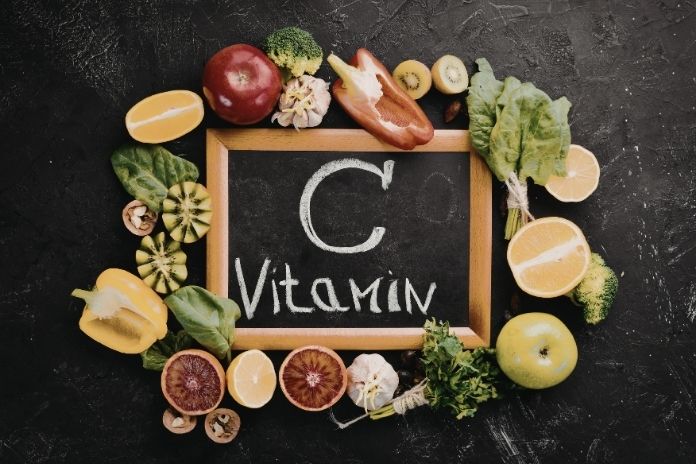
Vitamin C is one of the nutrients that has been studied the most out of all those involved in skin regeneration. It is a key component of vitamin C for collagen and skin repair, which is necessary for repairing damaged skin tissues.
Why Collagen Is Essential for Healthy Skin Repair
Collagen is a key component of youthful, healthy skin. Nearly 75% of your skin is composed of this powerful protein, which provides the structure that keeps your skin tough, firm, and smooth.
Your skin, bones, muscles, and tendons all contain collagen, a naturally occurring protein.
It functions as scaffolding in the skin, providing the dermis, the middle layer of skin, with support and structure. Healthy collagen production for wound healing helps:
- Rebuild the strength of your skin.
- Reconstruct the connective tissue.
- Increase suppleness and flexibility.
- Encourage the creation of structured scars.
“Collagen is what keeps our skin from sagging, giving us that plump, youthful look,” says dermatologist Dr. Ohara Aivaz.
How Vitamin C Supports Collagen Production
It has been demonstrated that vitamin C stabilizes collagen mRNA, boosting collagen synthesis to repair injured skin. A reduction in elastin production occurs alongside it, and the body often overproduces elastin in response to photo damage.
Additionally, vitamin C boosts fibroblast proliferation, a function that declines with aging. Additionally, vitamin C promotes DNA repair in cultured fibroblasts.
Antioxidant Protection During Healing
When tissue is damaged, oxidative stress often develops. Free radicals can disrupt cell signaling, prolonging wound healing.
Vitamin C is a very strong antioxidant that helps keep cells that are healing safe. This protective effect may help maintain collagen production for wound healing and facilitate smoother tissue remodeling.
Read More: Acne Scars 101: How to Treat Different Types of Scars Effectively
How Vitamin D Supports the Body’s Wound-Healing Response
Research on vitamin D and skin regeneration emphasizes its crucial role in immunomodulation and skin cell proliferation, whereas vitamin C primarily supports tissue repair.
Immune Regulation During Skin Repair
Vitamin D helps regulate the body’s inflammatory response during wound healing. Balanced inflammation allows immune cells to remove damaged tissue without causing excessive damage to healthy tissue.
Studies show that vitamin D and the body’s natural ways of healing skin may help in:
- Better signaling in the immune system.
- Controlled responses to inflammation.
- Faster change from inflammation to tissue repair.
Supporting Skin Cell Growth and Regeneration
Another important aspect of vitamin D and skin regeneration is its effect on the growth of skin cells.
Vitamin D, often called the “sunshine vitamin,” is very important for maintaining your skin and overall health. Vitamin D helps control how quickly cells die and are replaced. It is important for maintaining a healthy skin barrier and accelerating wound healing.
It boosts the skin’s immune system, which helps keep infections and inflammatory conditions like eczema and psoriasis at bay.
The Role of Vitamin D in Angiogenesis
Blood vessel formation is essential for tissue repair, as new blood vessels bring oxygen and nutrients to the healing area.
Studies show that vitamin D may affect angiogenesis in skin repair. Angiogenesis helps deliver nutrients to healing tissue and supports the skin’s healing over time.
How the Vitamin C + D Combination May Support Faster Healing

Scientists are increasingly investigating how nutrient combinations affect wound-healing outcomes, even though each vitamin has a distinct function. A supplementary strategy for skin repair is the combination of vitamin C and vitamin D for wound healing.
Complementary Roles in the Healing Process
Each nutrient influences different phases of healing.
Vitamin C
- Encourages collagen formation to aid wound healing.
- Makes connective tissue stronger.
- Shields cells from oxidative damage.
Vitamin D
- Controls the immunological response.
- Encourages skin renewal and vitamin D.
- Encourages the formation of healthy skin cells.
Supporting Organized Collagen Remodeling
To reinforce healed tissue, the body rearranges collagen strands during remodeling. To avoid excessive scar formation during fibroblast activity in wound healing, the process must be balanced. Nutritional support may help control this process and enhance tissue structure.
Emerging Research on Nutrient Synergy
Combined nutrient support may improve the healing effectiveness, according to preliminary data. Nonetheless, scientists are still investigating the interactions between vitamin C and vitamin D wound healing pathways.
Improving nutritional status may help those who need support for healing chronic wounds, such as those with diabetes or weakened immune systems, according to some research.
Read More: 15 Natural Remedies For Old Scars – Fasten The Healing!
How These Nutrients May Help Reduce Visible Scarring
When collagen fibers form in irregular patterns during the remodeling phase, scars form. The risk of excessive scar tissue may be decreased by nutrients that control inflammation and collagen synthesis.
Controlling Excess Fibroblast Activity
During tissue repair, fibroblasts make collagen. But excessive fibroblast activity during wound healing can lead to thick scars. Getting enough vitamin C for skin and collagen repair helps make sure that collagen forms properly and stays stable.
Reducing Prolonged Inflammation
Chronic inflammation can worsen scars by blocking normal tissue repair. Vitamin D and skin regeneration affect immune signaling, so having enough of them may help stop long-lasting inflammatory responses.
Supporting Skin Barrier Restoration
After an injury, the outer layer of skin needs to heal properly. Healthy keratinocyte differentiation and improved skin barrier repair work together to restore skin to its normal state and reduce the appearance of scars.
Signs Your Body May Need Additional Nutritional Support for Healing
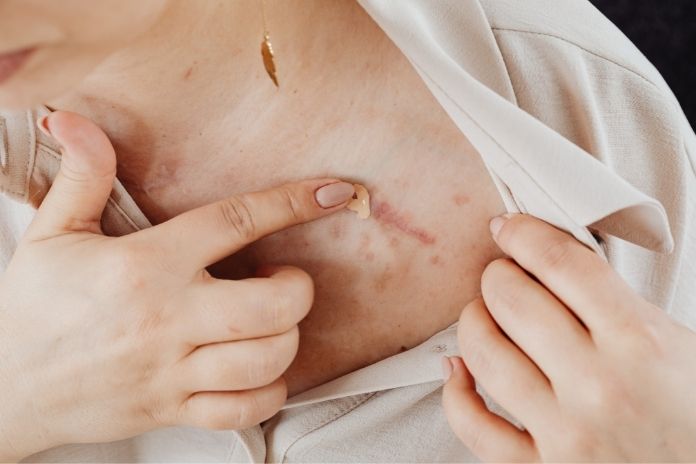
Some symptoms suggest that the body needs better nutrition to help repair tissues. Some signs that might be present are:
- Wounds that take a long time to heal.
- Injuries that happen a lot.
- Skin that is easily bruised or breaks easily.
These symptoms may indicate the need for enhanced chronic wound-healing support, including increased dietary intake of vitamin C and other wound-healing nutrients.
Practical Ways to Support Skin Healing Through Nutrition
A key factor in tissue restoration is nutrition. The biological processes involved in wound recovery may be supported by ensuring adequate vitamin intake for skin healing and scar formation.
Dietary Sources of Vitamin C
Food rich in vitamin C helps to support collagen and skin repair.
Typical sources consist of:
- Tomato juice
- Red bell peppers in red
- Papaya, Guava, and Strawberries
- Broccoli
- Oranges, Brussels sprouts, and pineapple
Consuming these foods regularly promotes tissue regeneration and collagen synthesis.
Dietary Sources of Vitamin D
Sunlight exposure helps the body produce vitamin D, and dietary sources also support vitamin D and skin renewal.
Key sources consist of:
- Sardines and salmon (fatty fish)
- Dairy products with added nutrients
- Yolks of eggs
- Cereals with added nutrients
Adequate intake may help support immune balance and angiogenesis in skin repair.
When Supplements Might Be Considered
Supplements help people maintain appropriate nutritional levels in certain circumstances.
Potential situations consist of:
- Limited sun exposure reduces vitamin D and skin renewal
- Dietary limitations that lower vitamin consumption
- Those who require assistance in the healing of persistent wounds
Read More: Top Ways on How to Get Rid of Acne Scars at Home
Other Lifestyle Factors That Influence Healing and Scarring
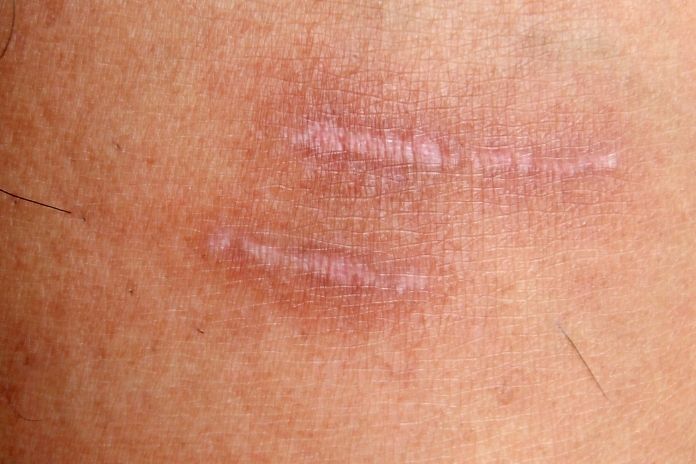
Wound healing involves more than just nutrition. Several lifestyle factors also influence the results of tissue restoration.
Protecting Healing Skin
The risk of infection and severe scarring can be decreased with proper wound care. Crucial procedures consist of:
- Keeping injuries clean and safe.
- Avoiding prolonged exposure to the sun.
- Avoiding friction or irritation of the healing tissue.
Supporting Circulation and Tissue Repair
The creation of collagen for wound healing requires oxygen and nutrients, which are provided by healthy circulation. The following lifestyle choices promote healing:
- Drink enough water
- Balanced consumption of protein
- Regular exercise
Managing Underlying Health Conditions
Certain medical disorders may hamper wound healing. Effective support for the healing of chronic wounds depends on the management of these disorders. Examples consist of:
- Diabetes
- Vascular disorders
- Immunological deficits
Read More: Say Goodbye to Acne and Fade Scars with These 4 Home Remedies
Conclusion
The skin heals itself through a very complex sequence of biological processes, including regulating inflammation, producing new tissue, and also forming collagen. If these biological systems operate efficiently, the skin usually heals itself and rebuilds its protective barrier with minimal scarring.
Conversely, factors such as inadequate nutrition, chronic inflammation, or other systemic disorders can impair these biological systems, thereby delaying healing and distorting the appearance of healed skin.
References
- Alamo Heights Dermatology. (2025, October 10). Why collagen matters for healthy skin.
- Cedars-Sinai. (January 15, 2020). Collagen for Your Skin: Healthy or Hype?
- Linus Pauling Institute, Oregon State University. Vitamin C and skin health.
- MDCS Dermatology. (2025, February 19). The role of vitamin D in skin health and how to get enough safely.
In this Article