



















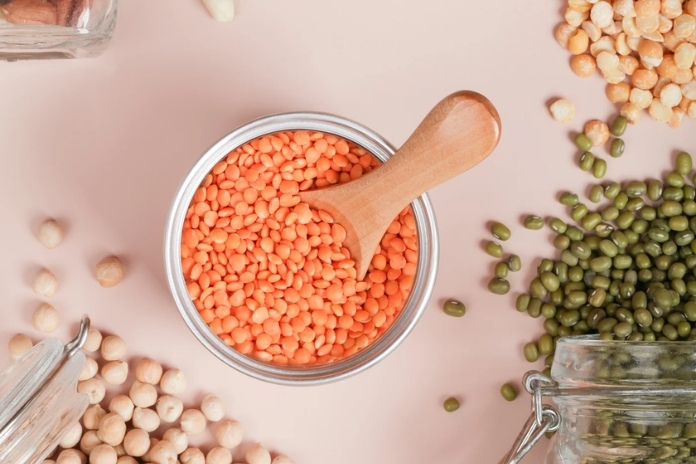
Lentils and chickpeas are common foods eaten around the world. They are affordable, easy to cook, and used in many everyday meals. Even though they are similar, they are not the same in nutrition. Knowing the differences can help you choose the right one for your needs.
Molecules should be broken down into single molecules to pass through the small intestine. But FODMAPs can’t be broken down; that is where the small intestine has difficulty moving them and produces gases and fatty acids inside your gut. Thus leading to bloating, gas, abdominal pain, and diarrhea.
Both lentils and chickpeas are nutritionally excellent, but they are not identical. Lentils have more protein, more fiber, fewer calories, fewer carbohydrates, and a lower glycemic index than chickpeas.
This makes them a stronger choice for blood sugar management and weight goals. Chickpeas provide more calcium, more healthy fat, and greater culinary versatility. Lentils have a slight nutritional edge overall, but both should be included regularly.
- Lentils and chickpeas are both highly nutritious, but lentils have fewer calories, lower carbs, and a lower glycemic index, making them better for blood sugar control and weight management.
- Protein and fiber are very similar, though lentils offer slightly more protein per calorie, while chickpeas provide more healthy fats and calcium.
- Overall, lentils have a small nutritional edge, but including both regularly gives the best balance of nutrients and health benefits.
Read More: Diets That Add Years to Your Life — and Keep You Healthy
Nutrition Comparison at a Glance
According to the USDA, per 100g, cooked lentils and chickpeas share strong nutritional similarities. Both are rich in dietary fiber, plant protein, iron, potassium, and complex carbohydrates. These shared nutrients make them valuable add-ins in balanced diets.
Nutrition Comparison
Lentils vs Chickpeas
| Nutrient | Lentils | Chickpeas |
|---|---|---|
| 🔥 Calories | 116 kcal | 164 kcal |
| 💪 Protein | ~9 g | ~8.9 g |
| 🍞 Carbohydrates | 20 g | 27 g |
| 🌾 Fibre | 7.9 g | 7.6 g |
| 🧈 Fat | 0.4 g | 2.6 g |
| 🍬 Sugar | 1.8 g | 4.8 g |
Lentils provide slightly more protein with fewer calories and fewer carbohydrates. Chickpeas contain more fat, which contributes to their higher calorie content. Chickpeas provide about 41 percent more calories per 100 g, largely due to their higher fat and carbohydrate content.
Blood Sugar and Glycemic Index—Lentils Win Clearly (~110 words)

Lentils have a lower glycemic index, typically ranging from 18 to 32, while chickpeas range from 28 to 42. Both are considered low glycemic index foods, but lentils consistently fall at the lower end of the range.
This difference matters for people managing blood sugar levels. Lentils combine lower carbohydrates, higher fiber, and lower sugar content, with 1.8 g per 100 g compared to 4.8 g in chickpeas. This results in a slower and more stable rise in blood glucose levels.
For individuals with type 2 diabetes, prediabetes, or insulin resistance, lentils provide more controlled blood sugar support. Chickpeas remain a good option, but lentils offer a clearer advantage. Overall, lentils are the better choice for supporting blood sugar control.
Read More: Best Diet for Menopause: Foods That Help and Foods to Limit
Protein — Lentils Ahead Per Calorie, Equal Per Serving
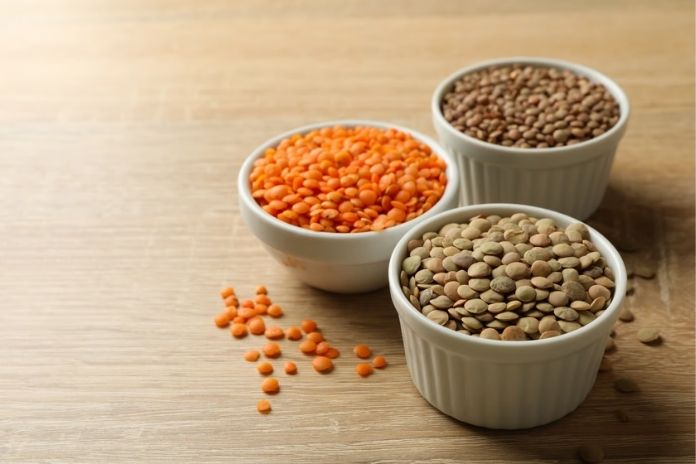
Lentils and chickpeas provide very similar protein per 100g cooked, at around 9g each. A one-cup serving provides about 17.9 g of protein from lentils and 14.5 g from chickpeas. The more relevant comparison is protein per calorie.
Lentils deliver similar protein with fewer calories, making them more efficient for increasing protein intake without increasing total energy intake. Lentils also have the highest protein content among pulses at about 22.7 percent of dry weight, while chickpeas contain about 26.2 percent total dietary fiber in dry form.
Lentils are slightly better for protein efficiency, whereas chickpeas stand out for their fiber content.
Fiber — Near-Equal, With a Nuance
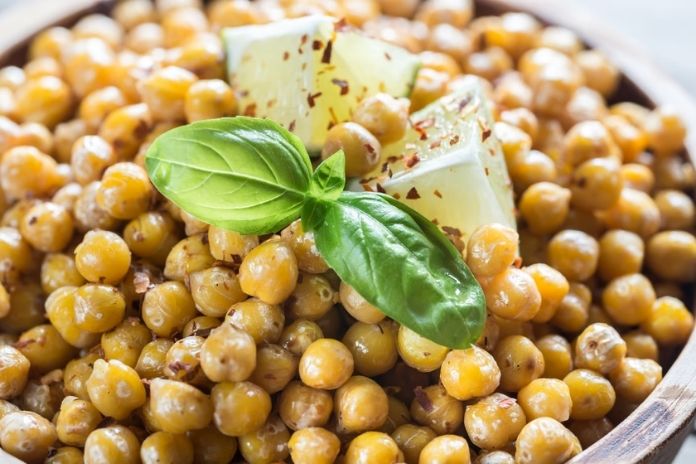
Both lentils and chickpeas provide about 8g of fiber per 100g cooked. This contributes significantly to daily fiber intake and supports digestive health. Total dietary fiber is higher in chickpeas at 26.2 percent of dry weight compared to 21.9 percent in lentils, though the difference becomes small after cooking.
Chickpeas contain more resistant starch, which acts as a prebiotic and supports gut bacteria. Lentils contain more soluble fiber, which helps reduce cholesterol levels and supports blood sugar control. Both are equally beneficial overall, with slightly different advantages in fiber types.
Micronutrients—Where Each Wins
Where Lentils Lead
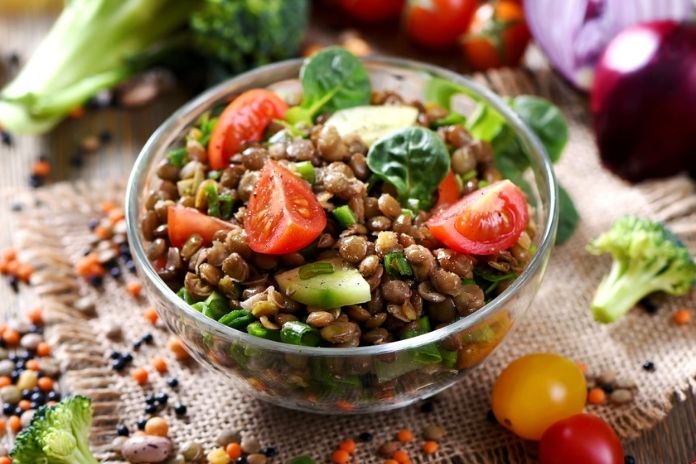
Lentils provide about 3.3 mg of iron per 100 g cooked, compared to 2.9 mg in chickpeas. This makes them an important plant-based iron source, especially for vegetarians and women of reproductive age.
They also provide around 358 micrograms of folate per cup, which is 90% of your daily value (DV), which supports cell division and pregnancy. Lentils contain higher levels of certain B vitamins, including pantothenic acid.
Where Chickpeas Lead
Chickpeas provide more calcium than lentils, which is important for bone health, especially in dairy-free diets. They also contain more fat, mainly polyunsaturated and monounsaturated fats, which are considered beneficial. Chickpeas also provide slightly more zinc per serving.
Both foods are strong sources of magnesium, potassium, and manganese, with no meaningful difference between them.
Read More: Refined Grains vs. Quinoa: The “Hidden Inflammation” Test for Your Heart
Cooking, Convenience, and Practical Differences

Lentils cook in a minimum of about 15 minutes, depending on the type, and do not require soaking. This makes them practical for quick meals. Chickpeas take about 45 to 90 minutes to cook unless they are pre-soaked or canned.
Chickpeas hold their shape well after cooking, which makes them suitable for salads, roasting, hummus, and falafel. Lentils soften and break down more easily, making them suitable for soups, dal, curries, and veggie burgers. A 2025 USDA study found that both lentils and chickpeas can help with blood sugar control and weight management.
The Verdict — Which Should You Choose?
Neither lentils nor chickpeas are unhealthy. Both are among the most nutrient-dense foods available at any price point. Choose lentils when blood sugar management is the priority, when you want more protein per calorie, when you need faster cooking, or when iron and folate intake are key goals.
Choose chickpeas when calcium intake matters, especially in dairy-free diets, or when texture and versatility are important for meals. Lentils have a slight nutritional advantage overall. However, the difference is not large enough to rely on one alone. Including both regularly provides a wider range of nutrients.
References
- International Osteoporosis Foundation. (n.d.). Calcium content of common foods.
- Novotny, J. A., Henderson, T., & Baer, D. J. (2025). Metabolizable energy value of chickpeas and lentils in the human diet: A randomized controlled trial. Nutrients, 17(17), 2725.
- Your Latina Nutritionist. (n.d.). Chickpeas vs lentils.
- 41 Grains. (n.d.). Chickpeas vs lentils.
In this Article