

















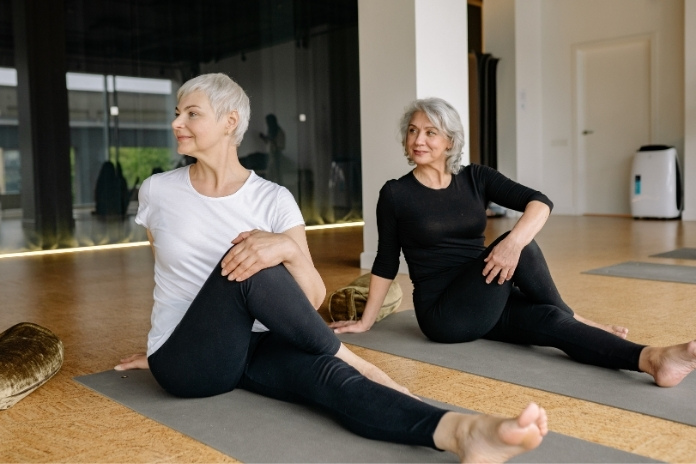
As more people seek comprehensive approaches to cardiovascular wellness, yoga and heart health are increasingly discussed together. Yoga is a mind-body discipline that combines breathing, movement, and awareness.
Research indicates that yoga for heart health may help lower stress, increase flexibility, boost circulation, and help manage some heart disease risk factors. Still, it is not a substitute for medical care or aerobic exercise. In this article, we will explore how yoga for stress reduction, flexibility, and mindful breathing may benefit heart health.
- Yoga effectively lowers cortisol and adrenaline, helping to reduce blood pressure and arterial strain.
- Gentle poses enhance oxygen flow and respiratory capacity without overworking the heart.
- Dedicated breathing and meditation techniques prepare the body for restorative, heart-healthy sleep.
Read More: The Ultimate Guide to Yoga Blocks: 6 Options Reviewed
How Yoga May Support Heart Health
Finding an activity that meets all of your health objectives might be challenging given the wide range of options available. With all the new things you have to learn, it can be stressful to start over, but there is absolutely no tension when you practice yoga.
Yoga can help you achieve your goal while maintaining heart health, regardless of whether you have a history of athletics or are just beginning to work out. With an estimated 82.6 million Americans suffering from cardiovascular disease, heart health is a key worry for many Americans.
Stress increases the risk of cardiovascular disease by elevating blood pressure and cholesterol levels. Cardiovascular disease can also result from other factors, such as an inactive lifestyle or being overweight. Yoga can be an excellent approach to reducing stress, promoting weight loss, and increasing physical activity simultaneously.
By increasing your metabolism, yoga may lower your risk of heart disease by reducing blood sugar and cholesterol levels. By enhancing arterial relaxation and reducing stress, yoga may also help lower blood pressure.
Your heart’s health depends on getting enough sleep. Poor sleep patterns have been linked to higher blood pressure, according to studies. Yoga’s breathing and meditation techniques can help decrease blood pressure and slow your heart rate. Your body will be better prepared for a restful night’s sleep if you practice breathing and meditation techniques.
What Research Says About Yoga and Cardiovascular Wellness

Yoga is a mind-body practice that includes breathing techniques and several physical poses that can enhance:
- Strength
- Adaptability
- Relaxation
- Balance
One excellent way to release tension is through yoga. The ability of yoga to calm body and mind is one of its most obvious advantages for the heart. A series of physiological reactions, such as the production of chemicals like cortisol and adrenaline that constrict arteries and raise blood pressure, can result from emotional stress.
Yoga’s deep breathing and mental concentration might help reduce stress. Make yoga a practical lifestyle change. According to one study, middle-aged adults with metabolic syndrome who practiced yoga for three months showed improvement in blood measures and waist circumference, a sign of heart disease.
Yoga can help you manage your stress as part of a comprehensive treatment approach.
Heart-Healthy Benefits of Yoga Beyond Flexibility
Numerous advantages of yoga directly promote heart health. Gentle yoga, unlike intense exercise, increases oxygen flow and circulation while also lowering cardiac strain.
The following are some significant advantages of yoga for cardiac patients:
- Increased respiratory capacity and blood flow
- Reduce your anxiety and stress levels
- Lowered blood pressure
- Better quality of sleep
- Enhanced nervous and immune system
- Quicker heart recovery following illness or surgery
Additionally, yoga promotes emotional stability, a crucial factor for long-term heart health.
Read More: What Is Somatic Yoga? A Beginner’s Guide to This Gentle Movement Practice
Best Types of Yoga for Stress Reduction and Heart Health
For cardiac flexibility, relaxation, and mild heart strengthening, try these safe, beginner-friendly yoga poses:
Mountain Pose (Tadasana): Before beginning the practice, Mountain Pose (Tadasana) helps induce relaxation, improve posture, and improve breath control.
Child’s Pose (Balasana): A calming pose that eases tension and softly stretches the shoulders and back.
Seated Forward Bend (Paschimottanasana): Perform this pose slowly and softly to promote flexibility, enhance digestion, and calm the mind.
Supported Bridge Pose (Setu Bandhasana): Without putting strain on the heart, Supported Bridge Pose (Setu Bandhasana) opens the chest and enhances circulation.
Corpse Pose (Shavasana): The most important relaxation pose for reducing stress, regulating heart rate, and soothing the mind is corpse pose (Shavasana).
Yoga Poses Commonly Recommended for Relaxation and Flexibility

In addition to its many advantages, yoga is great for preserving flexibility. To help you stay flexible, try these poses regularly:
Cat/Cow Pose: This dynamic pose promotes relaxation, helps release tension, and strengthens and extends the spine.
Reclining Hand to Big Toe Pose: This pose supports healthy blood pressure levels, strengthens core muscles, and eases tense hamstrings.
Cobra Pose: This posture may help ease low back discomfort and improve flexibility in the legs, spine, and hip flexors. Along with strengthening the arms, it also extends the shoulders, abdomen, and chest.
Downward-Facing Dog Pose: One of the most well-known and often performed yoga poses, Downward Dog improves flexibility and posture while strengthening and stretching various body parts. Additionally, it enhances coordination and balance and aids in recovery after physical activity.
Triangle Pose: This strong standing pose strengthens the legs, core, and upper body while opening and stretching the chest, hips, legs, and spine. Additionally, the triangle strengthens and extends the side body, encourages improved posture, and enhances stability and balance.
How Often Should You Practice Yoga for Heart Health?
Two to Three Times A Week: Starting with two or three yoga classes might have a big impact if you’re new to the practice. According to studies, doing yoga two or three times a week can enhance mood, cardiovascular health, flexibility, and mobility. Your body can adjust to this frequency without being overworked.
Four to Five Times a Week: Increasing your yoga practice to four or five times a week will improve your strength, flexibility, mobility, and mental clarity if you are currently practicing. Regular yoga practitioners reported a significant decrease in anxiety and an improved quality of life, according to a study published in Evidence-Based Complementary and Alternative Medicine.
Twenty to Thirty Minutes Every Day: Including a daily yoga practice, even just for 20 to 30 mins, can have a significant influence on both physical and mental well-being for individuals seeking long-term, sustained benefits. This frequency enables regular muscular conditioning and stress alleviation.
Read More: Finding Balance: Yoga and Meditation for Seniors’ Physical and Mental Health
Can Yoga Help People With High Blood Pressure or Heart Disease?

You can improve your general health by doing yoga. According to studies, it can also help combat hypertension when used in conjunction with other management strategies, such as aerobic activity, medication, and a nutritious diet.
According to research, patients’ systolic (top number) and diastolic (bottom number) blood pressure significantly decreased when they included yoga in their care management regimen.
Yoga improves the body’s oxygen uptake, making it an excellent supplemental treatment for hypertension. It can also strengthen stress resistance, which can raise blood pressure.
Safety Tips Before Starting Yoga
Like any other form of exercise, yoga requires you to start slowly and increase your endurance. You should learn about the many forms of yoga and decide which one best suits your skills before you start.
Consistency Over Perfection: Perfection is not the aim of yoga, despite your desire to hold every pose flawlessly in every session. Regardless of your energy or flexibility on any given day, the real objective is to progress gradually through consistent practice.
Keep Distractions Away: To-do lists, audiobooks, phone alerts, and other things might divert attention from the yoga focus. To begin a session with a clear head, take a moment to remove any distractions.
Correct Form: To prevent self-harm, ensure your body is positioned appropriately for each pose. Do not push yourself into a pose you are not yet flexible enough for, as you could injure yourself. While you work up to the regular pose, find out from your instructor whether there is a modified version of the pose you can perform.
Start Small: If you’re new to yoga, shorter sessions may help you build the habit without overdoing poses. As you advance, you can always work your way up to a longer session.
Be Patient: When it comes to exercise or fitness, it’s easy to start comparing your progress to others’. Even in the early stages, don’t compare yourself to others because everyone’s path is unique.
Read More: Daily Yoga Poses for Mindfulness and Strength
Practical Ways to Add Yoga Into a Heart-Healthy Lifestyle
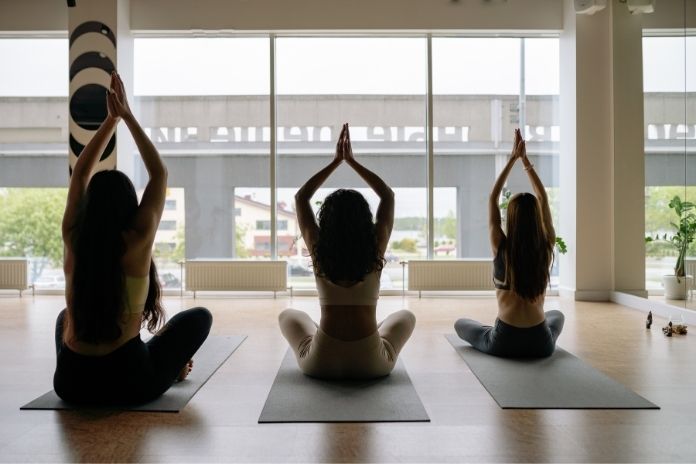
Yoga with Cardio: For a well-rounded workout, mix yoga with cycling or walking.
Using Breathing Techniques: To lower stress hormones during stressful situations, engage in breathing exercises.
Daily Stretching Routine: Short daily sessions improve flexibility and mobility and support circulation.
Making Yoga Realistic: Yoga for heart health is accessible to people with hectic schedules, as even 10 minutes a day can yield benefits.
Frequently Asked Questions About Yoga and Heart Health
Is Yoga Enough Exercise For Heart Health?
Some fitness needs might not be satisfied by yoga alone. It is most effective when paired with aerobic activity.
Can Yoga Lower Blood Pressure Naturally?
Some studies suggest yoga and blood pressure improvements, especially with consistent practice.
Which Yoga Style Is Best For Beginners?
For beginners, restorative yoga and hatha are great.
How Long Does It Take to Notice Benefits From Yoga?
While physical effects may take longer, many people experience a reduction in stress within weeks.
Is Yoga Safe For Older Adults With Heart Conditions?
Yes, especially gentle yoga for cardiovascular health, when practiced safely.
Read More: 10 Best Yoga Mats for Carpets that Don’t Slip
Conclusion
Yoga and heart health are closely connected through the practice’s ability to reduce stress, improve flexibility, and also encourage consistent movement. Yoga can be a beneficial adjunct to a heart-healthy lifestyle, but it cannot replace conventional exercise or medical care.
Frequent practice improves circulation, promotes calm, and helps manage important risk factors, including stress and inactivity. These advantages could eventually lead to improved cardiovascular wellness.
The secret is to listen to your body, practice often, and select appropriate styles. Seeking medical advice guarantees safe participation for people with pre-existing medical issues.
References
- American Heart Association News. (2019, April 12). Is yoga heart-healthy? It’s no stretch to see benefits, science suggests.
- Abiomed. How Yoga Benefits the Heart.
- Michigan Vascular Center. The yoga-heart connection: How yoga can improve your heart health.
- Harvard Health. (May 1, 2023). Yoga: A flexible way to enhance heart health.
- Pilates + Yoga. How often should you do yoga?
- Harvard Health. (November 1, 2010). Yoga could be good for heart disease.
- Joann Ariola. (July 26, 2017). Can Yoga Naturally Lower your Blood Pressure?
In this Article