



















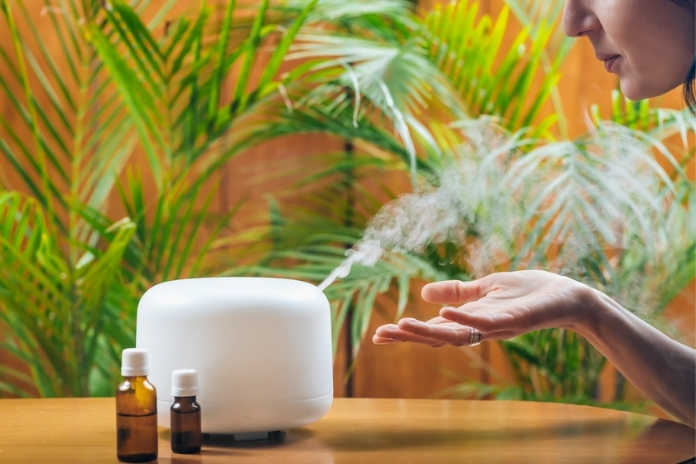
We all know the feeling. You’re stuck in traffic after a long day, replaying an argument in your head, or hitting that dreaded 3 p.m. energy crash when everything suddenly feels harder than it should.
Most of us reach for coffee, scroll social media, or try to power through. But what if one of the fastest ways to change your mood was something much simpler, something already sitting in your kitchen, bathroom, or laundry room?
It turns out your sense of smell has a surprisingly powerful connection to your emotions. And unlike many wellness trends, this isn’t just feel-good advice.
Scientists have found that certain scents can influence stress levels, trigger happy memories, and even help your brain shift gears emotionally. The best part? You don’t need expensive essential oils or fancy gadgets. Sometimes all it takes is a deep breath.
- Smell connects directly to the brain’s emotion and memory centers, which can quickly affect mood.
- Different scents may help with different feelings, like lavender for calm, citrus for energy, and vanilla or coffee for comfort.
- Every day smells and meaningful scent memories can offer a simple, natural mood boost.
Read More: Essential Oils vs. Synthetic Fragrances: Which One Is Actually Safer?
Why Your Nose Has a Direct Line to Your Emotions

The Brain Shortcut Nobody Talks About
Most of your senses take a fairly long route through the brain before you’re consciously aware of them.
Smell is different. When you inhale a scent, odor molecules travel through your nose and activate specialized receptors. Those signals are sent directly to parts of the brain involved in emotions and memory, especially the amygdala and hippocampus.
Think of it as a secret back door into your brain’s emotional headquarters. The amygdala helps process emotions such as fear, happiness, and stress. The hippocampus plays a major role in memory formation.
Because smell connects so closely to these areas, a scent can trigger an emotional response almost instantly, sometimes before you’ve even identified what you’re smelling. That’s why the smell of sunscreen might suddenly remind you of childhood vacations, or the scent of fresh cookies can make you feel comforted before you’ve taken a single bite.
What Actually Happens When You Inhale a Scent?
The effects go beyond memories. Research suggests that certain scents can influence the release of brain chemicals associated with mood and well-being. Some aromas may help increase levels of serotonin and dopamine, while others appear to reduce stress hormones such as cortisol.
In simple terms, your nose acts a bit like a chemical remote control. A calming scent can signal your nervous system to slow down. An energizing scent can make you feel more alert. A familiar scent can create a sense of comfort and safety. The changes may be subtle, but they’re often surprisingly noticeable, especially when you’re intentional about using scent as a mood tool.
Match Your Scent to Your Mood Problem

Not every bad mood feels the same. That’s why different scents tend to work better for different emotional states.
When You’re Stressed or Anxious, Reach for These
If your mind is racing or your shoulders are practically touching your ears, calming scents can help dial things down:
- Lavender is one of the most studied relaxation scents and is often associated with reduced stress and better sleep.
- Chamomile has a gentle, soothing aroma that many people find comforting.
- Sandalwood offers a warm, woody scent that promotes a sense of calm.
- Bergamot, a citrus fruit often used in Earl Grey tea, appears to help reduce tension.
- Patchouli has a deep, earthy scent that can help quiet a racing mind.
- Jasmine‘s sweet floral aroma has been studied for its calming effect on anxiety.
- Neroli, derived from bitter orange blossoms, is often used to ease anxiety and tension, including during childbirth.
- Vetiver offers a smoky, root-like scent often described as grounding when anxiety spikes.
- Geranium‘s rosy, herbal aroma is linked to easing tension and stress, especially during physically painful or high-stress moments.
Try rubbing a lavender-scented hand lotion into your hands before a stressful meeting. Sip a cup of bergamot tea and take a moment to breathe in the aroma before drinking.
— Daniela Niculet, Essential Oil Specialist and Founder of The Oil Stories
“A few of these scents have real clinical research behind them. In one study, people with generalized anxiety disorder who inhaled jasmine oil twice daily saw their anxiety scores drop by nearly 60% over 10 days.
A randomized trial of 88 women found neroli oil eased both anxiety and pain perception during labor.
Geranium oil inhalation has helped ease stress, anxiety, and pain in people with chronic conditions like lumbar spinal stenosis.
And in lab studies, vetiver oil has calmed anxiety-like behavior about as effectively as anti-anxiety medication.”
When You’re Exhausted or in a Funk, Try These Energizers
Sometimes you’re not anxious; you’re simply drained.
- Bright citrus scents such as lemon, orange, and grapefruit can feel surprisingly uplifting.
- Peppermint is often linked to alertness and focus, while rosemary may help you feel more mentally awake.
- Sweet basil‘s fresh, herbal scent has a gentle calming quality that can ease tension without making you drowsy.
- Cardamom‘s warm, spicy aroma is traditionally used to support a sense of calm and steadiness.
These scents can provide a quick sensory boost when you’re struggling with low energy or brain fog.
One of the easiest tricks? Peel an orange at your desk and take a few slow breaths before eating it. Or the next time you brush your teeth, pay attention to the refreshing smell of peppermint instead of rushing through the routine. Small moments can create noticeable shifts.
— Daniela Niculet, Essential Oil Specialist and Founder of The Oil Stories
“These scents have cognitive research behind them too. In lab studies, rosemary aroma improved performance on memory and mental tasks, and peppermint aroma increased alertness during demanding tasks.
Lemon oil reduced test anxiety by over 40% in a study of nursing students.
Basil oil, rich in linalool, has shown calming effects in animal studies.
Cardamom has long been used to support a calmer, steadier feeling. Research on oral cardamom intake has even shown blood-pressure-lowering effects in people with hypertension.”
When You’re Sad or Emotionally Low, Go for Comfort Scents
When you’re feeling emotionally heavy, comforting scents often work better than stimulating ones.
- Vanilla is a classic example. Many people associate it with warmth, safety, and pleasant memories.
- Cinnamon has a cozy quality that can make a space feel inviting.
- The smell of coffee, baked bread, cookies, or other familiar foods can also trigger positive emotional responses through memory and association. You don’t even need to consume them.
Brew a fresh cup of coffee and spend a moment enjoying the aroma. Keep a bottle of vanilla extract nearby and take a gentle sniff when you need a little emotional lift. Sometimes comfort comes through the nose before it reaches the heart.
When You’re Irritated or Angry, Ground Yourself with These
Anger often creates a feeling of mental overheating. Grounding scents can help slow that momentum.
- Cedarwood, pine, earthy aromas, and even the smell of fresh-cut grass can create a sense of connection to the natural world.
These scents tend to feel steady rather than stimulating. If possible, step outside and take a short walk among trees or greenery. If you’re indoors, a cedar-scented candle or woodsy room spray can help create a calmer atmosphere while you regroup.
Read More: Essential Oils for Feminine Hygiene: Aromatherapy and Women’s Well-being
You Don’t Need a Diffuser: Everyday Scents Already in Your Home
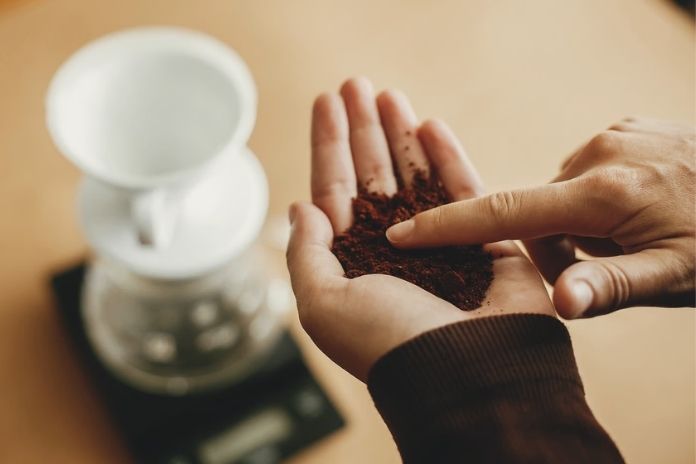
One of the biggest misconceptions about aromatherapy is that you need a collection of essential oils and specialized equipment.
You probably already have plenty of mood-boosting scents around you. Fresh coffee grounds can provide an energizing and comforting aroma. Vanilla extract offers a warm scent associated with baking and pleasant memories.
Your favorite hand soap, lotion, or shampoo may already contain scents that make you feel relaxed or refreshed. Fresh citrus fruits like oranges, lemons, and grapefruits are natural mood boosters waiting in your kitchen.
Fresh laundry and clean sheets often create feelings of comfort and accomplishment.
Even sunscreen can be surprisingly powerful because many people associate its scent with vacations, beaches, and carefree summer days.
Fresh herbs such as basil, mint, and rosemary from the grocery store also provide quick, affordable ways to enjoy uplifting natural aromas. The goal isn’t perfection. It’s simply noticing and using the scents already available in your daily life.
The Secret Weapon: Your Personal Scent Memory

Why Smelling Something That Reminds You of Happy Times Actually Works
One of the most fascinating things about smell is its connection to autobiographical memory.
Researchers have found that personally meaningful scents can trigger vivid memories and emotional responses.
In one study, nostalgic odors were associated with reduced anxiety and increased positive feelings. This happens because smell and memory are deeply intertwined in the brain. A single scent can instantly transport you back to a specific moment: your grandmother’s kitchen, a favorite vacation, a childhood holiday, or a special person.
Unlike photographs, which require conscious attention, smells often trigger memories automatically and emotionally. That’s part of what makes them so powerful.
How to Find and Use Your Own Mood-Lifting Scent
Think about three of your happiest memories. Now ask yourself: What did those moments smell like? Maybe it was the ocean air during a family trip. Maybe it was a specific perfume, fresh pine during the holidays, or the smell of pancakes on a Sunday morning.
Once you’ve identified those scents, look for ways to keep them accessible.
You might buy a candle that reminds you of the beach, keep a small bottle of a familiar fragrance nearby, or recreate a favorite family recipe.
How to Actually Do It: The 60-Second Scent Reset
The next time you’re in a bad mood, try this simple one-minute practice:
- Pause and identify what you’re feeling. Are you stressed, tired, sad, or irritated?
- Choose a scent that matches your mood using the guide above.
- Hold the scent close and take three to five slow, deep breaths.
- Focus your attention completely on the smell. Notice its details and how it changes as you inhale.
- After about a minute, check in with yourself and notice any shift in your mood, energy, or tension level.
Why Does This Work?
Intentional smelling combines two powerful tools: scent and mindfulness. Instead of passively noticing an aroma in the background, you’re actively engaging with it. That focused attention helps interrupt stress loops and anchors your mind in the present moment. Even a small emotional shift can make a difficult day feel more manageable.
When Smell Won’t Fix It (And That’s Okay)

Scent can be a helpful mood booster, but it’s not a cure-all. It won’t solve grief, heal trauma, or treat clinical depression or anxiety disorders. If you’re struggling with persistent emotional difficulties, reaching out to a healthcare professional or mental health provider is an important step.
It’s also worth noting that people with anosmia, or loss of smell, may not experience these benefits in the same way. Think of scent as a tool, not a treatment. Sometimes a quick mood lift is exactly what you need. Other times, deeper support is necessary, and that’s completely okay.
Read More: 9 Criteria to Choose Genuine Essential Oils (2026 Buying Guide)
Conclusion
The next time you’re having a rough day, don’t underestimate the power of your nose.
Whether it’s the smell of fresh coffee, a peeled orange, clean sheets, or a scent tied to a favorite memory, your brain is constantly responding to the aromas around you.
The science is surprisingly clear: smell has a direct connection to emotion, memory, and stress. That makes it one of the fastest and most accessible mood-shifting tools you already have. So the next time you’re stuck in traffic, recovering from a tough conversation, or dragging through an afternoon slump, try a simple experiment.

About the Expert Reviewer: Daniela Niculet, Essential Oil Specialist
This article has been reviewed for accuracy and clarity by Daniela Niculet, a certified aromatherapist and co-founder of The Oil Stories, where she shares her deep knowledge and passion for essential oils and natural wellness.
Read more →References
- Arhanthkumar, A., Sapna, D., Chandran, R. A., & Shreevathsa. (2013). Effect of jasmine essential oil in generalized anxiety disorder: A pilot clinical study. Journal of Ayurveda and Holistic Medicine, 1(7), 1–6.
- Saiyudthong, S., Pongmayteegul, S., Marsden, C. A., & Phansuwan-Pujito, P. (2015). Anxiety-like behaviour and c-fos expression in rats that inhaled vetiver essential oil. Natural Product Research, 29(22), 2141–2144.
- Scandurra, C., Mezzalira, S., Cutillo, S., Zapparella, R., Statti, G., Maldonato, N. M., Locci, M., & Bochicchio, V. (2022). The effectiveness of neroli essential oil in relieving anxiety and perceived pain in women during labor: A randomized controlled trial. Healthcare, 10(2), 366.
- Seo, E., Cho, Y., Lee, J.-M., & Seol, G. H. (2024). Inhalation of Pelargonium graveolens essential oil alleviates pain and related anxiety and stress in patients with lumbar spinal stenosis and moderate to severe pain. Pharmaceuticals, 17(1), 1.
- Moss, M., Hewitt, S., Moss, L., & Wesnes, K. (2008). Modulation of cognitive performance and mood by aromas of peppermint and ylang-ylang. International Journal of Neuroscience, 118(1), 59–77.
- Moss, M., & Oliver, L. (2012). Plasma 1,8-cineole correlates with cognitive performance following exposure to rosemary essential oil aroma. Therapeutic Advances in Psychopharmacology, 2(3), 103–113.
- Özer, Z., Teke, N., Bahcecioglu Turan, G., & Bahçecik, A. N. (2022). Effectiveness of lemon essential oil in reducing test anxiety in nursing students. Explore, 18(5), 526–532.
- Rabbani, M., Sajjadi, S. E., & Vaezi, A. (2015). Evaluation of anxiolytic and sedative effect of essential oil and hydroalcoholic extract of Ocimum basilicum L. and chemical composition of its essential oil. Research in Pharmaceutical Sciences, 10(6), 535–543.
- Verma, S. K., Jain, V., & Katewa, S. S. (2009). Blood pressure lowering, fibrinolysis enhancing and antioxidant activities of cardamom (Elettaria cardamomum). Indian Journal of Biochemistry & Biophysics, 46(6), 503–506.
- Acquired Taste. (n.d.). Cozy winter vibes: The best scents to warm up your space.
- Glossybox. (2020, August 20). Aromatherapy: Relaxing scents.
- Herz, R. S. (2016). The role of odor-evoked memory in psychological and physiological health. Brain Sciences, 6(3), 22.
- National Public Radio. (2024, October 16). Science-backed mood boosters to almost instantly snap you out of a funk.
- Stellarix. (n.d.). Mood-enhancing fragrance compounds.
- WebMD Editorial Contributors. (n.d.). What to know about cedarwood essential oil.
In this Article