


















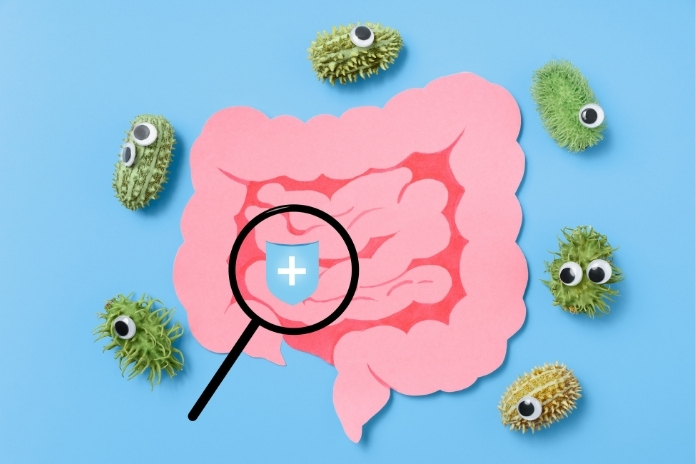
The gut and immune system share one of the most important relationships in the human body, and it runs much deeper than most people realize. Your digestive tract does far more than break down food. It also plays a central role in defending your body against illness, regulating inflammation, and keeping your internal environment in balance.
Understanding the connection between the gut and the immune system is one of the most useful things you can do for your long-term health.
You may have heard the claim that “70% of the immune system lives in your gut.” While that figure is a simplified estimate, modern research confirms that 70 to 80% of immune cells are present in the gut, making the gastrointestinal tract one of the largest immune organs in the body. The intestinal barrier, specialized immune tissues, and the gut microbiome all play a role in this relationship.
This article covers how gut health and immunity work together, the science behind it, what happens when things go wrong, and what you can do to support both.
- Your gut houses a large portion of immune activity and helps defend against infections.
- A balanced gut microbiome regulates inflammation and supports overall health.
- Poor diet, stress, and antibiotics can disrupt gut balance and weaken immunity.
Read More: Beyond Yogurt: 5 Fermented Foods That Support Gut Health on a Dairy-Free Diet
How the Gut and Immune System Are Connected
Most people focus on nutrition, exercise, and sleep when thinking about their health. But the immune system depends heavily on gut health in ways that often go unnoticed.
Why the Digestive Tract Is Constantly Interacting with the Outside World
Your gut is one of the few parts of your body in constant contact with the outside world. Every time you eat or drink, your intestines encounter bacteria, viruses, food antigens, and potential toxins. That means your immune system has to be on guard at all times, deciding what to let through and what to reject.
This need for constant immune surveillance is why the digestive tract is home to such a dense concentration of immune cells and tissues. No other organ faces this level of ongoing exposure to foreign substances.
What “70% of the Immune System Is in the Gut” Actually Means
The phrase gets used a lot, and it is worth unpacking. It does not mean that your immune system literally lives in your stomach. This means that a large share of the body’s immune cells are located in and around the gastrointestinal tract.
The key structure here is gut-associated lymphoid tissue, or GALT. GALT surrounds the small and large intestines and contains a dense network of immune cells, including specialized structures called Peyer’s patches (found in the small intestine), mesenteric lymph nodes, and intraepithelial lymphocytes. These structures continuously sample what is passing through your gut and coordinate immune responses when they detect a threat.
GALT also produces secretory immunoglobulin A (IgA), an antibody that lines the gut wall and acts as a first line of defense against pathogens. This type of protection, sometimes called mucosal immunity, is specific to wet surfaces like the intestinal lining, and it plays a critical role in preventing harmful bacteria and viruses from ever reaching the bloodstream.
How the Gut Helps Balance Immune Responses
A well-functioning gut does two things at once. It defends against harmful microbes and, at the same time, avoids overreacting to harmless substances like food proteins or the trillions of beneficial bacteria living in your intestines.
When this balance breaks down, the immune system can either become underactive (leaving you more vulnerable to infection) or overactive (triggering chronic inflammation or autoimmune conditions). The gut microbiome and immune system work together constantly to maintain that balance.
“Your gut microbiome is at the center of your health, and a deficient biome may be the root of development for diseases,” says Dr. Ulysses Wu, with Hartford HealthCare. He adds, “So it’s important to feed it well. Certain foods help balance gut bacteria, reduce inflammation, and keep digestion moving.”
The Role of the Gut Microbiome in Immune Health

What the Gut Microbiome Is
All of your body’s surfaces host communities of microorganisms, including bacteria, viruses, and fungi. These exist on your nose, mouth, lungs, skin, stomach, sexual organs, and gut. Most of the organisms in these communities live in symbiosis with their human hosts, and research over the past decade has shown how central they are to human health and disease.
The gut microbiome is home to more than 100 trillion microorganisms, making it one of the most densely populated microbial environments on earth. The gut microbiome encodes roughly 3 million genes, far more than the 23,000 genes in the human genome. That genetic diversity translates into thousands of metabolites and signals that interact with your immune system around the clock.
How Beneficial Gut Bacteria Support Immunity
Beneficial gut bacteria support immune function in several ways. They help train immune cells to tell the difference between harmless microbes and actual threats. They reinforce the intestinal barrier, helping keep pathogens out of the bloodstream. And they produce signaling compounds that regulate inflammation throughout the body.
One of the most important of these signaling compounds is a group called short-chain fatty acids (SCFAs), which include butyrate, propionate, and acetate. These are produced when beneficial gut bacteria ferment dietary fiber.
Butyrate, in particular, serves as the primary energy source for the cells lining your colon and helps maintain the integrity of the gut wall.
According to research published in Nature Reviews Immunology, SCFAs regulate both epithelial barrier function and mucosal immunity through pathways that directly influence immune cell behavior. In plain terms, when you eat enough fiber, your gut bacteria produce compounds that help keep your gut lining strong and your immune responses in check.
Why Microbiome Diversity Matters
A diverse microbiome is a resilient one. When your gut hosts a wide variety of microbial species, the system has more built-in redundancy. If one species is disrupted, others can compensate. A richer microbiota diversity is also associated with stronger immune responses, better resistance to infections, and a lower risk of chronic inflammatory conditions.
Reduced diversity, on the other hand, is one of the hallmarks of a dysbiotic gut, which is a gut microbiome out of balance.
What Happens When Gut Health Is Disrupted?
Understanding Dysbiosis
Dysbiosis refers to a disruption in the balance of gut bacteria. It is typically characterized by a reduction in beneficial microbes, a decrease in overall microbial diversity, and an overgrowth of potentially harmful organisms. Poor diet, harmful lifestyle habits, certain medications, and stress can all trigger dysbiosis.
It is also worth noting that your body hosts multiple microbiomes, not just one in the gut. The skin, urinary tract, and oral cavity each have their own microbial communities that can become imbalanced. When the gut microbiome shifts, it can create ripple effects across other systems.
Signs That May Be Linked to Poor Gut Health
Poor gut health tends to develop gradually over time, driven by accumulated lifestyle factors. Symptoms linked to gut dysbiosis include:
- Bloating, gas, and abdominal discomfort
- Nausea and altered bowel movements (diarrhea or constipation)
- Frequent infections or slow recovery from illness
- Unexplained fatigue
- Skin issues such as acne or eczema
- Nutritional deficiencies due to impaired absorption
Conditions Associated with Gut-Immune Dysfunction
When gut dysbiosis is chronic, the downstream effects on the immune system can be significant. An imbalanced gut microbiota has been associated with:
- Inflammatory bowel disease (IBD)
- Obesity and metabolic disorders
- Type 2 diabetes
- Colorectal cancer
- Cardiovascular issues
- Autoimmune diseases
- Conditions affecting the central nervous system
Gut dysbiosis can also lead to malnutrition (when the body does not obtain enough nutrients), malabsorption (when nutrients are not properly absorbed from food), and food intolerances.
The Intestinal Barrier and Leaky Gut
One of the most important structures in the gut-immune relationship is the intestinal barrier. The lining of your gut is just one cell thick, and those cells are held together by proteins called tight junctions. These tight junctions act like a selective gateway: they let nutrients and water through while keeping pathogens, toxins, and undigested food particles out.
When the intestinal barrier is compromised, tight junctions loosen, and the gut becomes more permeable, a condition commonly referred to as a “leaky gut.” When this happens, harmful substances can pass into the bloodstream and trigger an immune response.
Research published in Gut journal describes this as a key pathway through which disruption of the intestinal barrier leads to mucosal immune system activation and systemic inflammation. Leaky gut has been associated with inflammatory bowel disease, autoimmune conditions, and metabolic disorders.
Maintaining a healthy gut microbiome and eating enough fiber are among the most evidence-supported ways to protect intestinal barrier integrity.
Read More: 6 Fermented Drinks You Should Drink for Gut Health (Backed by Evidence)
Factors That Can Affect Gut and Immune Health
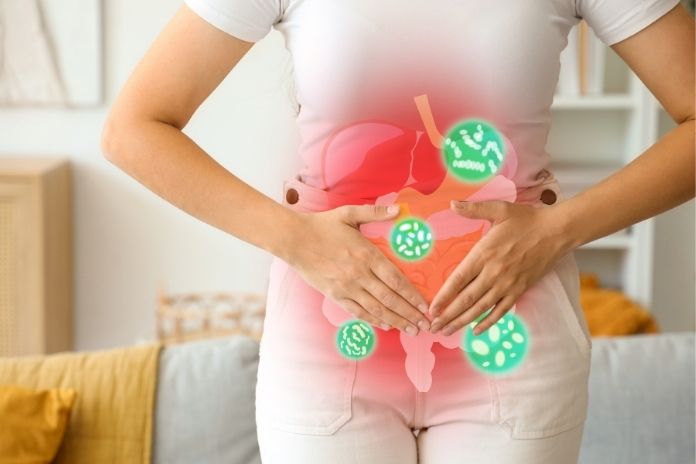
Most of the time, poor gut health develops over an extended period. Multiple factors shape the gut microbiome and immune function. Understanding these can help you make more informed choices.
Diet: What you eat is one of the most powerful forces shaping your gut microbiome. A balanced, varied diet that includes sufficient fiber, lean protein, and key micronutrients provides the building blocks your immune system needs.
Zinc, selenium, iron, and vitamins A, B, C, D, and E are among the nutrients with well-documented roles in immune regulation. Ultra-processed foods, excessive sugar, and very low-fiber diets tend to reduce microbial diversity and promote chronic inflammation.
Antibiotics: Antibiotics are life-saving when used appropriately, but they come with a significant side effect: they cannot distinguish between harmful bacteria and the beneficial microbes your gut depends on.
A review published in Frontiers in Microbiology found that antibiotic-induced dysbiosis can persist for weeks to months after treatment ends, and in some cases much longer. Even a short course can reduce microbial diversity and leave the gut more vulnerable to opportunistic infections like Clostridioides difficile. This does not mean avoiding antibiotics when you need them. It means using them only when prescribed by a healthcare provider and asking about strategies to support gut recovery afterward, such as eating fermented foods or temporarily increasing fiber intake.
Stress and Sleep: Prolonged, chronic stress impairs immune function. Your brain and your gut are in constant two-way communication through what researchers call the gut-brain axis. Stress hormones like cortisol can directly alter the composition of your gut microbiome, reduce microbial diversity, and increase intestinal permeability.
Brief, sporadic spikes in stress hormones are manageable for the immune system. Constant or chronic stress, however, can wear down immune regulation over time.
Physical Activity: Moderate, regular exercise supports a healthier gut microbiome and stronger immune function. Research consistently shows that physical inactivity is associated with reduced microbial diversity and a slower immune response.
Poor Hygiene: You are more likely to encounter harmful organisms if you are not practicing basic hygiene. Washing your hands regularly, especially before eating, reduces your exposure to potentially dangerous pathogens.
Toxins: Alcohol, heavy metals, and compounds such as parabens can each weaken the immune system and disrupt the gut microbiome. When combined, these exposures can overwhelm the body’s regulatory systems. Talk with your doctor about testing for toxin levels and reducing your exposure where possible.
Hydration: Staying adequately hydrated supports digestive function, helps maintain the mucosal layer that lines the gut, and promotes regular bowel movements that keep the intestinal environment healthy. Plain water is one of the simplest, most effective tools for supporting a balanced gut.
Foods That May Support a Healthy Gut and Immune System
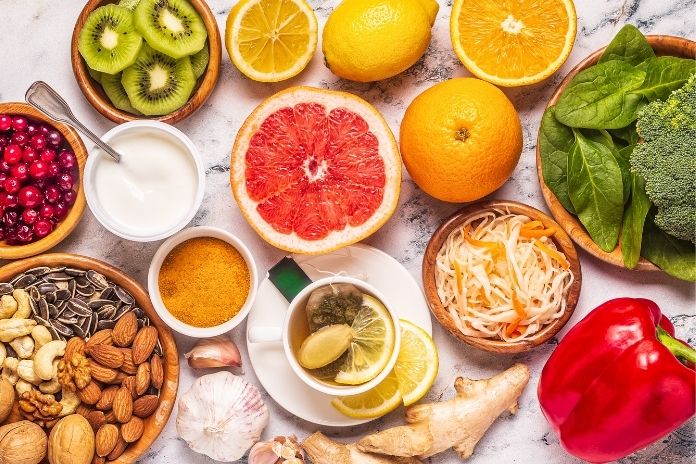
The following foods are supported by research for their roles in gut and immune health. No single food is a cure-all, but together they form a pattern of eating that supports microbiome diversity and immune regulation.
Fermented Foods and Probiotics
Fermented foods are among the most direct dietary sources of live beneficial bacteria, or probiotics. Yogurt, kefir, kimchi, sauerkraut, and miso all contain living microbial cultures that can add to your gut’s existing population of beneficial microbes.
Research supports their value: a 2023 systematic review and meta-analysis found that probiotics significantly improved intestinal barrier function and reduced inflammatory markers.
When choosing sauerkraut or kimchi, opt for refrigerated, unpasteurized versions; heat processing kills the beneficial bacteria.
Prebiotic Foods That Feed Your Microbiome
Prebiotics are types of fiber that your body cannot digest, but your beneficial gut bacteria can. When you eat prebiotic-rich foods, you are essentially feeding the microbes that support your immune function. Good sources include garlic, onions, bananas, oats, asparagus, and leeks. Building these into your regular diet is one of the most straightforward ways to support microbiota diversity.
Fiber-Rich Foods
Dark leafy greens like spinach, kale, and collard greens are packed with vitamin C, antioxidants, and beta-carotene, all of which support immune function. They also feed the beneficial bacteria in your colon. Fruits, vegetables, whole grains, and legumes all contribute to the dietary fiber that fuels SCFA production and supports a diverse microbiome.
Berries
Blueberries, blackberries, açai, and goji berries are dense with antioxidants and vitamins that support immune health. Their plant compounds also have mild anti-inflammatory effects.
Fish and Omega-3 Fatty Acids
Fish high in omega-3 fatty acids, like salmon, tuna, and mackerel, support immune function by increasing the activity of white blood cells. Omega-3s also help manage chronic inflammation, which benefits both the gut and the cardiovascular system.
Spices
Garlic, ginger, and turmeric have long been associated with immune-supporting and anti-inflammatory properties. Garlic and onions also serve as prebiotic foods, feeding the beneficial bacteria in your gut.
Citrus Fruits
Oranges, grapefruits, tangerines, lemons, and limes are rich in vitamin C, which plays a well-documented role in supporting white blood cell production and immune defense.
Poultry
Chicken and turkey supply zinc, which supports the production of white blood cells, and vitamin B6, which is necessary for the production of new red blood cells and has anti-inflammatory effects.
Olive Oil
A central component of the Mediterranean diet, olive oil is a heart- and brain-healthy fat. Its anti-inflammatory properties also support a healthier immune environment throughout the body.
Should You Take Probiotic Supplements?
Probiotic supplements are widely available, but the evidence for their use in otherwise healthy adults is more nuanced than the marketing suggests. A systematic review found limited and varied evidence that oral probiotic supplementation in healthy adults modulates immune markers compared to placebo.
That said, specific strains have shown benefits in specific contexts, such as during or after antibiotic treatment, or in people with irritable bowel syndrome.
If you are considering a probiotic supplement, it is worth talking with your healthcare provider about whether a specific strain makes sense for your situation. The effects of probiotics vary significantly from person to person, and what works well for one individual may have little effect on another. For most people, prioritizing probiotic-rich foods and fiber is a solid first step before adding supplements.
Read More: Guava Juice for Gut Health: Why the Pulp Makes (or Breaks) Your Digestion
Can Improving Gut Health Strengthen Immunity?
What Research Currently Supports
Your gut health touches almost every aspect of how you feel day to day, from digestion and energy to immune function and mood. When the digestive system is working well, it breaks down food, absorbs vitamins and minerals, and supports the body’s defenses. People with a healthier gut microbiome tend to experience fewer infections, recover more quickly from illness, and report higher overall energy levels.
When your body digests food effectively, it absorbs the nutrients it needs for energy production and immune cell function. Iron, B vitamins, magnesium, and protein are all required for basic immune function. Even when calorie intake is adequate, nutrient malabsorption from a compromised gut can leave the immune system underpowered.
Restoring intestinal homeostasis, the gut’s internal balance, supports more consistent physical and mental performance throughout the day. It also reduces chronic low-level inflammation, which underlies many of the conditions listed in the section above.
Claims That May Be Overstated
Not everything you read online about gut health and immunity is grounded in science. The term “immune boosting” is used very loosely in wellness marketing. In reality, more immune activity is not necessarily better. An overactive immune system can cause autoimmune diseases, allergies, and chronic inflammation. The goal is immune balance, not immune hyperactivation.
Similarly, products and programs marketed as “gut cleanses” or “detoxes” have no strong scientific support. Your liver and kidneys continuously handle detoxification.
What actually supports your gut microbiome is not a short-term intervention but a consistent long-term pattern: varied fiber-rich foods, sufficient sleep, managed stress, and appropriate antibiotic use. A diverse microbiome built over months and years is far more protective than any short-term protocol.
Why Consistency Matters More Than Quick Fixes
The most effective approach to gut health and immune function is consistency. Long-term dietary patterns, regular physical activity, adequate sleep, and managed stress all have a more meaningful impact on your gut microbiome than any individual supplement or product. Aim for sustainable habits rather than rapid interventions.
When Gut Symptoms May Need Medical Attention

Symptoms That Should Not Be Ignored
Certain symptoms may point to something more serious and should prompt a visit to your doctor:
- Chronic or persistent diarrhea
- Blood in the stool
- Unexplained weight loss
- Severe abdominal pain
When to Speak with a Healthcare Professional
Schedule an appointment if you are dealing with:
- Persistent stomach or digestive problems
- Recurrent infections or a feeling of chronic immune vulnerability
- Concerns about leaky gut and immune response
- Suspected food intolerances or ongoing inflammation
Early assessment can clarify what is driving your symptoms and help prevent more serious complications. There is no reliable at-home test for microbiome health, and self-treating chronic gut symptoms without a diagnosis can delay appropriate care.
Read More: Green Bananas and Gut Health: Why “Unripe” Starch Is the Secret to Better Digestion and Lower Bloat
Conclusion
The connection between the gut and immune system makes it clear that what happens in your digestive tract shapes your health from the inside out. Beyond digestion, your gut supports immune function, regulates inflammation, and maintains the internal balance your body needs to function well.
A strong intestinal barrier and a rich, diverse community of gut bacteria work together to keep your immune system calibrated and your body resilient. When gut health declines, the consequences, including chronic inflammation, increased susceptibility to infections, and a higher risk of chronic disease, follow.
The gut and immune system respond best not to quick fixes, but to lasting habits: eating a varied, fiber-rich diet, staying hydrated, getting enough sleep, managing stress, and being thoughtful about antibiotic use. Those consistent choices are what keep both systems working the way they should.
References
- Wiertsema, S.P., et al. (2021). The Interplay between the Gut Microbiome and the Immune System in the Context of Infectious Diseases throughout Life and the Role of Nutrition in Optimizing Treatment Strategies. Nutrients, 13(3), 886.
- Milosevic, I., et al. (2019). Gut-Liver Axis, Gut Microbiota, and Its Modulation in the Management of Liver Diseases. Exploration of Medicine.
- Shen, X., et al. (2025). Gut Microbiota Dysbiosis: Pathogenesis, Diseases, Prevention, and Therapy. MedComm.
- GoodRx. (2025). 9 Signs of Bad Gut Health and What to Do About It.
- Singh, D.N., et al. (2023). Common foods for boosting human immunity: A review. Food Science & Nutrition, 11(11), 6761–6774.
- Hartford HealthCare. (November 10, 2025). The 10 Best Foods for Your Gut Health.
- Marino, M., et al. (2024). Short-chain fatty acids: linking diet, the microbiome and immunity. Nature Reviews Immunology.
- Camilleri, M. (2019). Leaky gut: mechanisms, measurement and clinical implications in humans. Gut.
- Zheng, Y., et al. (2023). Probiotics fortify intestinal barrier function: a systematic review and meta-analysis of randomized trials. Frontiers in Immunology.
- Vetter, C. (2025, November 17). Improve your gut health for a better immune system. ZOE.
- Collignon, P., et al. (2024). Gut dysbiosis mediates the association between antibiotic exposure and chronic disease. PMC.
In this Article