


















If you find yourself dragging through the third day of your cycle, hitting snooze more often, or feeling like a short walk takes the energy of a workout, you are not imagining it. Feeling tired during your period is one of the most common and most overlooked complaints in women’s health. The exhaustion is real, the science behind it is well understood, and it can affect everything from focus and mood to workouts, sleep, and daily routines.
For some women, period fatigue feels like brain fog or low motivation. For others, it comes with headaches, dizziness, cramps, or heavy limbs that make even simple tasks feel draining. Hormonal shifts, blood loss, inflammation, poor sleep, stress, and low iron levels can all play a role, especially during heavier cycles.
This article breaks down the hormonal, nutritional, and lifestyle factors behind period fatigue, explains when low energy may point to something more serious, and shares practical, evidence-based ways to feel better. You will hear from board-certified OB-GYNs, see what current research says, and leave with a clearer plan for managing fatigue during your cycle.
- Hormonal shifts in estrogen, progesterone, and serotonin during the late luteal and menstrual phases directly affect mood, sleep, and daytime energy levels.
- Heavy menstrual bleeding can lead to iron deficiency anemia, the most common nutritional deficiency in reproductive-age women and a major hidden cause of fatigue.
- Poor sleep quality, cramps, prostaglandin-driven inflammation, and PMS or PMDD symptoms compound tiredness during the menstrual cycle in many people.
- Iron-rich foods, hydration, balanced meals, gentle movement, and improved sleep hygiene reduce period tiredness; severe or persistent fatigue warrants medical evaluation.
Is It Normal to Feel Tired During Your Period?
Yes, mild to moderate tiredness around your period is normal. The dip in energy typically begins in the late luteal phase, peaks in the first day or two of bleeding, and lifts as your cycle progresses. This pattern is biological, not a personal failing.
The menstrual cycle is driven by a coordinated rise and fall of estrogen and progesterone. These hormones not only regulate ovulation; they also shape mood, body temperature, sleep architecture, and how cells use energy. When levels drop sharply before menstruation, the nervous system feels the effect, and so does your stamina.
Physical symptoms add to it. Cramps, bloating, breast tenderness, and headaches all consume energy. Pain disrupts sleep, sleep loss worsens pain perception, and a tired body is more sensitive to discomfort. The cycle of low energy during menstruation is rarely caused by a single factor.
Normal period fatigue usually shows up as needing an extra hour of sleep, feeling slower in the morning, or wanting an afternoon rest. It lasts a few days, improves once the flow lightens, and does not stop you from working or socializing. You might feel less motivated to hit the gym or stay out late, but the energy returns within the week.
Pay attention if you feel completely depleted, cannot get through normal tasks, or stay exhausted long after your period ends. Fatigue that lasts the entire month, is accompanied by shortness of breath or dizziness, or is paired with very heavy bleeding, warrants a workup with a clinician. A tired stretch every cycle is one thing; persistent exhaustion is another.
What Causes Fatigue During Your Period?
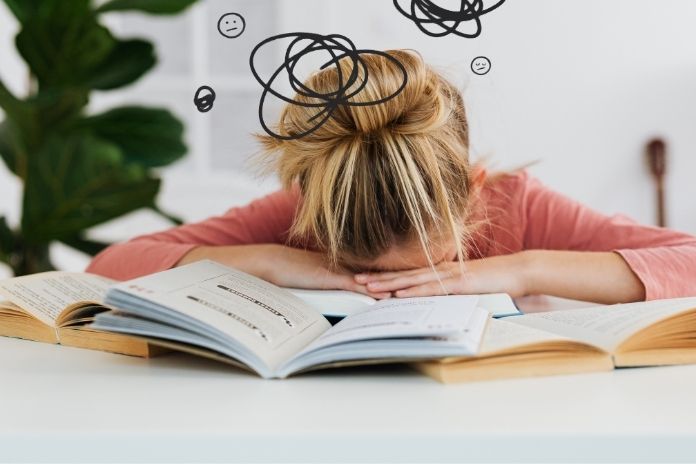
Understanding why I am so tired during my period starts with looking at four overlapping systems: hormones, blood and iron, sleep, and inflammation. Each plays a role, and most people experiencing fatigue during the menstrual cycle deal with multiple drivers at the same time.
Hormonal Fluctuations
Estrogen and progesterone both drop in the days leading up to menstruation. That drop changes neurotransmitter activity, especially serotonin. Dr. Anita Sadaty, a board-certified OB-GYN and founder of Redefining Health Medical in Roslyn, New York, explains the effect plainly: “These ‘feel-good’ hormones can also cause a drop in serotonin, which is thought to play a role in mood and energy levels,” she said.
The result is a stretch of days when sleep feels less restorative, motivation runs thin, and even small tasks feel demanding.
Progesterone in the luteal phase has a sedating effect, which is one reason daytime drowsiness ramps up before bleeding begins. When estrogen and progesterone fall sharply at the start of your period, that sedative effect ends abruptly, and the nervous system has to recalibrate.
Blood Loss and Iron Levels
Every period removes iron from the body through menstrual blood. Over months and years, that loss can outpace what diet replaces. A comprehensive review published in JAMA reported that in high-income countries, approximately 38% of nonpregnant, reproductive-age women have iron deficiency without anemia, and about 13% have iron-deficiency anemia, with symptoms ranging from fatigue and irritability to difficulty concentrating and exercise intolerance.
Dr. Heather Bartos, an OB-GYN, sexual health expert, and member of HealthyWomen’s Women’s Health Advisory Council, frames the issue this way: “Prolonged and heavy periods can [reduce] our iron stores (and cause anemia), which can then cause fatigue, depression, and a host of other chronic illnesses.”
The pattern is gradual, which is why many women adapt to lower and lower energy without realizing how far things have shifted. Heavy period fatigue is often a slow-build problem that hides in plain sight.
Read More: Is Your Cycle Draining You? How to End the Cycle of Menstrual-Related Anemia
Poor Sleep Quality
Sleep often fragments during the late luteal phase and the first nights of a period. A comprehensive review in Cureus examining the menstrual cycle’s influence on sleep duration found that fluctuations in estrogen and progesterone alter the proportions and characteristics of sleep stages, ultimately affecting overall sleep quality.
Cramps, hot flashes, and trips to the bathroom all interrupt rest. The drop in deep, restorative sleep means you wake feeling more tired even after a full night in bed.
Prostaglandins and Inflammation
Prostaglandins are lipid compounds that the uterine lining produces to trigger contractions and shed tissue. Higher levels mean stronger cramps and more systemic inflammation.
Dr. Mary Rosser, an OB-GYN with NewYork-Presbyterian and Columbia, told NewYork-Presbyterian’s Health Matters that “during menstruation, the body produces hormone-like compounds called prostaglandins in the uterine lining, and the more prostaglandins, the greater the inflammation and cramp severity.” Inflammation taxes the body, and that tax shows up as fatigue, brain fog, and a general sense of feeling unwell.
Read More: Why Your Period Flow Suddenly Changes, and When to See a Doctor
PMS and PMDD
Premenstrual syndrome affects between 20 and 32 percent of premenopausal women, while the more severe premenstrual dysphoric disorder affects 3 to 8 percent, according to a review in American Family Physician.
Fatigue, irritability, low motivation, and mood changes are core features of both. When emotional symptoms layer on top of physical ones, the whole cycle becomes heavier. PMS fatigue symptoms can begin up to two weeks before bleeding starts and rarely improve until estrogen levels begin climbing again in the follicular phase.
Signs Your Period Fatigue Might Be Linked to Something Else
Sometimes low energy during menstruation points beyond the cycle itself. Knowing the warning signs helps you decide when to seek care.
Watch for pale skin, brittle nails, shortness of breath on stairs, dizziness when standing, a rapid heartbeat at rest, unusual cravings for ice, or hair shedding. These can develop slowly, so changes are easier to spot in retrospect than in real time. Pale conjunctiva, the inner rim of the lower eyelid, is another visible clue worth checking in the mirror.
Soaking through a pad or tampon every hour, needing double protection, waking at night to change products, passing clots larger than a quarter, or bleeding for more than seven days suggest menorrhagia.
Dr. Elizabeth Zadzielski, an OB-GYN with Banner University Medicine, explained the link in a Banner Health article: “If your periods are heavy or last longer than usual, you might lose more blood than your body can easily replace,” she said. Over time, this gradual loss is one of the leading causes of iron-deficiency anemia in women. Fibroids, polyps, hormonal imbalances, and thyroid disease can all underlie heavy flow.
If exhaustion never lifts, even between periods, the cause may sit outside the reproductive system. Thyroid disorders, depression, sleep apnea, autoimmune conditions, and chronic infections all produce fatigue. Weight changes, temperature sensitivity, hair loss, or persistent low mood are clues worth raising with your doctor.
How to Boost Energy During Your Period
The good news is that most period fatigue responds to consistent, simple changes. Below is a quick comparison of effective period tiredness remedies and what each addresses.
Cycle Support
Menstrual Cycle Care Strategies
| Strategy | What It Targets | Best Timing |
|---|---|---|
| 🥩 Iron-rich meals with vitamin C | Iron stores and oxygen delivery | Throughout the month, with extra focus around your period |
| 💧 Hydration | Headaches, fatigue, and circulation | Daily, especially on heavy-flow days |
| 🥗 Balanced meals (protein, complex carbs, healthy fats) | Blood sugar stability and sustained energy | Every 3–4 hours |
| 🧘♀️ Gentle movement | Circulation, mood, and prostaglandin response | Daily, with lighter activity on the heaviest days |
| 🛌 Sleep hygiene | Restorative sleep and recovery | Every night, especially before and during your period |
| 🔥 Heat therapy | Cramp relief and sleep quality | As needed during painful days |
The strategies below explain how to put these into practice and provide a practical answer for boosting energy during period days.
Prioritize Iron-Rich Foods
Build meals around iron sources: lentils, beans, spinach, chickpeas, fortified cereals, lean red meat, poultry, and seafood. Heme iron from animal foods absorbs more readily than non-heme iron from plants. Pair plant sources with vitamin C, think bell peppers, citrus, strawberries, or tomatoes, to boost absorption.
Keep coffee and tea away from iron-rich meals by at least an hour, since tannins block uptake. Calcium also competes with iron absorption, so dairy and iron-rich meals are best separated.
Read More: How to Add More Iron to Your Diet Naturally (Without Overdoing It)
Stay Hydrated
Dehydration thickens blood, worsens headaches, and intensifies the foggy, drained feeling that often comes with periods. Aim for steady water intake across the day, and add electrolytes if you sweat heavily or have a particularly heavy flow. Herbal teas count toward fluid intake and can offer added benefits: ginger for nausea, peppermint for digestion, and chamomile for evening wind-down.
Eat Balanced, Regular Meals
Skipping meals leads to blood sugar crashes that feel exactly like period fatigue. Anchor each meal with protein, complex carbohydrates, and a source of healthy fat. Eat every three to four hours. This keeps glucose steady and prevents the mid-afternoon collapse so many people blame on hormones alone. A handful of nuts, a hard-boiled egg, or hummus with vegetables makes a solid bridge snack.
Gentle Movement Can Help
Movement might be the last thing you want, but the evidence is strong. A systematic review and meta-analysis in BMC Women’s Health found that exercise interventions significantly reduced negative affect, pain, and fatigue in women with premenstrual syndrome. Walking, gentle yoga, swimming, and stretching all qualify. You do not need a workout, just consistent, easy movement. Twenty minutes of walking is often more restorative than another hour on the couch.
Improve Sleep Quality
Keep a consistent bedtime, dim screens an hour before sleep, cool the room a few degrees, and treat pain proactively before lying down. If cramps wake you, an over-the-counter NSAID taken at the first sign of discomfort can prevent the prostaglandin cascade from escalating. A magnesium-rich snack in the evening, a small portion of pumpkin seeds or dark chocolate, can support muscle relaxation and easier sleep.
Consider Heat Therapy for Cramps
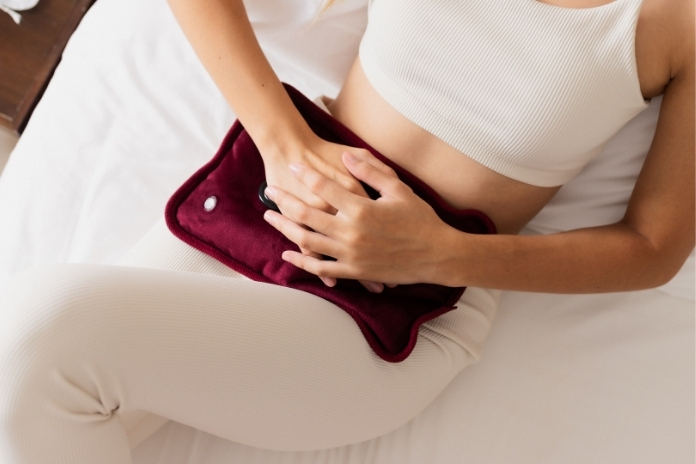
A heating pad on the lower abdomen or back relaxes uterine muscles and improves blood flow. Better cramp control during the day often translates to better sleep at night, which translates to more energy the following day. A warm bath with Epsom salts before bed serves the same purpose with the added benefit of helping you wind down.
Read More: 14 Remedial Benefits For Lower Back Pain That Provide Promising Results
Do Supplements Help With Period Fatigue?
Supplements are not a substitute for a balanced diet, but in specific cases, they can fill real gaps. If blood work confirms iron deficiency, oral iron supplementation can restore energy over weeks to months.
A study in Women’s Health Reports followed women with iron-deficiency anemia for 8 weeks of ferrous sulfate therapy and found measurable improvements in cognitive performance, fatigue, and quality of life. Never start iron supplementation without testing, as excess iron can damage the liver and other organs. Common forms include ferrous sulfate, ferrous gluconate, and gentler bisglycinate formulations for those with sensitive stomachs.
Magnesium may ease cramps and improve sleep in some women, and B vitamins support energy metabolism. Evidence is mixed, and effects vary by individual. Speak with a clinician before adding either if you take other medications. Magnesium glycinate tends to be gentler on the gut than oxide forms, while a B-complex covers the full range of energy-supporting vitamins in one dose.
A small morning coffee can lift focus. The problem starts when caffeine builds up in the afternoon, disrupts sleep, or replaces actual rest. If you rely on caffeine to function through your period, treat that as a signal worth investigating.
When to See a Doctor About Period Fatigue
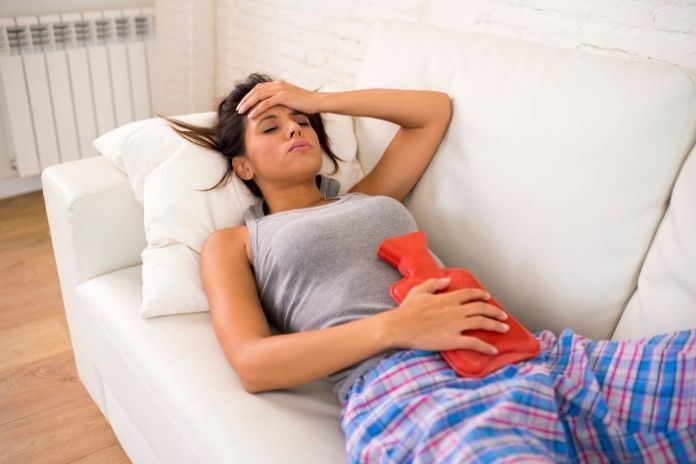
Self-care fixes a lot. It does not fix everything.
If rest, food, hydration, and movement no longer make a dent, get a complete blood count, ferritin, and thyroid panel. These tests are inexpensive and quickly rule in or out the most common medical causes. Ferritin specifically reflects iron stores and often drops before hemoglobin, so it detects deficiency earlier.
Anemia and period fatigue often go together, so any of the symptoms in the iron deficiency section above should prompt a visit. Heavy bleeding has multiple causes, from fibroids to thyroid disease to bleeding disorders, and the workup is straightforward.
If mood symptoms in the week before your period interfere with work, relationships, or safety, ask about PMDD. Treatment options, from SSRIs to hormonal regulation, can significantly improve quality of life.
Cycle-linked fatigue lifts after a few days. Constant exhaustion does not, and it points away from menstrual causes toward sleep disorders, autoimmune disease, mental health, or other conditions worth investigating.
Simple Daily Routine for More Energy During Your Period
Practical structure beats willpower. Here is a sample day designed to support energy on the heaviest days of your cycle.
- Morning: Begin with a glass of water before coffee. Eat a breakfast that includes protein and complex carbohydrates, eggs with whole-grain toast and spinach, or Greek yogurt with berries and oats. Add five to ten minutes of light movement, whether stretching, a walk around the block, or gentle yoga.
- Midday: Hydrate steadily through the morning. At lunch, include an iron-rich main, such as a lentil bowl with bell peppers, a spinach salad with grilled chicken, or a black bean tostada with tomato salsa. Pair it with vitamin C-rich produce. Skip the post-meal coffee if you can; tea and coffee block iron absorption.
- Evening: Eat dinner at least two to three hours before bed. Wind down with a hot shower, gentle stretching, or a heating pad if cramps appear. Keep the bedroom cool and dark. Aim to be in bed earlier than usual on the first two nights of your period.
Conclusion
Tired during period is one of those experiences that gets normalized so completely that women stop questioning it. The fatigue is real, but rarely random. Hormonal shifts explain part of it. Iron loss, sleep disruption, prostaglandin-driven inflammation, and PMS symptoms explain the rest.
Most of period fatigue responds to changes you can start today: iron-rich meals paired with vitamin C, steady hydration, balanced eating across the day, gentle movement, and protected sleep. None of these is dramatic. Together they work.
The line worth holding is this. If your fatigue is mild and predictable, lifestyle changes are usually enough. If it is severe, lasts beyond your period, comes with heavy bleeding, or pairs with dizziness, pale skin, or breathlessness, ask for a workup. You deserve answers, not adaptation, and knowing the cause of your period fatigue is the difference between managing a normal cycle and missing something treatable.
References
- American College of Obstetricians and Gynecologists. (n.d.). Dysmenorrhea: Painful periods.
- Biggs, W. S., & Demuth, R. H. (2011). Premenstrual syndrome and premenstrual dysphoric disorder. American Family Physician, 84(8), 918–924.
- Fernandez-Jimenez, M. C., Moreno, G., Wright, I., Shih, P.-C., Vaquero, M. P., & Remacha, A. F. (2020). Iron deficiency in menstruating adult women: Much more than anemia. Women’s Health Reports, 1(1), 26–35.
- Office on Women’s Health. (n.d.). Iron-deficiency anemia. U.S. Department of Health and Human Services.
- Pasricha, S.-R., Tye-Din, J., Muckenthaler, M. U., & Swinkels, D. W. (2025). Iron deficiency in adults: A review. JAMA.
- Sharma, A. K., Sinha, S., & Bhalla, A. (2023). The menstrual cycle’s influence on sleep duration and cardiovascular health: A comprehensive review. Cureus.
- Wang, Y., Chen, J., & Liu, X. (2025). A systematic review of exercise interventions on negative affect, pain, and fatigue in women with premenstrual syndrome. BMC Women’s Health.
In this Article