



















Hair extensions have quietly become a multibillion-dollar staple in American beauty routines, worn for weeks at a time and rarely thought of as a chemistry experiment sitting against the scalp. That assumption is being tested.
A wave of new research, including a major February 2026 analysis, has raised concerns about cancer chemicals in hair extensions and what daily wear might mean for long-term health. The findings are notable but unfinished. They identify what is in the fiber, not yet how much enters the body or what cumulative wear does over decades.
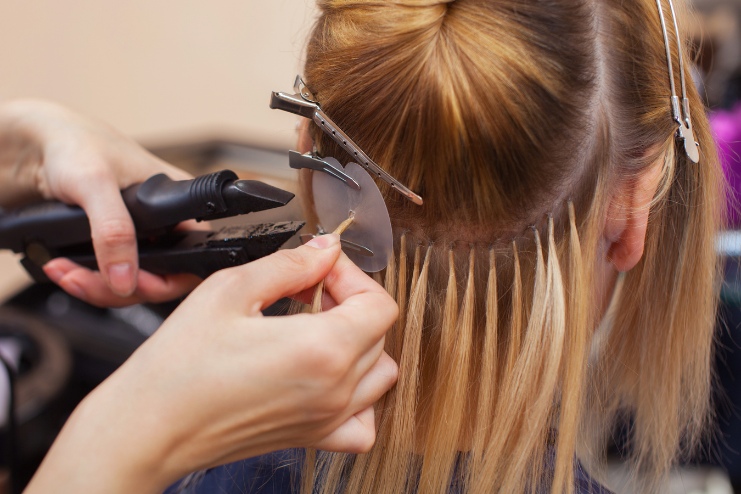
The concern is growing partly because extensions are no longer occasional-use beauty products for many consumers. Braids, wigs, sew-ins, and bonded extensions are often worn continuously for weeks or months at a time, creating repeated and prolonged exposure.
Still, scientists caution that detecting chemicals in a product is not the same as proving real-world harm. This article looks at what the science actually shows, which compounds are drawing scrutiny, who faces the highest exposure, and how to weigh the risk in daily life.
- A 2026 Silent Spring Institute study detected hazardous compounds in 91% of tested hair extensions, raising fresh concern.
- Chemicals identified include suspected carcinogens, phthalates, organotins, and PFAS linked to hormone disruption.
- Scalp absorption and inhaled fumes during heat styling are the two main exposure routes flagged by researchers.
- Findings highlight risk patterns, not confirmed causation, leaving room for cautious choices rather than alarm.
Read More: How to Tell If Your Hair Is Healthy: Signs to Look For
What Did Recent Studies Find in Hair Extensions?
The most comprehensive analysis to date comes from Silent Spring Institute, published in Environment & Health in early 2026. Researchers screened 44 popular extension products purchased online and from beauty supply stores. They used a method called non-targeted analysis, which can pick up both known and previously unidentified chemicals.
The results were striking. Hazardous substances were detected in 42 of 44 samples. The team flagged flame retardants, phthalates, pesticides, styrene, tetrachloroethane, and organotins. Notably, 17 compounds linked to breast cancer were found across 36 samples.
Dr. Elissia Franklin, PhD, the analytical chemist and research scientist who led the work, told reporters her team detected close to 900 chemicals in their analysis, many never previously identified in hair products. Researchers say findings like these matter because extension fibers are not chemically simple materials.
Synthetic hair is often manufactured using petroleum-derived plastics that are treated with dyes, coatings, plasticizers, and flame-retardant compounds to improve texture, durability, and heat resistance. Human hair extensions undergo heavy processing too, including bleaching, dyeing, disinfecting, and silicone coating to create a uniform appearance.
That manufacturing process may partly explain why researchers detected such a broad chemical mix. Some compounds are intentionally added during production, while others may form as byproducts during processing, storage, or heat treatment. Scientists also suspect contamination can occur through packaging materials or recycled plastics used in synthetic fibers.
A 2025 Consumer Reports investigation of synthetic braiding hair found cancer-linked chemicals in all 10 products tested, with nine exceeding California’s lead safety threshold. Together, the studies suggest the issue may extend beyond isolated brands and reflect broader gaps in oversight and ingredient transparency across the hair extension industry.
Which Chemicals Are Raising Health Concerns?
The compounds identified fall into several distinct classes, each with its own toxicity profile. Several flagged chemicals appear on California’s Proposition 65 list of substances known to cause cancer or reproductive harm. Among them are dibutyl phthalate, naphthalene, and styrene.
Benzyl chloride, a probable human carcinogen used in plasticizer production, was detected in both synthetic and human hair samples. A 2023 review in The Lancet Regional Health–Americas also documented acrylonitrile and vinyl chloride in modacrylic synthetic braiding fibers, both classified as known or probable human carcinogens.
Hormone (Endocrine) Disruptors
Phthalates and organotins emerged as central findings. Phthalates are widely studied endocrine disruptors that can interfere with estrogen and androgen pathways. A 2025 review in Reproductive Toxicology found phthalate mixture exposures linked to impaired ovarian function, uterine effects, and adverse pregnancy outcomes in women.
Organotin compounds were the bigger surprise. Nearly 10% of samples contained them, with four products exceeding European Union safety thresholds. Historically used as anti-fouling agents on ship hulls, organotins are recognized as endocrine disruptors and immunotoxicants.
Forever Chemicals and Other Persistent Toxins
Researchers also reported traces of fluorine, organohalogens, and nitroaromatics. PFAS, the so-called “forever chemicals,” are a growing concern because they accumulate in human tissue and persist in the environment for decades. They’ve been associated with immune effects, reduced vaccine response, and reproductive impacts in published epidemiological work.
How Exposure Happens With Hair Extensions
The exposure pathway matters as much as the chemicals themselves. Extensions sit directly on the scalp, neck, and shoulders, often for weeks. The Silent Spring team also ran leaching experiments, soaking extensions in warm water and a mild acid solution similar to an apple cider vinegar rinse.
Measurable tin migrated into the water, suggesting some compounds can transfer to skin under normal washing or styling conditions. Heat styling adds another route. Curling irons, flat irons, blow dryers, and hot water treatments can volatilize chemicals from synthetic fibers, producing fumes that wearers and stylists inhale.
Researchers are especially interested in what happens during repeated heating because some compounds become more chemically active at high temperatures. The installation method may matter too. Tight braids, sew-ins, and glue-based bonds can create small amounts of irritation or inflammation around the scalp and hairline, potentially increasing skin sensitivity over time.
Adhesives used in tape-ins or bonded extensions may also introduce additional solvents and resins beyond the fibers themselves. Environmental conditions could further shape exposure. Sweat, friction, ultraviolet light, and long wear periods may gradually break down synthetic fibers, especially in extensions worn continuously for weeks.
Scientists are now studying whether that degradation releases microscopic particles or increases chemical shedding over time. The cumulative pattern, daily scalp contact combined with repeated heat exposure across many installations, is what researchers find most worth investigating because it mirrors the kind of long-term, low-dose exposure patterns often studied in environmental health research.
What Health Risks Are Being Investigated?
Three broad categories are under active study. Cancer risk is the most discussed, particularly hormone-driven cancers like breast and uterine cancer. Hormonal effects are the second, with concerns about menstrual irregularities, fibroid development, and early puberty.
The third category involves skin and scalp reactions: contact dermatitis, irritation around the hairline, and occasional allergic responses to adhesives or dyes. Important caveat: detection does not equal causation. The current evidence shows what’s present in products, not a measured dose-response curve in humans.
Why Certain Groups May Be More Affected
The exposure burden isn’t evenly distributed. Black women wear extensions at roughly seven times the rate of White women in the United States, and braided styles often remain in place for six to eight weeks. This pattern overlaps with longstanding disparities in personal care product chemical exposure documented by the Environmental Working Group.
A large NIH-funded Sister Study following more than 33,000 women previously found that frequent chemical hair straightener use was associated with more than double the risk of uterine cancer compared with non-users. While that study examined relaxers rather than extensions, it underscores why researchers treat hair product chemistry as a health equity issue, not just a beauty one.
Limitations of Current Research
Honest interpretation requires naming the gaps. Many of the 900-plus chemicals Franklin’s team detected remain unidentified, meaning their individual toxicities are unknown. No long-term human studies have measured biological absorption from extensions specifically.
The studies confirm the presence, not exceeding legal thresholds, in finished products as worn. Researchers still do not know how much of these chemicals is actually absorbed through the scalp or inhaled during years of routine wear.
Teasing apart extensions from concurrent use of relaxers, dyes, sprays, and adhesives is also methodologically difficult. Many users are exposed to multiple hair products simultaneously, making it challenging to isolate one source in long-term health studies.
Another limitation is that most current research analyzes products in laboratory settings rather than following real-world users over time. Factors like heat styling frequency, sweating, scalp irritation, installation technique, and duration of wear could all influence exposure levels in ways scientists still do not fully understand.
Cancer risk itself is also multifactorial. Hormone-related cancers are shaped by genetics, reproductive history, environmental exposures, lifestyle factors, and access to healthcare. That complexity makes it difficult to directly attribute disease risk to extensions alone, even when potentially hazardous compounds are detected inside the products.
Chemical Safety Overview
Common Hazardous Chemical Classes
| Chemical Class | Examples Detected | Primary Concern |
|---|---|---|
| 🧪 Phthalates | Dibutyl phthalate, DEHP | Endocrine disruption, breast cancer link |
| ⚗️ Organotins | Dibutyltin compounds | Hormone and immune effects |
| ☠️ Carcinogens | Styrene, naphthalene, benzyl chloride | Cancer risk |
| 🔥 Flame Retardants | Brominated compounds | Hormone disruption, developmental effects |
| ♾️ Forever Chemicals | PFAS, fluorinated compounds | Persistence, immune effects |
Taken together, the table reflects the breadth of contamination rather than confirmed harm at any specific dose. More targeted research is needed before regulators can set evidence-based limits.
Are All Hair Extensions Unsafe?
No. Two of the 43 products in Franklin’s analysis contained no hazard-listed chemicals, both marketed as nontoxic. But other products with similar marketing failed testing, including banana-fiber extensions advertised as phthalate-free that contained phthalates anyway.
The takeaway is that labeling claims aren’t reliably verified, and ingredient disclosure isn’t required by federal law for hair extensions.
Why Ingredient Transparency Remains a Major Problem
One of the biggest concerns surrounding hair extensions is that consumers often have no clear way to know what they are buying. Unlike skincare or packaged foods, hair extensions are not required to carry detailed ingredient disclosures listing dyes, coatings, plasticizers, flame retardants, or processing chemicals used during manufacturing.
That lack of transparency makes independent testing especially important. In the 2026 Silent Spring analysis, even some products marketed as “nontoxic” or “phthalate-free” still contained concerning compounds. Researchers say this highlights a broader issue across the beauty industry: marketing claims are not always backed by standardized testing or third-party verification.
The challenge becomes even more complicated because many extensions are worn continuously for weeks at a time while exposed to heat, sweat, friction, and styling products. Scientists still do not know exactly how those real-world conditions affect long-term chemical exposure, but the findings have raised questions about whether current oversight adequately reflects how these products are actually used.
Practical Ways to Reduce Potential Risk
- Limit Duration and Frequency of Use: Shorter wear cycles reduce cumulative scalp contact. Taking breaks between installations gives the scalp recovery time and lowers total exposure.
- Choose Products With Transparent Labeling: Look for brands that publish full ingredient lists or third-party safety testing. Two of the products tested clean in Silent Spring’s analysis, including one American brand specifically marketed as nontoxic.
- Minimize Heat Styling: Avoid flame-sealing extension ends and reduce use of flat irons and curling wands on synthetic fibers. Heat is a known driver of chemical off-gassing.
- Maintain Scalp Health: Wash regularly to remove residue, and monitor for itching, burning, scaling, or thinning at the hairline.
Read More: Flaxseed Gel for Hair: Benefits, How to Make It, and How to Use It
Key Takeaway: Emerging Evidence, Not Final Answers
The body of research on cancer chemicals in hair extensions is growing fast, but still incomplete. What we know now is that the majority of products on the U.S. market contain at least one hazard-listed chemical, and that exposure pathways through skin contact and inhalation are biologically plausible.
What we don’t yet know is the actual absorbed dose per wearer or the lifetime risk attributable specifically to extensions. That uncertainty cuts both ways. It means current findings shouldn’t trigger panic, but it also means the assumption that extensions are inert and harmless no longer holds
Informed choice, ingredient transparency where available, and reasonable limits on wear time are practical responses while the science matures. Anyone with concerns about chemical exposure from hair products should bring them up at their next medical visit, particularly women with a family history of breast or uterine cancer or symptoms of hormonal imbalance. Awareness, not avoidance, is the productive frame right now.
Frequently Asked Questions
1. Are hair extensions toxic to wear daily?
Recent testing shows that most extensions contain chemicals associated with cancer or hormone disruption, but whether daily wear produces meaningful absorption in humans is still being studied. Limiting wear time and avoiding heavy heat styling are reasonable precautions.
2. Which chemicals in hair extensions are linked to cancer?
Researchers have identified styrene, naphthalene, benzyl chloride, certain phthalates like dibutyl phthalate and DEHP, acrylonitrile, and vinyl chloride. All appear on regulatory hazard lists for cancer or reproductive harm.
3. Can hair extensions cause breast cancer?
No study has demonstrated direct causation. However, 17 compounds detected in tested extensions are linked to breast cancer in laboratory and epidemiological research, which is why scientists are pushing for more targeted investigation.
4. Are human hair extensions safer than synthetic ones?
Not necessarily. The 2026 Silent Spring analysis found hazardous chemicals in both synthetic and human hair products, since human hair is often dyed, treated, and coated during processing.
5. How can I find safer hair extensions?
Look for brands that disclose full ingredients and publish third-party testing results. Two products in the Silent Spring study tested free of hazard-listed chemicals, both marketed as nontoxic, though similar claims on other products didn’t hold up.
References
- Franklin, E. T., Favela, K., Spies, R., Ranger, J. M., & Rudel, R. A. (2026). Identifying chemicals of health concern in hair extensions using suspect screening and non-targeted analysis. Environment & Health.
- Chang, C. J., O’Brien, K. M., Keil, A. P., et al. (2022). Use of straighteners and other hair products and incident uterine cancer. JNCI: Journal of the National Cancer Institute, 114(12), 1636–1645.
- Thomas, C. G. (2023). Carcinogenic materials in synthetic braids: An unrecognized risk of hair products for Black women. The Lancet Regional Health–Americas.
- Eatman, J. A., Dunlop, A. L., Barr, D. B., Corwin, E. J., & Hill, C. C. (2024). Exposure to phthalate metabolites, bisphenol A, and psychosocial stress mixtures and pregnancy outcomes. Environmental Research.
- Silent Spring Institute. (2026, February 11). Hair extensions contain many more dangerous chemicals than previously thought.
- Environmental Working Group. (2026, February 20). Scalp exposure: New study finds harmful chemicals in almost all hair extensions.
In this Article