




















Learning how to read nutrition labels is one of the most practical steps you can take for your heart health.
Labels reveal what is actually inside a package, helping you limit your intake of sodium, saturated fat, added sugars, and cholesterol, which can quietly damage your cardiovascular health over time. The information can look dense at first, but once you know what to focus on, reading nutrition labels for heart health becomes second nature.
This guide walks through the key sections of the FDA Nutrition Facts label, from serving sizes and sodium to fats, sugars, fiber, and ingredient lists. You will also learn how to spot misleading marketing claims and make smarter choices when heart-healthy grocery shopping.
- Serving size determines all nutrient values and can mislead if ignored.
- Limit sodium, saturated fat, and added sugars to protect heart health.
- Prioritize high-fiber, whole-grain foods and simple ingredient lists for better long-term nutrition.
Read More: Decoding Food Labels: Understanding Nutritional Information for Smarter Eating
Why Nutrition Labels Matter for Heart Health
What you eat directly affects your blood pressure, cholesterol, and overall cardiovascular health risk.
Yet many foods that look healthy, including granola bars, flavored yogurts, and plant-based snacks, can be loaded with sodium, added sugars, or unhealthy fats. Marketing language on the front of a package (“natural,” “wholesome,” “reduced fat”) tells you almost nothing useful.
The FDA Nutrition Facts label cuts through that noise. It lists actual nutrient amounts per serving, which lets you compare products side by side and make choices that support your heart rather than harm it. Understanding food labels is one of the simplest tools available for building healthier eating habits over time.
Key information on every label includes:
- Ingredients
- Calories per serving
- Nutrient amounts and percent daily values (%DV)
Start With the Serving Size
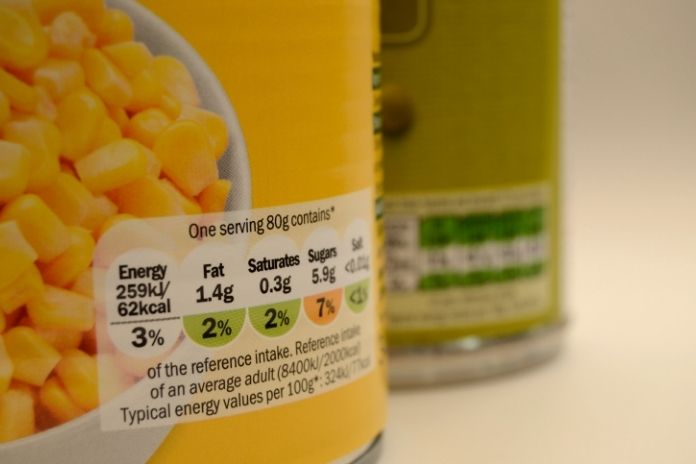
Every number on the label, including calories, sodium, fat, and sugar, is calculated per serving, not per package. If you eat two servings, you are getting double everything listed.
The serving size section shows both the measured portion (in cups, pieces, or grams) and the number of servings in the container. Serving sizes are standardized by the FDA so you can compare similar products accurately.
Two common mistakes to watch for:
- Eating multiple servings without realizing it.A bag of chips labeled “3 servings” means those 220 mg of sodium multiply to 660 mg if you eat the whole bag.
- Comparing products with different serving sizes.A 28g serving of one cracker versus a 15g serving of another makes a direct sodium comparison meaningless unless you account for the difference.
Calories on the label reflect energy per serving. The FDA uses 2,000 calories as a daily reference point for %DV calculations.
Most Americans need more dietary fiber, potassium, calcium, vitamin D, and iron. Most also need less sodium, saturated fat, and added sugars.
Check Sodium Levels First
Over 70% of the sodium Americans consume comes from packaged and prepared foods, not from the salt shaker. The average American takes in around 3,400 mg of sodium per day, well above the recommended daily limit of 2,300 mg set by the Dietary Guidelines for Americans. A high-sodium diet raises blood pressure, which is a leading risk factor for heart disease and stroke.
When reading a label, use these FDA benchmarks:
- 5% DV or less= low sodium
- 20% DV or more= high sodium
Some of the biggest sources of hidden sodium in the American diet include canned soups, bread, frozen meals, salad dressings, and packaged sauces. These foods do not always taste salty, which makes checking the label even more important.
A practical tip: when two similar products are on the shelf, check the sodium %DV on each. Even small differences add up over a full day of eating.
Read More: Is Premier Protein Good for You? Nutrition, Ingredients, Benefits, and Concerns
Understand Fats on the Nutrition Label
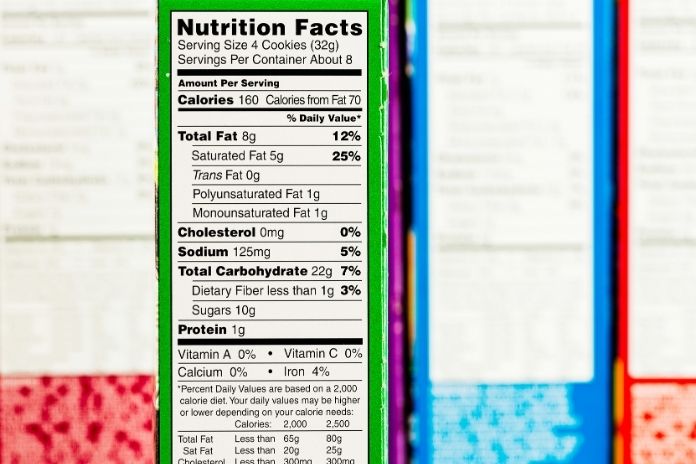
Fat serves important functions: it provides energy and helps the body absorb vitamins A, D, E, and K. But the type of fat matters for heart health.
Saturated fat is found mainly in animal products such as red meat, butter, and full-fat dairy. The Dietary Guidelines for Americans recommend keeping saturated fat below 10% of daily calories, or under 22 grams on a 2,000-calorie diet.
Trans fat is the most harmful to cardiovascular health. Most trans fats come from partially hydrogenated oils used in processed foods. Even if a label says “0 g trans fat,” a product can legally contain up to 0.5 grams per serving. Check the ingredient list for “partially hydrogenated oils” to catch hidden trans fats.
Unsaturated fats support heart health. Good sources include:
- Nuts and seeds
- Olive oil
- Avocados
Cholesterol intake also appears on the FDA Nutrition Facts label. The daily value is 300 mg. People with existing heart disease or high LDL cholesterol may want to pay closer attention to this number; for others, the type of fat consumed generally has a larger effect on blood cholesterol than dietary cholesterol alone.
Look Closely at Added Sugars
Too much added sugar raises triglyceride levels, lowers HDL (“good”) cholesterol, and contributes to weight gain and insulin resistance, all of which increase cardiovascular disease risk.
The label distinguishes between total sugars and added sugars:
- Total sugars include both naturally occurring sugars (from fruit, milk, etc.) and those added during processing.
- Added sugars are the ones to limit: table sugar, corn syrup, honey, dextrose, and similar sweeteners added during manufacturing.
When a label says “Includes X g Added Sugars,” that amount is counted within the total sugars figure. The Dietary Guidelines recommend keeping added sugars under 10% of daily calories, or about 50 grams on a 2,000-calorie diet.
Packaged foods that often contain surprising amounts of added sugar include breakfast cereals, flavored yogurt, granola bars, bottled sauces, and sweetened drinks. Always check the added sugars line, not just total sugars, when comparing products.
Fiber and Whole Grains: What to Look For
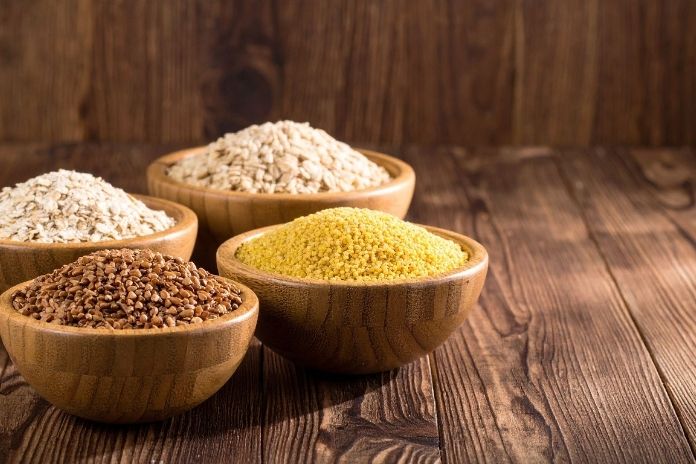
Diets that provide 25 to 29 grams of dietary fiber per day may reduce the risk of heart disease and stroke by as much as 30%, according to research. Soluble fiber, found in oats, beans, and fruit, helps lower LDL cholesterol. Insoluble fiber, found in whole grains and vegetables, supports digestion and a healthy weight.
When reading nutrition labels for heart health, look for foods with at least 3 grams of dietary fiber per serving. Good packaged sources include:
- Oats and oatmeal
- Canned or dried beans
- Whole-grain breads and cereals
- High-fiber breakfast cereals
On the ingredient list, “whole grain” or “whole wheat” should appear as the first ingredient. “Multigrain” simply means the product uses more than one type of grain and is not necessarily a whole-grain food.
Read More: How to Read Protein Powder Labels (What Actually Matters)
Understanding Percent Daily Value (%DV)
The %DV on the FDA Nutrition Facts label tells you how much of a nutrient one serving contributes to a standard 2,000-calorie daily diet. You do not need to do any math: the label does it for you.
A simple guide:
- 5% DV or less= low in that nutrient
- 20% DV or more= high in that nutrient
For heart health, aim for:
- Higher %DV: dietary fiber, potassium, calcium, iron, vitamin D
- Lower %DV: sodium, saturated fat, added sugars
The %DV column also makes it easy to compare two products quickly. If Cereal A has 15% DV for sodium and Cereal B has 6% DV, you can make an informed choice without calculating milligrams.
Don’t Ignore the Ingredient List
The ingredient list tells you how processed a food really is, something the nutrition panel alone cannot show. Ingredients are listed by weight from most to least, so the first few items dominate the product.
Signs of a highly processed food:
- Multiple sweeteners listed (corn syrup, cane sugar, maltose, dextrose)
- Artificial additives and preservatives
- “Partially hydrogenated oils” (hidden trans fats)
- Several different sodium sources (sodium phosphate, sodium nitrate, etc.)
Shorter ingredient lists are often, but not always, better. The priority is that ingredients are recognizable whole foods. A bread with five ingredients you can name is a better choice than one with fifteen you cannot.
Heart-Healthy Label Reading Tips for Common Foods
Smart label reading helps you build better habits across your entire grocery cart.
Bread and Cereals: Choose products with whole grain as the first ingredient and at least 3 g of fiber per serving. Avoid options with added sugar near the top of the ingredient list.
Dairy and Yogurt: Look for options with moderate fat and little to no added sugar. Flavored yogurts in particular can contain as much added sugar as a dessert.
Frozen Meals: Sodium is the main concern. Many single-serving frozen meals contain 700 to 1,100 mg of sodium, nearly half the daily limit in one meal.
Snacks and Crackers: Choose low-sodium options and those made with healthy fats. Check for partially hydrogenated oils in the ingredient list.
Plant-Based Packaged Foods: Plant-based does not automatically mean heart-healthy. Many plant-based meat alternatives are high in both sodium and added ingredients. Always practice reading nutrition labels for heart health, regardless of how a product is marketed.
Read More: Should You Choose Low-Fat or Full-Fat Yogurt? What Nutrition Science Says
Common Nutrition Label Claims Explained
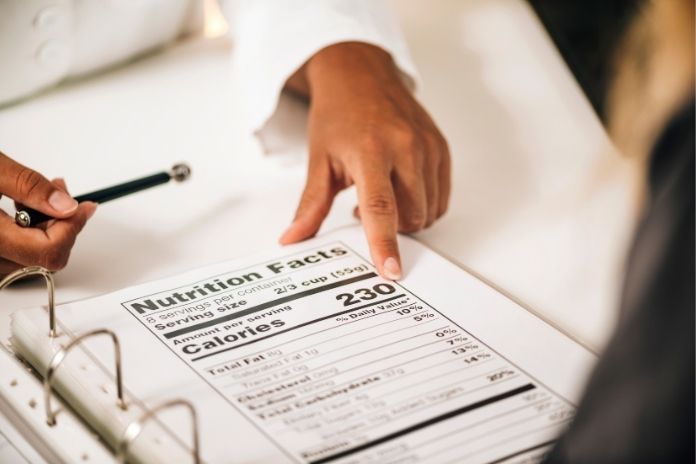
Front-of-package claims are marketing tools, not health guarantees. Here is what they actually mean:
Low Fat: Fat is reduced, but sugar content may still be high. Many low-fat products add sugar to compensate for lost flavor.
Reduced Sodium: Contains at least 25% less sodium than the original product, but may still be high in sodium overall.
No Added Sugar: No sugar was added during processing, but the food may still contain significant natural sugars.
Organic: Meets USDA organic production standards. Does not mean the food is low in sodium, fat, or sugar.
Natural: This term is not regulated by the FDA for most foods and tells you almost nothing about nutritional quality.
When Nutrition Labels May Not Tell the Full Story
The FDA Nutrition Facts label is a powerful tool, but it has real limitations.
Nutrient values are calculated from USDA database averages, not from testing the specific food in your hand. Actual nutrient content can vary by growing conditions, processing methods, and storage.
Beyond that, the label only covers packaged foods. A large share of American eating happens away from home, at restaurants, takeout counters, and food trucks, where no Nutrition Facts label exists. Chain restaurants with 20 or more locations are required to post calorie counts, but full sodium, fat, and sugar data is often only available on request or online.
People managing specific conditions, including hypertension, type 2 diabetes, or chronic kidney disease, may need tighter limits than the standard label guidelines suggest.
For example, some cardiology guidelines recommend limiting sodium to 1,500 mg per day for people with high blood pressure, which is significantly lower than the 2,300 mg daily value shown on the label. If you have a diagnosed condition, working with a registered dietitian or your physician to set personalized targets is worth the time.
The label is also built around a 2,000-calorie daily diet, which does not reflect everyone’s actual needs. Portion sizes listed may not reflect how much most people actually eat in one sitting. Use the label as a comparison and awareness tool, not as an absolute prescription.
Read More: Top 85 Nutrition Quotes that Motivate You to Eat Healthy
Conclusion
Reading nutrition labels for heart health does not require a nutrition degree. By focusing on a handful of key numbers, including sodium, saturated fat, added sugars, and dietary fiber, you can make meaningfully better choices without feeling overwhelmed at the grocery store. Over time, small habits like comparing two products, choosing higher-fiber options, and scanning the ingredient list for red flags add up to real cardiovascular health benefits.
The risk of high blood pressure, elevated cholesterol, and other cardiovascular difficulties goes down when you make label reading a regular part of how you shop. Start with one section of the label, get comfortable, and build from there.
References
- Trio Community Meals. Understanding food labels can improve your heart health
- Oregon Clinic Cardiology. (February 3, 2025). Increase your Food Label Literacy for Heart Health:
- MicroSalt Inc. How to decode sodium labels
- Fort Memorial Hospital. (April 19, 2018). Understanding Food Labels
- U.S. Food and Drug Administration. How to understand and use the Nutrition Facts label
- American Diabetes Association. Making sense of food labels
- Harvard Health. Fiber: The carb you can count on for heart health.
In this Article