













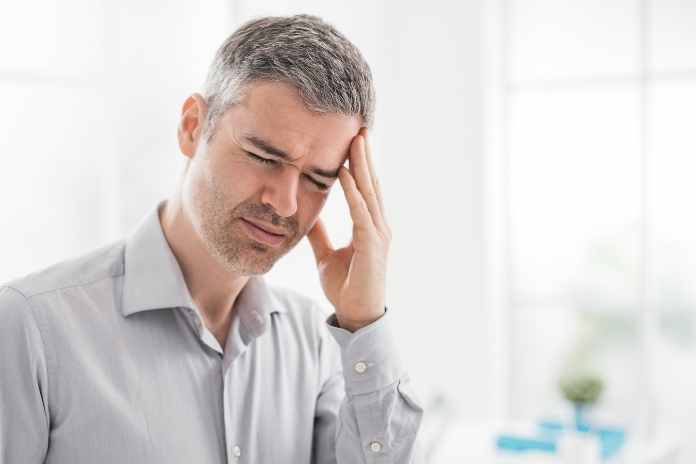
You’ve hit snooze three times. Your to-do list is longer than yesterday’s. By 2 pm, your brain feels like wet cement, and you’ve already had two coffees and a vague sense of dread about the afternoon. This isn’t a personality flaw. It’s the physical output of a chronically overloaded stress response.
The U.S. consistently ranks among the most stressed populations in the developed world. The Gallup Global Emotions Report has identified Americans as among the most stressed and worried populations globally, year after year. The typical response is another coffee, an energy drink, or just grinding through. None of these addresses the underlying mechanism.
There’s an herb used for centuries in Scandinavia and Russia, studied by Soviet researchers, evaluated by the European Medicines Agency, and now backed by a growing body of clinical data. Rhodiola rosea doesn’t push the stress response. It helps your body regulate it.
- Rhodiola rosea helps regulate the HPA axis and may reduce cortisol overactivation. This supports a more balanced stress response in the body.
- It can improve stress resilience, mental performance under pressure, and fatigue recovery. Many people use it during periods of burnout or high workload.
- Even so, findings consistently suggest benefits for stress, fatigue, and mood. It is generally considered a low-risk addition to a wellness routine.
In this guide, you’ll get a plain-English breakdown of what rhodiola rosea does, what the research actually shows, how much rhodiola should I take, and whether it’s right for you.
Rhodiola at a Glance
Key Information & Guidelines
| Aspect | Details |
|---|---|
| What It Is | Arctic adaptogenic herb: Rhodiola rosea |
| Best For | Stress, burnout, mental fatigue, mild mood support |
| Typical Dose | 200–600 mg/day standardized extract |
| When to Take | Morning or pre-workout; avoid before bedtime |
| Look for on Label | Standardized to 3% rosavins / 1% salidroside |
| Safe Duration | Up to 12 weeks (then cycle off) |
| Avoid If | Pregnant, taking blood thinners, or certain BP or seizure medications |
| Bottom Line | Promising adaptogen for stress and fatigue; supportive, not a miracle cure |
What Is an Adaptogen?
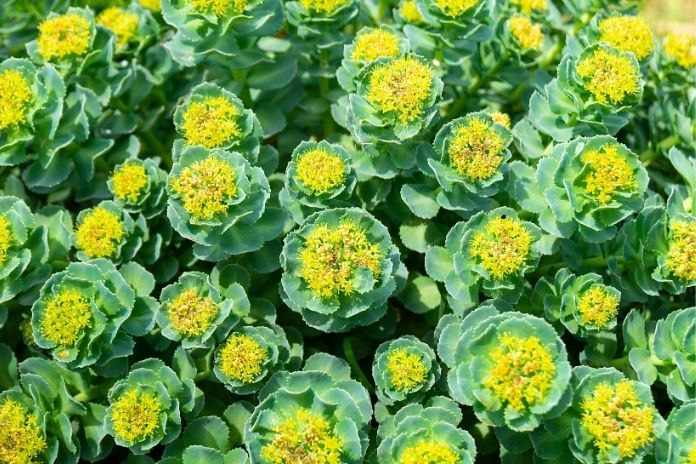
An adaptogen is a plant that helps your body respond to stress more efficiently. Think of it as a thermostat rather than a gas pedal: instead of turning the stress response up or down, a rhodiola adaptogen helps calibrate it toward a more proportional, resilient response.
Dr. Lise Alschuler, ND, FABNO, defines the category directly: “Adaptogens are a unique group of plants and mushrooms that help to normalize the functions of the body… clinically proven to help the body to cope with acute and long-term stress, boost immunity, and increase energy.”
Rhodiola rosea is one of the most studied adaptogens for stress and anxiety, alongside ginseng and ashwagandha. See our full ashwagandha guide for a complete breakdown of how they compare.
Read More: Adaptogens for Stress: Natural Remedies to Calm Your Mind and Body
What Is Rhodiola? Background and Origins
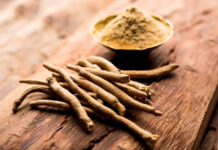
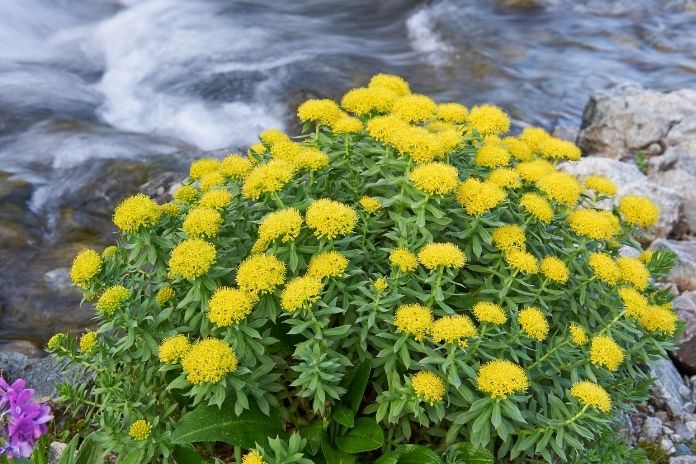
Rhodiola rosea, also called golden root, Arctic root, and roseroot, grows in cold high-altitude environments, including Iceland, Siberia, the Arctic, and mountainous Asia. Its roots contain over 100 phytochemicals, with rosavins and salidroside being the most clinically relevant.
Vikings reportedly used it to endure harsh Scandinavian winters. In Russia, the Soviet Ministry of Health formally recommended rhodiola rosea in 1969 as a stimulant against fatigue, with documented use by military personnel, athletes, and cosmonauts.
The European Medicines Agency has formally evaluated rhodiola rosea uses and approved it for temporary relief of stress-related fatigue, one of the few herbal natural supplements for burnout to receive that level of regulatory scrutiny.
The active compounds to know: rosavins and salidroside. Most clinical trials used standardized rhodiola extract containing at least 3% rosavins and 1% salidroside. That ratio is what the research is built on.
Brittney Sounart, a Registered Herbalist who practices in Arizona, says, “It is very important to get high-quality Rhodiola rosea. Many products on the market use the incorrect species, which lack the same activity, are poor plant material, are harvested from the wrong geographic location, or are picked during the incorrect season. In addition, some manufacturers will spike their products with synthetically made rosavins.”
“Look for high-quality herbal companies that get their Rhodiola from Russian origin (two times more potent than Chinese Rhodiola) and are 1:1 fluid extracts,” Ms. Sounart recommends.
The Most Evidence-Backed Rhodiola Rosea Benefits

Benefit 1: Stress and Burnout Relief
You’re one email away from snapping. Not tired exactly, just worn to the wire. That’s HPA axis dysregulation from chronic stress, and it’s precisely where rhodiola for stress has its strongest clinical case.
Rhodiola for burnout works through modulation of the HPA axis, the system that regulates cortisol and the broader stress hormone cascade. Rather than blocking the stress response, it accelerates the body’s return to baseline.
A double-blind, placebo-controlled trial examined adults with stress-related fatigue syndrome and found that 576mg per day of standardized rhodiola rosea extract (SHR-5) over 28 days significantly improved Pines’ burnout scale scores and cortisol awakening response compared to placebo.
Dr. Tieraona Low Dog, MD, describes the clinical impact she has seen across decades of practice: “It’s absolutely amazing for people who have fibromyalgia, depression, they’re tired, they’re fatigued, they do really well on rhodiola.”
She says that rhodiola rosea can “dramatically improve the quality of life for those living with fibromyalgia, fatigue, and/or burnout.”
Benefit 2: Mental Fatigue and Focus
The 3 pm brain fog that hits office workers and parents alike isn’t about caffeine need. It’s about sustained cognitive load depleting attentional resources without adequate recovery. Rhodiola for brain fog has clinical support specifically in this context.
A study found that students taking a repeated low dose of standardized rhodiola extract during exam season reported significantly less mental fatigue, better sleep, and improved motivation compared to the placebo group. This is the kind of stress-induced cognitive load most people recognize immediately.
Importantly, rhodiola for fatigue performs best for stress-induced fatigue specifically. When fatigue has other origins, the evidence is less consistent. Evidence strength: moderate, best data in high-stress populations.
Benefit 3: Mood and Mild Depression
A 2015 study compared rhodiola rosea benefits against sertraline (Zoloft) in mild to moderate depression. Sertraline outperformed rhodiola rosea on clinical outcomes, but rhodiola rosea showed significantly fewer side effects.
People who have bipolar disorder or manic episodes should avoid using Rhodiola as it can make them worse.
Promising, but not a replacement for clinical care. Evidence strength: preliminary.
Benefit 4: Physical Performance and Recovery
Rhodiola for energy in athletic contexts has a reasonably consistent evidence base for acute dosing.
A review of studies in the British Journal of Nutrition examining rhodiola rosea as an adaptogen for exercise performance found that acute rhodiola rosea supplement use, approximately 200mg containing 1% salidroside and 3% rosavins, taken 60 minutes before exercise, may prolong time-to-exhaustion and improve time-trial performance in recreationally active adults.
Chronic supplementation results are more limited. Evidence strength: mixed, with acute dosing showing more consistent promise than long-term use.
While acute dosing has the strongest clinical trial support, Rhodiola has a long history of use as a long-term tonic. Soviet research documented its use by Olympic athletes, military personnel, and cosmonauts over extended periods, as well as studies of chronic supplementation in competitive athletes.
As with most adaptogens, traditional use suggests the benefits compound over time, with longer use yielding deeper and more sustained results. The relative lack of long-term clinical trials reflects a research gap, not an absence of effect.
Benefit 5: Anxiety and Stress Reactivity
A trial of mildly anxious participants showed significant reductions in self-reported anxiety, stress, anger, confusion, and depression after 14 days of rhodiola rosea supplementation at 400mg daily.
This is rhodiola vs ashwagandha for anxiety territory: both have evidence for mild everyday anxiety, but neither is a clinical anxiety disorder treatment. Rhodiola adaptogen use is appropriate for the functional, daily stress end of the anxiety spectrum, not for panic disorder, GAD, or other clinical presentations.
What the Science Actually Says
The National Center for Complementary and Integrative Health states there isn’t enough reliable evidence to recommend rhodiola rosea for any specific health purpose.
That said, the NCCIH’s own rhodiola fact sheet notes that rhodiola is generally well-tolerated in studies and has not been linked to serious adverse effects at clinical doses, which puts it in a better safety position than many supplements that also lack definitive efficacy data.
Worth acknowledging directly. Most studies are small, short under 12 weeks, and methodologically varied. Long-term data is limited.
Long-term clinical trial data is limited, though Rhodiola’s safety record spans centuries. Documented by the Greek physician Dioscorides in 77 CE, and used continuously across Tibet, Siberia, and Scandinavia through to modern times to enhance mental and physical endurance. That depth of traditional use, across vastly different populations and climates, is itself a meaningful form of evidence.
Dr. Aviva Romm, MD, adds a critical nuance to the rhodiola adaptogen conversation for people already in deep burnout: “When your energy tank is already ‘below the empty line,’ and you’re running on fumes, adding high-octane fuel, in this case in the form of the more stimulating adaptogens like ginseng and rhodiola, can add fuel to a fire,” she writes.
The direction of evidence is consistently positive. Think of it this way: the science is at the “strongly suggestive” stage, not “proven beyond doubt.” That puts it ahead of most supplements and behind prescription medications. For everyday stress and rhodiola for fatigue, that may be exactly what you need.
How to Take Rhodiola: Dosing and Timing
Rhodiola rosea dosage depends on the goal. Preventive use of rhodiola for fatigue has shown effectiveness at doses as low as 50mg extract. Rhodiola for stress and acute fatigue typically falls between 288 and 680mg.
Most clinical studies used 200 to 600mg per day, split across two doses. Doses above 680mg follow a bell-curve response and may be less effective, not more.
Take rhodiola in the morning or 60 minutes before workouts for energy. Its stimulating properties make it poorly suited to evening use. Take on an empty stomach 15 to 30 minutes before meals for best absorption.
Is rhodiola safe to take every day? Centuries of traditional use across Siberia, Scandinavia, and Asia support Rhodiola’s long-term safety, even though formal research studies have only tracked its effects up to 12 weeks. Most practitioners recommend cycling: 8 weeks on, 2 to 4 weeks off.
For rhodiola capsules vs tincture: capsules are the most studied and convenient; tinctures absorb faster but are harder to standardize.
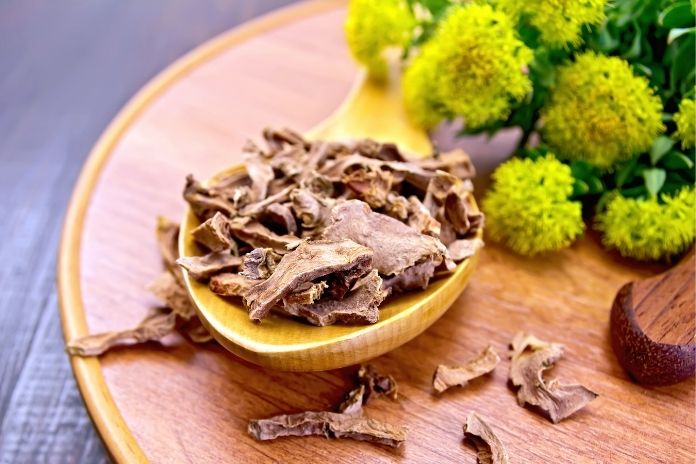
Powder form is a third option, less common and harder to dose precisely, but useful for people who prefer blending supplements into smoothies or drinks. For ground-up herb, the quality matters, see note on quality above.
All dose ranges in this article refer to standardized Rhodiola rosea extract, not ground herb powder.
The form matters more than most people realize. A standardized extract delivers consistent, research-backed concentrations of active compounds, while raw root powder varies widely in potency. Tinctures absorb faster but are harder to standardize; capsules are the most studied and convenient form.
What to Expect When Taking Rhodiola:
Here’s what realistic expectations look like week by week. In the first one to two days, some people notice a subtle lift in energy or mood from a single dose.
By weeks one to two, stress reactivity often starts to feel more manageable. The clearer improvements in burnout and sustained mental performance tend to emerge between weeks two and four.
If you don’t notice anything after four weeks at an appropriate dose, rhodiola may simply not be the right fit for you.
What to Look for When Buying a Rhodiola Supplement
The best rhodiola supplement is meaningless if the label is inaccurate or the species is wrong.
- Standardized extract: The label must say “standardized to 3% rosavins and 1% salidroside.” This is the rhodiola 3% rosavins ratio used in clinical trials.
- Species: Must say Rhodiola rosea Other species have different compound profiles.
- Origin: Russian-sourced Rhodiola is twice as potent as Chinese-sourced Rhodiola.
- Third-party testing: Look for NSF Certified for Sport, USP Verified, or Informed Sport seals. Avoid proprietary blends that hide the actual rhodiola rosea dosage behind a blend total.
Dr. Andy Galpin, PhD, captures the standard to hold any best rhodiola supplement to: “Rhodiola Rosea is one of the few supplements I’ve used extensively personally and with my athletes that also has a solid base of peer-reviewed scientific support… I love Rhodiola because its benefits are significant and spread across multiple domains.”
His personal benchmark for product quality is exact matching of the extract, dose, and form used in the clinical data.
Red flags: no standardization on label, “root powder” instead of extract, unlisted doses, suspiciously low prices. Verify brands independently at Examine.com or ConsumerLab.com.
Two free resources make verification straightforward. Examine.com maintains an independently updated rhodiola research summary with dosing tables. ConsumerLab.com runs third-party lab tests on specific supplement brands and publishes pass/fail results. Both are worth bookmarking before you buy anything.
All picks below are standardized to 3% rosavins and 1% salidroside unless noted, and verified Rhodiola rosea species.
Double Wood Supplements: Rhodiola Rosea 500 mg, 120 vegan capsules, standardized extract, third-party tested, USA-made, gluten-free, non-GMO, no fillers. Buy on Amazon
Life Extension: Rhodiola Extract 250 mg, 60 vegetarian capsules, standardized to 3% rosavins and 1% salidroside, authentic Rhodiola rosea, non-GMO, gluten-free, take twice daily on an empty stomach. Buy on iHerb
California Gold Nutrition: Rhodiola Extract 500 mg, 180 veggie capsules, standardized to 3% rosavins and 1% salidroside, non-GMO iHerb brand, excellent value per serving. Buy on iHerb
Desert Sage Herbs: Rhodiola Rosea Extract, 1 oz wildcrafted liquid extract, root only, Rhodiola rosea species verified. Herbalist-formulated and recommended. Buy at Desert Sage Herbs
Who Should Avoid Rhodiola
Rhodiola is well-tolerated by most healthy adults, but it may not be appropriate for everyone:
- Pregnant or breastfeeding: Safety data is insufficient.
- Bipolar disorder or history of mania: Rhodiola’s stimulating properties may worsen manic episodes.
- Warfarin users: Consult your doctor before use, as warfarin interacts with a wide range of substances, including many herbs.
- People sensitive to stimulants or caffeine: Rhodiola’s stimulating profile can cause insomnia or agitation in susceptible individuals. Avoid if you already struggle with sleep.
- Those with dry constitutions: Rhodiola is a drying herb. People on diuretics, living in dry climates, or experiencing dry eyes or low saliva should use it with caution.
Ms. Sounart, the Registered Herbalist, says, “There are many adaptogens to choose from, and to be identified as an adaptogen, it has to be safe, can be taken for long periods of time, and time-tested.
I find Rhodiola to be an adaptogen that needs to be used with the right type of person, as it is one of our most stimulating adaptogens and is very drying.
Therefore, for people sensitive to coffee, caffeine, stimulants, and who are not sleeping well, this would not be the adaptogen I would choose for my client.
Another consideration is that it is drying, so for people who have dry skin, dry hair, dry eyes, live in dry climates, and are in menopause (which causes women to become drier), this adaptogen can affect a person in a negative way.”
Common Side Effects of Rhodiola
Rhodiola is well-tolerated by most people, but it’s not free of side effects. According to the European Medicines Agency’s assessment, the most commonly reported issues include:
- Dizziness or lightheadedness, especially at higher doses
- Dryness (mouth, eyes, skin): Rhodiola is a drying herb; those with already dry constitutions should use with caution.
- Jitteriness or agitation, particularly if taken later in the day or at doses above 680mg
- Vivid dreams or sleep disturbance, if taken in the evening
These tend to be mild and dose-dependent. Starting at the lower end of the clinical range (200mg) and working up gives your body time to adjust.
Rhodiola vs Ashwagandha vs Ginseng: Comparison
Adaptogen Comparison
Rhodiola vs Ashwagandha vs Ginseng
| Category | Rhodiola Rosea | Panax Ginseng | Ashwagandha |
|---|---|---|---|
| Best Known For | Acute stress relief and mental fatigue | Energy, immune support, libido | Chronic stress reduction and sleep support |
| Onset of Effects | Fast acting: 1–2 hours(acute dose) | Fast acting: 1–2 hours | Gradual: ~2–4 weeks |
| Stimulating / Calming | Stimulating | Mildly stimulating | Calming / stress-reducing |
| Best Time to Take | Morning or pre-workout | Morning | Evening / before bed, or daytime for anxiety/high stress |
| Typical Dose Range | 200–600 mg/daystandardized extract | 200–400 mg/daystandardized extract | 300–600 mg/daystandardized extract |
Rhodiola vs ashwagandha in plain terms: if your primary issue is daily stress and mental fatigue with a need for functional daytime performance, rhodiola for brain fog and focus makes more sense.
If your issue is deep chronic exhaustion, anxiety, and disrupted sleep, ashwagandha’s calming profile is the better fit. Rhodiola vs ashwagandha for anxiety depends on the type: rhodiola suits acute, reactive anxiety; ashwagandha suits chronic, pervasive anxiety.
When it comes to rhodiola vs ginseng, the primary difference is onset and application. Rhodiola works faster, with acute effects possible within one to two hours, as shown in the British Journal of Nutrition review of 16 human studies, making it better suited for same-day stress or pre-performance use.
Panax ginseng tends to build over days to weeks and has a stronger evidence base for immune support and libido. If your main concern is mental fatigue and stress reactivity right now, rhodiola has the edge. If you’re looking for broader long-term vitality support, ginseng is the stronger candidate.
Read More: Ashwagandha vs. Rhodiola: Which Adaptogen Is Better for Stress?
Bottom Line
Rhodiola rosea benefits are real, documented, and well-matched to the specific problem most people are trying to solve: stress-induced fatigue, mild mood dips, and performance slumps caused by an overworked stress response system.
The evidence isn’t definitive. For the right person, a quality rhodiola rosea supplement standardized to 3% rosavins and 1% salidroside, taken at the correct dose and timed appropriately, is a reasonable, low-risk addition to a wellness routine. It’s not a cure. It’s not a substitute for sleep, therapy, or medical care. It’s a tool.
The key is buying a quality, standardized product, respecting the dose ceiling, cycling as recommended, and understanding what rhodiola adaptogen use actually does and doesn’t address.
Frequently Asked Questions
What does rhodiola rosea do?
Rhodiola rosea modulates the HPA axis to help the body manage cortisol overactivation from chronic stress. It reduces stress-induced fatigue, supports mental performance under pressure, and provides mild mood stabilization. Rhodiola rosea uses are best understood as stress-specific: it works for stress-induced fatigue, not fatigue from other causes.
How long does rhodiola take to work?
Acute effects from a single dose can appear within one to two hours for energy and focus. Sustained rhodiola rosea benefits for stress and rhodiola for burnout build over two to four weeks of consistent daily use. Most clinical trials ran four to eight weeks before measuring primary outcomes.
Is rhodiola safe to take every day?
Rhodiola rosea supplement use is considered possibly safe for up to 12 weeks continuously. Most practitioners recommend cycling: eight weeks on, two to four weeks off. Long-term safety beyond 12 weeks is not well established. Consult your doctor if you are on any medications.
What is an adaptogen, and how does it work?
Rhodiola adaptogen and other adaptogens are plant-based substances that normalize the body’s stress response without overstimulating or sedating it. They work primarily through the HPA axis, producing a more proportional physiological reaction to stressors. This distinguishes them from stimulants, which simply push the system harder.
Does rhodiola help with anxiety?
Rhodiola for stress and mild everyday anxiety has clinical support. A study of 80 mildly anxious participants found significant reductions in anxiety, stress, and mood disruption after 14 days. Rhodiola vs ashwagandha for anxiety: Rhodiola adaptogen suits acute reactive anxiety with fatigue; ashwagandha suits chronic pervasive anxiety with sleep disruption.
Can you take rhodiola and ashwagandha together?
Rhodiola vs ashwagandha are complementary rather than competing. Some practitioners combine them, using rhodiola for brain fog and daytime focus alongside ashwagandha for sleep and deeper nervous system recovery. Start with one at a time to assess your individual response before combining.
How much rhodiola should I take?
Rhodiola rosea dosage for daily preventive support starts as low as 50mg. For stress and fatigue, the clinical range is 200 to 600mg per day, split across two doses. Doses above 680mg follow a bell-curve and may be less effective. Always start low and assess your response before increasing your rhodiola rosea dosage.

References
- De Bock, K., Eijnde, B. O., Ramaekers, M., & Hespel, P. (2004). Acute Rhodiola rosea intake can improve endurance exercise performance. International Journal of Sport Nutrition and Exercise Metabolism, 14(3), 298–307.
- Darbinyan, V., Kteyan, A., Panossian, A., Gabrielian, E., Wikman, G., & Wagner, H. (2000). Rhodiola rosea in stress induced fatigue — a double blind cross-over study of a standardized extract SHR-5 with a repeated low-dose regimen on the mental performance of healthy physicians during night duty. Phytomedicine, 7(5), 365–371.
- Brown, R. P., Gerbarg, P. L., & Ramazanov, Z. (2002). Rhodiola rosea: A phytomedicinal overview. HerbalGram, 56, 40–52.
- Parisi, A., Tranchita, E., Duranti, G., Ciminelli, E., Quaranta, F., Ceci, R., Cerulli, C., Borrione, P., & Sabatini, S. (2010). Effects of chronic Rhodiola rosea supplementation on sport performance and antioxidant capacity in trained male: Preliminary results. Journal of Sports Medicine and Physical Fitness, 50(1), 57–63.
- Germano, C., Ramazanov, Z., & Bernal Suarez, M. (1999). Arctic root (Rhodiola rosea): The powerful new ginseng alternative. Kensington Publishing Corp.
- Spasov, A.A., Mandrikov, V.B., and Mironova, I.A. “The effect of the preparation rodakson on the psychophysiological and physical adaptation of students to an academic load.” Eksperimental’naia i Klinicheskaia Farmakologiia 63(1) (2000): 76–78.
- Saratikov and Krasnov. “Stimulative properties of Rhodiola rosea.”
- Maslova, Kondrat’ev, Maslov, and Lishmanov. “The cardioprotective and antiadrenergic activity.”
- Alschuler, L. (2020). Adaptogens for stress resiliency and immunity. Body of Wonder Podcast, Andrew Weil Center for Integrative Medicine.
- De Bock, K., Eijnde, B. O., Ramaekers, M., & Hespel, P. (2004). Acute Rhodiola rosea intake can improve endurance exercise performance. International Journal of Sport Nutrition and Exercise Metabolism.
- Galpin, A. (2024). Best rhodiola supplements. Momentous.
- Low Dog, T. (2024). 10 natural stress management techniques. DrLowDog.com.
- Olsson, E. M., von Schéele, B., & Panossian, A. G. (2009). A randomised, double-blind, placebo-controlled, parallel-group study of the standardised extract SHR-5 of the roots of Rhodiola rosea in the treatment of subjects with stress-related fatigue. Planta Medica.
- Romm, A. (2024). Adaptogens for healing burnout: which work best? AvivaRomm.com.
- Spasov, A. A., Wikman, G. K., Mandrikov, V. B., Mironova, I. A., & Neumoin, V. V. (2000). A double-blind, placebo-controlled pilot study of the stimulating and adaptogenic effect of Rhodiola rosea SHR-5 extract on the fatigue of students caused by stress during an examination period. Phytomedicine, 7(2), 85-89.
- Cropley, M., Banks, A. P., & Boyle, J. (2015). The effects of Rhodiola rosea L. extract on anxiety, stress, cognition and other mood symptoms. Phytotherapy Research. Referenced in: PMC. (2022). The effectiveness of Rhodiola rosea L. preparations.
- Cleveland Clinic. (2022, February 10). Adaptogens.
- GoodRx Health. (n.d.). Adaptogens: Benefits, uses, and safety.
- MSD Manuals. (n.d.). Adaptogens.
- News-Medical. (n.d.). What are adaptogens and do they actually work?
- Panossian, A. G., Efferth, T., Shikov, A. N., Pozharitskaya, O. N., Kuchta, K., Mukherjee, P. K., Banerjee, S., Heinrich, M., Wu, W., & Guo, D. (2020). Evolution of the adaptogenic concept from traditional use to medical systems: Pharmacology of stress- and aging-related diseases.
- ScienceDirect. (n.d.). Adaptogen.
- UCLA Health. (2022, February 16). What are adaptogens and should you be taking them?
- Wikipedia contributors. (n.d.). Adaptogen.
In this Article