

















In the last few years, many scientists have been talking about gut bacteria like it is some hidden control system of the body. Especially, research coming from places like Harvard University is making the obesity topic more complicated than before.
Earlier, the idea was simple: eat less, move more. Now it is not so straight. Inside the stomach, there are trillions of microbes, and they may affect hunger, fat storage, and even mood a little bit. Still, this is not a magic solution. But direction is changing slowly, and that is why people are paying attention.
- The gut microbiome may influence appetite, metabolism, and inflammation, which are related to obesity.
- Research from Harvard gut discovery and obesity-linked work is expanding this idea, but it is still at an early stage.
- There is no quick fix yet. Basic lifestyle habits remain the most reliable approach.
Read More: Best Probiotics for Gut Health: Strains That Actually Work and How to Choose
What Is the Gut Microbiome?
The Microbes Living in Your Digestive Tract
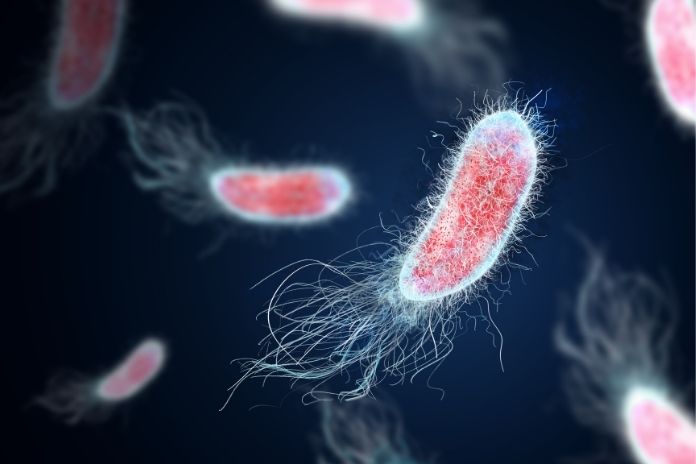
The gut microbiome means all the small living things inside the digestive system. Not only bacteria, but also fungi and viruses. It may sound unusual, but the body is already used to coexisting with them.
They help in breaking down food that the body alone cannot handle properly. Like, some fibers just pass through the digestive system unchanged, but microbes break them down and make small, useful compounds.
These small things go into the blood and affect the body in a subtle way. Dr. Purna Kashyap, a gastroenterologist, adds: “Gut bacteria eat what you eat. If you eat a lot of sugary, salty, fatty foods such as snacks, sweets and highly processed foods or consume a lot of alcohol, you’ll starve bacteria. As a result, they will try to get nutrients from your gut lining and will damage it in the process.”
One important point: every person’s microbiome is different. Not fully the same even in a family. Because food habits, environment, and even stress levels change slowly.
Why the Microbiome Matters for Overall Health
People think gut means only digestion. But it is more than that. The immune system is connected with the gut lining. If the microbial balance is not good, inflammation may increase a little. This does not cause a big disease immediately but has a slow negative effect on the body.
The body becomes less efficient. Energy usage becomes less optimal. Also, some microbes produce vitamins in small amounts. This may not be huge, but it is still part of the system.
Why Researchers Are Focused on Obesity
Researchers started seeing a pattern. Some people with obesity have less microbial diversity. Means fewer types of bacteria in the gut. But this is confusing also. Because we don’t know which happened first: weight gain or microbiome change.
This is why scientists are careful. They are not saying the microbiome is the only complete cause. Only one part of many causative factors of obesity.
What Did Harvard-Linked Research Help Highlight?

Gut Bacteria May Influence Energy Use
One interesting finding: microbes may decide how much energy the body extracts from food. For example, two people eat the same chapati and vegetables. Still, the body may absorb slightly different calories due to its microbes. Small difference, but daily it adds up to weight changes.
Signals Between the Gut and Brain
The gut and the brain are always communicating through the gut-brain axis. Hormones like GLP-1 are involved here in regulating appetite and satiety. Some gut microbes affect these signals. This may affect how quickly a person feels hungry again after eating.
So, this explains that hunger is not just mind control. The body is also sending biological signals. This is why some people feel hungry again very fast, even after eating properly.
Inflammation and Metabolic Health
If you ever wonder, how does gut health affect weight? Bad microbial balance may increase low-level inflammation. Not visible outside. But inside the body, it affects insulin’s ability to work. Then it may reduce the effectiveness of insulin, so sugar control becomes weak.
The body stores more fat. Energy feels low. All these processes are connected; they are not separate problems.
Why This Is Important
This changes the understanding of obesity. Obesity is not just a discipline problem. It is biology also. This does not remove personal responsibility, but it shows that obesity is more complex and layered.
How the Microbiome Could Change Obesity Treatment

More Personalized Nutrition Plans
Right now, diet advice is general. Same for everyone, mostly. But microbiome research for obesity suggests the response to food is personal.
For example, one person may handle carbohydrates well, and another may get higher blood sugar spikes from the same meal. Future diets may not be “low-carb” or “low-fat” for all. They may be based on how the individual microbiome reacts.
The microbiome partly explains this difference. “Your gut microbiome can help or cause resistance to weight loss and this opens up the possibility to try to alter the gut microbiome to impact weight loss,” said Dr. Christian Diener, a research scientist.
Targeted Prebiotics and Fiber Strategies
Not all fiber works in the same way. Different types feed different microbes. Some fibers support bacteria that produce beneficial compounds. Instead of general advice, “eat more fiber,” plans may say specific fiber types for specific microbial gaps. This is more precise than the current nutrition approach.
Next-Generation Probiotics
Most probiotics today are generic strains. They may help digestion, but the weight loss effect is inconsistent. Future probiotics may be designed for targeted function. Like helping with appetite control or reducing inflammation. But right now, this is still in the research stage; an ongoing research on new obesity treatment.
Combining Microbiome Care With Existing Treatments
Microbiome-based approaches are not a replacement for existing treatments. It may work with:
- Diet control
- Exercise
- Medicines (like GLP-1 drugs)
- Behaviour changes
- Surgery in some cases
A combination approach with microbiome obesity treatments may give better results.
What the Science Still Hasn’t Proven
No Single “Obesity Bacteria” Has Been Confirmed: There is not one bacterium responsible for weight gain. Many microbes interact with each other. Also, genetics, sleep, stress, and environment all play a role. So simple solutions like “fixing your gut means losing weight” are oversimplified.
Current Testing Has Limits: Many companies offer microbiome tests. But the interpretation is still unclear. You may get a list of bacteria names, but what to do with that information is not well established scientifically.
Supplements Are Not Magic Fixes: Probiotics and prebiotics are helpful in some cases, especially for digestive health. But for weight loss, evidence is mixed. Some studies show a small benefit, others show no change.
Read More: Melatonin for Your Gut? The Surprising Role of the Sleep Hormone in Managing IBS Cramping
Evidence-Based Ways to Support a Healthy Microbiome Now

Eat More Diverse Plant Foods: Dietary variety is key; do not consume the same vegetable daily. Mix different foods. This feeds different microbes.
Increase Fiber Gradually: Sudden high fiber causes gas and discomfort. Better to go slow.
Include Fermented Foods: Curd, kefir, and kimchi may help in some cases, if tolerated.
Limit Ultra-Processed Foods: These foods reduce microbial diversity over time. Also low in fiber.
Protect Sleep and Stress Levels: Poor sleep and stress disturb metabolism. The gut is also affected indirectly.
Who Might Benefit Most From Future Microbiome Treatments?
- Insulin Resistance or Prediabetes: They may see metabolic improvement even if the weight change is small.
- Struggling With Weight Regain: Weight loss may be a little simple, but maintaining it is harder. The microbiome may play a role here.
- Needing Personalized Plans: If the standard diet is not working, a personalized method may help.
When to Be Cautious About Headlines
- “Breakthrough” Does Not Mean Ready for Routine Use: Many studies are at an early stage. Not tested long-term in large human studies.
- Weight Loss Claims Can Outpace Evidence: Marketing moves fast. Science moves slowly.
- Medical Guidance Matters: A doctor’s advice is important, especially in obesity and diabetes cases.
Questions to Ask Your Doctor or Dietitian

Could My Diet Better Support Gut Health?
Small changes can matter more than extreme diets.
Are Weight-Loss Medications or Structured Programs Appropriate?
Microbiome care is support, not replacement.
Do I Need Testing?
Most people do not need advanced testing.
Read More: How Your Gut Microbiome Secretly Regulates Blood Pressure
Final Thoughts: Promising Science, Practical Steps Now
The gut microbiome is adding one more layer to obesity understanding. It is not a simple narrative anymore. The body is not only a calorie machine, but it is also an ecosystem. But still, this is not a ready solution. People expecting fast weight loss from gut fixes will be disappointed.
Right now, basic habits are still strongest: food quality, activity, sleep, and stress. Microbiome work may become important later, but today it is a supporting role, not a main treatment.
- The microbiome affects metabolism, but the exact cause-and-effect relationship is still not fully clear.
- Personalized diet based on gut response is promising but not standardized yet.
- No single bacterium is responsible for obesity; it is a multi-factorial problem.
- Microbiome testing has information but limited practical use currently.
- Research gap: long-term human studies showing clear treatment outcomes are still lacking.
FAQs
1. Can the microbiome help with weight loss?
Microbiome changes can support weight loss indirectly but do not guarantee fat reduction. Gut bacteria influence metabolism, inflammation, and energy extraction, yet sustained weight loss still depends primarily on calorie balance, diet quality, and physical activity.
2. Are probiotics useful for weight loss?
Probiotics may offer small weight loss benefits, but results are inconsistent across studies. Effects depend on specific strains, dosage, and individual microbiome differences, so probiotics should be considered supportive rather than a reliable or primary weight loss strategy.
3. Why is fiber important?
Dietary fiber is important for microbiome obesity treatment because it feeds beneficial gut bacteria and supports microbiome health. Fermentation of fiber produces short-chain fatty acids, which help regulate metabolism, improve insulin sensitivity, and contribute to better appetite control and digestive function.
4. Should I do microbiome testing?
Microbiome testing is generally not necessary for most people because current results are not highly actionable. Clinical evidence linking specific microbiome profiles to personalized obesity treatment remains limited, so standard lifestyle interventions remain more practical and evidence-based.
5. Will microbiome replace dieting?
No, the microbiome will not replace dieting because weight management still depends on energy balance. While gut bacteria influence metabolism and appetite, dietary habits, calorie intake, and physical activity remain the primary drivers of sustained weight loss rather than gut bacteria.
References
- Davis, C. D. (2016). The Gut Microbiome and Its Role in Obesity. Nutrition Today, 51(4), 167–174.
- Hassan, N. E., El-Masry, S. A., Shebini , S. M. E., Ahmed, N. H., Mehanna, N. Sh., Wahed, M. M. A., Amine, D., Hashish, A., Selim, M., Afify , M. A. S., & Alian, K. (2024). Effect of weight loss program using prebiotics and probiotics on body composition, physique, and metabolic products: longitudinal intervention study. Scientific Reports, 14(1)
- ScienceDaily. (2025). Harvard gut discovery could change how we treat obesity and diabetes.
In this Article