















Maya had been managing prediabetes for two years with diet changes alone. Her physician had recommended more fiber. But Maya was eating salads at lunch and still watching her post-dinner glucose readings climb. What changed her results was not more salad. It was switching her afternoon snack from crackers to a small bowl of cooled oats with apple slices.
Within three weeks, her continuous glucose monitor showed flatter curves after dinner. The connection she had stumbled onto is exactly what researchers are now documenting: prebiotic snacks and blood sugar regulation are linked through measurable biological processes that begin in the gut.
Unlike simple carbohydrates, prebiotic-rich foods like oats and apples feed beneficial gut bacteria, which then produce short-chain fatty acids that influence insulin sensitivity and glucose metabolism. This doesn’t appear instantly on a plate, but it’s clear in the data. What Maya changed wasn’t just a snack. She shifted how her body was processing glucose hours later.
- Prebiotic snacks feed gut bacteria that ferment fiber into short-chain fatty acids, which travel into the bloodstream and trigger the release of glucose-regulating hormones, including GLP-1 and peptide YY, slowing gastric emptying and blunting post-meal blood sugar spikes.
- A strengthened gut barrier, supported by Akkermansia muciniphila and butyrate-producing microbes, limits the entry of bacterial lipopolysaccharides into circulation, reducing metabolic endotoxemia and lowering systemic inflammatory markers, including C-reactive protein.
- Beta-glucans in oats and mushrooms bind to Dectin-1 and complement receptor 3 on immune cells, modulating cytokine output and helping calibrate immune responsiveness rather than simply activating or suppressing it.
- Prebiotic snack timing matters: consuming prebiotic-rich foods 20 to 30 minutes before a meal may reduce the glucose area under the curve of the subsequent meal by slowing intestinal transit and amplifying incretin hormone release.
What Is the “Blood-Gut Connection”?
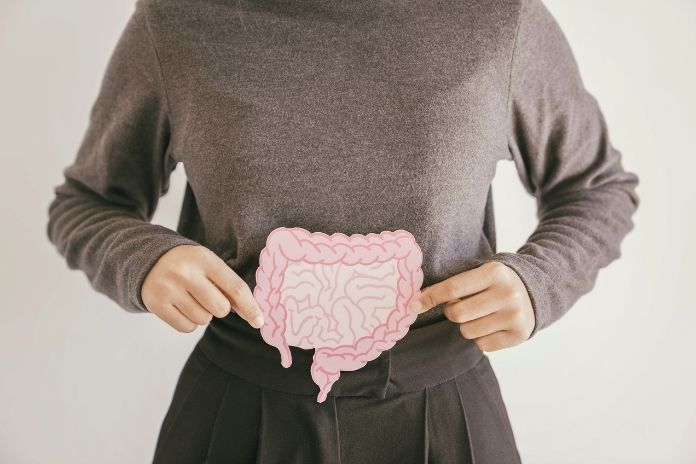
How Gut Microbes Produce Signaling Compounds
The gut microbiome contains an estimated 38 trillion microorganisms concentrated primarily in the large intestine. These microbes actively metabolize dietary components that human digestive enzymes cannot process, producing short-chain fatty acids, secondary bile acids, indoles, and neurotransmitter precursors. Each of these compounds can leave the gut lumen and enter systemic circulation.
Short-chain fatty acids, primarily acetate, propionate, and butyrate, are the most clinically relevant of these microbial outputs. They are produced when gut bacteria ferment non-digestible carbohydrates, particularly prebiotic fibers. Once produced, they do not stay local.
Movement of Microbial Metabolites Into Circulation
Acetate and propionate cross the intestinal epithelium, enter the portal vein, and reach the liver directly. Butyrate serves primarily as the preferred energy source for colonocytes, but it also enters portal circulation in meaningful quantities. From the liver, acetate and propionate are distributed systemically, binding to G-protein-coupled receptors, including FFAR2 and FFAR3, on intestinal L cells, adipocytes, and immune cells throughout the body.
Lipopolysaccharides from gram-negative bacteria represent the inflammatory flip side of this channel. When the gut barrier is compromised, these endotoxins translocate into circulation, triggering chronic low-grade inflammation and metabolic endotoxemia, which are independently associated with insulin resistance and elevated C-reactive protein.
Why This Matters for Metabolic and Immune Health
The gut is a continuous metabolic broadcast system. What microbes produce in response to what you eat reaches target tissues within hours. Gut microbiome glucose control is therefore not just about glycemic index. It is about how fiber composition determines which microbes thrive and what compounds they deliver into circulation.
Read More: The Role of Gut Health in Diabetes Development
How Prebiotic Fiber Influences Blood Sugar Regulation
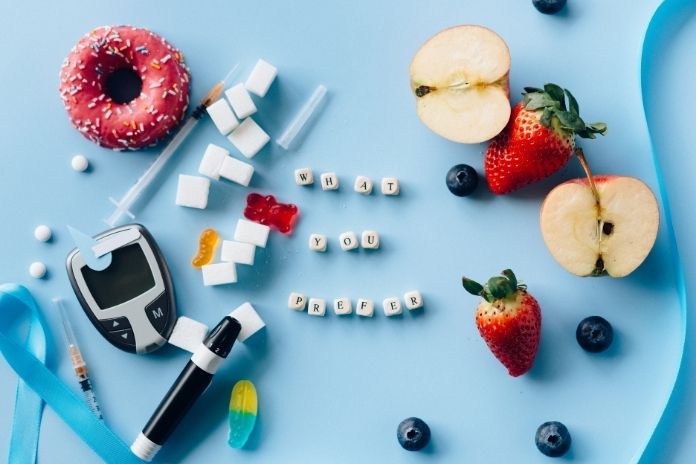
Fermentation and Short-Chain Fatty Acid Production
Prebiotic fiber is any non-digestible food component that selectively feeds beneficial gut bacteria. Clinically relevant types include inulin, fructooligosaccharides, pectin, resistant starch, and beta-glucans. Each ferments at a different rate in different regions of the colon, feeding distinct microbial populations and producing different ratios of acetate, propionate, and butyrate.
A landmark study published in Science by Zhao and colleagues conducted a randomized clinical trial in adults with type 2 diabetes, assigning participants to a high-diversity prebiotic fiber diet or a standard diet.
The high-fiber group showed selective growth of SCFA-producing bacterial strains, rising GLP-1 levels, declining hemoglobin A1c, and substantially improved fasting blood glucose over 12 weeks. Strains capable of producing butyrate and acetate drove the metabolic improvements.
Effects on Insulin Sensitivity and Glucose Stability
SCFAs improve insulin sensitivity through several mechanisms. Propionate activates hepatic gluconeogenic pathways, thereby reducing hepatic glucose output. Butyrate activates AMPK, a cellular energy sensor that mimics the metabolic effects of caloric restriction. Acetate suppresses fatty acid release from adipose tissue, reducing a major driver of insulin resistance.
Dr. Justin Sonnenburg, PhD, professor of microbiology and immunology at Stanford University School of Medicine, has described gut microbes as producing molecules important for metabolism and development that the body has become reliant on over evolutionary time, highlighting how deeply microbial metabolite production is integrated into host metabolic function.
Role of Gut Hormones in Appetite and Glucose Control
SCFAs bind FFAR2 and FFAR3 receptors on L cells in the distal intestine, directly stimulating the release of glucagon-like peptide-1 and peptide YY. A mechanistic study in the journal Diabetes by Tolhurst and colleagues established that SCFAs trigger GLP-1 secretion via these receptors, and that mice lacking FFAR2 or FFAR3 showed impaired GLP-1 secretion and reduced glucose tolerance. This SCFA-to-GLP-1 pathway is central to how prebiotic fiber consumption affects glucose control in the gut microbiome.
GLP-1 slows gastric emptying, stimulates glucose-dependent insulin release, and suppresses glucagon secretion. Peptide YY signals satiety to the hypothalamus. Both effects reduce post-meal glucose excursions and lower the insulin demand on the pancreas.
SCFAs and the Glucose Curve: What Changes After Prebiotic Snacks

Slower Gastric Emptying
When prebiotic snacks stimulate GLP-1 release, one of the earliest downstream effects is delayed gastric emptying. Food moves from the stomach into the small intestine more slowly, reducing the rate at which glucose enters circulation after a meal. This mechanical effect directly flattens the post-meal glucose curve and is most pronounced when prebiotic-rich foods are consumed before or at the beginning of a meal.
Reduced Post-Meal Glucose Spikes
Highly soluble beta-glucan fiber provides an additional mechanism beyond SCFA production. A study on highly soluble beta-glucan published in PMC demonstrated that this fiber inhibits alpha-glucosidase activity and SGLT1 glucose transporter function, thereby slowing starch digestion and reducing intestinal glucose uptake.
The same study showed beta-glucan fermentation restored disrupted epithelial barrier integrity, decreased pro-inflammatory chemokines, and upregulated the anti-inflammatory cytokine IL-10.
Improved Metabolic Signaling
Regular prebiotic fiber intake shifts the baseline microbiome composition over days to weeks, increasing the abundance of SCFA-producing species, including Faecalibacterium prausnitzii, Roseburia intestinalis, and Akkermansia muciniphila. This sustained shift raises resting GLP-1 tone and maintains lower chronic insulin demand throughout the day, not just in the immediate post-meal period.
Read More: How Your Gut Bacteria Affects Your Food Cravings (And How to Hack It)
The Gut Barrier and Inflammation Proteins
Role of Beneficial Microbes in Mucosal Protection
The intestinal barrier is a single-cell-thick epithelial layer reinforced by tight junction proteins, including claudin, occludin, and zonulin. Butyrate produced by gut bacteria directly upregulates expression of these tight junction proteins, maintaining structural barrier integrity. Akkermansia muciniphila occupies the mucus layer and plays a specific role in maintaining mucosal thickness and barrier competency.
A 2024 meta-analysis published in Microorganisms, examining 39 animal model studies, confirmed that A. muciniphila and its derivatives positively affected gut inflammation, glycemic response, and lipid profiles, and significantly increased tight junction protein expression, thereby improving gut permeability across models of gastrointestinal and metabolic disorders.
How Barrier Integrity Affects Bloodstream Inflammation
When tight junction proteins degrade, lipopolysaccharides from gram-negative bacteria translocate into portal circulation, triggering toll-like receptor 4 activation on liver macrophages and initiating an inflammatory cascade.
Circulating LPS reliably drives metabolic endotoxemia, a condition associated with chronic insulin resistance, elevated triglycerides, and raised C-reactive protein. A fiber-rich diet that maintains barrier integrity limits this LPS translocation at its source.
Dr. Erica Sonnenburg, PhD, senior research scientist at Stanford University School of Medicine in the Department of Microbiology and Immunology, has noted that when dietary fiber is insufficient, gut bacteria shift their fermentation substrate from fiber to the protective mucus layer itself, depleting the gut barrier and increasing inflammation. This makes snack composition a direct structural matter, not merely a nutritional one.
Links to Markers Like C-Reactive Protein
Systemic CRP levels are measurably lower in individuals with higher dietary fiber intake and greater gut microbial diversity. The pathway runs from prebiotic fiber to SCFA production to tight junction upregulation to reduced LPS translocation to lower toll-like receptor 4 activation to reduced hepatic cytokine production. Each link in this chain has been individually characterized in the peer-reviewed literature.
Prebiotic Fibers That Influence Immune Signaling
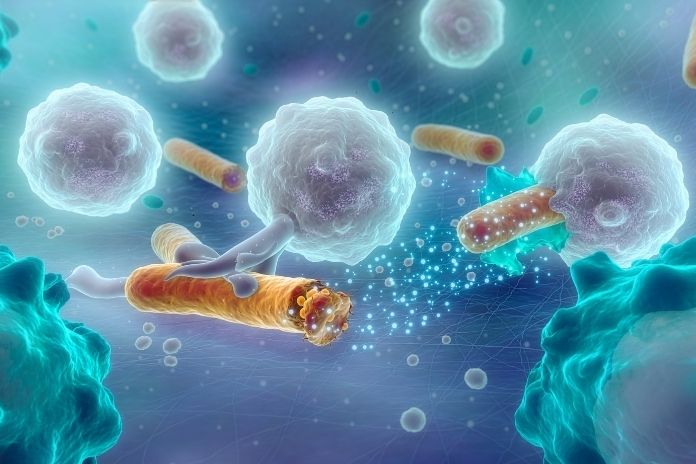
Beta-Glucans and Immune Cell Receptors
Beta-glucans are among the most immunologically active dietary fibers. Unlike other prebiotics, which primarily exert immune effects through SCFA-mediated barrier support, beta-glucans also interact directly with pattern recognition receptors on immune cells.
The primary receptor is Dectin-1, which is expressed on macrophages, dendritic cells, and neutrophils. Beta-glucans additionally bind complement receptor 3, activating phagocytic pathways for pathogen clearance.
Dr. Christopher Gardner, PhD, professor of medicine and director of nutrition studies at the Stanford Prevention Research Center, co-authored research with Dr. Sonnenburg showing that gut-microbiota-targeted diets modulate human immune status by altering microbial composition and downstream immune signaling, directly linking diet to measurable changes in circulating immune proteins in humans.
Cytokine Balance and Immune Responsiveness
Beta-glucan binding to Dectin-1 triggers a cascade that upregulates pro-inflammatory cytokines, including IL-6 and TNF-alpha, as part of an initial defense response, while simultaneously stimulating anti-inflammatory IL-10 production. This dual activation is described as immune priming rather than activation or suppression.
The net effect is a more calibrated immune response that can mount targeted defenses without sustaining the chronic inflammatory baseline associated with poor diet and barrier dysfunction.
Priming vs. Activating Immune Cells
A primed immune cell has upregulated its pattern recognition machinery and enhanced its readiness to respond without prematurely releasing inflammatory mediators. Beta-glucans appear to induce this state through trained immunity pathways, preparing macrophages and natural killer cells to respond efficiently to genuine threats while maintaining anti-inflammatory tone in the absence of infection.
Comparing Processed Snacks vs. Prebiotic-Rich Snacks

A processed snack, such as a refined cracker or flavored chip, provides simple carbohydrates that digest rapidly with no meaningful fermentation residue reaching the colon. The result is a sharp blood glucose peak within 30 to 60 minutes, a compensatory insulin spike, and no SCFA-to-GLP-1 activation because there is no substrate for bacterial fermentation.
A prebiotic snack provides indigestible carbohydrates that transit to the colon intact, sustaining SCFA production over several hours and producing a lower, more gradual glucose curve.
Refined snack foods are frequently high in advanced glycation end products, industrial additives, and refined carbohydrates, all of which contribute to post-meal inflammation via NF-kB and toll-like receptor activation. Prebiotic snacks, in contrast, promote IL-10 upregulation, tight junction reinforcement, and a lower systemic LPS burden, thereby reducing the chronic inflammatory tone that, over time, independently drives insulin resistance.
Timing Matters: Using Prebiotic Snacks Before Meals
Fiber pre-loading refers to consuming a prebiotic-rich food 20 to 30 minutes before the main meal. This window allows viscous fibers, particularly beta-glucans and pectin, to partially dissolve in the stomach and begin forming a gel layer in the upper intestine before the meal arrives. The gel slows enzymatic mixing, delays glucose absorption, and initiates GLP-1 and peptide YY release before the full caloric load reaches intestinal L cells.
Consuming cooled oats, an apple with nut butter, or hummus with raw vegetables before a carbohydrate-containing meal reduces the post-meal glucose area under the curve more reliably than consuming the same foods alongside or after the meal. For most people, pre-loading before dinner, the highest-carbohydrate meal of the day, is the most practical starting point.
Read More: How to Make Oatmeal Diabetes-Friendly: Toppings and Recipes That Work
Examples of Prebiotic Snacks That Support the Blood-Gut Link
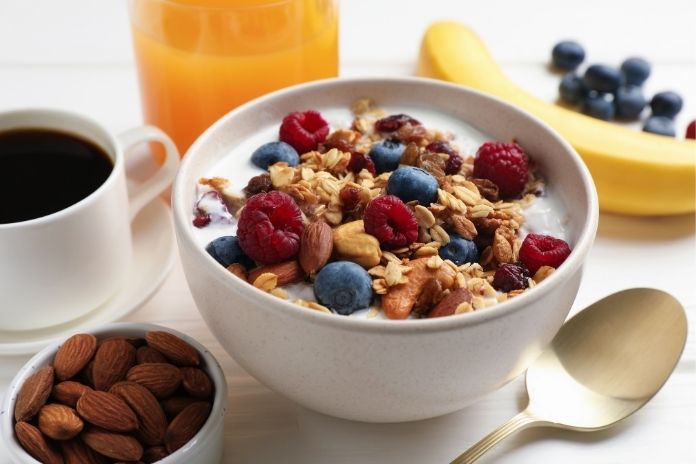
Cooked and cooled oats contain more resistant starch than hot oats because cooling causes starch retrogradation, converting digestible starch into colonic fermentation substrate. Berries add pectin and polyphenols that selectively feed Bifidobacterium and Lactobacillus species. The combination delivers both beta-glucan and resistant starch in a single snack.
Apples are rich in pectin and quercetin, both of which act as prebiotic compounds. Pectin fermentation produces acetate and propionate and has been specifically associated with improved gut barrier integrity. Pairing apple with a whole grain cracker retaining bran adds arabinoxylan and additional beta-glucan, diversifying the fermentation substrate across microbial populations.
Hummus made from chickpeas delivers resistant starch, inulin-type fructans, and galactooligosaccharides simultaneously, making chickpeas among the few foods that provide multiple distinct prebiotic fiber types in a single serving. A quarter cup of hummus contains approximately 3 grams of prebiotic fiber, alongside protein, which further moderates glucose response by independently slowing gastric emptying.
Culinary mushrooms, particularly shiitake, maitake, and oyster varieties, contain beta-glucan concentrations of 15 to 30% of dry weight. A small portion of sauteed mushrooms with rolled oats delivers both fungal and oat-derived beta-glucans, activating the immune response to beta-glucan and providing SCFA precursor material for metabolic signaling.
Who May Benefit Most From Prebiotic Snack Strategies
People with prediabetes, type 2 diabetes, polycystic ovary syndrome, or insulin resistance stand to benefit most because the GLP-1 and barrier-integrity effects directly address their primary metabolic deficits.
Individuals experiencing frequent infections, managing chronic inflammation, or simply consuming less than the recommended fiber intake benefit from the beta-glucan and barrier-protective effects of regular prebiotic fiber. The average American consumes approximately 15 grams of fiber daily, well below the recommended 25 to 38 grams.
In this state, the gut microbiome underproduces SCFAs, undersupports the intestinal barrier, and produces less GLP-1 per meal than metabolic health requires.
Practical Tips to Add Prebiotic Snacks Safely
Increasing prebiotic fiber intake by 5-8 grams per day per week typically causes bloating, gas, and cramping as gut bacteria expand fermentation activity faster than the gut can adapt. Starting with one prebiotic snack daily and adding a second after two weeks allows the microbiome time to shift without overwhelming fermentation capacity.
Soluble fibers, including pectin, beta-glucan, and inulin, absorb water as they gel; drinking an additional 8 ounces of water per major fiber snack added to the routine reduces constipation risk. People with irritable bowel syndrome or small intestinal bacterial overgrowth may not tolerate high-inulin foods, including chicory root, garlic, onion, and Jerusalem artichoke.
Beta-glucans from oats and mushrooms are generally better tolerated because they ferment primarily in the distal colon. Resistant starch from cooled potatoes, rice, and oats is similarly well-tolerated for the same anatomical reason.
Read More: Why Probiotics Might Not Work Without Prebiotics: How to Maximize Gut Health
Key Takeaway
The gut-blood connection is not metaphorical. It is a measurable biochemical pathway that begins when gut bacteria ferment prebiotic fiber and ends with detectable changes in circulating hormones, inflammatory proteins, and glucose control markers.
Prebiotic snacks’ effects on blood sugar are most reliably observed when snacks contain diverse fiber types, are consumed before meals, and are introduced gradually to allow the microbiome to adapt.
The foods that accomplish this most practically, cooled oats, berries, apples, chickpeas, whole grains, and mushrooms, are ordinary foods that have been part of human diets for millennia. What gut bacteria produce in response to these snacks, and what those compounds do when they reach the bloodstream, is a process worth understanding and deliberately supporting every day.
References
- Khalili, L., Park, G., Nagpal, R., & Salazar, G. (2024). The role of Akkermansia muciniphila on improving gut and metabolic health modulation: A meta-analysis of preclinical mouse model studies. Microorganisms, 12(8), 1627.
- Sonnenburg, J. L., & Sonnenburg, E. D. (2022). How the microbiome affects your health and ways to optimise it. The Proof Podcast, Episode 202.
- Sonnenburg, J. L., & Gardner, C. D. (2021). Fermented foods, fibre, and immunity. The Proof Podcast, Episode 191.
- Tolhurst, G., Heffron, H., Lam, Y. S., Parker, H. E., Habib, A. M., Diakogiannaki, E., Cameron, J., Grosse, J., Reimann, F., & Gribble, F. M. (2012). Short-chain fatty acids stimulate glucagon-like peptide-1 secretion via the G-protein-coupled receptor FFAR2. Diabetes, 61(2), 364–371.
- Zhao, L., Zhang, F., Ding, X., Wu, G., Lam, Y. Y., Wang, X., Fu, H., Xue, X., Lu, C., Ma, J., Yu, L., Xu, C., Ren, Z., Xu, Y., Xu, S., Shen, H., Zhu, X., Shi, Y., Shen, Q., & Zhang, C. (2018). Gut bacteria selectively promoted by dietary fibers alleviate type 2 diabetes. Science, 359(6380), 1151–1156.
- Zhong, Y., Nyman, M., & Fak, A. (2024). Highly soluble beta-glucan fiber modulates mechanisms of blood glucose regulation and intestinal permeability. PMC.
- Megur, A., et al. (2022). Classification and ability of prebiotics to modulate the gut microbiota.
- Nutrients Editorial Office. (2023). Dietary fiber and metabolic health outcomes. Journal of Functional Morphology and Kinesiology, 7(3), 59.
- Liu, J., et al. (2023). Dietary fiber and glycemic control: Mechanisms and clinical implications. American Journal of Clinical Nutrition.
- Reynolds, A., et al. (2013). Dietary fiber and chronic disease risk: A systematic review and meta-analysis.
- Artinci. (n.d.). Fiber and diabetes: How a carb that isn’t digested helps control blood sugar.
- Wellbeing Nutrition. (n.d.). Prebiotics and blood sugar: Your complete guide.
- Delzenne, N. M., & Cani, P. D. (2015). Interaction between gut microbiota and host metabolism. In Nutrition and metabolism. Springer.
- Nutrients Editorial Office. (2024). Dietary fiber, gut microbiota, and metabolic regulation. Nutrients, 16(20), 3447.
- NutriSense. (n.d.). Foods that help control blood sugar.
- ClinicalTrials.gov. (2020). Effects of dietary fiber on insulin sensitivity (NCT04611217).
In this Article