















Everyone finds terminating a relationship emotionally taxing, but studies reveal that the emotional impact of divorce on men and breakups may differ from that of women. Men’s reactions to loss are influenced by social norms, coping mechanisms, and support networks.
In this article, we’ll explore how breakups affect men. These psychological and behavioral changes may explain why relationship breakdowns affect men’s mental health, why patterns differ, and what healthy recovery looks like. We’ll also discuss mental health support for men, practical coping strategies, and when professional help is necessary.
- Men often internalize pain, leading to delayed emotional impact after a breakup.
- Depression, anxiety, and unhealthy coping habits like substance use are common risks.
- Support systems and open communication play a key role in long-term recovery.
Read More: How Toxic Masculinity Affects Mental Health, and Why It Hurts Men the Most
Why Relationship Breakdowns Can Impact Men Differently
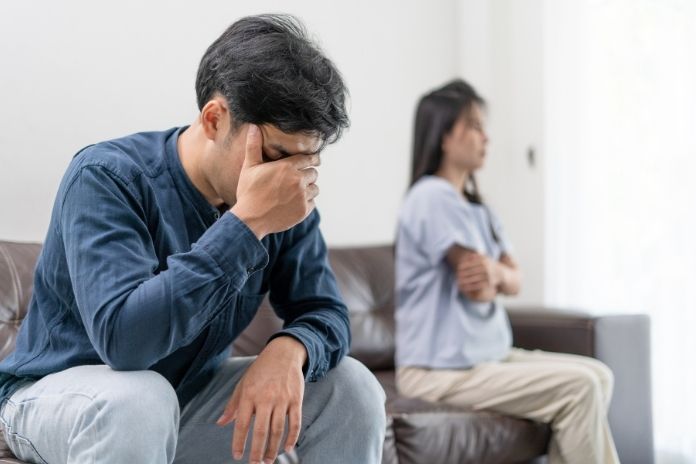
Everyone experiences pain throughout a breakup. Men and women often experience heartbreak differently. Our society usually teaches men to repress their feelings, which affects how they deal with bereavement. Though appearances can be deceiving, many men seem to recover rapidly. Men frequently battle silently and intensely beneath the surface.
After a breakup, women usually turn to their friends and relatives. In contrast, men are more prone to internalize their suffering. Men are discouraged from displaying their vulnerability by our cultural messages, which makes processing their emotions more difficult.
According to research, men may go through “delayed grief.” They might appear alright or even relieved at first. The emotional burden frequently catches up with them weeks or months later. Men’s heartbreak may become less apparent due to this delay. It doesn’t lessen its reality.
Common Mental Health Effects in Men After a Breakup
Nearly 700,000 people worldwide commit suicide each year, with men making up the majority in almost every nation. Suicide continues to be one of the top causes of early mortality for men aged 15 to 44. Ending a close relationship is one of the most frequent and little-discussed causes of male suicide.
A recent worldwide assessment that was published in the journal Psychological Bulletin offered a grim look at the connection between male suicide and relationship failures:
Depression: Men may feel extremely depressed, hopeless, or unworthy. If left untreated, these emotions may result in severe depression.
Anxiety: Worries about being alone or facing rejection in future relationships can trigger serious anxiety.
Low Self-Esteem: After a breakup, men may start to doubt their own value and feel unworthy or rejected.
Unhealthy Coping Mechanisms: Some men may use drugs or alcohol to dull their emotional anguish, which can result in long-term problems with their physical and mental health.
Behavioral Changes to Watch For
After a breakup, males often display certain characteristics:
They Divert Themselves: Whether they are the ones who broke up with you or the ones who stopped the relationship, men frequently divert their attention. I have seen males engage in a variety of post-breakup behaviors, such as excessive partying, playing video games on their phones and PlayStation, and spending a lot of time with friends.
An Increase in Posts on Social Media: This one is somewhat intriguing and directly relates to separation elation. Basically, one of the behaviors you’ll notice when a guy is “feeling himself” following a breakup is that he will start posting frequently on social media.
Increased Alcohol or Drug Usage: One concerning trend is substance use and mental health decline. Men may use drugs or alcohol as a coping mechanism, which can exacerbate rather than alleviate emotional pain.
Overworking or Avoidance Behaviors: Some guys use work or distractions as a coping mechanism. Although this could appear beneficial, it can impede emotional recovery and reveal coping mechanisms and avoidance.
Why Men May Struggle to Seek Help
To put it simply, most guys don’t refuse assistance because they’re lazy or “too proud.” Asking for assistance can feel like breaking a norm they’ve lived by for decades, so they avoid it. The tendency is widespread: many men wait until something compels them to act.
Society often teaches many men to treat emotions as problems to solve rather than signals to pay attention to. Therefore, the natural tendency is to push harder if anything seems strange. Put in extra effort. Put up with it. Maintain stability for everyone else. Avoid discussing topics for which you lack vocabulary.
After that, the pressure increases until a result is required. Support often appears after a crisis rather than before it because of this. Addiction increases this effect because drugs can temporarily help a man maintain his ability to function, allowing him to arrive at work. Pay your bills. Do not turn off the lights. Perhaps even appear “normal” in public.
However, functioning and okay are not the same thing. Coping eventually becomes reliance. The distance between your true self and your desired self grows. You experience more than just anguish when you have to deal with that disparity daily. You feel vulnerable.
Read More: 10 Mental Health Mistakes We Make While Trying to “Be Productive.”
Divorce vs Breakup: Does It Affect Men Differently?

Divorce and breakups are two of the main risk factors for male suicide. Research repeatedly demonstrates that men are far more likely than women to undergo severe emotional pain and to commit suicide after a divorce.
Several factors cause this increased risk:
- Loss of emotional support, especially if the main source of solace was a partner.
- Social isolation occurs because men often find it difficult to maintain robust support systems outside romantic partnerships.
- Financial strain brought on by changes in living arrangements, child support, or divorce settlements.
- Identity crisis, especially if the relationship heavily influenced a man’s sense of purpose and self-worth.
Due to these difficulties, males must have access to emotional support both during and after a breakup, as well as good coping mechanisms.
What the Research Shows—and What Varies
According to a recent study, males are actually more likely than women to feel more emotional sorrow after a breakup, despite the long-held belief that men are less emotionally committed in relationships than women.
A multinational team of psychologists carried out the first-ever “big data” analysis under the direction of Lancaster University researchers to produce a map of the most prevalent relationship issues. They examined information from more than 184,000 users of an anonymous online forum who shared their relationship issues.
According to the findings, communication concerns were the most commonly reported, with almost one in five respondents reporting difficulty discussing issues and one in eight reporting problems with trust in their relationships. Additionally, they discovered that, rather than the difficulties themselves, the most frequently reported theme was the emotional suffering they caused.
Healthy Ways for Men to Cope After a Relationship Breakdown

Rebuilding life after a split or divorce may be quite difficult, as many men lose their regularity, stability, and companionship. Long-term rehabilitation requires developing a new sense of direction and purpose.
Important actions to take to proceed include:
- Regaining independence means devoting time to one’s own interests, objectives, and well-being.
- To avoid isolation, strengthen social ties by reaching out to friends, family, and support groups.
- Establishing healthy boundaries means abstaining from self-destructive habits like binge drinking or participating in harmful rebound relationships.
- Investigating new possibilities using the breakup as an opportunity for personal development, whether via new hobbies, travel, or professional changes.
Read More: How Core Beliefs Affect Your Mental Health
When Professional Support May Be Needed
In counseling, men may explore their feelings and discover healthy coping mechanisms in a safe, encouraging environment. A licensed therapist will provide you with different tools to manage your emotions, help you recognize patterns in your emotional reactions, and boost your self-esteem for future relationships.
Counseling can be life-saving for people experiencing extreme emotional pain since it provides techniques to deal with anxiety, sadness, and low self-esteem.
How Friends and Family Can Offer Support

Promoting Candid, Non-judgmental Dialogue: Establishing a secure environment helps males overcome masculinity norms and stigma.
Identifying Subtle Indicators of Distress: Irritability, withdrawal, or risk-taking may signal deeper issues related to relationship breakdown or men’s mental health.
Reducing Isolation without Putting Pressure on Men: Men can reestablish connections with their social support networks without feeling overburdened by gentle assistance.
Read More: How to Take a Mental Health Day (Without Guilt or Planning a Vacation)
Conclusion
Relationship breakups can have a long-lasting emotional impact, and supporting a healthier recovery requires an awareness of how breakups affect men. Many men struggle with issues including loneliness, emotional repression, and difficulty getting help, which, if ignored, can deteriorate men’s mental health after a breakup.
However, rehabilitation is entirely achievable with greater awareness, stronger support networks, and healthier coping mechanisms. Promoting open communication, reducing stigma, and prioritizing emotional health can help men deal with loss more skillfully.
In the end, understanding the distinct ways men deal with relationship breakdowns enables people, families, and communities to support men more effectively and promote long-term mental resilience.
References
- Affinity Psychological Services. How breakups affect men differently.
- Lucero, O. How men are affected differently by breakups.
- Chris Seiter. (May 4th, 2023). Male Behavior After A Breakup.
- Eric Charles. Decoding Male Behavior: How Guys Deal With Breakups.
- Spirit Mountain Recovery. Why men struggle to ask for help and how recovery changes it.
- Chris Hemmings. (April 7, 2025). Breakups and Divorce in Men – How to Heal and Move Forward.
- Open Access Government. (November 5, 2021). Men experience more emotional pain from a breakup.
In this Article