












Having type 1 diabetes does not mean a teenager has to sit on the sidelines. Thousands of young athletes successfully participate in sports ranging from swimming and soccer to basketball, track, and competitive travel teams. With the right preparation, diabetes can become one aspect of athletic life rather than a barrier to it.
Regular physical activity offers powerful benefits for teens with type 1 diabetes, including stronger cardiovascular health, improved insulin sensitivity, better sleep, enhanced mood, and greater self-confidence. Sports also provide valuable opportunities for teamwork, discipline, and personal growth during adolescence.
At the same time, exercise introduces unique challenges because physical activity can affect blood sugar in complex and sometimes unpredictable ways. Understanding how different sports influence glucose levels and learning how to adjust insulin, nutrition, and monitoring strategies accordingly can help teen athletes stay safe while performing at their best.
- Most teens with type 1 diabetes can safely participate in athletics. Success comes from preparation, monitoring, and individualized diabetes management.
- Aerobic activities often lower glucose, while high-intensity sports may cause temporary spikes. Responses vary by athlete, sport, and timing.
- Blood sugar changes can occur during exercise and even hours later. CGMs, fingersticks, and pattern tracking help prevent surprises.
- Adjusting insulin, fueling properly, staying hydrated, and carrying emergency supplies all help athletes perform safely and confidently.
Read More: The Science Behind Type 1 Diabetes: How It Affects the Body
Can Teenagers with Type 1 Diabetes Play Sports?
Physical activity offers teens with type 1 diabetes the same benefits it provides any young athlete: stronger cardiovascular health, better mood, improved sleep, and a sense of belonging. It also helps build confidence, reinforcing that diabetes does not have to define or limit what they can achieve.
Regular exercise can improve insulin sensitivity over time, making blood sugar management easier beyond practices and competitions. However, exercise affects glucose levels in complex and often unpredictable ways. A teen may see blood sugar drop during a 5K run but rise during a high-intensity basketball tournament the following week.
Responses vary not only between athletes but also from day to day based on factors such as sleep, stress, training intensity, and active insulin levels. Because of this variability, individualized planning is essential. Working with an endocrinologist, certified diabetes care and education specialist, and sports dietitian can help teens develop strategies tailored to their sport, training demands, and insulin regimen.
Dr. Michael C. Riddell, a leading expert on exercise and diabetes, notes that “maintaining normal glucose levels during training, travel, and competition can be a major challenge for athletes living with type 1 diabetes,” highlighting why individualized plans for insulin adjustments, nutrition, and glucose monitoring are essential for athletic success.
How Exercise Affects Blood Sugar Levels
During aerobic exercise, muscles increase their glucose uptake significantly to fuel sustained activity. At the same time, circulating insulin, whether from an injection or a pump, continues working in the bloodstream regardless of the rising energy demand. This combination of increased glucose use and ongoing insulin action is the primary reason blood sugar before sports often needs closer attention than blood sugar on a rest day.
A review published in The Lancet Diabetes & Endocrinology found that prolonged aerobic exercise often lowers blood glucose levels in people with type 1 diabetes, particularly when circulating insulin levels are elevated.
The risk of hypoglycemia is greatest during sustained activities such as running, cycling, or soccer, where working muscles increase glucose uptake faster than the liver can replace it. Not all exercise lowers blood sugar. High-intensity, anaerobic activities like sprinting, weightlifting, or short bursts of competitive play can actually raise glucose levels temporarily.
This happens because intense exertion triggers the release of stress hormones, including adrenaline and cortisol, which signal the liver to release stored glucose into the bloodstream. Competition itself can compound this effect.
The adrenaline of a tournament or a big game can push blood sugar upward even when the physical exertion alone might have lowered it, which is part of why high blood sugar after exercise sometimes surprises young athletes who expected a drop. The type of sport plays a major role in blood sugar responses.
Endurance activities often lower glucose levels, while high-intensity, stop-and-start sports like soccer or hockey can cause unpredictable fluctuations. Duration also matters, with longer sessions generally having a greater impact. Timing is equally important. Exercising soon after a meal with active insulin on board carries different glucose risks than exercising in a fasted state.
Checking Blood Sugar Before, During, and After Sports
Checking blood sugar before sports establishes a clear starting point and informs decisions about whether a snack, an insulin adjustment, or simply proceeding as planned is the right call. Starting a practice or game with an unknown glucose level removes the ability to anticipate and respond to changes as they happen.
For activities lasting beyond 30 to 45 minutes, checking blood sugar partway through, particularly during breaks, halftime, or natural pauses in play, helps catch a developing low or high before it becomes disruptive to performance or safety.
One of the most underappreciated risks in managing type 1 diabetes and sports is delayed-onset hypoglycemia, which can occur several hours after activity has ended, including overnight. Muscles continue replenishing glycogen stores for hours after exercise stops, which can pull glucose down well after a practice or game has finished.
Research published in the Journal of Clinical Endocrinology & Metabolism found that adolescents with type 1 diabetes faced an increased risk of delayed nocturnal hypoglycemia following afternoon exercise, highlighting the importance of overnight glucose monitoring after intense training sessions or competitions.
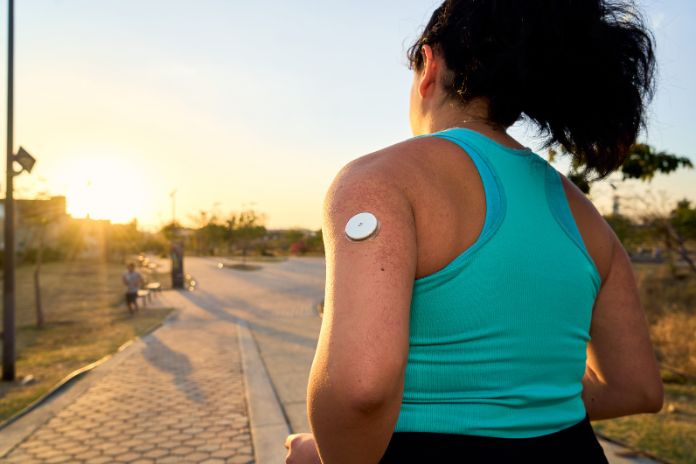
Continuous glucose monitors (CGMs) are valuable tools for athletes, providing real-time glucose trends that help identify rising or falling blood sugar during exercise. However, sensor readings can occasionally lag during intense activity. If a reading doesn’t match symptoms or will guide a major treatment decision, a fingerstick test is recommended for confirmation.
Read More: Waking Up Sweaty? Why Your “Night Terrors” Might Actually Be Nocturnal Hypoglycemia
Insulin and Exercise: Why Timing Matters
Active insulin, meaning insulin still working in the body from a recent bolus or basal delivery, significantly raises the risk of exercise-related hypoglycemia. Exercising with a substantial amount of active insulin on board essentially combines two glucose-lowering forces at once, which can cause blood sugar to fall faster and further than expected.
Insulin and exercise management often call for proactive adjustments rather than reactive ones. Depending on the individualized plan developed with a diabetes care team, this might mean reducing a pre-exercise bolus, adjusting basal rates ahead of a known activity window, or timing meals and insulin doses around practice schedules.
Dr. Sheri Colberg, a leading expert in diabetes and exercise physiology, notes that “balancing carbohydrate intake with needs based on the intensity and duration of physical activity and circulating insulin levels becomes critical for prevention of hypoglycemia.”
This highlights the importance of proactively adjusting insulin and nutrition before exercise rather than waiting to treat a low blood sugar episode after it occurs. Insulin pump and sports participation require some practical planning. Athletes need to decide whether to wear the pump during a given activity, use a temporary basal rate reduction, or briefly disconnect for swimming or contact sports.
Any disconnection should be limited and accounted for, since extended time without basal insulin delivery raises the risk of high blood sugar and, in some cases, ketone development. Protecting the pump site and tubing during contact sports and securing CGM sensors with extra adhesive during sweat-heavy activities are practical details that make a meaningful difference in day-to-day reliability.
Read More: Insulin Production and The Role of Insulin in Type 1 Diabetes Management
Nutrition Strategies for Teen Athletes with Type 1 Diabetes

Type 1 diabetes sports nutrition starts with a pre-exercise meal or snack that balances carbohydrates for fuel with enough protein and fat to support sustained energy. The specific composition and timing should be individualized, but the underlying goal is consistent: avoid starting an activity with blood sugar trending downward and insufficient fuel on board.
For activities extending beyond an hour, particularly endurance sports, additional carbohydrates during the activity itself may be necessary to sustain blood sugar and performance. The exact amount and timing depend on the athlete’s individual response patterns, which are best identified through trial and tracking over multiple training sessions.
Recovery nutrition after sports plays a dual role for teens with type 1 diabetes: replenishing glycogen stores and supporting muscle repair, while also accounting for the delayed glucose-lowering effect that continues for hours after activity ends. A post-exercise snack or meal that includes both carbohydrates and protein supports this recovery process.
Hydration affects both athletic performance and blood sugar accuracy. Dehydration can concentrate blood glucose readings and impair physical performance independent of glycemic control. Consistent fluid intake before, during, and after activity supports both goals simultaneously.
Read More: Debunking Nutrition Myths for People with Type 1 Diabetes
Preventing Low Blood Sugar During Sports
Low blood sugar during exercise can present as shaking, sweating, sudden weakness, confusion, irritability, or a noticeable drop in coordination or performance. Because some of these symptoms can resemble normal fatigue from physical exertion, teen athletes and the adults around them need to know the specific patterns that suggest hypoglycemia rather than ordinary tiredness.
Fast-acting carbohydrates, such as glucose tablets, juice boxes, or regular soda, should be within arm’s reach during every practice and every game, without exception. Emergency preparedness during practices and games means these supplies travel with the athlete, not in a locker or a separate bag that requires time to access during a developing low.
Coaches and teammates do not need detailed medical training, but they do need to recognize the basic signs of hypoglycemia and know what to do if a teen athlete appears confused, unsteady, or unresponsive.
A coach who knows to pause a drill and offer juice at the first sign of trouble, or to call for help if symptoms escalate, adds a meaningful layer of safety that the athlete alone cannot provide for themselves in the moment.
Managing High Blood Sugar During Athletic Activities
High blood sugar after exercise is often tied to the intensity of competition rather than activity duration alone. Sprint-heavy sports, weightlifting, and high-stakes competitive moments all trigger stress hormone release that can push glucose upward, sometimes surprising athletes who anticipated a drop based on experience with steadier aerobic activity.
Ketone testing becomes relevant when blood sugar is significantly elevated, particularly above levels specified in the athlete’s individualized care plan. Exercising with high blood sugar and elevated ketones can be dangerous, as physical activity in this state can worsen ketone production rather than help bring glucose down.
If pre-exercise blood sugar is significantly elevated and ketones are present, delaying activity until levels are corrected is the safer choice. Pushing through a workout or game in this state increases the risk of diabetic ketoacidosis, a serious medical emergency that requires prompt treatment.
How Different Sports Can Affect Blood Sugar
Running, cycling, and swimming tend to produce steady, predictable drops in blood sugar due to sustained aerobic demand. These sports often require the most proactive carbohydrate and insulin planning because the glucose-lowering effect tends to be more consistent and pronounced.
Basketball, soccer, and hockey combine bursts of anaerobic effort with sustained aerobic activity, making blood sugar responses considerably less predictable. The mix of sprinting, stopping, and competitive intensity can cause glucose to swing in either direction within a single game.
Weightlifting and resistance exercise tend to raise blood sugar in the short term due to the anaerobic, stress hormone-driven response, though this can be followed by a delayed drop as muscles work to replenish glycogen in the hours afterward.
Because playing sports with type 1 diabetes produces such individualized responses, keeping a simple log of blood sugar readings before, during, and after specific activities builds a personal reference over time. This pattern recognition becomes one of the most valuable tools an athlete has, often more useful in practice than general guidelines alone.
Read More: Dealing with Hypoglycemia and Hyperglycemia When You Have Type-1 Diabetes
Preparing for Games, Tournaments, and Travel
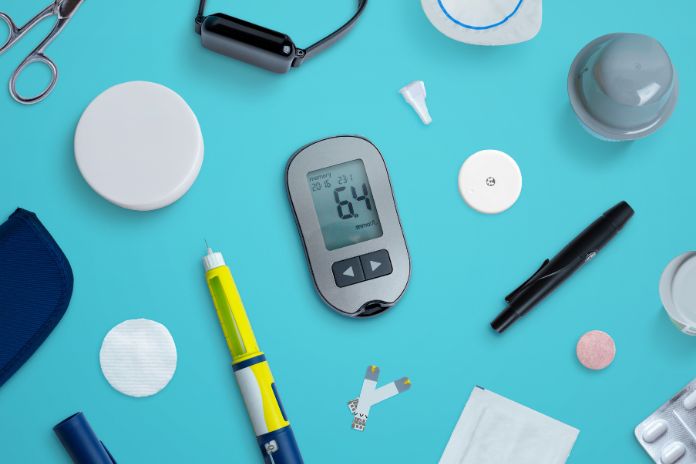
Tournaments and away games call for backup supplies beyond what a typical practice requires: extra insulin, CGM sensors and transmitters, pump supplies, test strips, and a reliable glucose meter as a backup to CGM technology.
Travel schedules, unfamiliar meal timing, and unpredictable game delays can all disrupt the routine an athlete relies on for stable blood sugar. Building flexibility into the diabetes care plan, including backup snacks and a clear sense of how to adjust insulin around schedule changes, reduces the stress these disruptions can cause.
A written emergency action plan covering severe hypoglycemia, including when and how to use glucagon, along with a list of emergency contacts, should travel with the team to every away game and tournament. Coaches and team staff should know where this plan is kept and how to act on it.
The Role of Parents, Coaches, and School Staff
Open communication between parents, coaches, school nurses, and the diabetes care team creates a safety net that benefits the teen athlete without requiring the athlete to manage every detail alone.
This kind of coordinated support is similar in spirit to the structured planning recommended for younger children managing chronic respiratory conditions during physical activity, where a clear written plan shared among the adults involved makes a measurable difference in safety.
A diabetes action plan for sports should be specific to the athlete, outlining target blood sugar ranges for practice and competition, instructions for treating lows and highs, emergency contact information, and clear guidance on when activity should be paused or stopped.
As teens mature, gradually shifting more day-to-day management responsibility to them, while keeping adults informed and ready to step in when needed, supports the development of self-management skills that will serve them well beyond their playing years.
When to Contact the Diabetes Care Team
Recurring hypoglycemia tied to a specific sport or training schedule signals that insulin dosing or timing adjustments are needed, and this should prompt a conversation with the diabetes care team rather than ongoing trial and error alone.
Consistent hyperglycemia following competition or intense training, particularly when accompanied by ketones, warrants a focused review of the athlete’s pre-exercise routine and insulin strategy.
If managing blood sugar during exercise feels like it’s consistently working against athletic performance despite a solid plan, the care team can help refine the approach, sometimes with support from a sports dietitian familiar with diabetes management for young athletes.
Moving from recreational play to a competitive travel team, or significantly increasing training volume, changes the glucose demands of exercise substantially and typically calls for an updated plan.
Read More: Type 1 Diabetes in Children: Tips for Parents and Caregivers
The Takeaway: Type 1 Diabetes Doesn’t Have to Sideline Teen Athletes
Type 1 diabetes should not prevent teenagers from pursuing the sports and activities they enjoy. With individualized planning and consistent monitoring, most young athletes can safely train, compete, and reach their athletic goals.
Because exercise affects blood sugar differently depending on the athlete, the sport, and the circumstances, there is no universal approach that works for everyone. Learning personal patterns and making informed adjustments to insulin, meals, and activity schedules is a critical part of successful diabetes management.
The most effective strategy combines support from healthcare providers, family members, coaches, and school staff with the athlete’s growing self-management skills. Over time, this partnership helps teens build confidence, maintain safety, and prove that type 1 diabetes does not have to limit their athletic potential.
References
- Riddell, M. C., Iscoe, K. E., & others. (2010). Physical activity, exercise and pediatric diabetes. Pediatric Diabetes, 11(Suppl. 12), 60–70.
- Danne, T., Phillip, M., Buckingham, B. A., Jarosz-Chobot, P., Saboo, B., Urakami, T., & Hanas, R. (2022). ISPAD Clinical Practice Consensus Guidelines 2022: Exercise in children and adolescents with diabetes. Pediatric Diabetes.
- Colberg, S. R., Sigal, R. J., Yardley, J. E., Riddell, M. C., Dunstan, D. W., Dempsey, P. C., Horton, E. S., Castorino, K., & Tate, D. F. (2016). Physical activity/exercise and diabetes: A position statement of the American Diabetes Association. Diabetes Care, 39(11), 2065–2079.
- Yardley, J. E., Sigal, R. J., Perkins, B. A., Riddell, M. C., Kenny, G. P., & others. (2013). Managing diabetes in athletes with type 1 diabetes. Canadian Journal of Diabetes, 37(6), 420–426.
- Scott, S. N. (2023). Exercise and type 1 diabetes: There is no one-size-fits-all approach. Dietitian Approved.
- Chiang, J. L., Maahs, D. M., Garvey, K. C., Hood, K. K., Laffel, L. M., Weinzimer, S. A., Wolfsdorf, J. I., Schatz, D., & Type 1 Diabetes Sourcebook Authors. (2018). Type 1 diabetes through the life span: A position statement of the American Diabetes Association. Diabetes Care, 41(9), 2026–2044.
- Riddell, M. C., Gallen, I. W., Smart, C. E., Taplin, C. E., Adolfsson, P., Lumb, A. N., Kowalski, A., Rabasa-Lhoret, R., McCrimmon, R. J., Hume, C., Annan, F., Fournier, P. A., Graham, C., Bode, B., Galassetti, P., Jones, T. W., Millán, I. S., Heise, T., Peters, A. L., & others. (2017). Exercise management in type 1 diabetes: A consensus statement. The Lancet Diabetes & Endocrinology, 5(5), 377–390.
- Moser, O., Eckstein, M. L., McCarthy, O., Deere, R., Bain, S. C., Haahr, H., Zacho, M., Heise, T., & Riddell, M. C. (2015). Performance of continuous glucose monitoring systems during exercise in type 1 diabetes. Journal of Diabetes Science and Technology, 9(5), 1044–1051.
- Forlenza, G. P., Li, Z., Buckingham, B. A., Pinsker, J. E., Cengiz, E., Wadwa, R. P., & others. (2020). Predictive low-glucose suspend reduces hypoglycemia in children, adolescents, and adults with type 1 diabetes. Diabetes Technology & Therapeutics.
- Colberg, S. R., Sigal, R. J., Yardley, J. E., Riddell, M. C., Dunstan, D. W., Dempsey, P. C., Horton, E. S., Castorino, K., & Tate, D. F. (2016). Physical activity/exercise and diabetes: A position statement of the American Diabetes Association. Diabetes Care, 39(11), 2065–2079.
In this Article