


















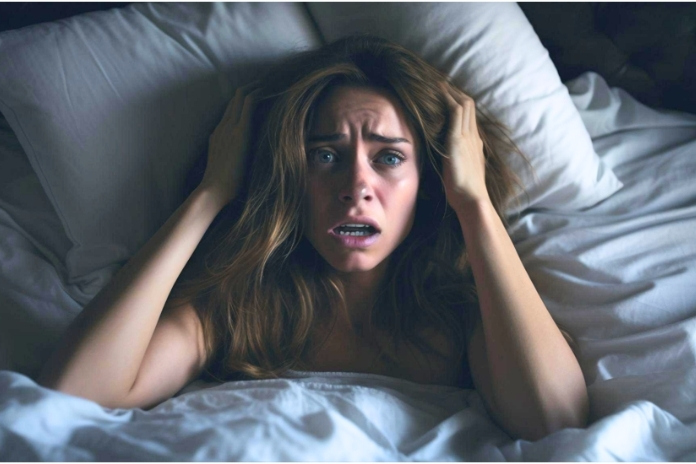
Many people wake up suddenly at night, wet with sweat, heart beating fast, mind confused, and sometimes they may even cry or shout. The next morning, they casually say, “I had a bad dream” or “night terror.”
But for a large number of people living with diabetes, and even some without a formal diagnosis, the real problem is not psychological at all. It is biological. It is a silent drop in blood sugar while the body is asleep.
What makes nocturnal hypoglycemia dangerous is not only the low sugar itself. It is a fact that the warning signals of the body are blunted during sleep. The brain is half-functioning. The person does not test for sugar. The episode passes unnoticed. Only the symptoms remain.
This is one of the most commonly missed causes behind repeated night awakenings with sweating, fear, and confusion. This article looks at nocturnal hypoglycemia not as a textbook complication but as a mislabelled sleep problem that deserves much more clinical attention.
Understanding Nocturnal Hypoglycemia
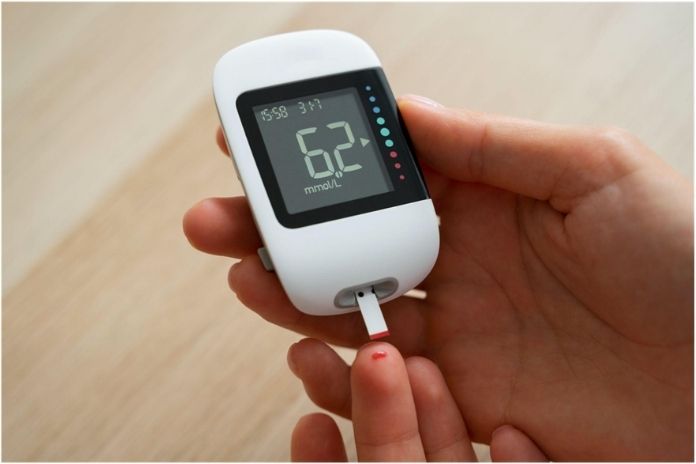
Nocturnal hypoglycemia means a fall in blood glucose during sleep, usually between midnight and early morning hours. Clinically, it is defined as glucose falling below 70 mg/dL while sleeping.
But in real life, symptoms can start even before this number, especially in people who have lived with diabetes for many years.
The brain depends almost entirely on glucose. During sleep, when glucose drops, the body activates emergency hormones like adrenaline and cortisol to push sugar back into circulation. These hormones do not work quietly. They produce physical reactions.
So the real disturbance is not the low sugar alone. It is the hormonal storm that people experience as panic, sweating, and sudden awakening.
Common Symptoms That Happen While You Sleep
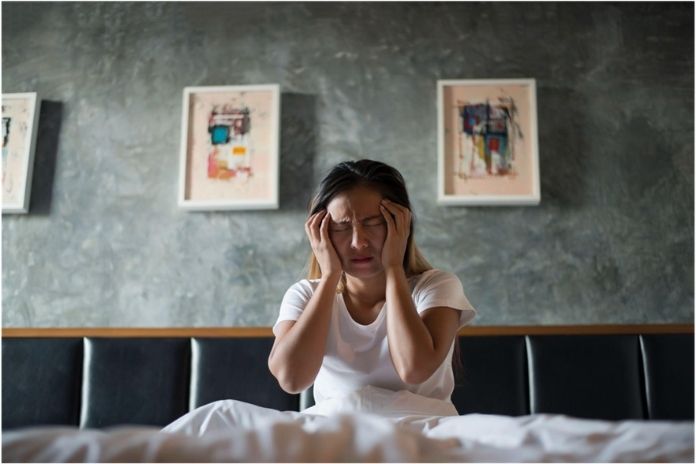
The symptoms are:
- Drenching sweat, especially around the neck and chest
- Rapid or pounding heartbeat
- Sudden feeling of fear or panic without a clear reason
- Shaking or internal tremors
- Confusion on waking
- Headache on waking in the morning
- Feeling unusually tired or dull the next day
- Wet bedclothes even in a cold room temperature
“Patients with nocturnal low blood sugar say this is the hardest thing they have to deal with. It upsets their whole day, and they feel terrible,” said Dr. Anthony L. McCall, an endocrinologist.
Important Note: People often remember only fragments. The brain during hypoglycemia cannot form proper memory. So the episode may feel like a strange dream or emotional event.
Nocturnal Hypoglycemia vs Night Terrors: How to Tell the Difference
Night terrors and low sugar episodes can look similar on the surface. But the triggers and patterns are very different.
Timing Pattern: Night terrors usually occur in the first one-third of sleep. Nocturnal hypoglycemia most often appears in the second half of the night, especially between 2 am and 5 am.
Body Symptoms: Night terrors mainly involve shouting, sitting up, or appearing frightened. Hypoglycemia produces physical signs, such as sweating, shaking, a fast pulse, and weakness.
Morning Feeling: After a night terror, the person usually feels well in the morning. After nocturnal hypoglycemia, people often feel lightheaded, tired, irritable, or have a morning headache.
Link with Daily Routine: Night terrors are not strongly linked to meals, exercise, or medicines. Low sugar episodes are strongly linked to insulin dose, skipped dinner, alcohol, or heavy evening activity.
Response to Glucose: This is the most important difference. If taking a small amount of fast-acting carbohydrate at night improves the symptoms within minutes, it strongly supports hypoglycemia rather than a sleep disorder.
Why Blood Sugar Drops Overnight
Nighttime glucose control is more complex than most people realize. Several silent factors combine.
Medication or Insulin Timing
Long-acting insulin or certain oral diabetes medicines can peak during sleep. Sometimes the daytime dose seems perfectly adjusted. But the pharmacology does not match the person’s sleep cycle. Even small timing mismatches can create a narrow window of low sugar at night.
This is particularly seen when:
- Basal insulin is taken late in the evening
- Sulfonylurea drugs are taken at dinner
- The corrected insulin dose is used before bed
The problem is not always an overdose. It is often timing.
Skipping Dinner or a Bedtime Snack
People who eat very light dinners or skip meals due to late work, dieting, or digestive discomfort create a long fasting window. Liver glucose output normally supports overnight needs. But in diabetes, that balance is unstable.
A small mismatch between insulin and available liver glucose can push levels down silently. This is especially relevant for people who had good diet control recently but reduced portion size.
Evening Alcohol Use
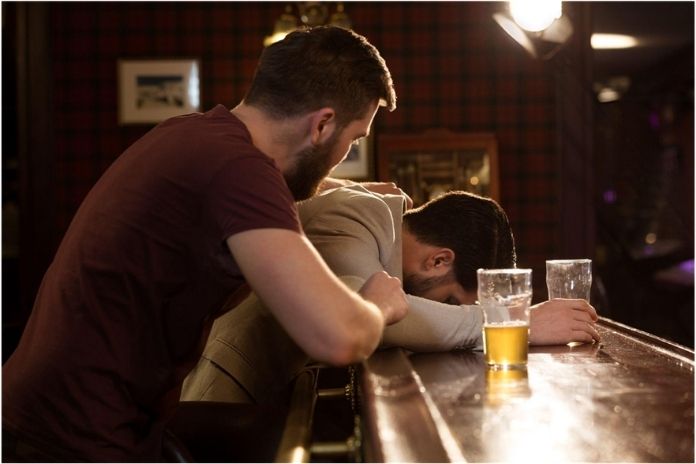
Alcohol blocks the liver’s ability to release glucose. The dangerous part is timing. Alcohol may not cause immediate low blood sugar. It commonly triggers delayed hypoglycemia several hours later, exactly when the person is asleep.
Many patients report “only one drink” and do not associate it with night symptoms. But the biochemical effect is strong and well-documented.
Late or Intense Exercise
Exercise increases insulin sensitivity for many hours. A heavy workout at 7 pm can lower glucose at 2 am. The mistake many people make is checking glucose after exercise and finding it normal, then assuming the risk is gone. The delayed effect is the real issue.
How to Confirm If It’s Low Blood Sugar: Not a Nightmare
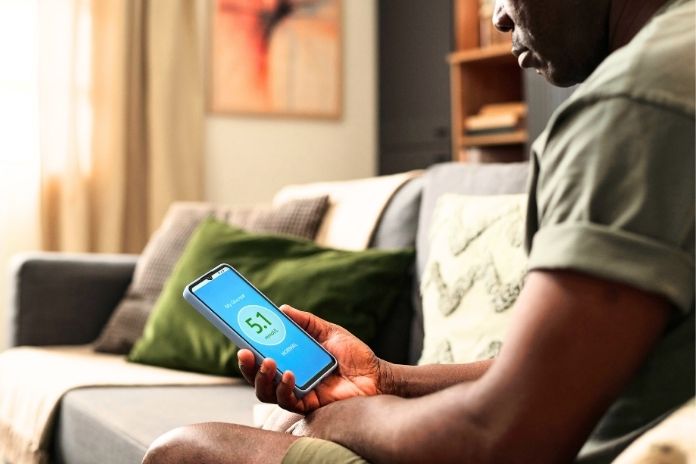
If you wake up suddenly with sweating, shaking, or fear, test your blood sugar immediately. Do not wait. Do not calm yourself first. Test while the symptoms are present. If glucose is below 70 mg/dL, the diagnosis is straightforward.
If you use a continuous glucose monitor, look for:
- Gradual downward slope before awakening
- Repeated dips at similar times on different nights
- Rebound high glucose in the morning
Some people do not show extremely low numbers but still have strong symptoms. This happens in individuals who usually run high glucose. A rapid drop from 220 to 90 can trigger full adrenergic symptoms even though 90 mg/dL is technically normal.
So do not rely only on the number. Look at the direction and speed of fall.
Preventing and Managing Nocturnal Hypoglycemia
The goal is not simply to raise blood sugar at night. The goal is to stabilize the night glucose curve.
Monitor Blood Sugar Before Bedtime
Pre-bed glucose should not be evaluated in isolation. It should be considered along with how active the evening was, what type of dinner was eaten, whether alcohol was consumed, and whether corrected insulin was used.
A safe bedtime range may differ between individuals. For many people with repeated night episodes, going to bed at 90 mg/dL is riskier than going to bed at 130 mg/dL. Rigid targets can be harmful when night symptoms are present.
Adjust Medication or Insulin With Guidance
Most nocturnal hypoglycemia can be improved by:
- Shifting basal insulin dose timing
- Reducing evening basal dose
- Separating the correction insulin from bedtime
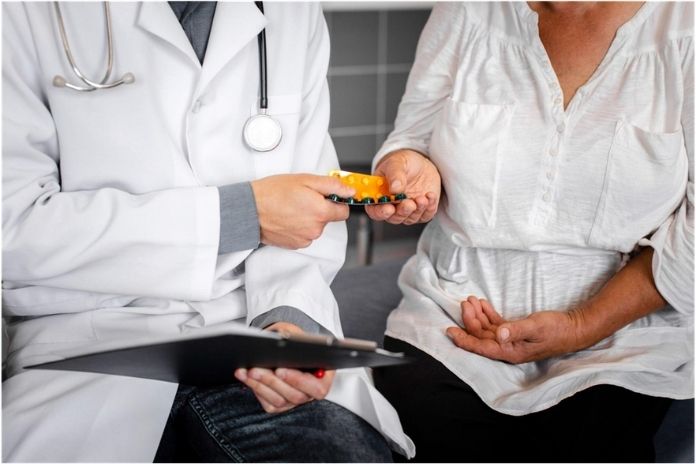
This should always be done with professional supervision.
One under-recognized issue is stacking. People correct a slightly high reading before sleep and forget that long-acting insulin is already active. The combined effect peaks during sleep.
Have a Balanced Bedtime Snack
This is not about eating sweets before bed. A useful bedtime snack usually contains a slow-digesting carbohydrate and a small amount of protein or fat.
Examples include a small portion of yogurt with nuts or toast with peanut butter. The purpose is to provide sustained glucose release rather than a spike. Pure sugar snacks may help immediate symptoms, but do not protect the later hours of sleep.
Limit Alcohol Before Bed
If you take alcohol, then take it with food and preferably earlier in the evening. People who have had recent episodes should treat alcohol as a risk factor, never as a casual habit.
Testing just once during the night after taking alcohol, even if you feel well, can save you from repeated episodes.
Use a Continuous Glucose Monitor (CGM)
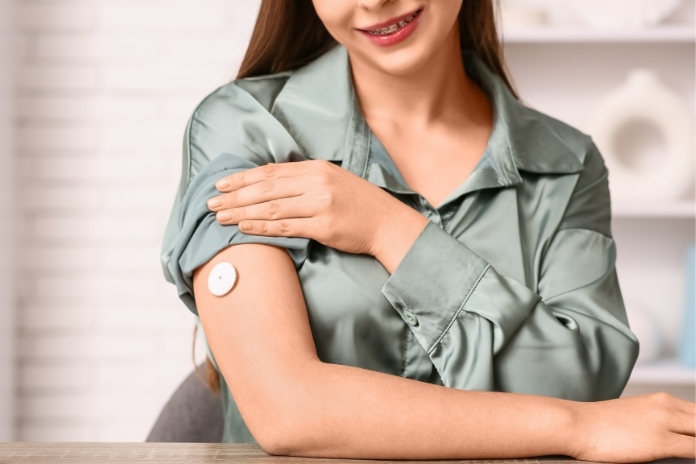
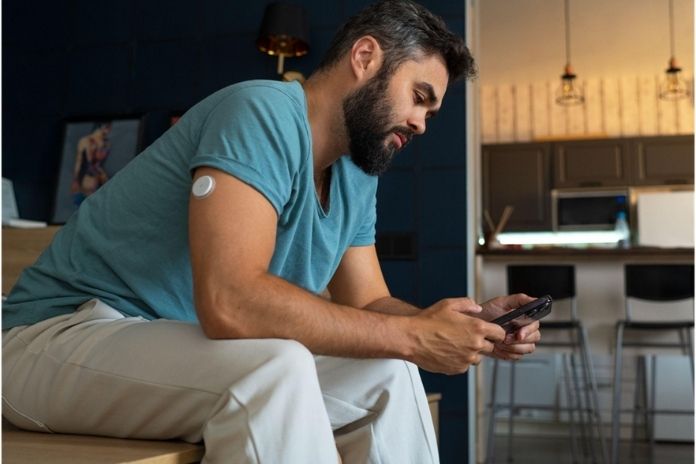
CGM is not only about alarms. The biggest benefit is pattern recognition. Many patients discover a consistent low window that they never suspected. This allows targeted adjustments instead of general dose reductions.
However, false security from alarms must be avoided. Some people sleep through alerts. Vibrating alerts or family-shared monitoring can be useful for high-risk individuals.
Read More: Sweat It Out: 12 Compelling Reasons Why Physical Activity Is Your Best Medicine
When to Talk to Your Doctor
Night symptoms can be easy to brush off, especially if they pass quickly or seem occasional. But repeated nighttime disturbances deserve attention.
“If you’re regularly waking up soaked in sweat, experiencing sudden night sweats accompanied by weight loss, or if your night sweats are keeping you from getting quality sleep, it’s time to talk to your doctor,” says Dr. Aarthi Ram, neurologist and sleep medicine expert at Houston Methodist.
You should consult your doctor if:
- You wake up sweaty or shaky more than twice per week
- Your morning readings are often unexpectedly high
- You have reduced awareness of daytime low sugar
- You live alone and are unsure about night episodes
- You recently changed medication or insulin
Night-time hypoglycemia is a strong marker of future severe hypoglycemia risk. It is not just an inconvenience.
Read More: Why You Sweat After Eating Meat: Causes, Triggers, and When to Worry
Final Thoughts
Calling every panic-like awakening a nightmare is easy. Investigating glucose patterns is harder but far more useful. The brain under low sugar behaves very differently from the brain under emotional stress. Yet the outward appearance is almost identical.
The real issue is not whether nocturnal hypoglycemia happens. It is how quietly it happens. Until people begin to look at their night symptoms as metabolic signals instead of sleep problems, this condition will continue to stay under-recognized in routine care.
- Nighttime sweating and panic episodes are often metabolic events instead of psychological sleep disturbances.
- Rapid glucose drops, even without very low absolute numbers, can trigger severe adrenergic symptoms.
- Evening exercise and alcohol remain two of the most underestimated contributors to overnight hypoglycemia.
- CGM trend interpretation is more clinically useful than relying on alarm thresholds alone.
- There is very limited real-world research on how sleep architecture, stress hormones, and nocturnal hypoglycemia interact, especially in people with long-standing type 2 diabetes and partial hypoglycemia unawareness.
FAQs
1. Can nocturnal hypoglycemia happen to me if I do not have diabetes?
Yes. It may occur in rare hormonal disorders, severe liver disease, or after heavy alcohol intake combined with prolonged fasting.
2. Why am I feeling anxious and emotional during night episodes?
Low glucose activates adrenaline. This causes fear and emotional instability even without any psychological trigger.
3. Is my high sugar in the morning always due to low sugar at night?
No. It can be due to natural hormone release.
4. Are my sleeping pills causing low sugar symptoms?
Sedatives can reduce awareness and delay awakening during hypoglycemia. This increases the risk if night episodes occur.
5. Should I increase having bedtime sugar food to avoid night lows?
No. Proper medication adjustment is safer than raising targets blindly.
References
- Centers for Disease Control and Prevention. (2024, May 31). About Low Blood Sugar (Hypoglycemia). Diabetes.
- Kulzer, B., Freckmann, G., Ziegler, R., Schnell, O., Glatzer, T., & Heinemann, L. (2024). Nocturnal hypoglycemia in the era of continuous glucose monitoring. Journal of Diabetes Science and Technology, 18(5).
- SA Health. (n.d.). Night time Hypoglycaemia.
In this Article