















- Gentle, controlled stress builds resilience without overwhelming your body.
- Pair stress with recovery to activate healing and balance.
- Breathwork, movement, and cold exposure help regulate your nervous system.
Fitness culture has long propagated the notion that “no pain, no gain” is the only way to get ahead. However, contemporary physiology and in the neuroscience point to a more complex reality: not all stress must be severe or draining to be advantageous. In fact, when combined with appropriate recuperation, physical eustress, a type of controlled, constructive stress, can enhance general resilience and promote nervous system regulation.
This article examines the science of positive stress exercise, how it works, and how to naturally regulate the nervous system. We’ll also cover practical exercises that calm the nervous system, explain the role of the autonomic nervous system, and discuss safe ways to incorporate gentle movement for stress recovery into your routine.
Read More: 9 “No Pain, No Gain” Beliefs That Did More Harm Than Good
What Is Physical Eustress and How Is It Different From Harmful Stress?
The Difference Between Eustress and Distress
Distress and eustress are terms that help us understand the different types of stress. Distress, which includes bad feelings and is often hard to deal with, is at one end of the scale. Eustress, on the other hand, is hard but enjoyable.
Eustress can happen when people think they can handle a problem or find a way out of it. For example, people may worry about an exam even if they are sure they will pass. Then they might feel proud or successful.
On the other hand, distress can occur when someone feels they can’t handle their situation or is too stressed out. For example, a person might feel anxious or scared if they haven’t studied for an upcoming test.
But distress isn’t always bad. People who are angry about something can sometimes be motivated to fix it, which can make things better in the long run. Their perception of the stress may change over time as well.
How Stress Affects the Nervous System
It is a big deal. It includes several important steps:
Activation of the Autonomic NS: The autonomic nervous system triggers the “fight or flight” response when it is activated. The body releases cortisol and adrenaline.
Long-Term Stress’s Effects: Long-term stress can cause neuroinflammation. Long-term stress impairs neuronal function. It makes mental health problems worse.
Disruption of Homeostasis: The constant activation of the stress cycle disrupts the body’s balance. It affects sleep, digestion, and the immune system.
Why Small Stressors Can Build Nervous System Resilience
The idea of hormesis can explain the benefits of positive stress exercise. The theory of hormesis states that mild stress strengthens biological systems. For instance:
- Although exercise causes short-term tension, it strengthens muscles
- Exposure to cold triggers adaptive reactions
- Breathwork enhances activation of the parasympathetic nervous system
Signs Your Nervous System May Be Dysregulated
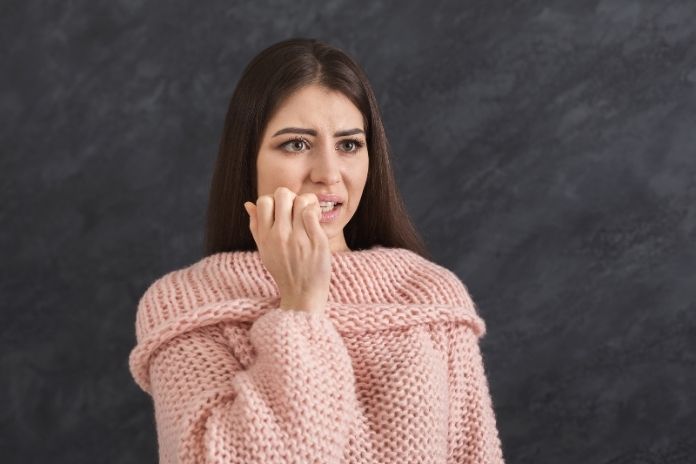
The body frequently exhibits obvious symptoms when it struggles with nervous system healing techniques. You can take remedial action if you identify these early.
- Signs of heart disease
- Signals related to respiration
- Digestive discomfort
- Musculoskeletal strain
- Fatigue and sleep
- Sensitivity to the senses
These symptoms often reflect an imbalance between the fight-or-flight response and the rest-and-digest state.
Read More: How to Calm a Dysregulated Nervous System in 5 Minutes: Fast, Science-Backed Methods
How Physical Eustress Can Support Nervous System Regulation
Gentle Movement That Releases Stress Without Overwhelming the Body
One of the safest ways to use physical eustress is through gentle movement for stress recovery. These exercises sufficiently challenge the body to encourage adaptation without causing discomfort. Effective movement examples include:
- Taking walks or treks
- Picking a pastime that requires patience
- Dancing
- Engaging in a sport
- Doing yoga
- Exercising at a low intensity
- Tai Chi
Positive stress exercises like these could:
- Boost oxygen supply and circulation
- Boost the release of endorphins
- Encourage the activation of the parasympathetic nervous system
- Encourage somatic regulation by moving with awareness
Short-Duration Stressors That May Activate Recovery Pathways

Cold Exposure in Controlled Amounts
The use of cold exposure in techniques aimed at supporting the nervous system is becoming increasingly popular. Taking a cold shower or spraying cold water on your face for a short time can stimulate the vagus nerve.
It could help you recover faster and support activities that stimulate the vagus nerve. Some possible benefits include improved circulation, reduced inflammation, and a better mood.
Breath-Linked Vagus Nerve Stimulation
The vagus nerve is the main nerve in the parasympathetic nervous system. This part of the nervous system is responsible for rest, relaxation, and recovery. When vagal activity is high, the body can recover from stress and get back to normal faster.
Research indicates that the vagus nerve is essential for mental, physical, and cognitive health. Stimulating it can help reduce anxiety, sadness, inflammation, and the body’s fight-or-flight stress response.
The Buteyko Method is especially useful because it teaches you how to breathe differently throughout the day. However, many other breathing techniques can also stimulate the vagus nerve. It means that vagal activation continues during rest, movement, and sleep, and it doesn’t stop when the exercise is over.
The Buteyko Method bases its direct vagus nerve stimulation on four main ideas:
- Breathing through the nose
- Taking shallow breaths
- Take your time breathing
- Take deep breaths and use your diaphragm
Strength Training That Teaches the Body to Stay Calm Under Load
Mindful Resistance Training: When performed properly, strength training can be a potent kind of physical eustress. Concentrate on moderate intensity and controlled breathing rather than pushing yourself to the point of exhaustion. By teaching the body to remain composed under pressure, this method enhances the equilibrium of the autonomic nervous system.
Conscious Tension and Release: Planks and other isometric workouts let you feel controlled tension. They teach the body how to transition from tension to relaxation when combined with breathing. It improves body awareness and promotes somatic regulation.
Progressive Muscle Relaxation: Muscle groups are contracted and released during this therapy. It may reduce anxiety, improve sleep, and activate the rest-and-digest state. Many practitioners use it frequently in nervous system-healing approaches.
Read More: Are You in Survival Mode? Signs Your Nervous System Is Dysregulated (And What to Do About It)
Somatic Grounding Techniques That Support Nervous System Balance
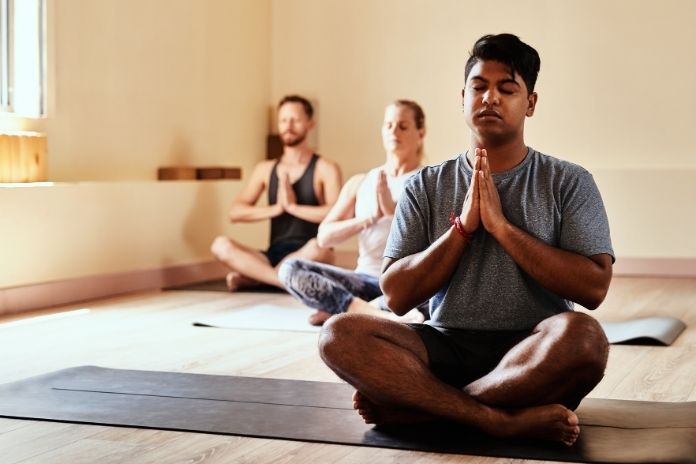
Grounding Through Physical Contact With the Environment
Psychology Today says that “grounding” refers to methods that help people feel more connected to their bodies, the world around them, and the present moment. It is often used as a way to deal with stress, anxiety, and dissociation, as well as to help with other emotional problems.
Grounding techniques shift attention from a person’s internal emotional or cognitive state to their immediate environment by engaging the senses. Going outside barefoot, also called “earthing,” is often recommended to help the autonomic nervous system stay balanced.
Touch-Based Regulation
Touch has a big effect on how the nervous system works. Giving yourself a massage or being hugged are simple ways to relax. These methods may raise oxytocin levels, lower cortisol levels, and help the parasympathetic nervous system get going.
How to Use Physical Eustress Safely
Start With Small, Consistent Stressors: Consistency is more important than intensity when applying physical eustress. Start with easy tasks and work your way up to more challenging ones. By doing this, stress resilience is increased without overtaxing the system.
Pair Stress With Recovery: Adaptation doesn’t happen during stress; it happens during recuperation. Make sleep, water, and rest days a priority to assist nervous system regulation. Even constructive stress-reduction exercises might be detrimental without recovery.
Choose Activities That Feel Sustainable: A key component of long-term success is enjoyment. Rewarding activities are more likely to promote neuroplasticity and regular practice. Persistent exhaustion, elevated worry, and restless nights are warning indicators of concern. If these occur, lower the intensity and focus on gentle movement to relieve tension.
When to Seek Medical or Mental Health Support

Physical eustress is not a substitute for any medical care, even though it promotes wellness.
Seek expert assistance if you encounter:
- Persistent fear or panic
- Persistent sleeplessness
- Symptoms associated with trauma
- Severe reactions to stress
Read More: How to Practice “Nervous System Hygiene” in Your Daily Routine
Conclusion
Adding physical eustress to your daily life is a useful and long-lasting way to help your nervous system stay stable. Small, manageable stressors, along with the right amount of rest, can help you become more resilient and get your body back to normal, rather than overworking it.
These mild yet effective methods can help your body better handle stress, heal faster, and improve your overall health. It’s important to be consistent, be aware of yourself, and choose activities that make you feel good rather than bad.
References
- The American Institute of Stress. (2025, October 8). Eustress vs. distress: What is the difference?
- Lone Star Neurology. (2024, August 11). How stress affects your nervous system
- Sindwani, T. What is hormesis and how can it improve my health?
- Lipov, E. 7 physical symptoms of a dysregulated nervous system.
- Harvard Health Publishing. (2025, August 11). How to reduce stress and anxiety through movement and mindfulness
- Rachel Marie Yoga. (2024, August 6). Somatic grounding exercises for self-regulation.
In this Article