



















- Ear pressure problems are usually due to the eustachian tube failing to open. Valsalva pushes air quickly but without control.
- Otovent balloon therapy creates slow, steady pressure. For occasional use, Valsalva may help.
- For repeated or sensitive cases, Otovent is generally safer and more controlled.
A blocked ear is not always due to wax; this is one thing many people misunderstand. Often, the problem is pressure behind the eardrum, not outside. When this pressure goes negative, the eardrum slowly pulls inward.
A person feels like their ear is stuck, not popping, and hearing becomes a little dull. Some people keep trying again and again to pop it, but they don’t realize that method matters. Not all “popping” is the same.
Some ways of how to pop a retracted eardrum are rough; some ways are controlled. That difference between the Valsalva maneuver for ear pressure and Otovent for Eustachian tube dysfunction only decides whether you get relief or more problems.
In this article, we explore why ear pressure builds up, how a retracted eardrum develops, and the role of the eustachian tube in maintaining balance. We also compare the Valsalva maneuver and Otovent, explaining how each works, when to use them, and which option is safer for relieving ear pressure.
Read More: 7 Signs Your Eardrum is Ruptured
Why Ears Sometimes Need Help Equalizing Pressure
The Role of the Eustachian Tube in Ear Pressure Balance
Inside the ear, there is no open air like outside. The middle ear is a closed space. The body has made one small passage, called the eustachian tube. This tube connects the ear to the back of the nose. It is not open all the time. It opens only for a few seconds when we swallow or yawn.
“The eustachian tubes help maintain balanced air pressure between the area behind your eardrum and the area outside of it,” family medicine specialist Dr. Matthew Goldman explains. That is enough for normal life.
But this system is not very powerful. It depends on small muscle movement. If that muscle does not work properly, or if the opening is blocked by swelling, then the tube does not open at the right time. Then the pressure inside the ear and outside air becomes different and needs ear pressure equalization.
How Negative Pressure Can Pull the Eardrum Inward
Now, what happens slowly is that the air inside the middle ear gets absorbed by the body. This is a normal process. But if new air is not entering through the tube, the pressure inside becomes low. Like a small vacuum forming.
The eardrum is a soft structure. So instead of staying flat, it bends inward. This is what doctors call retraction. A person may not always feel pain, but heaviness, a blocked feeling, and a slight hearing change may come. This is not a one-time event. It builds slowly. Many people ignore it until it becomes uncomfortable.
Why Some Ears Do Not “Pop” Naturally
Normally, swallowing and yawning should fix this. But in many people it does not happen. Reasons are not always serious, but they interfere with recovery. After a cold, the tube lining becomes thick. Allergy also causes swelling inside the nose. Sometimes mucus remains near the opening of the tube. Even dryness of the throat can reduce the swallowing reflex.
In some people, the tube is narrow by nature. So even a small swelling blocks it fully. That is why some people always complain of their ears not popping on flights, while others feel nothing.
What the Valsalva Maneuver Does for Ear Pressure
How the Valsalva Maneuver Works
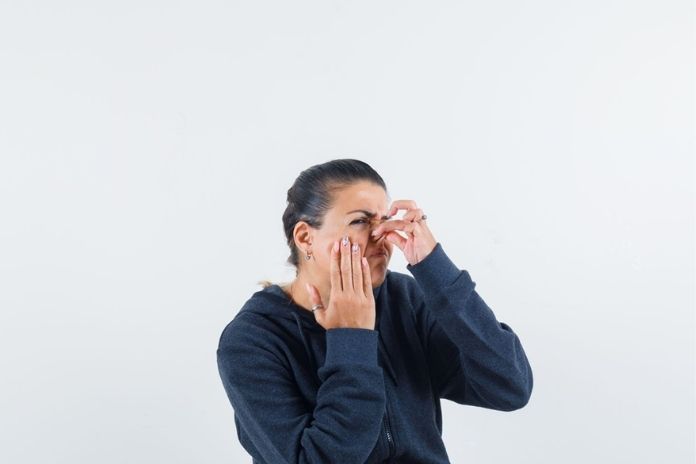
The Valsalva maneuver for ear pressure is a very commonly used method. But people use it wrongly most of the time. The basic idea is simple: you close your mouth, pinch your nose, and blow gently. Air has nowhere to go, so it travels backward toward the Eustachian tube. If the tube opens, air enters the middle ear, and pressure becomes equal.
As. Dr. Deepti Sinha, an ENT surgeon, also explains this: “It involves taking a deep breath, closing your mouth and nose, and gently blowing towards the back of your throat until your ears pop.”
Situations Where It May Help Open the Eustachian Tube
When the problem is small, like during flight landing or a mild blockage, this method works fine. Because the tube is not fully closed, it is just lazy or slightly stuck. So a little push is enough to open it. Many people feel instant relief. But this success makes people overconfident. They start using the same method even when the condition is not suitable.
Common Mistakes That Can Make It Unsafe
The biggest mistake is using force. People think that if a gentle blow does not work, then a strong blow will work. That is wrong thinking. The ear is a delicate system. Sudden high pressure can disturb more than help. Sometimes people repeat 10–15 times continuously. This builds pressure again and again on the same structures.
Moreover, it can also irritate the inner ear. Also, if fluid is present behind the eardrum, pushing air forcefully can shift that fluid in the wrong way. It does not make it clear; it just moves it. So the problem is not Valsalva itself. The problem is how people use it, without control, without understanding when to stop.
What the Otovent Balloon Is and How It Works
The Principle Behind Autoinflation Devices
Otovent works on the same concept, but it changes one important thing: the speed of pressure. Instead of a sudden push, it creates pressure slowly. This slow increase is more natural for the body. The Eustachian tube gets time to respond.
So instead of forcing open, it gently coaxes the tube to open. That is why it is called the autoinflation ear technique therapy. You are inflating pressure, but in a controlled way.
Step-by-Step Overview of the Otovent Method
In this method, you attach a balloon to a small nozzle. Then you insert that into one nostril and close the other. Now, when you blow, the balloon starts inflating. This inflation is not instant. It takes a few seconds. During this time, pressure builds gradually inside the nose and near the tube opening.
At some point, the tube may open, and air passes into the middle ear. Many times, swallowing at the same time helps more. The whole process is slower, more controlled, and repeatable.
Why It Is Often Recommended for Children With Ear Pressure Problems
Children cannot judge pressure. If you tell them to do Valsalva, they either blow too hard or do nothing. Otovent gives them a visible limit, a balloon. They cannot overblow beyond a certain level. This reduces risk.
Also, children with fluid in the ear need repeated mild pressure, not one strong push. Otovent allows that kind of therapy. Even in adults, those who are anxious or keep overdoing Valsalva benefit from this method because it reduces the tendency to apply excess force.
Valsalva vs. Otovent: Key Differences
Level of Pressure Control
This is the main difference, more than anything else. Valsalva gives sudden pressure. It depends fully on the person. Some do gentle, some do very forceful. Otovent builds pressure slowly. It has natural resistance from the balloon. So pressure rise is limited and gradual. That makes it safer for repeated use.
Ease of Use for Adults vs. Children
Adults can learn to control Valsalva if they are careful. But many still overdo without realising. Children, the elderly, or impatient people find Otovent easier. Because it guides them. It slows them down.
When Doctors May Prefer One Method Over the Other
Doctors usually think about the condition, not just the method. If a person has a simple pressure change, like after travel, Valsalva may be enough. But if there is an ongoing problem, like fluid, repeated blockage, or tympanic membrane retraction, then slow and repeated pressure is better.
That is where Otovent comes in. So choice is not about which is stronger. It is about which condition suits one better.
How to Use Air Pressure Techniques Safely

Signs You Are Using Too Much Pressure
It is very important to know how to safely pop your ears. The ear does not like sudden force. It shows signals. If you feel sharp pain, sudden dizziness, or ringing after trying to pop, that is not normal. That means the pressure was too much when using these eustachian tube opening techniques.
Also, if the ear feels more blocked after the attempt, instead of relief, that is a sign that something is wrong. Many people ignore these signals and try again. That worsens the situation.
How Often These Techniques Are Typically Used
Valsalva is not meant to be repeated again and again in one sitting. A few gentle attempts are enough. Otovent is used more regularly, but each attempt is mild. It is like therapy over days, not an instant fix.
People often mix this up. They use Valsalva, like Otovent for eustachian tube dysfunction, frequently and forcefully. That is not correct.
Situations Where You Should Avoid Trying to Pop Your Ears
If the ear is already painful, or if there is an infection, or if you have had a recent ear procedure, then avoid these methods. Also, if the nose is fully blocked, pressure cannot be distributed properly. Then, forcing air can create uneven pressure. In such cases, it is better to treat the underlying issue first, not to put pressure blindly.
Read More: Safe and Effective Methods To Keep Your Ears Clean
Other Techniques That May Help Relieve Ear Pressure

Swallowing, Yawning, and Jaw Movements
These eustachian tube dysfunction treatments at home look very simple, but they are natural ways the body uses. Swallowing activates muscles that open the tube. Yawning stretches surrounding structures. Even moving the jaw side to side can help.
These ear pressure relief techniques are slow. They don’t always give an instant “pop” feeling. But they are safe and should be the first step.
Managing Nasal Congestion or Allergies
If the inside of the nose is swollen, the tube opening will not work properly. So pressure methods alone will fail. Reducing swelling is important. Steam, fluids, and treating allergies help indirectly. When the environment improves, the tube starts opening more easily.
Nasal Sprays or Other Medical Treatments
Sometimes doctors give nasal sprays as ENT treatment options. These reduce otitis media with effusion around the tube opening. But these are not an instant solution. They take time. Many people stop early, thinking they are not working.
In some cases, if fluid is present, medical treatment may be needed. Pressure methods alone cannot remove fluid.
When Ear Pressure Should Be Evaluated by a Doctor
Persistent Symptoms Lasting More Than a Few Weeks
If the ear is blocked for a long time, it is not a simple pressure issue anymore. Continuous negative middle ear pressure can change the shape of the eardrum permanently if ignored.
Hearing Loss or Persistent Pain
Hearing change means sound conduction is affected. That needs proper checking. Pain also means an inflammation or pressure imbalance is significant.
Frequent Ear Pressure After Infections or Flights
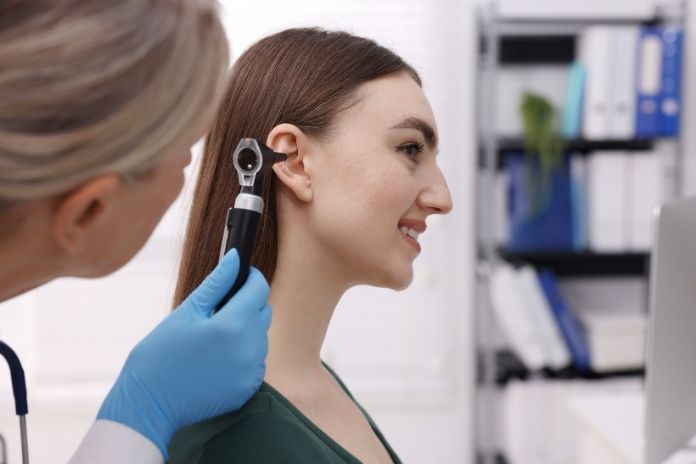
If the problem keeps coming back, there is an underlying dysfunction. The doctor may check the eardrum position, pressure levels, and hearing response. Sometimes, simple tests show how well the middle ear pressure balance is functioning.
Read More: How To Use Garlic Oil To Treat An Ear Infection
Final Thoughts
Many people think “ear not popping means push harder.” That is the biggest mistake. Actually, the ear prefers slow adjustment, not force. Valsalva vs Otovent both try to send air inside, but the way of doing it is different.
Valsalva maneuver for ear pressure is quick, but can become rough if not controlled. Otovent for eustachian tube dysfunction is slower, but safer for repeated use. If the ear keeps getting blocked again and again, then focus should not be only on popping. It should be on why the tube is not opening properly.
- “More force” is a common misunderstanding in ear popping, but it often worsens the condition.
- Controlled pressure works better than sudden pressure in sensitive ear conditions.
- Many people treat the symptom (blocked ear) but ignore the cause (tube dysfunction).
- Repeated mild pressure over time can be more effective than one serious attempt.
- A research gap still exists on how long-term autoinflation therapy affects eardrum structure and elasticity.
FAQs
1. Why does the ear feel more blocked after trying to pop?
Because pressure may have been too strong, causing temporary worsening.
2. Is it safe to do Valsalva daily?
Not for repeated daily use. It is better for occasional needs.
3. How long does Otovent take to show effects?
Usually, a few days of regular use, not immediately like Valsalva.
4. Can these methods remove fluid from the ear?
They may help movement, but cannot fully clear fluid if present.
5. When should I stop trying home methods?
If there’s no improvement in 2–3 weeks or if symptoms worsen, it’s better to get checked.
References
- Cleveland Clinic. (n.d.). Retracted Eardrum: What Is It & How To Fix It. Cleveland Clinic.
- Mayo Clinic. (2019). Airplane ear – Symptoms and causes. Mayo Clinic.
- Stangerup, S. E., Sederberg-Olsen, J., & Balle, V. H. (1991). Treatment with the Otovent device in tubal dysfunction and secretory otitis media in children. Ugeskrift for Laeger, 153(43), 3008–3009.
In this Article