














- Price doesn’t equal quality: Clean budget proteins work effectively for most people
- Pay more only when needed: Testing, digestion, or dietary needs justify the cost.
- Focus on value: Check ingredients, protein source, and cost per gram.
Walk into any grocery store or scroll through an online supplement retailer, and you’ll notice protein powders come in a surprisingly wide price range. Some tubs cost less than $20, while others push past $80 for a similar serving count. It’s a natural question: is there actually a difference, or are you just paying for fancier packaging?
The honest answer is that price alone doesn’t determine quality or safety. But it often does reflect real differences in ingredients, protein source, manufacturing standards, and how much testing the product has gone through before it hits the shelf.
This article breaks down what you’re actually getting at different price points, how to evaluate protein quality beyond just the gram count, what third-party testing means and why it matters, and how to use simple metrics like cost per gram of protein to figure out what’s genuinely worth your money.
Whether you’re buying protein powder for muscle gain, weight management, or everyday convenience, this guide will help you shop smarter.
Why Protein Powders Vary So Much in Price
The price gap between protein powders isn’t random. A few key factors drive it.
Raw Ingredients and Manufacturing
The type of protein used makes a big difference in production cost. Whey concentrate is relatively inexpensive to produce.
Whey isolate, on the other hand, undergoes more processing, which results in a higher protein content with less carbs, lactose, and fat, and that extra processing comes at a cost. A serving of whey isolate typically costs 25 to 40% more than an equivalent serving of whey concentrate.
Plant-based proteins add another layer of complexity. Pea protein lacks methionine but contains adequate lysine, while brown rice protein is the opposite. This means brands need to combine both sources to create a complete amino acid profile. That extra blending and formulation work pushes the price up compared to single-source proteins.
Protein Source
Where the protein comes from also affects the price tag. Grass-fed whey, organic plant proteins, and other premium sourcing options all cost more to produce, and that gets passed on to the consumer. Whether those sourcing differences translate into meaningful health benefits is a separate question, but they do explain part of the price difference.
Marketing, Packaging, and Branding
Not every dollar you spend goes toward what’s inside the tub. Established brands with large marketing budgets, influencer partnerships, and premium packaging factor those costs into their retail price. A lesser-known brand with a plain label might contain a nearly identical formula at a fraction of the cost.
Third-Party Testing and Certification
Certifications from organizations like NSF or USP mean the product has been independently tested for heavy metals, contaminants, and label accuracy. NSF-certified products are verified to be free from over 290 substances banned by major athletic organizations, and the certification process rigorously tests to confirm that the supplement’s actual contents precisely match what’s listed on the label.
That kind of verification adds real value, but it’s a voluntary, elected expense and a lengthy, costly process for brands to engage in. That cost inevitably gets reflected in the retail price.
““The main benefit of using protein powders is that it helps fitness enthusiasts and athletes meet their protein requirements, when normally it would be difficult to obtain through eating alone,” says Jason Stevenson, a registered dietitian and board-certified sports dietitian at the University of Miami Health System
He adds, “Some athletes expend so much energy during training that they cannot eat enough to recover. Protein powder helps narrow the gap.”
Read More: Protein Powder in Coffee: How to Do It, Why It Works, and What to Watch Out For
Cheap Protein Powders—What You Usually Get
Budget protein powders, typically those priced under $1.50 per serving, can absolutely get the job done. But it helps to know what trade-offs you’re usually making.
Simplified Protein Sources
Most affordable options rely on whey concentrate or basic plant proteins like pea protein. Whey protein concentrate contains around 70 to 80% protein, with the remaining 20 to 30% made up of carbohydrates and fat. That’s perfectly functional for most people, but it does mean you’re getting less pure protein per scoop compared to more refined options.
Higher Carbohydrate and Filler Content
To stretch volume and keep costs low, some budget brands add fillers like maltodextrin. Maltodextrin is commonly used as a cheap thickener or filler to increase the volume of processed products.
The concern with this ingredient is that it has a high glycemic index, which means it can cause a rapid spike in blood sugar levels, something worth keeping in mind if you’re watching your carb intake or managing blood sugar.
Minimal Testing and Certification
Budget powders often skip independent third-party testing, meaning you’re largely relying on the manufacturer’s own claims about what’s in the product. As Kaha Nutrition points out, some companies use artificial sweeteners like sucralose to mask the inferior quality of their protein powders, making it harder for consumers to realize what they’re actually getting.
Artificial Flavors and Sweeteners
Budget powders frequently use artificial sweeteners like sucralose or aspartame to create a sweet, palatable taste without adding calories. According to AGN Roots, sucralose is up to 600 times sweeter than sugar and is one of the most commonly used sweeteners in protein powders as part of a broader flavor system.
These sweeteners do the job, but some users find they leave an aftertaste, and people with sensitivities may want to look for alternatives.
None of this means cheap protein powders are bad. For casual users or beginners who just need a straightforward protein source, a budget option with a clean ingredient list can be more than enough.
Expensive Protein Powders: What You Usually Get
Premium protein powders, typically priced above $2.50 per serving, come with a few meaningful upgrades over budget options. Here’s what you’re generally paying for.
Higher Purity Protein Sources
Most high-end powders use whey protein isolate or hydrolyzed whey peptides as their base. Hydrolyzed proteins are broken down into smaller peptides, which makes them easier to digest and faster for the body to absorb. Whey isolate typically delivers around 90% or more protein content per serving, compared to the 70 to 80% you get with concentrate. That’s a meaningful difference if you’re trying to maximize protein intake without extra carbs or fat.
Better Gut Tolerance
The extra filtration that makes isolates and hydrolyzed proteins more expensive also makes them easier on the stomach. Most of the lactose, fat, and carbohydrates are stripped away during processing, which is good news for anyone who experiences bloating or digestive discomfort with standard whey concentrate.
Third-Party Testing for Safety
Premium brands are more likely to invest in independent certification. This matters particularly for competitive athletes, since contaminated supplements can result in failed drug tests.
Certifications from organizations like NSF or Informed Sport verify that products have been screened for banned substances and heavy metals, providing a level of accountability that budget brands rarely offer.
Added Digestive Enzymes
Many high-end powders include added enzymes like protease to support protein digestion. The evidence suggests these can be helpful for people who struggle to break down dietary protein efficiently. That said, the broader benefits beyond digestion are still debated, so added enzymes are a nice bonus rather than a compelling reason on their own to pay a premium.
Flavor and Texture
Premium powders tend to use natural flavoring agents like vanilla extract or cocoa rather than artificial sweeteners, and the result is usually a smoother, more enjoyable drink. If taste and mixability matter to you, this is one area where the price difference is often genuinely noticeable.
Ingredient Transparency and What Really Matters
Keep It Short
A clean protein powder shouldn’t need a novel-length ingredient list. Aim for products with fewer than ten ingredients. Long proprietary blends often hide low-quality fillers and make it impossible to know exactly what you’re getting.
Watch Out for Fillers and Additives
Added sugars, artificial colors, and unnecessary thickeners add calories without adding value. If you can’t pronounce half the ingredients, that’s worth a second look.
Read the Label, Not the Price Tag
A cheaper powder with a clean, transparent label will almost always beat an expensive one loaded with additives. Label reading is your best tool.
Third-Party Testing and Safety Standards
Why It Matters
Independent testing verifies that what’s on the label is actually in the tub, and that harmful contaminants like heavy metals aren’t. Look for seals from trusted programs like NSF, Informed Choice, or the Clean Label Project.
Yes, It Costs More
Certification adds roughly 10 to 20 percent to the retail price. For competitive athletes or anyone concerned about purity, that’s money well spent.
Taste, Mixability, and User Experience
Premium Powders Generally Taste Better
Natural flavoring and higher purity protein produce a smoother, cleaner taste. Budget powders can leave a chalky or artificial aftertaste.
But Context Matters
If you’re blending your powder into smoothies or oatmeal, taste differences become far less noticeable. In that case, a budget option does the job just fine.
Read More: Replenish Your Energy: 6 Best Protein Powders for Men’s Muscle Recovery
Cost-Per-Gram of Protein: A Useful Metric
How to Calculate It
Divide the total price by the total grams of protein in the tub. A $40 tub with 800g of protein works out to $0.05 per gram. Simple, and far more useful than going by price alone.
Budget Options Often Win Here
Popular options like Optimum Nutrition Gold Standard regularly hit around $0.04 per gram, making them excellent value for most people.
When Paying More Is Justified
If a premium powder comes with third-party certification, the higher cost per gram can be worth it for the added safety and peace of mind.
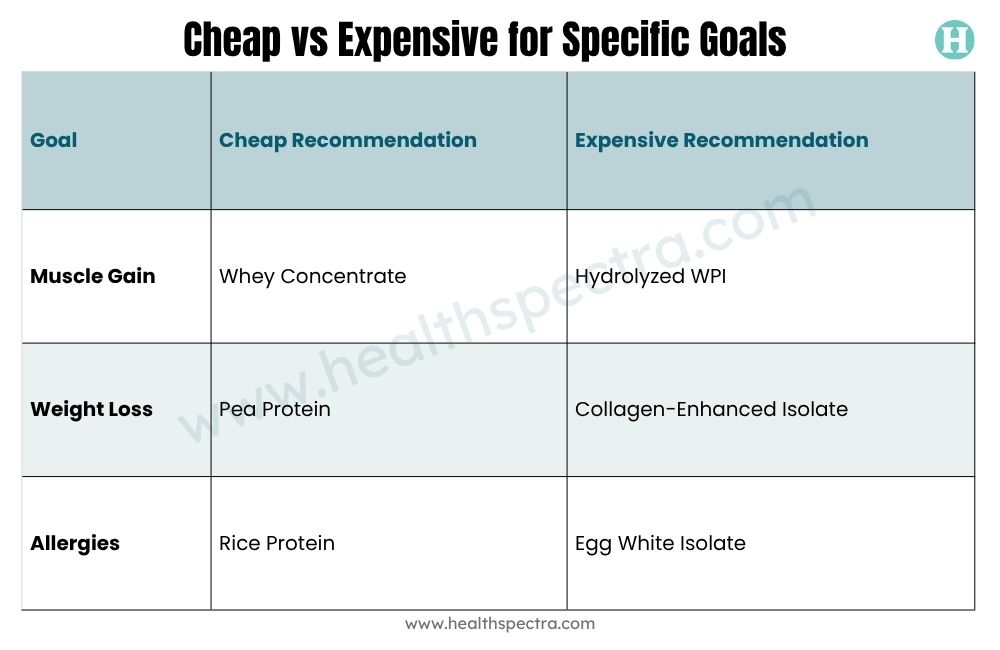
Cheap vs Expensive for Specific Goals
Muscle gain and resistance training benefits isolate leucine spikes. Weight loss and satiety favor fiber-rich plants, cheap or not. Meal replacement or convenience suits flavored premiums.
Sensitivities or allergies (dairy, soy, or gluten) need certified alternatives.
Here’s a goal-based matchup:
 When a Cheap Protein Powder Is “Good Enough”
Cheap protein powders can deliver reliable results for the right person in the right situation.
Beginners and Casual Users
If you’re just starting out or exercise a few times a week, a basic powder with 20 to 25g of protein per serving is more than enough to support your goals. There’s no need to pay a premium when a budget option does the job just as well.
Whole-Food Dominant Diets
If foods like chicken, tuna, eggs, or lentils are already covering most of your daily protein needs, an inexpensive whey concentrate is a perfectly sensible way to fill the occasional gap. Overcomplicating it isn’t necessary.
Maintenance Phases
If you’re in a maintenance phase rather than actively building muscle, protein powder sophistication matters very little. A clean budget option works just fine here.
When an Expensive Protein Powder Might Be Worth It
Competitive Athletes and Serious Trainers
For athletes subject to drug testing, third-party certified powders are genuinely important. Contaminated supplements are a real and documented risk, and certifications from organizations like NSF Certified for Sport or Informed Choice provide verified protection against banned substances.
Dietary Sensitivities and Allergies
For people with lactose intolerance, dairy allergies, or gluten sensitivities, a refined whey isolate or a carefully formulated plant-based blend can make a meaningful difference in digestive comfort. Budget powders are less likely to invest in the extra processing or allergen controls these users need.
Peace of Mind
For anyone who values knowing exactly what’s in their supplement, a third-party tested premium powder delivers that confidence. If long-term wellness is the priority, the extra cost is a reasonable investment.
Read More: What Is Protein Leverage Theory – And Could It Explain Your Cravings and Overeating?
Red Flags on Protein Powder Labels (Many Expensive Ones Still Miss These)
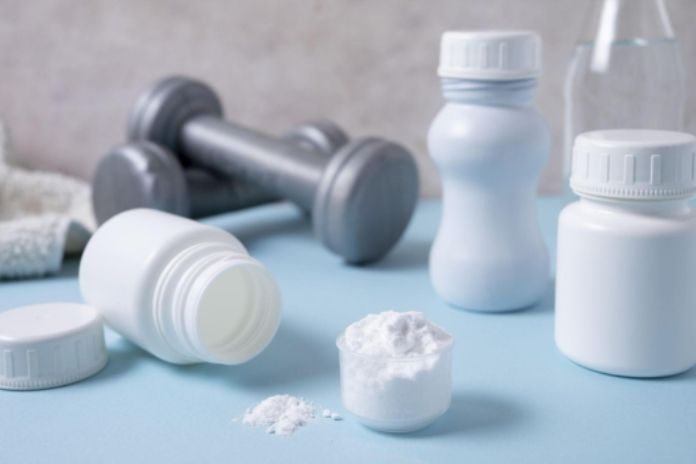
Price doesn’t guarantee a clean label. Here’s what to watch for regardless of what you’re spending.
Proprietary Blends Without Disclosure
If a label lists a “proprietary blend” without breaking down the exact amounts of each ingredient, that’s a red flag. It often means the brand is masking how little of the actual quality ingredients you’re getting.
High Added Sugar
More than 2g of added sugar per serving is worth questioning. Some powders use sugar to improve taste, but it adds unnecessary calories and can spike insulin levels, which works against most fitness goals.
Unclear Protein Source
If the label simply says “protein blend” without specifying the source, be cautious. You should know exactly whether you’re getting whey, casein, pea, rice, or something else entirely.
No Third-Party Testing Certification
Without an independent certification seal, you’re taking the manufacturer’s word for what’s in the tub. That’s a risk regardless of how premium the branding looks.
Quick Checklist: Label Red Flags
- More than five protein or ingredient sources blended together
- Sugar listed high up in the nutrition breakdown
- No amino acid profile provided
- Artificial dyes or colors listed in the ingredients
Read More: 8 Best Plant-Based Proteins for Muscle Building
Final Takeaway
There are real differences between cheap and expensive protein powders. Protein source, amino acid profile, bioavailability, and third-party testing all vary across price points. But a higher price tag alone never guarantees better results.
Premium powders make sense for competitive athletes who need verified purity, or for people managing dietary sensitivities who need a cleaner, more refined formula. For everyone else, a budget-friendly powder with a transparent label, a clearly identified protein source, and a strong cost per gram of protein can be just as effective.
The smartest approach is to ignore the branding and focus on what actually matters: a short ingredient list, a recognizable protein source, minimal additives, and ideally a trusted certification seal like NSF or USP.
Whole foods should always form the foundation of your diet. Protein powder is a convenient tool to fill the gaps, nothing more. Whether your goal is muscle gain, weight loss, or simply staying on track with daily protein intake, the right powder is the one that fits your goals, respects your budget, and holds up under label scrutiny.
Shop smart, read labels, and don’t let price do the thinking for you.
FAQ Section
Are expensive protein powders worth the money?
For most people, no. A budget powder with a clean ingredient list and decent protein content will support everyday fitness goals just as well. The exception is competitive athletes or anyone with strict safety requirements, where third-party tested, higher purity options genuinely earn their price tag.
Can cheap protein powder be safe?
Yes, absolutely. A budget powder that carries even a basic certification or comes from a reputable brand with transparent labeling can be perfectly safe for regular use. The key is reading the label carefully rather than assuming cheap means unsafe.
Does expensive protein powder build more muscle?
Not significantly. Higher-end proteins like hydrolyzed whey may absorb slightly faster, but research consistently shows that total daily protein intake matters far more than the type or quality of powder you use. A cheap powder combined with a solid diet and consistent training will outperform an expensive powder used inconsistently.
How do I choose a protein powder that’s right for me?
Start with your goals. Then check the label for a clean, short ingredient list and a clearly identified protein source. Calculate the cost per gram of protein to compare value across options. If you’re an athlete or have dietary sensitivities, prioritize third-party certification. Everything else, including branding and packaging, is noise.
References
- Pasiakos, S. M., McLellan, T. M., & Lieberman, H. R. (2015). The effects of protein supplements on muscle mass, strength, and aerobic and anaerobic power in healthy adults: A systematic review. Sports Medicine, 45(1), 111-131.
- Morton, R. W., Murphy, K. T., McKellar, S. R., Schoenfeld, B. J., Henselmans, M., Helms, E., … & Phillips, S. M. (2018). A systematic review, meta-analysis and meta-regression of the effect of protein supplementation on resistance training-induced gains in muscle mass and strength in healthy adults. British Journal of Sports Medicine, 52(6), 376-384.
- Jäger, R., Purpura, M., Shao, A., & Kreider, R. B. (2017). Analysis of the efficacy, safety, and cost of alternative forms of whey protein supplements in the elderly. Journal of the International Society of Sports Nutrition, 14(1), 1-10.
- Devries, M. C., & Phillips, S. M. (2015). Supplemental protein in support of muscle mass and type 2 diabetes management. Applied Physiology, Nutrition, and Metabolism, 40(5), S71-S77
- Antonio, J., Ellerbroek, A., Silver, T., Orris, S., Scheiner, M., Gonzalez, A., & Peacock, C. A. (2015). A high protein diet (3.4 g/kg/d) combined with a heavy resistance training program improves body composition in healthy trained men and women–a follow-up investigation. Journal of the International Society of Sports Nutrition, 12(1), 39.
- Burd, N. A., Tang, J. E., MacDonald, M. J., McCabe, S. M., Kujbida, G. W., & Phillips, S. M. (2011). Muscle time under tension during resistance exercise stimulates differential muscle protein sub-fractional synthetic responses in men. The Journal of Physiology, 589(2), 561-571.
- Tang, J. E., Moore, D. R., Kujbida, G. W., Tarnopolsky, M. A., & Phillips, S. M. (2009). Ingestion of whey hydrolysate, casein, or soy protein isolate: effects on mixed muscle protein synthesis at rest and following resistance exercise in young men. Journal of Applied Physiology, 107(3), 987-992.
- Reidy, P. T., & Rasmussen, B. B. (2016). Role of protein and amino acids in promoting lean mass accretion with resistance exercise and attenuating lean mass loss during energy deficit in humans. Biology, 5(2), 16.
- Hulmi, J. J., Laakso, M., Mero, A. A., Parssinen, M., Ojanen, N., & Pedrosa, R. (2015). The effects of whey protein with or without β-hydroxy-β-methylbutyrate supplementation on maximal strength, muscle mass, and hormonal adaptations in resistance-trained men. Journal of the International Society of Sports Nutrition, 12(1), 1-12.
- Wilkinson, S. B., Tarnopolsky, M. A., Macdonald, M. J., Macdonald, J. R., Armstrong, D., & Phillips, S. M. (2007). Consumption of fluid skim milk promotes greater muscle protein accretion after resistance exercise than does consumption of soy protein. The American Journal of Clinical Nutrition, 85(5), 1269-1276.
- Hartman, J. W., Tang, J. E., Wilkinson, S. B., Tarnopolsky, M. A., Lawrence, R. L., Lyons, J. G., & Phillips, S. M. (2007). Consumption of fat-free fluid milk after resistance exercise promotes greater utilization of intramuscular amino acids for postexercise protein synthesis than does consumption of a nutritionally equivalent soy protein beverage. American Journal of Clinical Nutrition, 86(4), 1039-1047.
- Yang, Y., Churchward-Venne, T. A., Burd, N. A., Gillen, J. B., Tarnopolsky, M. A., & Phillips, S. M. (2012). Myofibrillar protein synthesis following ingestion of soy protein isolate, whey protein isolate, or their combination in young men. Journal of Applied Physiology, 112(11), 1830-1837.
- Tarnopolsky, M. A. (2013). Whey protein and its potential health-promoting effects. Applied Physiology, Nutrition, and Metabolism, 40(5), S71-S77.
- Phillips, S. M. (2014). The science of muscle hypertrophy: Making dietary protein count. Proceedings of the Nutrition Society, 73(2), 187-194.
- Morton, R. W., McGlory, C., & Phillips, S. M. (2015). Nutritional supplements to support resistance exercise in countering the sarcopenia of aging. Nutrition and Aging, 3(2-3),
- Norton, L. E., Layman, D. K., Bunpo, P., Anthony, T. G., Brana, D. V., & Garlick, P. J. (2012). The leucine content of a complete meal directs peak activation but not duration of skeletal muscle protein synthesis and mammalian target of rapamycin signaling in rats. Journal of Nutrition, 142(5), 902-909.
- Jäger, R., Kerksick, C. M., Campbell, B. I., Cribb, P. J., Wells, S. D., Skwiat, T. M., … & Antonio, J. (2017). International Society of Sports Nutrition Position Stand: protein and exercise. Journal of the International Society of Sports Nutrition, 14, 20.
- Uncle Gym. (February 16, 2026). Is Expensive Protein Powder Actually Better?:
- Hoffman, J. R., & Falvo, M. J. (2004). Protein – Which is best?:
- University of Miami Health System. (December 02, 2019 ). How healthy is protein powder?:
In this Article