
















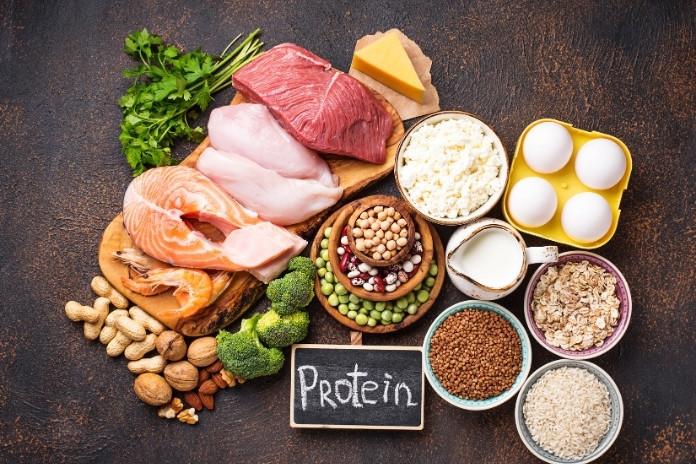
Ever finished a large meal only to feel snacky an hour later? You’re full, technically, but not satisfied. Maybe you find yourself rummaging for something sweet. Or salty. Or both. It’s not willpower you’re lacking. It’s not greed. It’s a specific kind of hunger. One that calories alone can’t silence.
This kind of craving is more common than you think, and more logical than it seems.
A growing body of science points to a surprising explanation: your body might not be asking for more food. It might be asking for more protein.
Enter the Protein Leverage Theory, a bold, fascinating framework that challenges everything we’ve been taught about eating. Instead of obsessing over calorie counts, portion sizes, or low-fat trends, this theory asks a more foundational question: What if the type of calories you eat matters more than how many?
It’s not just a nutrition tweak, it’s a total perspective shift. And it could explain why, in a world full of food, so many people still feel unsatisfied.
Let’s break it down.
What Is the Protein Leverage Theory?
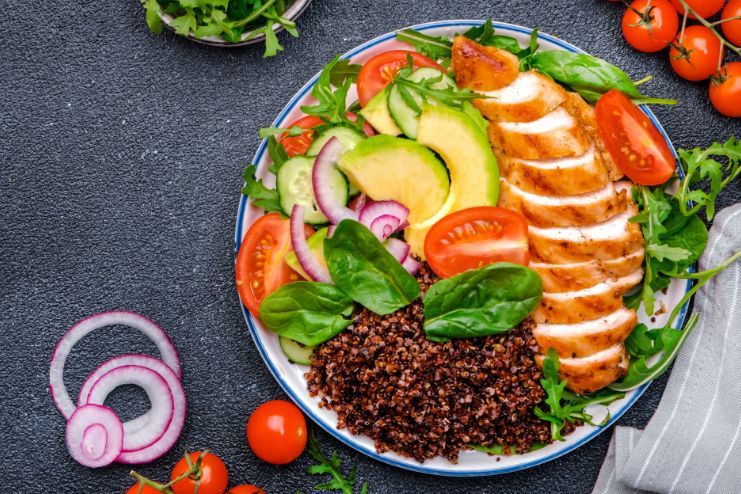
The Protein Leverage Theory was first proposed by Australian researchers Doctors, David Raubenheimer and Stephen Simpson in the early 2000s. After studying a wide range of species, from insects and rodents to primates and humans, they spotted a striking pattern: when protein is lacking in the diet, animals tend to overeat fats and carbohydrates to make up for it.
This wasn’t just a fluke in one species. It held true across the board.
At its core, the theory suggests that our bodies treat protein like a nutritional priority. Not just another macronutrient on the plate, but the macronutrient that guides how much we eat overall. In other words, we’re biologically programmed to seek out a certain amount of protein. And if we fall short, our hunger doesn’t turn off; it adapts. It pushes us to eat more food until that protein target is met, even if we overshoot our calorie needs in the process.
Think of it like being thirsty but only drinking soda or juice. Your body still craves hydration, so you keep drinking, hoping it helps. But what it really wants is water. Until you give it that, the signals don’t stop. Same idea with protein. Your body knows what it’s missing, and it won’t stop nudging you until it gets it.
This flips a lot of traditional diet logic on its head. It’s not just about willpower or portion control. It’s about biology, and maybe, about listening to the kind of hunger we usually ignore.
According to a 2005 hypothesis proposed by Doctors Stephen J. Simpson and David Raubenheimer, known as the Protein Leverage Hypothesis, when the proportion of protein in the diet is too low, the body compensates by increasing overall food intake, particularly fats and carbohydrates, in an attempt to meet its protein needs.
Read More: The Power of Macronutrients: Understanding Proteins, Carbs, and Fats in Your Diet
The Science Behind It

Let’s talk biology for a second. Your body doesn’t just track how much you eat; it tracks what you eat. And when it comes to regulating hunger, protein has the biggest influence.
Here’s how it works:
- Protein triggers satiety hormones. When you eat protein, it activates hormones like peptide YY (PYY) and GLP-1, which send a clear message to your brain: You’re full.
- It also lowers ghrelin, the hormone that makes you feel hungry in the first place.
- Bottom line: protein makes you feel full faster and keeps you full longer.
And it’s not just theory, there’s solid research behind it:
- A 2011study found that:
- People eating 10% protein diets consumed more total calories.
- Compared to those eating 15% or 25% protein
- Even a small increase in protein had a major impact on overall intake.
Here’s where it gets tricky:
- Most ultra-processed foods are low in protein. Think chips, cookies, sugary cereals, they’re full of refined carbs and fats, but barely any protein.
- That’s a dangerous combo:
- You don’t feel full because protein is missing.
- You keep eating, trying to satisfy that hidden protein hunger.
So even when you’re eating a lot, your body might still feel… incomplete. Because it’s not just looking for calories. It’s looking for building blocks, and protein tops the list.
Does This Explain Cravings and Overeating?
Now it starts to make sense. Ever notice how a bag of chips or a pastry can disappear in minutes, yet leave you wanting more? That’s not just about willpower. It could be your body’s subtle way of saying, “This isn’t what I asked for.”
Low-protein meals are often digested quickly and don’t trigger the same hormonal responses as protein-rich ones. That leads to quicker energy crashes, more cravings, especially for sugar, and that strange “I need something” feeling you can’t quite name.
Think of it like this: your body has a protein budget to hit each day. If your meals don’t help you meet it, your brain ramps up hunger until the deficit is closed. And in our ultra-processed food environment, that can lead to eating far more calories than needed, mostly from the wrong sources.
Signs Your Diet May Be Low in Protein
You don’t need a blood test or food tracker to spot a protein shortfall. Your body tells you if you know how to listen.
Here are some of the most common signs:
1. You’re constantly craving snacks, especially carbs or salty foods.
That nagging urge to raid the pantry isn’t always about boredom. If your meals are low in protein, your body may keep nudging you to eat more, hoping the next bite delivers what it’s missing. Often, we reach for quick hits like chips, crackers, or sweets. They fill the stomach, but not the protein gap.
2. You feel hungry even after large meals.
Ever finished a big plate of food and still thought, “I could eat more”? That’s a classic red flag. Without enough protein, the hormones that signal fullness don’t activate properly, so your hunger lingers, even when you’re technically full.
3. You crash midday and rely on caffeine or sugar to power through.
Low-protein meals digest quickly and don’t give your blood sugar much stability. The result? A rollercoaster of energy: sharp spikes, hard crashes. If you’re constantly reaching for coffee, chocolate, or energy drinks to stay functional, low protein could be the silent culprit.
4. You’re struggling to lose weight, even when eating less or working out.
Protein plays a critical role in metabolism. It preserves muscle mass, keeps you fuller for longer, and increases the calories your body burns just to digest it (a process called the thermic effect of food). When protein is low, fat loss gets harder, even if you’re doing everything “right.”
5. Your body composition isn’t improving.
Maybe you’re exercising but not seeing changes. You might notice:
- Soft muscle tone
- Slower recovery after workouts
- Low strength or stamina
All signs your body isn’t getting the building blocks it needs, because protein is the raw material for muscle repair and growth.
6. You feel mentally foggy or tired after meals.
Protein helps regulate blood sugar and neurotransmitters like dopamine. Without it, meals can leave you sluggish, unfocused, or craving another pick-me-up just to function.
These aren’t random quirks. They’re your body’s way of waving a flag, saying, “I’m still shopping for protein.”
The fix doesn’t have to be complicated. But it starts with recognizing that how you feel after eating often says more than what the label says.
How Much Protein Do You Actually Need?
This is where things get practical. How much is enough?
The Recommended Dietary Allowance (RDA) for adults is about 0.8 grams of protein per kilogram of body weight, but that’s the bare minimum to prevent deficiency. It’s not necessarily enough for optimal function, especially if you’re active, older, or trying to lose fat and preserve muscle.
Most nutrition experts recommend anywhere from 1.2 to 1.6 grams per kilogram, and even up to 2.0 grams/kg for athletes or those in strength training.
Here’s a quick cheat sheet:
- Sedentary adults: ~50–60g/day
- Moderately active: 70–100g/day
- Active or strength training: 100g+, depending on body weight.
Quality matters too. Animal-based proteins (eggs, meat, dairy, fish) are considered “complete,” meaning they contain all essential amino acids. Plant-based proteins (legumes, grains, nuts) are beneficial too, but it’s helpful to combine sources (e.g., rice + beans) to get the full profile.
According to Dr. Stuart Phillips, a leading protein researcher and professor of kinesiology at McMaster University, “The current RDA for protein is the minimum amount to avoid deficiency, not necessarily the ideal amount for optimal health, especially for those who are active or aging.”
Simple Tips to Leverage Protein in Your Diet
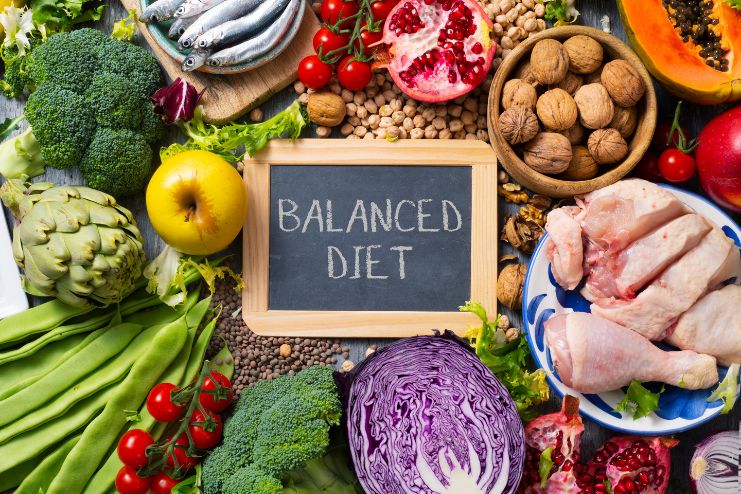
The good news? You don’t need to flip your entire diet upside down to put the Protein Leverage Theory into practice. A few intentional tweaks to your meals can make a big difference in how satisfied you feel and how much you eat overall.
1. Start With Protein
The simplest and most powerful shift is to make protein the foundation of every meal. Instead of building your plate around rice, pasta, or bread, start with the protein source. Think about what’s going to deliver the most nutritional value, like chicken, fish, paneer, tofu, lentils, or eggs, and then add supporting ingredients like vegetables, whole grains, or healthy fats. This approach helps ensure you’re getting enough of what your body is craving, right from the start.
2. Balance Every Meal
Once protein is your anchor, aim to hit the right quantity. For most people, that means around 20 to 30 grams of protein in each main meal. It’s enough to trigger the hormonal signals that promote satiety and help maintain muscle mass.
This could look like a breakfast of three to four eggs with whole grain toast, a lunch of grilled paneer or chicken with sautéed vegetables and brown rice, or a dinner of lentil soup with a side of roasted sweet potatoes. It doesn’t have to be complicated; it just has to be intentional.
Dr. Donald K. Layman, Ph.D., FASN, is a recognized authority in protein metabolism and nutrition. He emphasizes that: “Adults require a minimum of 15 g of essential amino acids or at least 30 g of total protein to fully stimulate skeletal muscle protein synthesis. … The meal content of protein is also a key factor for satiety and appetite regulation.”
3. Snack Smart
Snacks are where a lot of people unknowingly derail their protein goals. Highly processed snack foods, think chips, biscuits, or sugary granola bars, are often high in carbs and fat but low in protein. The result? You eat them, feel unsatisfied, and go looking for more.
Instead, stock up on simple, protein-rich options like Greek yogurt, boiled eggs, roasted chickpeas, edamame, or cottage cheese paired with fruit. These keep you fuller for longer and help bridge the gap between meals without triggering cravings.
Read More: 7 Vegan Protein Sources That Will Fuel Your Day
4. Watch Your Breakfast
Breakfast tends to be the most carb-heavy meal of the day, often lacking in protein. Cereal, toast, and oats, while quick and easy, don’t do much to keep you full on their own. Try pairing these carbs with protein. Add a scoop of protein powder to your oats or smoothie.
Mix in nuts or seeds. Have a couple of eggs on the side. Even a little extra protein in the morning can reduce mid-morning hunger and stabilize energy levels through the day.
5. Don’t Fear Protein at Night
There’s a lingering myth that eating protein late in the day is bad, but that’s not backed by science. In fact, having protein before bed, especially slow-digesting sources like Greek yogurt, casein, or paneer, can actually support overnight muscle repair and prevent late-night snacking. It’s a smart way to cap off your day and wake up feeling more balanced.
6. Stay Consistent
One common mistake is “saving” protein for dinner and eating too little of it earlier in the day. Your body doesn’t store protein the way it stores carbs or fat; it needs a steady supply.
Distribute your intake across meals and snacks to keep hunger levels stable, support muscle maintenance, and avoid energy crashes. Even if your total intake is right, how you spread it out still matters.
In the end, the goal isn’t perfection, it’s awareness. The more consistently you prioritize protein, the less likely you are to overeat without even realizing it. These aren’t extreme diet rules; they’re simple habits rooted in how your body actually works.
Criticisms and Limitations of the Theory
Let’s zoom out for a second. The Protein Leverage Theory is compelling, but like any theory, it doesn’t explain everything. It gives us a useful framework for understanding hunger and satiety, but it’s not the full picture. Human eating behavior is messy.
Emotional, social, and psychological layers often override biology. So while protein matters, it’s not the only thing that does.
Here’s where the theory runs into limits:
- Emotional eating exists Stress, boredom, loneliness, these triggers don’t care about your protein intake.
- Overeating is multi-factorial Environment, portion sizes, cultural habits, and food marketing heavily influence how and what we eat.
- Not all protein is equal Protein bars packed with sugar alcohols and additives aren’t equivalent to lean meats, legumes, or eggs.
- It doesn’t account for mental health Conditions like depression, anxiety, or disordered eating can drive hunger patterns that bypass physiological cues.
- Individual needs vary Age, activity level, body composition goals, and genetics all shape how much protein someone truly needs.
- Highly processed food still overrides signals Some engineered foods are so hyper-palatable that they override satiety cues, protein or not.
- Too much focus on protein can backfire Obsessing over protein can lead to imbalanced meals, under-consumption of fiber, or ignoring food variety.
- Long-term data is still limited While the theory is biologically plausible, more real-world, long-term studies in humans are still needed.
So yes, protein is important, but it’s not a magic bullet. It’s a smart lever to pull, but just one of many in the bigger nutrition puzzle.
Conclusion: Rethinking Hunger, Cravings, and Protein
The Protein Leverage Theory isn’t just another diet trend; it’s a wake-up call. It challenges the old-school obsession with calorie counting and flips the focus to what we eat, not just how much. At its core, it reminds us of something simple but powerful: hunger isn’t always about quantity. Sometimes, it’s about quality, specifically, protein.
If you’ve been stuck in a cycle of cravings, overeating, or stubborn weight plateaus, the issue might not be discipline or willpower. It might be that your body is quietly running on empty, missing the one macronutrient that actually turns hunger off.
So here’s a challenge: don’t cut more. Add more. For a few days, deliberately increase your protein intake at every meal, in every snack, and see what happens. You may find that your appetite calms, your energy evens out, and your relationship with food shifts without trying to force it.
References
- https://pubmed.ncbi.nlm.nih.gov/31339001/
- https://www.news-medical.net/news/20230906/Cracking-the-obesity-code-The-protein-leverage-hypothesis.aspx
- https://www.nature.com/articles/s41430-023-01276-w
- https://www.sciencedirect.com/science/article/pii/S0002916523053765
- https://journals.plos.org/plosone/article?id=10.1371/journal.pone.0025929
- https://optimisingnutrition.com/protein-leverage-hypothesis/
- https://royalsocietypublishing.org/doi/10.1098/rsos.220756
- https://www.eurekalert.org/news-releases/1000291
- https://drhyman.com/blogs/content/the-surprising-link-between-protein-intake-and-cravings
- https://www.medrxiv.org/content/10.1101/2023.06.14.23291391v1.full-text
- https://www.researchgate.net/publication/334656273_The_Protein_Leverage_Hypothesis_A_2019_Update_for_Obesity
- https://www.webmd.com/diet/ss/slideshow-not-enough-protein-signs
- https://www.healthline.com/nutrition/protein-deficiency-symptoms
- https://health.clevelandclinic.org/protein-deficiency-symptoms
- https://www.medicalnewstoday.com/articles/325197
- https://www.bigmusclesnutrition.com/blogs/news/signs-symptoms-youre-not-getting-enough-protein
- https://www.vogue.com/article/protein-deficiency-signs
In this Article