









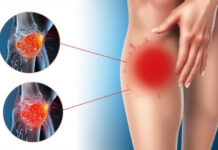










- Sudden flare-ups keep your brain constantly on high alert.
- Stress hormones increase inflammation and worsen hive symptoms.
- Breathing, grounding, and planning help reduce panic effectively.
Chronic hives can cause unpredictable flare-ups that can seem like living on the edge of your seat; one minute, everything seems great, and the next, rashes, swelling, or itching emerges without warning. Your ideas, actions, and general well-being are all impacted by these symptoms, which extend beyond the skin.
This article will discuss chronic hives anxiety, covering the reasons why flare-ups can cause panic and terror, as well as the critical role of the mind-body connection in chronic urticaria. Additionally, you will learn how to spot patterns associated with stress and hives flare-ups, understand how mental health affects chronic urticaria, and put useful coping with unpredictable hives into practice.
Read More: Foods That May Trigger Hives and What to Eat Instead
Why Unpredictable Hives Can Trigger Anxiety and Panic
The Loss of Control and Constant Anticipation of Flare-Ups
Unpredictability is one of the hardest things about chronic hives. You might not have any symptoms when you get up, yet hours later, you might experience a flare-up for no apparent reason. One of the main causes of chronic hives anxiety is persistent anticipation, which might result from this lack of control.
Your brain may eventually become hypervigilant, constantly searching for the next flare-up. This psychological stress response can make even minor sensations feel threatening, increasing emotional distress and making coping with unpredictable hives more difficult.
How Visible Symptoms Affect Confidence and Social Interactions
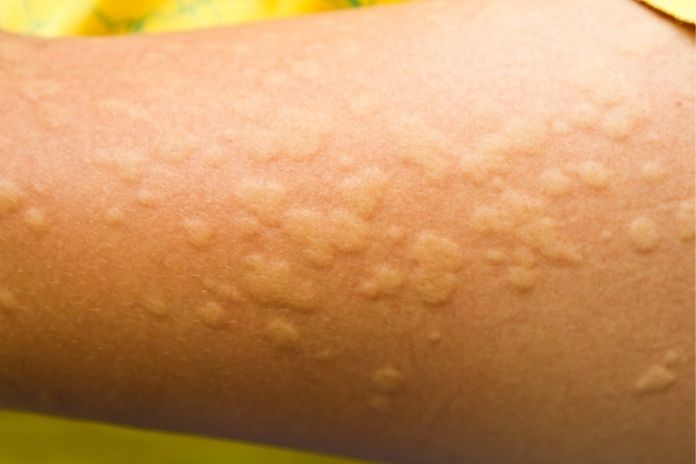
Chronic hives frequently have very obvious symptoms. People who don’t know about persistent hives can think it’s communicable. Chronic hives can cause apparent redness and swelling, which can cause humiliation and embarrassment.
This stigma may impact your social and professional lives. Many people who suffer from persistent hives avoid social situations in public. Additionally, many people avoid certain jobs or isolate themselves at work. Additionally, discussing the effects of chronic hives with friends and family can be challenging.
Maintaining a high standard of living requires lessening feelings of shame and loneliness. Speaking honestly with someone you trust is one approach to getting past these challenges. Inform them of the impact your illness has on your life. They can stand up for you and support you.
According to research published in Frontiers in Psychiatry, 16–96% of people who suffer from persistent hives also have mental health issues. This study further clarified that anxiety disorder and depression are two mental illnesses frequently linked to persistent hives.
The Cycle: Anxiety Worsening Physical Symptoms
Stress and skin disorders are known to be related. Anxiety can exacerbate stress and hives flare-ups, resulting in a vicious cycle:
- Anxiety elevates stress hormones
- Stress triggers immune responses
- Hives are made worse by immune reactions
- Worsening hives increases anxiety
The Mind–Body Connection in Chronic Urticaria
How Stress Hormones Influence Immune and Skin Responses
Research shows that hormones, neurotransmitters, and immune cells in the skin work together in complex ways to trigger a stress response. Keratinocytes and mast cells secrete higher levels of the inflammatory cytokine IL-6 and stress-related mediators, like cortisol and CRH, in response to stress.
Stress may intensify the vasodilation and heightened vascular permeability induced by CRH-activated skin mast cells, which are distinctive to urticaria pathophysiology.
A 2020 systematic review of human in vivo and ex vivo studies indicates a significant correlation between chronic urticaria, mast cell mediators (e.g., histamine), neuroimmune inflammation, and stress exposure. However, further research into the underlying mechanisms is warranted.
Mast Cells, Histamine, and Emotional Triggers
Mast cells are a very crucial component of the immune system, as they can induce allergic reactions and safeguard the body against pathogenic microorganisms. Hyperactive mast cells and the long-term release of inflammatory cytokines and mediators, such as histamine and interleukin (IL)-6, can adversely affect multiple organ systems and compromise health.
Long-term stress can make mast cells more likely to react. Stress hormones, including cortisol and corticotropin-releasing hormone (CRH), are closely linked to mast cell activation and degranulation.
Mast cells and their associated stress hormones have been linked to skin conditions such as psoriasis and chronic urticaria. Researchers are still looking into their possible role in gastrointestinal problems and neuroinflammation.
Why Flare-Ups May Occur During High-Stress Periods
People often see flare-ups when they have to take tests, meet work deadlines, or deal with emotional issues. It’s not a coincidence. The psychological stress response may make the skin more sensitive by messing up the body’s immune system.
Understanding this connection is key to coping with unpredictable hives, as it allows you to address both physical and emotional triggers.
Read More: Allergic to Touch? Understanding Dermatographia (Skin Writing Hives)
Recognizing the Mental Health Impact
Signs of Anxiety Linked to Chronic Hives
Hives might cause little mental distress initially, but they can progressively get worse. Typical indicators consist of the following:
- Excessive awareness of symptoms
- Ongoing observation of skin alterations
- Increased concern about potential flare-ups in the future
When Worry Turns into Panic Attacks
Anxiety can sometimes lead to panic attacks or hives. Symptoms could consist of:
- Quick heartbeat
- Breathing difficulties
- Experiencing a loss of control
Sudden or severe flare-ups often trigger these episodes and can further intensify the chronic urticaria’s emotional impact.
Impact on Sleep, Work, and Relationships
Your entire life is disrupted by chronic hives, not just your skin. Common effects include strained relationships, reduced work productivity, and poor sleep due to itching. These challenges highlight the importance of addressing mental health and chronic urticaria alongside physical treatment.
Practical Strategies to Manage Anxiety During Flare-Ups

Grounding Techniques for Sudden Itching or Swelling
Panic may be your first response when a flare-up occurs. You can restore control by using grounding techniques:
- List the five objects you can see. Just list any five items or things that are visible to you.
- List four bodily sensations. It could be the sensation of your feet on the ground, the wind or air conditioning blowing on you, the way your garments feel against your skin, etc.
- List the three sounds you can hear. Look closely for the sounds in your surroundings.
- List two scents you can detect. Keep in mind that the goal is to focus on your senses.
- Identify one tasty item.
These strategies support coping with unpredictable hives by reducing emotional escalation.
Read More: Hives in Children: Causes, Symptoms, and Safe Treatments
Breathing Exercises to Calm the Nervous System
Breathing slowly and deliberately can help calm the nervous system and lessen anxiety:
- Take a four-second breath
- Hold for four seconds
- Breathe out for six seconds
Practicing this regularly can lower chronic hives anxiety and reduce the intensity of panic attacks from hives.
Creating a “Flare-up Plan” to Reduce Panic
Having a plan can help you feel less uncertain. Your plan might include:
Know Your Triggers: By keeping a simple journal of your symptoms, activities, and stress levels, you can figure out what makes your flare-ups worse.
Take It Easy: One of the best ways to keep flare-ups under control is to pace yourself. It means finding a balance between working out and relaxing to protect your joints and your health.
Get Enough Sleep and Manage Your Stress: Stress and fatigue can worsen flare-ups. If you use stress-relieving techniques like deep breathing, meditation, or moderate yoga, your body will be better able to handle it.
Take Your Medicine Safely and Correctly: If you have a flare plan that tells you how to change your medicine, follow the instructions safely.
Long-Term Coping Tools That Actually Help
Cognitive Behavioral Therapy (CBT) and Reframing Fear Patterns
According to research, cognitive behavioral therapy (CBT) successfully treats anxiety disorders by assisting you in recognizing and altering the thought patterns that fuel anxiety and stress reactions.
CBT relieves anxiety hives by:
- Recognizing and combating thoughts that cause stress
- Identifying the early signs of anxiety
- Creating more constructive coping strategies
- Lowering anxiety levels in general
- Ending the cycle of fear and itching
Building Tolerance to Uncertainty Over Time
Uncertainty is a major trigger for chronic hives anxiety. One of the most important aspects of recovery is learning to accept unpredictability. It entails progressively cutting back on avoidance habits and having faith in your ability to manage flare-ups, which are crucial components of coping strategies for chronic illness.
Stress Management Habits
You can avoid anxiety hives by using several proven ways to lower stress, such as:
Mindfulness Meditation: Practicing it regularly makes you less likely to react to stress.
Progressive Muscle Relaxation: This methodical release of tension helps ease the symptoms of physical stress.
Deep Breathing Exercises: This activates the parasympathetic nervous system.
Exercise Often: It makes you feel better and lowers stress hormones.
Adequate Sleep: Getting enough sleep is very important for your immune system and for lowering stress.
Read More: Foods That Trigger Hives: What to Avoid
How to Talk About Chronic Hives With Others

Some people may not understand why chronic hives symptoms come on suddenly. Clear explanations of the condition can help people understand it better and get more support. Talking openly can help with social anxiety.
When you share your experience and help others understand how emotionally draining chronic urticaria can be, interactions become less stressful. Letting people know what to expect, such as occasional flare-ups or the need for breaks, can strengthen relationships and reduce stress.
Avoiding Common Coping Pitfalls
Over-Restricting Diet out of Fear: Finding triggers is crucial, but too much restriction can be detrimental to one’s physical and mental well-being. It may worsen the quality of life, cause chronic hives, and increase anxiety.
Constant Symptom Checking and Online Searching: Frequent inspection might increase the psychological stress response and enhance anxiety related to chronic hives.
Ignoring Mental Health Needs While Focusing Only on Skin: Treating only physical symptoms overlooks the broader impact of mental health on chronic urticaria. You must address both factors for long-term well-being.
Read More: Hives or Rash? How to Tell the Difference and When to See a Doctor
When to Seek Professional Mental Health Support
Think about consulting a mental health specialist if:
- Anxiety is severely impacting your everyday functioning
- You frequently have anxiety hives
- Stress management strategies aren’t sufficiently controlling your anxiety
- You’re also exhibiting signs of depression
- Over time, your anxiety has been getting worse
Supporting Your Overall Well-Being Alongside Treatment
Effective management of persistent hives requires a comprehensive strategy that addresses the full emotional impact of chronic urticaria by combining medication with mental health techniques.
Journaling about emotional and physical triggers might help identify patterns between stress and symptoms, enhance chronic illness coping strategies, and facilitate better management of erratic hives.
Small daily routines like mindfulness, regular exercise, and relaxation methods can also improve nervous system regulation, which can lessen stress and hives flare-ups. These regular routines can eventually reduce anxiety related to chronic hives and enhance general well-being.
Read More: How to Get Rid of Hives
Conclusion
Living with chronic hives can really wear you down, not just physically but emotionally, too. Flare-ups show up out of nowhere, and suddenly your skin’s acting up, messing with your confidence and even your daily routines.
Honestly, skin issues can affect everything from how you feel about yourself to how you go about your day. If you want to handle hives better, it helps to see the link between what’s happening on your skin and how you’re feeling.
When you start tackling both physical triggers and your emotional response, you regain some control. It’s definitely tough dealing with an unpredictable outbreak, but you can make things easier and improve your life with a few smart steps.
References
- Chronic Hives Editorial Team. (2022, September). Dealing with embarrassment & isolation.
- Siloam Hospitals. (07 May, 2025). Self-Care for Hives From the Mental Health Perspective.
- Allergy & Asthma Network. (2023, March 20). Chronic hives: 10 actions to support your mental health.
- The Institute of Functional Medicine. (February 11, 2025). Mast Cells and Stress: The Mind-Body Connection.
- Bernard, K. (2024, May 11). 54321: Your emotional emergency exit grounding technique.
- The Arthritis Movement. (January 21, 2026). Flare Ups: How to keep them in check.
- McGovern Allergy & Asthma Clinic. Hives Treatment: When to See Your Allergist.
In this Article