
















- Heavy periods after having a baby are common, especially in the first few cycles, as the body adjusts hormonally and physically.
- Signs like soaking a pad every hour, very large clots, or worsening bleeding are not normal and need medical attention.
- Ongoing heavy bleeding can lead to iron deficiency and anemia, causing fatigue, dizziness, and weakness.
Your period came back, and it’s nothing like before. Many women notice heavy periods after having a baby, and it can feel unexpected or even worrying. The flow may be heavier, cramps stronger, and the whole experience different from what you remember.
In many cases, postpartum heavy periods are a normal part of recovery. But sometimes, heavy bleeding after a baby can point to something that needs medical attention. This article will help you understand both sides, what’s normal, and when to act.
Read More: Can Heavy Periods Be a Sign of Something Serious?
First, Is It Actually Your Period? (Lochia vs. True Period)
One of the most common sources of confusion after childbirth is telling the difference between postpartum bleeding and a true menstrual cycle. Understanding the differences between lochia and a period is important before assuming your cycle has returned.
Lochia begins right after delivery and usually lasts around four to six weeks. It starts as bright red bleeding, gradually turning pink, then brown, and eventually a light, yellowish-white discharge. It tends to have a mild, slightly musty smell and becomes lighter over time as your body heals.
A real period, on the other hand, only returns once ovulation resumes. The blood is typically red and may darken as the days go on. Unlike lochia, it follows a cyclical pattern. Your first period after the baby often feels heavier and more intense than what you experienced before pregnancy, which is why many women confuse it with abnormal bleeding.
When Does Your Period Come Back After Having a Baby?
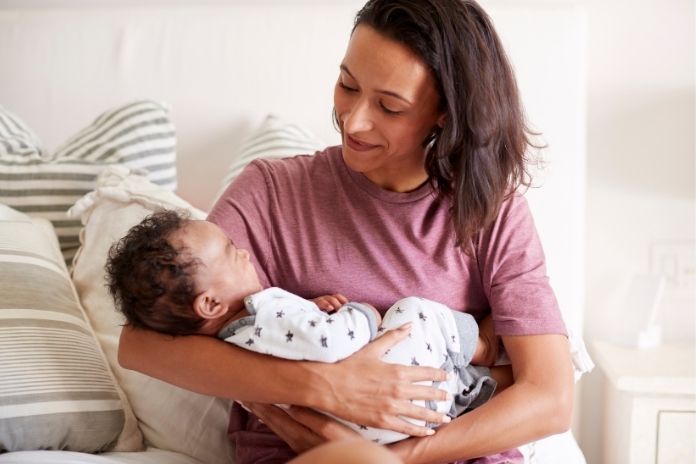
The timing of your first period after a baby varies widely, and one of the biggest factors is how you’re feeding your baby. If you’re not breastfeeding, your period may return as early as six to eight weeks postpartum.
For women who are exclusively breastfeeding, it can take six months or even longer. Breastfeeding suppresses ovulation, which delays the return of menstruation. If you’re combination feeding, your cycle often returns somewhere in between, typically around three to six months. This middle range is quite common but often overlooked.
Moreover, it is important to understand that ovulation happens before your first period. This means you can become pregnant even before noticing heavy bleeding after a baby, which is often your first visible sign that your cycle has restarted.
Why Your Period Is Heavier After Having a Baby
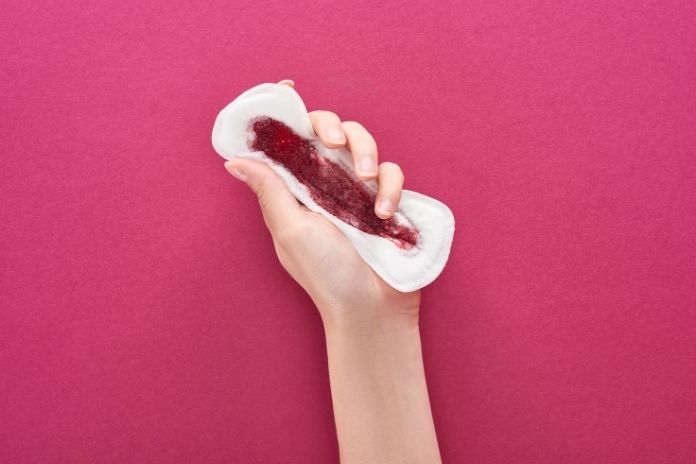
Experiencing heavy periods after having a baby can feel alarming, but there are several physiological reasons behind it. After pregnancy, your uterus is larger than it used to be. This means there is more uterine lining to shed during your period, which can naturally lead to heavier bleeding.
At the same time, your body is going through uterine involution, the process of the uterus shrinking back to its pre-pregnancy size. During this phase, bleeding patterns can be unpredictable and sometimes heavier.
Hormones also play a major role. After childbirth and breastfeeding, your hormone levels fluctuate significantly. These shifts can lead to postpartum period changes, including heavier flow, irregular cycles, and more noticeable symptoms.
In the first few cycles, your body may also be clearing out residual tissue from pregnancy. This can result in blood clots in the postpartum period, which, while unsettling, are often normal if they remain small. Changes in birth control can also influence your cycle. Starting or stopping hormonal methods can either lighten or temporarily increase bleeding.
Does a C-section Affect How Heavy Your Period Is?
A heavy period after a C-section can occur, but it is not always directly caused by the surgery itself. While scar tissue in the uterus may slightly affect how the lining sheds, hormonal factors and breastfeeding patterns tend to have a much greater impact on bleeding.
However, recovery from a C-section can sometimes increase the risk of iron deficiency, which may make symptoms like fatigue or dizziness feel more intense alongside heavier bleeding.
Read More: Causes of Butt Cramps During Periods – Effective Relief and Solutions!
What’s Normal — and What Isn’t: A Quick Guide
It’s common to wonder how heavy is too heavy in the postpartum period, especially when everything feels different after childbirth. In most cases, the first two or three cycles are heavier than usual.
You may notice stronger cramps, slightly larger clots, and irregular timing. These are typical postpartum period changes and usually settle within a few months as your hormones stabilize. However, certain signs are not considered normal. If you are soaking through a pad or tampon every hour for two consecutive hours, that is a clear warning sign.
Passing very large clots, especially those the size of a golf ball or bigger, is another concern. Periods that consistently last longer than a week, bleeding that worsens over time instead of improving, or spotting between cycles should not be ignored.
A foul smell along with heavy bleeding may indicate infection. Recognizing these differences can help you decide when to see a doctor during a heavy postpartum period without second-guessing yourself.
Medical Conditions That Can Cause Heavy Periods After Baby
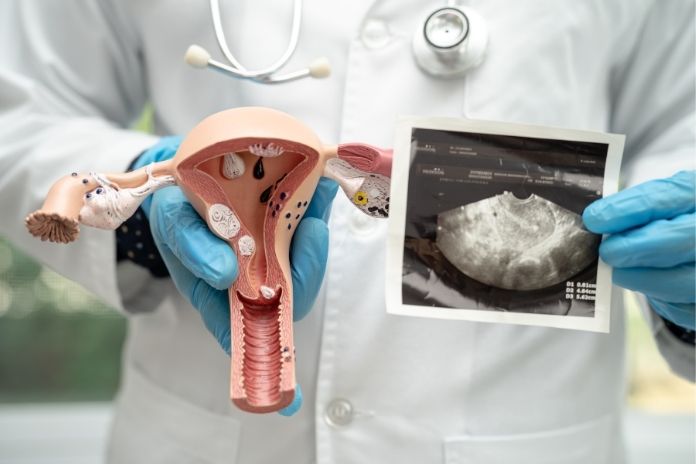
While postpartum heavy periods are often part of recovery, sometimes they are linked to underlying conditions. One possible cause is retained placenta fragments, where small pieces of tissue remain in the uterus after delivery. This can lead to prolonged or unusually heavy bleeding.
Hormonal issues, such as a postpartum thyroid disorder, can also disrupt your cycle and make periods heavier or irregular. This condition affects a notable number of new mothers and is often overlooked.
Structural changes in the uterus, including fibroids or polyps, may contribute to increased bleeding. In some cases, women develop adenomyosis after pregnancy, where the uterine lining grows into the muscle wall, leading to heavier and more painful periods.
Bleeding disorders like von Willebrand disease may become more noticeable after childbirth. Infections such as postpartum endometritis can also cause heavy bleeding, often accompanied by fever and discomfort.
Could Your Heavy Period Be Causing Anemia?
Ongoing heavy bleeding after the baby can significantly reduce your iron levels, especially if your body is still recovering from pregnancy and delivery. This increases the risk of anemia, which can affect how you feel day to day. Many women dismiss symptoms as normal postpartum fatigue, but postpartum anemia symptoms can go beyond typical tiredness.
You might feel constantly drained, dizzy, or short of breath. Some women notice a rapid heartbeat or pale skin. These symptoms can make caring for a newborn even more challenging. A simple blood test can confirm whether anemia is present.
If needed, treatment may include iron supplements along with dietary changes. Foods rich in iron, combined with vitamin C for better absorption, can help restore your levels over time.
When to Call Your Doctor About Your Postpartum Period
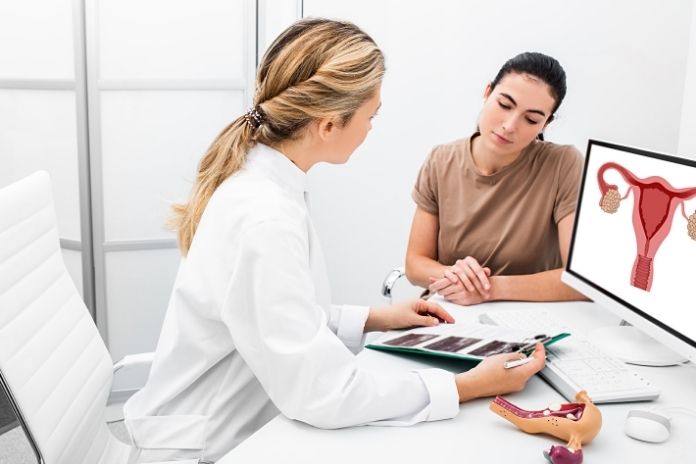
Knowing when to see a doctor during a heavy postpartum period can make a big difference in protecting your health. If your bleeding is severe enough to soak through one pad per hour for several hours in a row, it’s important to seek immediate medical care. The same applies if you experience very large clots, dizziness, fainting, or fever along with bleeding.
Less urgent concerns can be discussed during a regular checkup. If your periods continue to get heavier after a few cycles, if you notice bleeding between periods, or if you suspect anemia, it’s worth bringing up with your doctor.
Keeping track of your symptoms, including flow, duration, and any unusual changes, can make these conversations more productive and help identify the cause faster.
Read More: How To Stop Periods With Birth Control? Know The Safety Rules
Conclusion
Experiencing heavy periods after having a baby can feel overwhelming, especially when your body already feels different in so many ways. In most cases, these changes are temporary and part of the recovery process.
The key is recognizing what’s normal and acting on what isn’t. If you’re unsure, trust your instincts and seek advice. Understanding how heavy is too heavy in the postpartum period and when to see a doctor can help you stay in control of your health during this transition.
References
- Centers for Disease Control and Prevention. (n.d.). Heavy menstrual bleeding.
- Cloudnine Hospitals. (n.d.). How long does it take the uterus to shrink after birth?
- National Center for Biotechnology Information. (2024). Postpartum anemia: Diagnosis and treatment.
- Pregnancy Birth and Baby. (n.d.). Retained placenta.
- Siloam Hospitals. (n.d.). Understanding lochia: Postpartum bleeding and its stages.
- UT Southwestern Medical Center. (n.d.). Period changes after pregnancy.
- UPMC. (2023). Periods after pregnancy: What to expect.
In this Article