



















Green tea earned its anti-inflammatory reputation through decades of consistent research. Its catechins, particularly EGCG, have been studied across thousands of clinical and laboratory experiments, and the evidence supporting its role in reducing inflammatory markers and supporting metabolic health is substantial. It became the benchmark against which other natural anti-inflammatory drinks are measured, and for good reason.
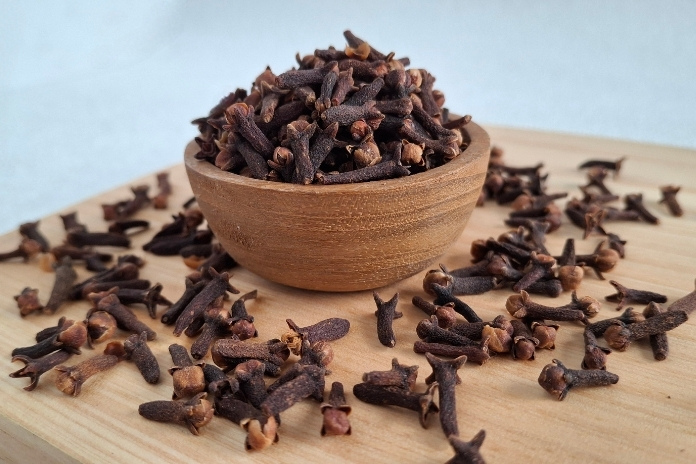
Clove water is a different conversation. It has been used in traditional medicine systems across South Asia, the Middle East, and parts of Africa for centuries, primarily as a digestive aid and for its analgesic properties. Recently, the compound responsible for most of its biological activity has attracted serious research attention.
That compound is eugenol, a phenolic phytochemical that makes up roughly 70 to 90% of clove essential oil and gives cloves their distinctive aroma. As interest in herbal drinks for inflammation grows, clove water has moved from a traditional remedy to the subject of peer-reviewed investigation.
Understanding whether clove water health benefits hold up scientifically, how its active compounds compare to those in green tea, and where the genuine evidence ends and the wellness hype begins requires working through what the research actually shows rather than what the trend cycle suggests.
- Clove water’s anti-inflammatory effects come mainly from eugenol, which can inhibit key inflammatory pathways like NF-κB and cytokines (IL-6, TNF-α).
- These are the same biological pathways targeted by many anti-inflammatory medications, giving cloves a strong scientific basis.
- Cloves and green tea both provide antioxidants, but through different compounds, eugenol vs. catechins, working via slightly different mechanisms.
- Neither is a treatment on its own; both work best as supportive additions within a broader anti-inflammatory lifestyle.
Understanding Inflammation and Why It Matters for Health

Acute vs. Chronic Inflammation
Inflammation is not inherently a problem. It is the body’s first-line defense mechanism: when tissue is injured or a pathogen is detected, the immune system sends white blood cells, cytokines, and other molecular signals to the site to contain the threat and begin repair. This acute inflammatory response is essential and, when it resolves properly, protective.
The problem is chronic inflammation, a persistent, low-grade activation of the same inflammatory pathways without a resolving trigger. Chronic inflammation operates quietly, often without obvious symptoms, but over time it contributes to the development and progression of conditions, including cardiovascular disease, type 2 diabetes, metabolic syndrome, certain cancers, and neurodegenerative conditions.
Metabolic inflammation, the specific form driven by excess adiposity, insulin resistance, and poor diet, has become one of the most studied drivers of modern chronic disease.
The Role of Oxidative Stress
Oxidative stress and inflammation are tightly linked. Free radicals, unstable molecules with unpaired electrons, are generated continuously through normal cellular metabolism, exercise, and exposure to environmental toxins. When the body’s antioxidant defenses cannot keep pace with free radical production, oxidative stress develops.
Free radicals then react with proteins, lipids, and DNA, triggering inflammatory cytokines and perpetuating the inflammatory cycle. Dietary plant-based antioxidants interrupt this cycle by neutralizing free radicals before they cause cascade damage.
Dietary Factors That Influence Inflammation
Dr. Frank Hu, MD, MPH, ScD, puts the evidence plainly: “Many experimental studies have shown that components of foods or beverages may have anti-inflammatory effects. Choose the right anti-inflammatory foods, and you may be able to reduce your risk of illness. Consistently pick the wrong ones, and you could accelerate the inflammatory disease process,” he told Harvard Health.
The foods and compounds most consistently associated with lower inflammatory markers include omega-3 fatty acids, fiber, colorful fruits and vegetables, nuts, and polyphenols and antioxidants from plant sources, including herbs, spices, and beverages like tea.
Herbal anti-inflammatory compounds from diverse plant sources all work through related but distinct mechanisms, which is why dietary variety matters more than any single functional food.
Read More: Daily Micro-Habits That May Help Lower Inflammation Naturally
Why Green Tea Became the Benchmark Anti-Inflammatory Drink
Key Compounds in Green Tea
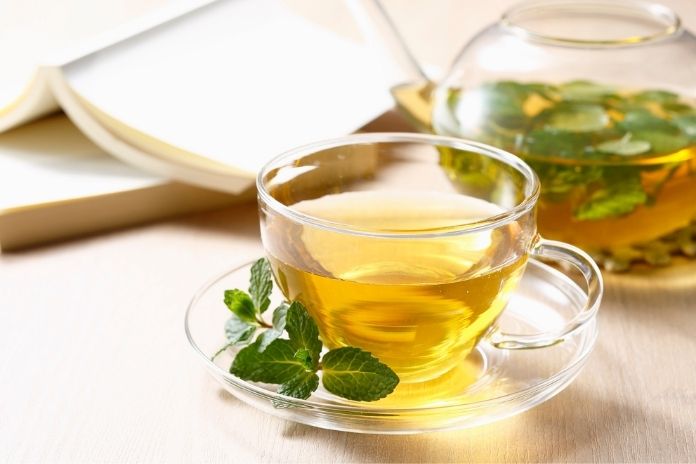
Green tea’s primary anti-inflammatory and antioxidant activity comes from a family of polyphenols called catechins, with epigallocatechin-3-gallate (EGCG) being the most studied.
Catechins are flavonoids that function as potent antioxidants and that modulate multiple inflammatory signaling pathways simultaneously, including NF-κB suppression, reduced TNF-α production, and inhibition of COX-2 enzyme activity.
Dr. Frank B. Hu explains the distinction clearly: “Catechins in green tea have high antioxidant and anti-inflammation effects in animal models and test-tube studies. Polyphenols such as quercetin in black tea have similar anti-inflammatory effects,” adding that green tea’s higher polyphenol content relative to oxidized teas gives it its particular potency in the research literature.
Evidence Linking Green Tea to Reduced Inflammatory Markers
A 2020 PMC systematic review of clinical trials examining green tea catechins and inflammatory biomarkers found consistent reductions in C-reactive protein (CRP) and other markers of systemic inflammation across multiple populations, with the most significant effects in studies of three months or longer duration and consistent daily consumption of three or more cups.
The evidence base for green tea is extensive enough that it has moved from the realm of traditional use into clinical nutrition guidelines in several countries.
Its limitations are real but manageable: bioavailability of catechins is lower than their laboratory activity suggests, effects vary with preparation method and brewing time, and high doses in supplement form carry some risk of liver toxicity. As a beverage consumed in reasonable quantities, the evidence is consistently positive.
Limitations and Variability in Effects
Green tea’s anti-inflammatory effect is real but modest in isolation. It is most meaningful as part of a dietary pattern, not as a standalone intervention. The same caveat applies to every other herbal drink for inflammation: no single beverage changes the inflammatory landscape meaningfully on its own. What matters is the cumulative effect of consistent dietary choices.
Read More: Worst Time to Drink Green Tea: When to Avoid for Better Health
What Makes Cloves Unique Among Medicinal Spices
The Active Compound: Eugenol
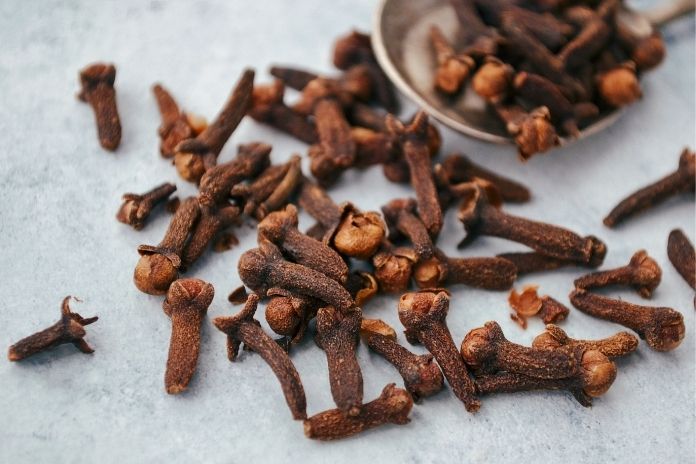
Eugenol benefits in cloves is derived from its classification as a phenylpropanoid, a subclass of phenolic compounds found in the essential oils of cloves (Syzygium aromaticum). Eugenol constitutes 70 to 90% of clove essential oil and is present in meaningful concentrations in whole dried cloves.
It is the compound responsible for the characteristic warm, spicy aroma, and it is the compound that laboratory and clinical research have consistently identified as the primary driver of clove’s biological activity.
Eugenol is classified as a eugenol phytochemical compound with multiple pharmacological properties, including antimicrobial, antifungal, analgesic, antioxidant, and, notably, anti-inflammatory activity. It is recognized as generally safe (GRAS) by the FDA when consumed as a food ingredient at typical culinary amounts.
Antioxidant Capacity of Cloves
Among commonly used spices, cloves rank extraordinarily high in antioxidant capacity.
A 2023 PMC analysis of antioxidant capacity across spices and herbs confirmed that cloves consistently rank among the highest in ORAC (Oxygen Radical Absorbance Capacity) values of any commonly used food ingredient, outperforming cinnamon, oregano, and many other antioxidant-rich spices.
This exceptional antioxidant density comes primarily from eugenol, alongside smaller concentrations of flavonoids, including kaempferol and rhamnetin.
Kanchan Koya, PhD, a food scientist, explained the mechanism behind spice-derived polyphenols: “Polyphenols and spices can neutralize these free radicals. So they have this antioxidant capacity… a lot of these polyphenols will activate our own cellular repair pathways because they are creating a little bit of stress through this mechanism of hormesis,” she said, noting that this activation of endogenous repair systems is distinct from simply providing antioxidants as a passive defense.
Traditional Uses in Herbal Medicine
Cloves have been used in Ayurvedic medicine, traditional Chinese medicine, and Middle Eastern herbal traditions for digestive complaints, oral pain, and respiratory conditions for centuries.
Their antimicrobial and analgesic properties, well documented in modern pharmacology, justified much of this traditional use. The anti-inflammatory application is more recent in terms of scientific framing but consistent with the traditional evidence base.
Read More: Is Drinking Clove Water the New Weight Loss Hack?
How Eugenol May Influence Inflammatory Pathways

Effects on Inflammatory Signaling Molecules
A comprehensive 2024 review of eugenol anti-inflammatory properties synthesized the current understanding of eugenol’s mechanisms across multiple organ systems and disease models.
The review confirmed that eugenol modulates inflammation primarily through suppression of the NF-κB transcription factor, the master regulator of inflammatory gene expression, and through downregulation of pro-inflammatory cytokines, including IL-6 and TNF-α.
The NF-κB pathway is activated by oxidative stress, bacterial products, and other inflammatory triggers. Eugenol suppresses NF-κB activation by inhibiting the phosphorylation of IκBα, the protein that holds NF-κB in its inactive state.
When IκBα is not degraded, NF-κB remains sequestered, and the downstream inflammatory cascade is dampened. This is a well-characterized and pharmacologically meaningful mechanism, not a general antioxidant effect.
A cell culture study examining clove and eugenol’s effects on macrophage cytokine production published in PubMed found that clove extract inhibited IL-1β, IL-6, and IL-10 production and that eugenol specifically inhibited IL-6 and IL-10 production through a mechanism consistent with NF-κB pathway suppression. The researchers concluded that eugenol was likely the primary mediator of clove’s immunomodulatory effects.
Antioxidant Activity
Beyond its effects on inflammatory signaling, eugenol anti-inflammatory properties include direct antioxidant activity.
Eugenol donates hydrogen atoms to neutralize free radicals, protecting cell membranes, proteins, and DNA from oxidative stress and inflammation cascade damage. This activity is measurable across multiple antioxidant assay methods and is consistent across laboratory conditions.
Possible Effects on Metabolic and Joint Inflammation
An MDPI 2024 review also documented early research on eugenol’s effects in arthritis models, where eugenol administration reduced joint swelling and inflammatory cell infiltration, and in metabolic inflammation models, where it reduced liver lipid accumulation and inflammatory marker elevation.
These findings are from animal models and in vitro systems. They are promising enough to support continued investigation but insufficient to draw firm conclusions for human health outcomes. This is where the evidence currently sits, genuinely interesting but not yet clinically definitive.
Clove Water vs. Green Tea: Comparing Their Anti-Inflammatory Compounds
Clove water and green tea are both positioned as natural anti-inflammatory options, but they work in different ways. Each delivers bioactive compounds that target overlapping pathways like oxidative stress and inflammation.
The difference lies in their primary compounds, evidence base, and how they’re typically consumed. Understanding that distinction helps you use them more effectively, not interchangeably.
Wellness Comparison
Clove Water vs. Green Tea
| Factor | Clove Water | Green Tea |
|---|---|---|
| Primary active compounds | Eugenol, Kaempferol, Rhamnetin | EGCG, catechins, quercetin |
| Compound class | Phenylpropanoid (eugenol) + polyphenols | Flavonoids (catechins) / polyphenols |
| Primary mechanism | NF-κB suppression, cytokine inhibition | NF-κB suppression, COX-2 inhibition |
| Antioxidant capacity | Extremely high (per gram of spice) |
High (per cup of brewed tea) |
| Evidence base | Strong preclinical evidence, limited human trials | Extensive human clinical research |
| Traditional use | Digestive support, antimicrobial, analgesic | General wellness, metabolic, and cardiovascular support |
| Caffeine content | None | Moderate |
The comparison reveals complementary rather than competing profiles. Cloves vs. green tea antioxidants share overlapping mechanisms at the NF-κB level but deploy different primary compounds with different downstream effects.
Eugenol anti-inflammatory properties are more concentrated per unit dose, but the human evidence base for green tea is significantly more mature. Someone choosing between the two is really asking the wrong question. Both can contribute to a broader anti-inflammatory dietary pattern without displacing each other.
How Clove Water Is Typically Prepared
Clove water is prepared by steeping three to five whole cloves in one cup of water overnight or for six to eight hours, then straining and drinking the infusion, typically in the morning before food or between meals. The overnight infusion method extracts eugenol and other water-soluble compounds without concentrating the essential oil to the point where gastrointestinal irritation becomes likely.
Some preparations boil the cloves in water for five to ten minutes, which extracts compounds more rapidly but produces a stronger, more pungent flavor that some find difficult to drink consistently. Adding a cinnamon stick or a slice of fresh ginger during the infusion adjusts flavor without meaningfully altering the eugenol content.
The strength of clove water as typically prepared at home is substantially lower than the eugenol concentrations used in most laboratory research. This is a clinically relevant context: the benefits seen in preclinical studies used doses significantly higher than what a daily infusion of three to five cloves would provide.
Manageable daily use provides meaningful antioxidant support without reaching concentrations where eugenol’s safety profile becomes a concern.
Potential Benefits People Seek From Clove Water
Clove water is most commonly used for digestive comfort, helping reduce bloating, gas, and nausea. It also provides antioxidant support due to its high plant-based compounds. Its eugenol content supports oral health through antimicrobial and analgesic effects. More broadly, it serves as a low-calorie, low-caffeine option for general wellness and inflammation support.
Dr. Deepa Verma, MD, AIHM, explains what inflammation-focused daily habits actually accomplish: the goal is to create conditions in which the body’s natural anti-inflammatory mechanisms are supported rather than overwhelmed. Herbal infusions rich in polyphenols and antioxidants, consistent hydration, and dietary variety all contribute to that systemic environment, though no single food or drink does it alone.
Safety Considerations When Consuming Cloves Regularly
Eugenol is safe at culinary doses, but dose-dependent toxicity is real. The estimated safe upper level for eugenol consumption is approximately 2.5mg per kilogram of body weight daily. Three to five whole cloves steeped in water deliver roughly 5 to 15mg of eugenol in the infusion, well within safe margins for most adults.
Problems arise with clove essential oil, which is highly concentrated and has caused liver damage and seizures in cases of ingestion beyond culinary levels.
People taking anticoagulant medications, including warfarin, should exercise caution because eugenol has antiplatelet properties that can potentiate the effect of blood thinners. People with known liver conditions should consult a healthcare provider before consuming clove water regularly. Pregnant women should limit consumption and consult a doctor, as high-dose eugenol has historically been associated with uterine effects.
The practical message: three to five whole cloves in water, once daily, is a reasonable level of consumption for most healthy adults. Clove essential oil is a different matter entirely and should not be ingested unless under professional guidance.
Other Evidence-Based Dietary Strategies for Reducing Inflammation
Clove water and green tea are two data points within a much larger picture. The most consistently anti-inflammatory dietary pattern in the epidemiological literature is the Mediterranean diet, rich in vegetables, fruits, legumes, whole grains, fatty fish, olive oil, and herbs. Its breadth and consistency of evidence dwarfs that of any individual food or drink.
Regular physical activity reduces circulating inflammatory cytokines, improves insulin sensitivity, and supports immune regulation. Sleep deprivation raises inflammatory markers measurably within 24 hours of a poor night’s sleep.
Chronic stress elevates cortisol, which suppresses appropriate immune regulation while promoting low-grade systemic inflammation. Herbal drinks for inflammation can be a useful daily habit, but they do not compensate for the inflammatory load created by poor sleep, a high-processed-food diet, or chronic stress.
Key Takeaway
Clove water’s anti-inflammatory potential is scientifically grounded, specifically in eugenol’s documented ability to suppress NF-κB signaling and reduce pro-inflammatory cytokines. That evidence is real. It is also primarily preclinical, meaning the research has been conducted in cell cultures and animal models rather than large human clinical trials.
This puts clove water health benefits in the category of genuinely promising but not yet definitively proven for specific human health outcomes. Cloves vs. green tea antioxidants is not a competition. Green tea brings decades of human clinical evidence and a well-characterized safety profile.
Cloves bring extraordinary antioxidant density and a distinct eugenol phytochemical compound profile with its own mechanisms. Both belong in the broader category of plant-based antioxidants that support the body’s natural capacity to regulate oxidative stress and inflammation. Neither replaces sleep, physical activity, dietary quality, or medical treatment where needed.
Including both in a varied, whole-food diet is a reasonable, evidence-supported approach to supporting the body’s inflammatory balance. Expecting either to do the heavy lifting on its own is where the wellness narrative gets ahead of the science.
Medical Disclaimer: This article is for informational purposes only and does not constitute medical advice. Consult a qualified healthcare provider before making significant dietary changes, particularly if you take medications or have a chronic health condition.
References
- Han, X., & Parker, T. L. (2017). Anti-inflammatory activity of clove (Eugenia caryophyllata) essential oil in human dermal fibroblasts. Pharmaceutical Biology, 55(1), 1619-1622.
- Hu, F. B. (2014). Foods that fight inflammation. Harvard Health.
- Hu, F. B. (2023). Does drinking tea really help health? Harvard Health.
- Koya, K. (2024). The medicines in your spice rack. ZOE Podcast.
- Molina-Jijón, E., et al. (2024). Anti-inflammatory and antioxidant activities of eugenol: An update. Pharmaceuticals, 17(11), 1505.
- Rodrigues, T. G., et al. (2012). Clove and eugenol in noncytotoxic concentrations exert immunomodulatory/anti-inflammatory action on cytokine production by murine macrophages. Journal of Pharmacy and Pharmacology.
- Rizzolo-Brime, L., et al. (2023). Antioxidant capacity of spices and their potential use as dietary supplements.
- Verma, D. (2022). I’m an MD and this is my anti-inflammatory morning routine. Clean Plates.
- Xu, R., et al. (2020). Green tea consumption and the risk of liver disease: A systematic review and meta-analysis
- Assis, F. S. de O., et al. (2024). Effect of green tea supplementation on inflammatory markers.
- Serban, C., et al. (2016). Anti-inflammatory action of green tea
- Khan, N., & Mukhtar, H. (2013). Green tea polyphenols and their role in inflammation.
- ResearchGate. (n.d.). Anti-inflammatory action of green tea.
- Cleveland Clinic. (n.d.). Green tea health benefits.
- The Economic Times. (n.d.). The superdrink you need: Green tea improves gut health, cuts obesity risk.
- Arizona Dietitians. (n.d.). The anti-inflammatory power of green tea.
In this Article